Baptism is a sacred milestone for many Christians, signaling entrance into the faith community and a personal commitment to follow Jesus. This step-by-step guide is designed for beginners and covers a range of paths, from infant baptism to believer’s baptism for adults. The specifics can vary by denomination and church, but the core ideas—education, profession of faith, and a ceremonial rite—remain central to the process.
Understanding the symbolism and purpose of baptism helps set expectations for every pathway. In most traditions, water embodies cleansing, renewal, and a spiritual rebirth. Baptism is often described as a public declaration of faith, an outward sign of an inward transformation, and a way to identify with the life, death, and resurrection of Christ. For many believers, it also marks entry into a local faith community and a commitment to live according to its teachings. Different churches emphasize particular aspects, but the essential meaning usually includes these elements:
Identification with Christ and his saving work
Forgiveness of sins and spiritual cleansing
Grace and new life in the Spirit
Joining a specific congregational family and shared mission
Paths to baptism: choosing your approach
People pursue baptism in different ways, depending on their age, background, and beliefs. The following subsections outline common routes so you can understand what to expect in your context. Each path leads to the rite of baptism, but the preparation and timing can differ.
Infant baptism
Many Christian traditions baptize infants as a means of bringing them into the covenant community and marking them with God’s grace. Parents or guardians usually undertake the vows on behalf of the child, with the expectation that the family will nurture the child in the faith and raise them in the church. In some traditions, infant baptism is followed later by a confirmation or first communion as the child grows aware of their own faith commitments.
Believer’s baptism (adult or conscious decision)
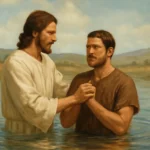
In other churches, baptism is reserved for those who consciously profess faith in Christ. This approach emphasizes personal decision, repentance, and trust in the gospel. Believer’s baptism typically requires a public confession of faith and often occurs after a period of instruction. The immersion or pouring rite is performed as a tangible response to a deliberate belief, rather than a rite administered to an infant.
Reaffirmation or reaffirming baptism
Some believers who were baptized earlier in life choose to reaffirm their baptismal vows as a renewed commitment. This can happen during a service that emphasizes the ongoing journey of faith, accountability, and participation in the church’s mission. Reaffirmation is not always a new baptism; it can be an outward expression of continuing fidelity to Christ.
Conversions and cross-denominational pathways
Individuals transitioning from one denomination to another may seek baptism as part of their entry into a new church family. The exact requirements vary by tradition, but the underlying goal is consistent: to publicly identify with Christ and join a local church.
Steps to take before the ceremony
Becoming baptized usually unfolds through a sequence of practical steps designed to prepare the heart, mind, and life for the sacred rite. While the details differ by church, the following framework captures common patterns you may encounter.
Discern your motive: Reflect on why baptism matters to you personally and how it relates to your faith journey. This step helps ensure your commitment is deeper than curiosity or tradition alone.
Talk with a church leader: Schedule a conversation with a pastor, priest, or elder to discuss your interest, background, and questions. They can explain denominational beliefs, requirements, and next steps.
Attend worship and observe: Visit the church’s services to experience the community, worship style, and leadership. This helps you gauge whether the church’s teaching aligns with your convictions.
Enroll in a preparation program: Many churches offer baptism classes, catechism, or membership courses. These sessions cover doctrine, church expectations, and the mechanics of the rite.
Express your faith: You may be asked to share your testimony or write a brief statement of faith. This exercise clarifies your beliefs and prepares you to articulate them publicly.
Choose your date and format: Depending on the tradition, baptism may be scheduled on a specific Sunday, during a special service, or in a separate ceremony. You may also need to decide between immersion, pouring, or sprinkling.
Arrange sponsors or godparents (if applicable): In some traditions, you will select a sponsor or godparent to support you in faith and in the life of the church. They may be asked to participate in the ceremony and in ongoing mentorship.
Complete practical requirements: Some communities require baptismal preparation completion certificates, sponsor confirmations, or background checks (more common in youth programs or particular contexts).
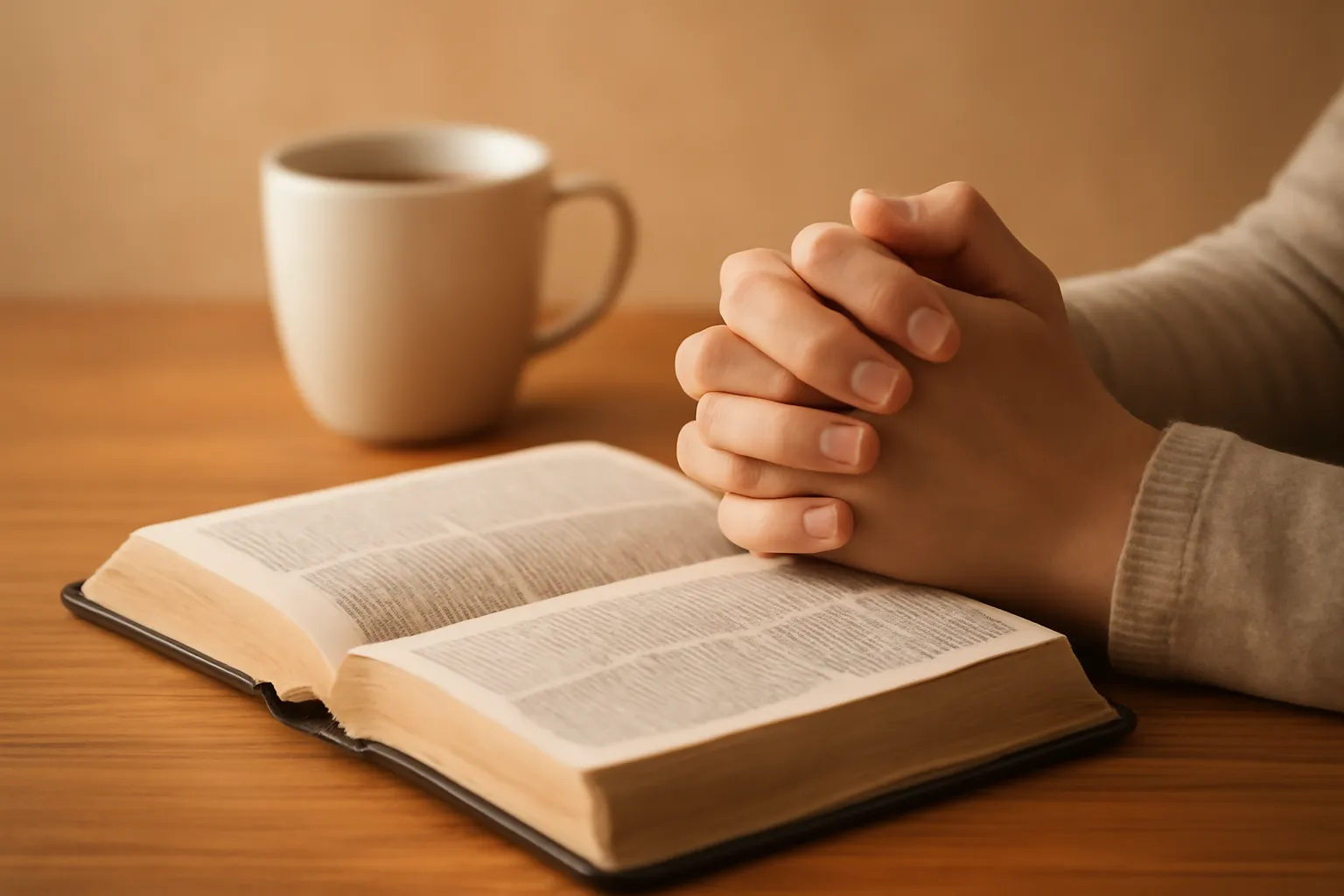
Prepare spiritually: Engage in prayer, reading of Scripture, and perhaps a period of fasting or reflection to ready your heart for the rite.
A robust preparation phase helps ensure that your baptism is meaningful and well understood. Most churches pair candidates with mentors, offer structured classes, and provide access to resources that clarify doctrine and practice. The preparation typically covers:
Core beliefs: The basics of the church’s teaching about God, Jesus, the Holy Spirit, salvation, grace, and the church.
Scriptural foundations: Key passages related to baptism, such as water imagery, repentance, and obedience in the Christian life.
Expectations for new members: Participation in worship, small groups, service, giving, and communal life.
Rite details: The chosen form of the baptism (immersion, pouring, or sprinkling), the location, and who will participate in the service.
Ethical and practical guidelines: How to live out faith in daily life, how to handle questions or doubts, and how to maintain unity within the church.
The baptism day: what to expect
On the day of baptism, the service usually centers on testimony, the act itself, and affirmations of faith. The details depend on the tradition, but common elements include a profession of faith, the sacramental rite, and a blessing by leaders. Here is a general outline of what often happens during the ceremony.
Gathering and welcome: The congregation collects for worship, and the candidate is welcomed as a new member or as a believer publicly declaring faith.
Testimony or confession of faith: The person may share a brief testimony, or the pastor may invite a succinct statement of belief.
The rite itself: Depending on tradition, the baptism may involve immersion (completely under water), pouring water over the head, or sprinkling with water. The water ritual is performed by an ordained minister or authorized officiant.
Prayer and blessing: A prayer is offered for the candidate, asking for grace, strength, and ongoing growth in faith. The church often blesses the candidate’s life in Christ and role in the community.
Integration into the church family: After the rite, the candidate is celebrated as a full participant in the community. This may include receiving a certificate, a welcome, or a public commitment to service.
One of the most visible differences between traditions is how water is applied during the rite. Here are brief descriptions to help you understand each option and discuss it with church leaders:
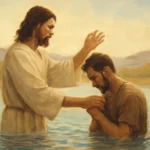
Immersion: The candidate is fully submerged in water. This form is symbolic of dying to the old self and rising to new life, echoing the death and resurrection theme of the gospel.
Pouring: Water is poured over the head, often in a specific pattern or number of times. Pouring can be practiced when immersion is logistically difficult or when a church’s tradition emphasizes symbol rather than full immersion.
Sprinkling: Water is sprinkled on the head. This approach can reflect ancient symbolic meaning and is common in certain liturgical contexts where full immersion is not feasible or preferred.
Life after baptism: new identity and responsibilities
Baptism marks not just a moment but a life trajectory. After the rite, many churches emphasize ongoing participation in the church’s life and mission. This often includes regular worship attendance, participation in a small group or Sunday school, involvement in service, and stewardship of time, talents, and finances. For many believers, baptism is the doorway to deeper discipleship and accountability within a faith community.
Continuing education: Ongoing teaching about Scripture, doctrine, and Christian living is common after baptism. Many pastors encourage new believers to join Bible study groups or courses to deepen understanding.
Community involvement: Believers are encouraged to participate in hospitality, outreach, and service projects that reflect the church’s mission.
Spiritual disciplines: Practices such as prayer, reading Scripture, worship, and confession are often recommended as habits that sustain growth after baptism.
Accountability and mentorship: New believers might receive ongoing mentorship or accountability partners to support faithful living.
Common questions and concerns
Here are some frequently asked questions about baptism, with concise answers to help you think through your path. If you have a question that isn’t listed, don’t hesitate to ask your church leader or mentor.
Do I need to be perfect before baptism? No. Baptism is a step of faith, not a final credential. It marks your intention to follow Christ, while recognizing that growth happens over time with God’s grace.
Can infants be baptized if I am not the parent? In many traditions, infant baptism is reserved for those whose parents participate in the faith journey. If you are an adult seeking baptism and were raised in a different tradition, you can often pursue believer’s baptism or affiliation in the new church, depending on policy.
What if I’m not sure about some beliefs? It’s common to explore questions during preparation. Speak openly with your teacher or pastor, and allow your understanding to grow over time as you study Scripture and participate in community life.
How long does the preparation take? It varies widely. Some churches have a few-week class; others may extend over several months. The goal is thorough understanding rather than rushing the rite.
What if I’ve already been baptized in another tradition? Some denominations require re-baptism under their theology, while others accept your previous baptism as valid. Check with your church leadership about whether you should reaffirm or join as a member based on your background.
Is baptism necessary for salvation? Views on salvation and baptism differ by tradition. Many churches teach that baptism is a commanded step in obedience after faith, but not a guarantee of salvation apart from faith in Christ.
Different Christian families interpret baptism in distinct ways. Here is a concise survey to help you communicate with church leadership and understand what to expect within your tradition.
In the Catholic Church, baptism is one of the seven sacraments and is typically administered to infants, though adult baptisms occur as well. It is usually performed with water and the Trinitarian formula, “I baptize you in the name of the Father, and of the Son, and of the Holy Spirit.” The rite emphasizes cleansing from original sin, incorporation into the Body of Christ, and a lifelong journey of faith that continues through the Eucharist, confirmation, and other sacraments.
Protestant communities span a broad spectrum. Some emphasize believer’s baptism by immersion after a personal confession of faith, while others practice infant baptism but view it as affirming the covenant community rather than regenerational necessity. Common themes include grace through faith, the authority of Scripture, and a personal response to Christ that leads to baptism as a public profession.
Orthodox practice
The Orthodox tradition typically practices infant baptism, usually accompanied by chrismation (anointing with oil) and often followed by a first communion. The rite is deeply liturgical and takes place within the context of the church’s worship and community life. Water, oil, and prayer are integral components, symbolizing cleansing, healing, and the gift of the Holy Spirit.
Baptist and evangelical practice
Baptist and many evangelical churches strongly emphasize believer’s baptism by immersion after a clear confession of faith. The ceremony is a public witness to a personal decision to follow Christ, and it serves as a visible sign of the inward transformation that has already occurred through faith. Church membership is typically tied to this rite and associated commitments.
Use this checklist to assess whether you’re prepared to pursue baptism in your context. It helps ensure you are approaching the rite with clarity, humility, and readiness to participate fully in church life.
Clarify your faith: Do you understand the core beliefs you are affirming and why they matter?
Engage with a leader: Have a conversation with a pastor, priest, or elder about expectations and next steps.
Complete required coursework: Attend all baptism classes or catechetical sessions offered by the church.
Be connected to a sponsor or mentor: If your tradition requires it, choose someone who can walk with you in your faith journey.
Prepare your testimony: Write or practice a brief statement of faith and conversion story (if required).
Decide on the form of baptism: Confirm whether the rite will be immersion, pouring, or sprinkling.
Plan the date and service: Confirm the schedule and the role you will play in the service.
Pray for discernment: Seek God’s guidance for this significant step and for how you will live out your baptism in daily life.
Whether you are pursuing baptism for the first time, seeking reaffirmation, or navigating a denominational transfer, the path is about discerning God’s work in your life, growing in faith, and joining a community that supports your spiritual journey. By approaching the process with intentionality, you can enter the rite with confidence and a sense of meaningful purpose.