Baptism is a meaningful milestone in many faith journeys. For some people, the path leads to a decision to be baptized again, a process often called rebaptism or re-baptism. This article is a practical guide to understanding what re-baptism involves, why someone might pursue a second baptism, and how to navigate the conversations, decisions, and logistics that come with it. Whether you are exploring a fresh commitment, transferring church membership, or aligning with a different Christian tradition, this guide aims to inform and support you with clear, respectful information.
To begin, it helps to clarify what is meant by getting baptized again and how it differs from related rites such as confirmation, reaffirmation, or a baptism from childhood being recognized by a new church. In many Christian communities, rebaptism refers to a baptism performed after a prior baptism, typically because the second baptism is sought within a different tradition, under a different mode (immersion vs pouring), or as a public profession of faith in a community that does not recognize the previous baptism as valid for membership. In other contexts, churches may encourage or require a new baptism when a person has made a personal commitment anew or when previous baptism did not meet their current church’s theological standards.
Important distinctions to consider include:
Rebaptism as a deliberate choice: A new baptism performed after a past baptism, often to align with a different tradition or to signify a renewed commitment.
Different baptism modes can influence a church’s reception of an earlier baptism. Some churches practice immersion, others practice pouring or affusion, and some require baptism by a specific mode for membership.
Not all churches or traditions permit or recognize rebaptism. In some traditions, baptism is considered a one-time sacrament, while in others, a believer’s baptism is the preferred or required form for full membership.
Re-baptism is not the same as affirmation of baptism (sometimes called confirmation) or a renewal of vows, which may occur without a new baptism.
Reasons People Seek a Second Baptism
There are multiple, legitimate reasons why someone might pursue rebaptism. Each person’s spiritual journey is unique, and the decision is often layered with personal, doctrinal, and community considerations. Here are some common motivations:
Change in denominational affiliation: Moving from one Christian tradition to another, where a different form of baptism is practiced or required for membership.
Infant baptism vs believer’s baptism: If someone was baptized as an infant in a tradition that later emphasizes believer’s baptism, they may seek a second baptism after professing faith as an adult or as a confessing member of a church that recognizes only believer’s baptism.
Reaffirmation of faith: A renewed or clarified commitment to Christ after a period of spiritual renewal, sometimes accompanied by a desire for a public profession of faith that is deeply meaningful in the current faith community.
Clarifying intent for church membership: Some congregations require baptism as a condition for full church membership when joining from another denomination or transferring from a non-baptizing fellowship.
Ensuring doctrinal alignment: When a person feels their previous baptism did not reflect the beliefs or practices of the church they now belong to, a new baptism may be pursued to align with a shared theological framework.
While the reasons can be deeply sincere, it’s essential to engage in thoughtful discernment and pastoral guidance. Re-baptism should come from a genuine turning toward faith and community, not from social pressure, habit, or a feeling that one “should” do it to satisfy others.
Doctrinal and Denominational Perspectives
Different Christian traditions hold distinct views on rebaptism. Understanding these perspectives helps you approach the process with informed expectations and respectful dialogue.
Traditions that generally recognize rebaptism
Many Protestant and evangelical churches may recognize a previous baptism conducted in the name of the Father, Son, and Holy Spirit if it was performed with proper form, but some still welcome or require a new baptism when the previous one occurred in a church that does not share the same understanding of faith or church membership.
Some wesleyan or Anabaptist-influenced communities emphasize believer’s baptism and may welcome rebaptism when a person has come to a renewed confession of faith and a desire to publicly declare it through baptism in the new community.
Traditions that commonly restrict or do not practice rebaptism
Roman Catholic Church and Eastern Orthodox traditions generally teach that baptism is a one-time sacrament. If a person appears to have been baptized in a valid form within that church, rebaptism is not typically practiced. In cases of intercommunion or joining from another tradition, individuals may undergo a profession of faith, confirmation (or chrismation in some Orthodox contexts), or a formal reception into the church rather than a new baptism.
In some reforms-minded or historic Protestant churches, baptism by believers’ baptism is the standard for church membership, and rebaptism may be offered or discussed primarily when a prior baptism did not meet the church’s established criteria for baptism within that tradition.
In practice, the decision about rebaptism often rests with a local church leadership team or a denominational authority. If you are considering rebaptism, you should expect a thoughtful process that includes pastoral guidance, an explanation of the church’s stance, and space for you to share your personal testimony and motivations.
Is Re-Baptism Right for You? Personal Considerations
Deciding to pursue rebaptism is deeply personal. It involves reflection on faith, community, and the role of baptism in your life. Here are some guiding questions to help you discern whether this step aligns with your spiritual goals:
What do I believe baptism represents for me today? Is it a public confession of faith, a symbol of a renewed commitment, or a link to a specific tradition?
Have I discussed this with a trusted spiritual mentor or pastor? Professional guidance can help you understand the church’s stance and the implications for membership and ministry opportunities.
Does my current church or the church I wish to join require rebaptism for membership? If yes, what form would it take (immersion, pouring, etc.)?
How will this decision affect my relationships within the faith community? Consider the social and spiritual implications, including your witness to others and your own sense of belonging.
Am I seeking baptism to satisfy a feeling or to fulfill a clear, coherent theological conviction? A sincere motive helps ensure lasting spiritual fruit from the experience.
Ultimately, the choice to pursue rebaptism should reflect a sincere change of heart and a conscious commitment to live out that belief in a church community. If you feel uncertain, allow time for prayer, study, and conversation; in many cases, people discover that the process clarifies rather than complicates their faith journey.
Preparing for a Re-Baptism: Steps and Planning
Once you decide that rebaptism is the right path for you, a practical, step-by-step plan helps reduce confusion and ensures a meaningful experience. The following steps lay out a common progression, though exact requirements may vary by denomination and local church policy.
Schedule a conversation with a pastor or church leader: Discuss your reasons for pursuing rebaptism, your faith journey, and the church’s specific requirements.
Review church doctrine and baptism policy: Understand how the church defines baptism, what constitutes valid baptism in their tradition, and whether they require a new baptism for membership or public submission of faith.
Complete any required preparation or classes: Some churches offer or require a class on baptism, faith fundamentals, or church membership before performing a second baptism.
Prepare your personal testimony: A clear, heartfelt testimony helps you articulate your faith journey and the reasons you are choosing rebaptism. Practice sharing it in a concise, authentic way.
Choose the baptismal mode: If your tradition recognizes multiple modes (immersion, pouring, or affusion), you and your pastor will decide which is appropriate for the rebaptism experience.
Set a date and plan logistics: Coordinate with the church for the baptism service date, location, and any rehearsal or post-service gatherings.
Arrange attire and personal details: Determine what to wear, whether to bring a change of clothes, and any preferences for witnesses or photographs.
Plan for aftercare and spiritual growth: Consider joining a small group, continuing baptismal classes, or setting spiritual formation goals to support your ongoing journey.
As you move through these steps, stay open to the possibility that your understanding and circumstances may shift. Flexibility and honest communication with church leaders can lead to an process that honors both your personal faith and the community’s integrity.
Immersion, Pouring, and Modes: Understanding Baptism Practices
Baptism practices vary widely across communities. Here are the common modes you’ll likely encounter, along with their theological and practical implications.
Immersion
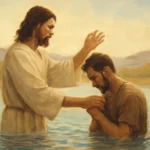
Immersion involves fully submerging the individual under water, symbolizing dying to an old life and rising to a new life in Christ. It is often associated with evangelical or Baptistic traditions and is physically dramatic and memorable. Some churches reserve immersion for believers’ baptism, while others perform it in the context of rebaptism when the church believes immersion best represents the candidate’s renewed commitment.
Pouring
Pouring (also called affusion) involves pouring water over the head. This method is common in many traditional Catholic, Orthodox, and Protestant settings, and it can be chosen for practical reasons (such as immersion not being feasible in certain facilities). In some contexts, pouring is the standard mode for baptism, including rebaptism, depending on the church’s theology and liturgical practice.
Sprinkling
Sprinkling is less common for baptism than immersion or pouring but can be found in some older liturgical traditions or certain reform communities. If it is used in the rebaptism process, it is important to understand how the church interprets its symbolism and whether it satisfies membership or doctrinal requirements.
When considering rebaptism, consult with the church leadership about which mode is preferred or required. The fundamental question is not only how the water is applied, but what the church believes the act signifies within its theological framework.
Logistics and Practicalities
Beyond theology, there are practical considerations that help ensure the experience is respectful, meaningful, and well-organized. Here are key logistical elements to keep in mind.
Who performs the baptism: In many churches, a pastor, priest, or ordained minister performs the rite. Some congregations also allow trained lay ministers in certain contexts. Confirm who is authorized to perform the rebaptism in your setting.
Venue and accessibility: Baptisms can take place in a church sanctuary, a baptismal pool, or an outdoor setting. If you have accessibility needs, discuss them ahead of time to ensure a suitable space.
Attire: Plan appropriate attire that will remain modest and respectful after the ceremony. Some people wear a robe or gown provided by the church; others wear clothing that can get wet and be easily changed.
Photography and recording: Decide in advance whether the baptism will be photographed or videorecorded, and who will have access to the footage. Respect the privacy of others who may be present.
Attendance and witnesses: Consider inviting close family and friends, while also respecting the church’s policies on who may attend and participate in the service.
Post-baptism commitments: Discuss next steps after the rite, such as church membership vows, incorporation into a small group, or enrollment in ongoing faith formation activities.
Practical planning helps reduce stress and ensures that the focus remains on the spiritual significance of the moment. Clear communication with church staff and leaders makes the process smoother for everyone involved.
Common Questions About Baptism Again
Here are some frequently asked questions that people often raise when considering rebaptism. Each answer reflects general considerations, but you should always consult your local church policies for specifics.
Is rebaptism required for membership? In some churches, yes; in others, rebaptism is optional or not required if the prior baptism is recognized as valid. Always verify with your church leadership.
Does rebaptism erase my past faith experience? No. It does not erase your earlier faith journey; it marks a new public declaration of faith within a particular community or tradition.
Can I be rebaptized if my first baptism was infant baptism? Many traditions that emphasize believer’s baptism may require a second baptism after a personal confession of faith, although some churches recognize infant baptisms under certain conditions. This varies by denomination.
What if I was baptized in a different country or church? Cross-cultural or cross-denominational considerations can influence the decision. Some churches require a reaffirmation of faith or a formal reception instead of a new baptism.
What about my family or personal implications? Discuss with your family and spiritual mentors to navigate sensitive conversations and maintain unity within your faith community.
What to Ask Your Pastor or Church
Before moving forward with rebaptism, asking the right questions can help set expectations and ensure alignment with doctrinal beliefs and church policies. Use this list as a conversation starter:
What is the church’s stance on rebaptism? Is it available, encouraged, or not practiced?
What are the requirements for rebaptism? Are there classes, testimonies, or assessments required before performing the rite?
What mode of baptism is preferred or required? Immersion, pouring, or another form?
How will rebaptism affect church membership and access to sacraments?
What is the expected length of the process? From the first meeting to the day of the baptism?
Are there spiritual or pastoral supports available after the baptism? Ongoing discipleship, mentorship, or small-group involvement?
Baptism, including a rebaptism, can evoke a range of emotions—from relief and joy to anxiety or uncertainty. Many people experience a sense of renewed identity and public commitment after the ceremony, while others may feel overwhelmed by the transition. Acknowledge your feelings as valid, and seek support from trusted mentors, family, or faith communities throughout the process. This is not merely a legal or procedural step; it is a personal moment of faith, belonging, and transformation.
Stories and Scenarios: How Rebaptism Plays Out in Real Life
Hearing about others’ experiences can illuminate what rebaptism might look like in practice. The following scenarios are generalized and anonymized to protect privacy, but they illustrate common patterns:
A person who received infant baptism in one tradition later joins a church that practices believer’s baptism and chooses baptism by immersion as a public profession of faith within that new community.
Someone who grew up in a church that places emphasis on infant baptism seeks rebaptism after a personal conversion experience and a clear desire to publicly declare renewed faith in a context that honors believer’s baptism.
A family transferring between churches discovers that the new congregation requires a baptism for membership; an adult child participates in a rite of rebaptism that aligns with the family’s renewed spiritual goals.
A believer who previously underwent a baptism in a non-baptizing tradition enters a church that recognizes baptism differently and undergoes a fresh baptism in the local church’s practice, not as a rejection of the past but as an alignment with the present faith community.
In each case, the core elements often include a personal testimony, a sense of belonging, and a shared commitment to live out faith in a supportive community. The specifics—whether it involves immersion, the date, or the accompanying membership vows—are shaped by the local church’s norms and the individual’s spiritual journey.
Ethical and Spiritual Sensitivities
When discussing rebaptism with family, friends, or church members, approach conversations with humility, openness, and respect for differing beliefs. Some faithful Christians may question the practice, while others may welcome it as an opportunity for spiritual renewal. Regardless of your stance, your aim should be to foster unity, demonstrate sincere faith, and honor the integrity of the church community you join or remain a part of. Practicing thoughtful discernment reduces confusion and supports healthy church relationships.
Final Reflections: Making a Faithful Decision
Getting baptized again is not a consumer choice or a kind of “spiritual reset.” It is a serious step that reflects a particular understanding of baptism’s significance within your current faith community. To ensure that your decision brings lasting spiritual fruit, consider the following closing thoughts:
Guard your motives: Ensure you are pursuing rebaptism for genuine faith reasons and not for external pressures or social expectations.
Seek wise counsel: Engage pastors, mentors, and trusted believers who can help you weigh the theological, pastoral, and relational dimensions of the decision.
Clarify expectations: Understand what rebaptism will and will not accomplish—especially regarding church membership, sacraments, and ministry opportunities.
Embrace the journey: View rebaptism as part of a broader journey of spiritual formation, discipleship, and community life.
In sum, getting baptized again is a multifaceted process that involves doctrinal clarity, pastoral guidance, personal conviction, and thoughtful planning. By exploring the doctrinal landscape, weighing personal motivations, and engaging with church leadership, you can approach rebaptism in a way that honors your faith history while embracing your current faith commitments. Whether you choose rebaptism as an expression of renewed faith, as a bridge between traditions, or as a formal step toward church membership, the goal remains the same: to publicly affirm your faith and to grow in your relationship with God and with a faith community that supports your spiritual journey.