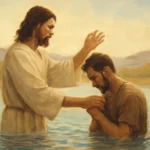
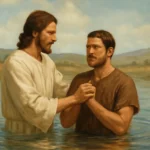
Baptism is one of the most enduring and widely practiced rites in Christian communities around the world. It marks entry into the Christian faith, signifies cleansing from sin, and often confers a sense of belonging to a local church. A central question that arises in many traditions is: who can baptize someone? The answer is complex and varies by denomination, historical development, and local practice. This article offers a comprehensive guide to baptism authority and eligibility, explaining who may baptize, under what conditions, and how these rules shape real-world worship, pastoral care, and community life. We will explore the theological foundations, the practical norms across traditions, and the situations—both ordinary and extraordinary—in which baptism may be administered.
Who can baptize someone? Defining baptism authority and its scope
Baptism authority refers to the recognized power or office within a church to administer the rite of baptism. In many Christian traditions, baptism is more than a private act; it is a sacramental or sacramental-like ceremony that communicates grace, initiates a person into the faith community, and reflects a theological belief about how God works through the church. Because baptism is loaded with meaning—conveying reconciliation, incorporation into the body of Christ, and the reception of the Holy Spirit—churches often articulate precise conditions for who is authorized to perform the rite. These conditions typically include some combination of ordination, denominational policy, explicit intent to do what the church does, and adherence to the correct form and matter (the words and the water).
Variations in practice often hinge on three related ideas: the right to officiate, the correct method (water and the Trinitarian formula, in most traditions), and the proper intention (the will to administer baptism as the church intends). Across traditions, you will encounter terms such as baptism by an ordained minister, baptism by a priest, baptism by a lay catechist in emergency, and emergency baptism when a life is at risk. These phrases signal legitimate differences about who can perform the rite and under what circumstances.
Historical foundations: how early Christians treated baptism officers
From the earliest centuries, baptism was linked to specific ministry roles within the church. In the New Testament and later patristic writings, the practice often involved bishops, presbyters (priests), and deacons serving as the ordinary ministers of the sacrament. Over time, different traditions clarified and sometimes narrowed or broadened that circle of those who could baptize. A few broad patterns emerge across the major streams of Christianity:
Bishops and priests were historically the primary ministers in many liturgical and sacramental traditions. Their leadership role carried years of theological training, apostolic continuity, and a clear sense of ecclesial authority.
Deacons and other ordained ministers sometimes performed baptisms, especially when a priest or bishop was unavailable. In some eras and places, deacons regularly baptized, while in others they did not.
Lay participants were sometimes authorized in emergencies or in certain communities, with later confirmation or reception into the church. In several branches, emergency baptism remains a recognized exception for non-ordained individuals acting in good faith.
Emergency scenarios often permit anyone with the proper intent to baptize, provided the rite is performed with water and Trinitarian formula, when the person’s life is at immediate risk and no ordained minister is available.
These historical threads continue to shape present-day policy. The exact line between “authorized minister” and “emergency helper” varies by tradition, but the underlying aim remains consistent: to preserve the integrity of the rite while extending its reach to those who seek initiation into the Christian faith.
Who can baptize someone in major Christian traditions
Catholic Church
In the Roman Catholic Church, baptism is ordinarily administered by an ordained priest or bishop, though a deacon may also perform a baptism within their role in the liturgical life of the parish. In practice, a priest or bishop will be the standard minister of baptism for both infants and adults.
Ordination and authority: The priest or bishop acts in the name of the Church and with the proper authority to administer the sacrament.
Emergency baptism: In danger of death, any person, even a non-Catholic, who intends to do what the Church does in baptism, may baptize, using the correct words and water. This emergency form preserves the belief that salvation is possible even when a baptized minister is not available, though the person who administered the rite is expected to seek to have the baptism conferred by a Catholic priest later.
Form and matter: The rite requires water and the Trinitarian formula: “I baptize you in the name of the Father, and of the Son, and of the Holy Spirit.”
The Catholic understanding emphasizes baptism as a sacrament that imparts grace and initiates a person into the Church. While priests and bishops are the normative ministers, the church recognizes that extraordinary circumstances may require other arrangements, especially when life is at stake.
In both Eastern Orthodox and Oriental Orthodox churches, baptism is traditionally administered by ordained clergy—usually bishops, priests, and, in some traditions, deacons. The sacrament is closely tied to the liturgical life of the church and is often linked with chrismation (confirmation) and the Eucharist, especially in infancy.
Normal practice: A priest or bishop administers baptism, usually with threefold immersion in water (or threefold pouring if immersion is not possible) and the invocation of the Holy Trinity.
Emergency baptism: In danger of death, a layperson may baptize with water and the Trinitarian formula, provided there is no time to obtain an ordained minister. The church still expects the baptized person to be received into the full sacramental life as soon as possible.
Role of godparents: In Orthodoxy, godparents play a distinct and meaningful role in the ongoing spiritual formation of the person being baptized, reinforcing community accountability and discipleship.
These churches view baptism as a transformative entry into the life of the Trinity and the local church, with strong continuity across generations through apostolic succession.
Anglican Communion and other historic-liturgy churches
The Anglican tradition, along with many other historic liturgical churches, holds that baptisms are typically performed by ordained clergy, though there are provisions for laypeople to assist in certain circumstances. The Anglican ethos tends to emphasize a balance between the universal priesthood of believers and the ordained ministry of the Church.
Ordained ministers: Priests (and sometimes deacons) ordinarily administer baptism in parishes, with the bishop in confirmation and renewal rites.
Household and hospital settings: In some contexts, lay ministers or licensed lay readers may assist during services or in hospital settings under diocesan guidelines.
Infant and adult baptism: Anglican practice commonly includes infant baptism, with instruction and sponsorship from parents and godparents, alongside believer’s baptism for adults in some evangelical Anglican communities.
Anglican theology maintains that baptism is a sacramental sign of God’s grace and incorporate believers into the church, while allowing a broad range of expressions within a single communion.
Baptist, Anabaptist, and like-minded evangelical traditions
Baptist and related evangelical traditions place a strong emphasis on the believer’s profession of faith and the practice of baptism by immersion upon conscious confession. In these communities, only those who have professed faith in Christ (often including personal repentance and an understanding of the gospel) may be baptized, and the rite is traditionally performed by an elected or ordained minister or by a congregation authority delegated for the purpose.
Mode of baptism: Immersion is common in Baptist circles; some groups practice pouring or sprinkling in rare cases depending on circumstances.
Authority: A pastor, elder, or a designated baptismal officer within the church typically conducts the ceremony; in some congregations, lay members may assist under the supervision of the local church.
Eligibility: Baptism follows a personal declaration of faith, often after a period of catechesis or learning about the gospel and the church’s beliefs.
In these communities, baptism is a decisive public commitment that expresses allegiance to Christ and membership in a local church body.
Lutheran, Methodist, and other mainline Protestant traditions
Most mainline Protestant churches—Lutheran, Methodist, Reformed, and others—teach that baptism is a sign of God’s grace offered to believers and their households. They typically allow infant baptism and/or baptism of adults, administered by ordained ministers or by licensed local pastors, with the local congregation playing a role in instruction and confirmation.
Ordination and authority: Ministers administer baptism, sometimes with the involvement of elders or catechists, depending on the denomination.
Dip into the local church’s catechesis: In many churches, infant baptism is followed by catechetical instruction—often culminating in confirmation or a reaffirmation of faith at adolescence or adulthood.
Form and matter: Water and the Trinitarian formula are standard; in some traditions, pouring is an accepted method when immersion is impractical.
These traditions often emphasize that baptism is both the acceptance of God’s grace and a public confession of faith, oriented toward the ongoing life of discipleship in the church.
Non-denominational and Pentecostal/charismatic communities
Non-denominational and Pentecostal groups vary widely, reflecting a range of theological emphases. In many of these communities, baptism is performed by those authorized by the church leadership, and the practice may emphasize personal testimony and the cleansing of sins through faith in Jesus Christ. Baptism by immersion is common in Pentecostal settings, especially for adult converts and those who have publicly professed faith.
Authority: Local church leadership—pastors, elders, or approved lay leaders—often perform or supervise baptisms.
Mode and symbolism: Immersion is frequently highlighted as symbolic of death to sin and rising to new life in Christ.
Emergency considerations: As with other traditions, emergency baptism is possible if life is at risk and no minister is available.
In these communities, baptism remains a powerful sign of conversion and empowerment by the Holy Spirit, with the church affirming the candidate’s new identity in Christ.
Eligibility and prerequisites for baptism: what counts as fit to be baptized?
Beyond the question of who can perform the rite, many churches spell out what the candidate must demonstrate or promise in order to be baptized. Although norms differ, several common themes recur across traditions:
Age and spiritual readiness: Some churches practice infant baptism, while others require a period of catechesis or a personal declaration of faith from older candidates.
Faith confession: Especially in believer’s baptism traditions, a credible profession of faith in Jesus Christ is a prerequisite.
Repentance and commitment: A turning away from sin and a commitment to follow Christ are often emphasized as essential for baptism.
Doctrine alignment: Some churches require alignment with the core doctrinal statements before baptism, ensuring the candidate understands and agrees with key beliefs.
Instruction and sponsorship: In many traditions, particularly those that baptize infants, parents are expected to undertake catechesis or instruction, and sponsors or godparents pledge to support the child’s faith journey.
In practice, the process tends to involve a combination of catechesis, prayer, and a public declaration. The specific requirements—whether a candidate must be able to articulate belief, participate in a class, or complete confirmation—vary by denomination and local church policy.
Two important theological anchors: form, matter, and intention
Across traditions, two elements carry particular weight when assessing the legitimacy of baptism: the form and the matter, and the intention behind the rite.
Matter: The essential physical component is water. The mode can be immersion, pouring, or sprinkling, depending on tradition, but water must be involved.
Form: The words spoken during baptism are typically a threefold invocation of the Father, Son, and Holy Spirit. In many churches, the exact formula is integral to the validity of the rite.
Intention: The minister must intend to do what the Church intends to do in baptism. In emergency contexts, the intention is presumed if the person acts with the belief that they are performing baptism.
These elements help distinguish a legitimate baptism from other ceremonial washings or rites of passage. They also explain why the question of who can baptize is not merely a question of social position but of doctrinal conformity and pastoral responsibility.
In practice, churches handle baptism in diverse settings, from traditional church baptistries to hospital wards to. outdoor rivers. Several practical issues influence who may baptize and how the ritual is conducted:
Venue: A church building with a baptismal font may privilege a priest or pastor as the main minister, whereas outdoor or hospital baptisms may involve other authorized leaders in emergency or pastoral care contexts.
Community norms: Some communities emphasize congregational participation, inviting the whole church to witness and welcome the baptized person into the faith family.
Pastoral sensitivity: Some traditions tailor baptism to the spiritual maturity of the recipient (infant, child, adolescent, or adult), including accompanying rites such as confirmation, first communion, or reception.
Liturgical form: The rite may be embedded in a full service, or it may be a shorter ceremony organized specifically for the occasion, especially in emergency or hospital settings.
When a church faces practical constraints, its leadership will often consult denominational guidelines to determine who may administer the rite and how to preserve theological integrity while extending pastoral care to the family and community.
The question of eligibility is intimately linked to whether a faith community practices infant baptism or believer’s baptism. These two streams shape who can baptize, who must be baptized, and how the baptism is integrated into the wider process of discipleship.
Infant baptism: In traditions that practice infant baptism (Catholic, Orthodox, Anglican, Lutheran, Methodist, many Reformed churches), the infant is baptized to mark inclusion in the covenant community. The parents and sponsors undertake ongoing catechesis. The actual rite is typically conducted by an ordained minister, but emergency provisions may involve lay leaders in extraordinary circumstances.
Believer’s baptism: In Baptist and many evangelical communities, baptism follows a personal confession of faith. A baptized believer is often immersed by a minister or a designated church officer who represents the local church.
Confirmation and reception: In traditions that practice infant baptism along with later confirmation (e.g., Anglican, Lutheran, Catholic), baptism is followed by a period of catechesis, culminating in the confirmatory rite. This step reaffirms the faith as the person grows in understanding and commitment.
These pathways reflect different understandings of how grace is communicated, how faith is nurtured, and how the believer enters full fellowship within the church.
Most Christian traditions recognize an emergency protocol for baptism, particularly when a person’s life is in danger and a minister is not available. In such moments, the guiding principle is that God’s grace should not be withheld due to human absence. The typical elements are clear:
Intention: The person performing the baptism intends to do what the Church does in baptism, acknowledging the Trinity and the use of water.
Matter: Water is used, symbolizing cleansing and new life.
Form: The baptismal formula is spoken, usually the words “I baptize you in the name of the Father, and of the Son, and of the Holy Spirit.”
Post-emergency steps: The baptized person is typically placed under pastoral care and instructed to receive the sacrament officially from an ordained minister as soon as possible, to complete the ecclesial process and reception into the full life of the church.
It is important to note that not all traditions treat emergency baptism identically. Some require post-baptismal confirmation, re-baptism under certain conditions, or a formal reception into the church. The specifics depend on the denomination’s theology and liturgical norms.
The question of who can baptize is inseparable from broader theological questions about grace, faith, and church identity. The rite of baptism is often described as either sacramental or symbolic depending on tradition, but most Christian communities agree that baptism signifies an entry into the life of Christ and the community that follows Him. The authority to baptize is, for many, a reflection of the church’s continuity with the apostolic era and its fidelity to the gospel proclamation:
Grace conveyed through ritual: In sacramental understandings, baptism is a means by which God’s grace is conferred, not merely a sign of belief.
Faith and consent: In believer’s baptism traditions, personal faith and repentance are the essential preconditions, and the act of baptism publicly testifies to that faith.
Ecclesial belonging: Baptism marks membership in a local church and a broader communion of communities across time and space.
Different churches interpret the relationship between the minister’s role and the baptized person’s conscience in distinctive ways, yet all agree that the rite is significant for spiritual formation and communal life.
To help readers navigate real-world situations, here are some common questions about baptism authority and how to engage with local churches and pastors:
Can a non-ordained person baptize? In emergencies, yes in many traditions, with the expectation of subsequent sacramental reception by an ordained minister. In ordinary circumstances, most churches limit baptism to ordained or designated ministers, though this varies by denomination.
What about infant baptism? If your tradition practices infant baptism, a parent or sponsor generally cannot baptize independently; the rite is typically performed by an ordained minister, with parents committing to raise the child in the faith.
Is immersion required? Some traditions emphasize immersion, while others accept pouring or sprinkling. The key is using water with the proper form and intent.
What if someone was baptized in a different tradition? Many churches approach such cases with care. Some accept baptism performed in another Christian tradition as valid if the form and intention align; others require reaffirmation or a separate baptism in their own tradition.
How does one prepare for baptism? Most churches offer catechesis or a class, a period of reflection, and guidance from a pastor or catechist to ensure a coherent understanding of faith, the meaning of baptism, and the responsibilities it entails.
Across the Christian spectrum, the question of who can baptize someone invites thoughtful discernment about church life, pastoral care, and doctrinal integrity. While the exact ministerial requirements vary, the core aims remain consistent: to welcome new believers into the faith, to enact a rite that symbolizes cleansing and new life, and to nurture a community that supports one another in discipleship. In an increasingly diverse Christian landscape, churches often emphasize clear policy, pastoral integrity, and pastoral care as they navigate the delicate balance between tradition and practical needs. When seeking baptism, it is helpful to speak with a pastor or church leader about the denomination’s rules, the local congregation’s practices, and the spiritual path that accompanies the rite.
Ultimately, the precise answer to who can baptize someone is “it depends”—but it is always tethered to the deep historical, theological, and pastoral fabric of Christian fellowship. Whether baptism is administered by an ordained bishop, priest, or pastor, or performed by a lay leader in extraordinary circumstances, the goal remains the same: to affirm that God, through Christ and by the Spirit, invites individuals into a life of faith, into the local church, and into a continuing story of grace in the world.