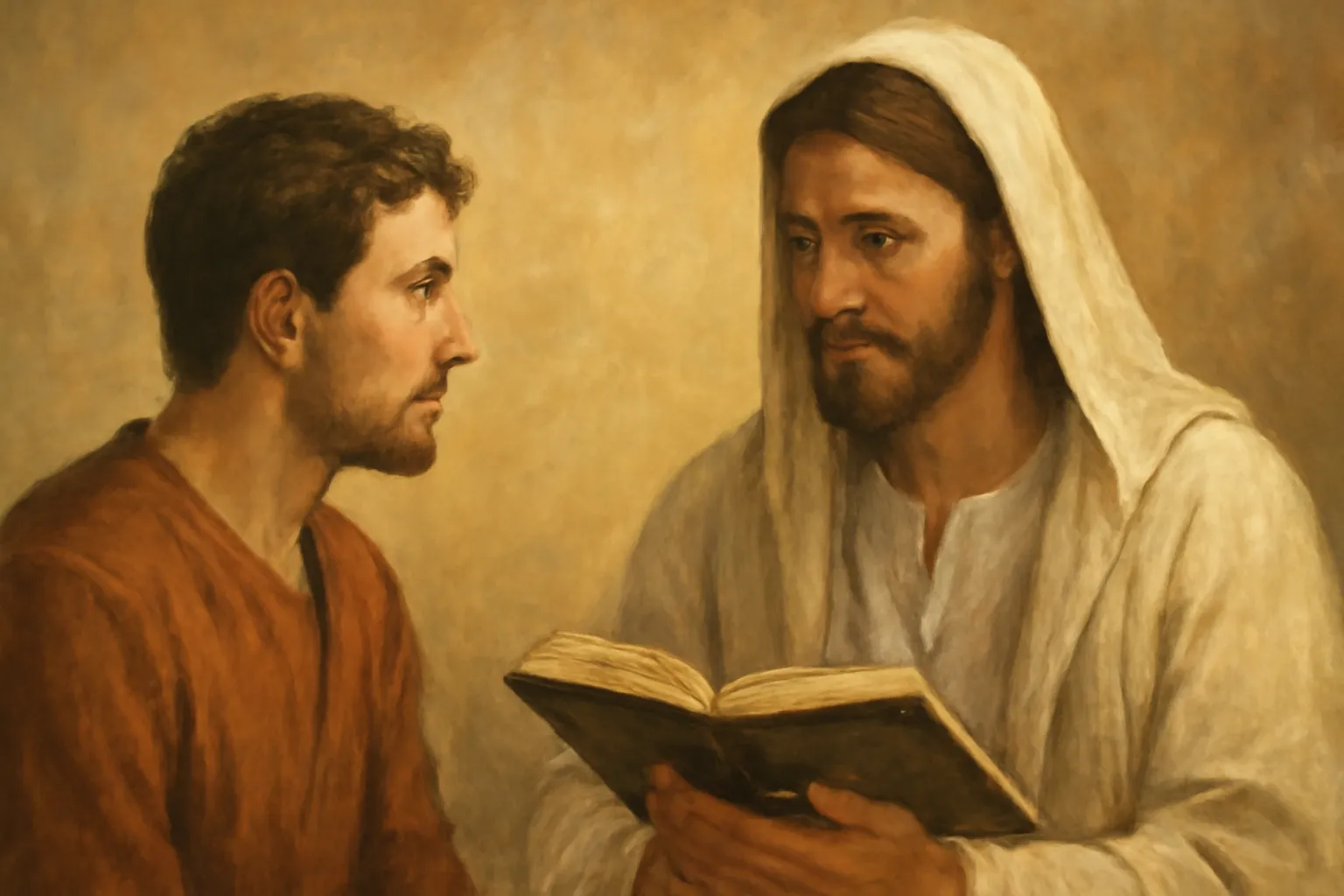
Throughout human history, people have faced pressure from others—peers, rulers, bosses, families, and communities. The Bible speaks frankly about a particular kind of pressure: the fear of man. This phrase captures the impulse to bend, hide, or compromise in response to social expectations, threats, or the opinions of others. When we fear human beings more than we fear God, our choices can be driven by people-pleasing, survival in the short term, or a need for safety at the expense of truth, justice, and obedience.
Yet the Scriptures invite us to a different posture: to anchor ourselves in trust in the Lord, to cultivate a holy boldness that does not vanish in the face of opposition, and to interpret social pressure through the lens of our identity in Christ. This article gathers a broad map of bible verses about fear of man, explains what they mean in daily life, and offers practical steps to develop courage rooted in God’s character. We will see that courage is not the absence of fear, but the presence of a larger allegiance—the allegiance to God’s promises, purposes, and daily reminders of who we are in Him.
The Biblical Frame: What Is the “Fear of Man”?
The phrase “fear of man” is a shorthand for the paralyzing concern about what people think, say, or do, which can distort judgment, hinder faith, or push us toward compromise. In Scripture, this fear is often contrasted with the fear of the Lord—a reverent trust that yields wisdom, integrity, and direction even when people oppose or misunderstand us.
The fear of man is not merely anxiety about a difficult boss or a harsh critic. It can also show up as the impulse to keep quiet when truth needs to be spoken, to avoid unpopular stands, or to silence the conscience because human approval seems more desirable than obedience to God. The Bible invites readers to examine their hearts and align their fears with divine purpose. In practical terms, that means choosing truth over status, integrity over comfort, and faith over fear when faced with social pressure.
Key Verses About Fear of Man: A Thematic Anthology
Below is a curated set of verses that address the dynamics of fearing people versus trusting in God. Each entry highlights a core truth and shows how different passages approach courage, confidence, and conviction in the face of human opposition.
The fear of man brings a snare — Proverbs 29:25 (KJV)
“The fear of man bringeth a snare: but whoso putteth his trust in the Lord shall be safe.”
This verse names the danger directly: when we fear people, we become ensnared in choices that prioritize appearances, concessions, or self-protection over truth and trust in God. The antidote is to place trust in the Lord, which leads to safety that transcends mere social stability.
Do not fear those who kill the body — Matthew 10:28 (NIV)
“Do not be afraid of those who kill the body but cannot kill the soul. Rather, be afraid of the One who can destroy both soul and body in hell.”
Here the baseline of courage is reframed: some threats from people are temporary; the more consequential concern is allegiance to God. This verse invites believers to measure social pressure against eternity and to reply with fearless honesty where God’s commands require it.
I tell you, my friends, do not fear those who kill the body — Luke 12:4-5 (NIV)
“I tell you, my friends, do not fear those who kill the body and after that can do no more. But I will show you whom you should fear: fear him who, after your body has been killed, has authority to throw you into hell.”
Luke echoes the Matthew passage with a pastoral emphasis: the most important fear is rightly oriented toward God, whose authority extends beyond this life. In practice, this means choosing truth-telling, even when it invites social or professional risk.
The Lord is with me; I will not fear — Psalm 118:6 (NIV)
“The Lord is with me; I will not be afraid. What can mere mortals do to me?”
This psalm reflects a stance of confidence grounded in divine companionship. When human voices press in, the faithful can reply with the assurance that God’s presence outweighs any earthly threat.
For God gave us a spirit not of fear — 2 Timothy 1:7 (ESV)
“For God gave us a spirit not of fear but of power and love and self-control.”
The Spirit’s work within believers redefines fear. It empowers with power, motivates in love, and cultivates self-control—internal resources that enable brave, faithful living in the face of critics, opposition, or pressure.
Trust in the Lord with all your heart — Proverbs 3:5-6 (NIV)
“Trust in the Lord with all your heart and lean not on your own understanding; in all your ways submit to him, and he will make your paths straight.”
While not exclusively about the fear of man, this passage articulates a path away from human-centered anxiety: trust God wholly, seek His guidance, and allow Him to direct your steps even when people push you toward a different course.
The fear of the Lord is the beginning of wisdom — Proverbs 9:10 (NIV)
“The fear of the Lord is the beginning of wisdom, and knowledge of the Holy One is understanding.”
The fear of the Lord is not a fear of punishment but a reverent orientation that shapes decisions. When this is present, the fear of man loses its controlling power, because wisdom clarifies where true safety and flourishing come from.
There is no fear in love — 1 John 4:18 (NIV)
“There is no fear in love. But perfect love drives out fear, because fear has to do with punishment. The one who fears is not made perfect in love.”
While spoken to a broader context about God’s love, this verse points to the transformative dynamics of divine love in us—courage that overcomes fear, including the fear of human judgment, rejection, or coercion.
Bold as a lion — Proverbs 28:1 (NIV)
“The wicked flee though no one pursues, but the righteous are as bold as a lion.”
This proverb links moral integrity with fearless posture. It suggests that a life shaped by righteousness can exhibit courage under pressure, not fear-driven retreat.
Courage in Esther, Daniel, and the Prophets
Though not every chapter is a single verse, the stories of Esther, Daniel, and the prophetic books illustrate a pattern: ordinary people facing extraordinary social risk, choosing fidelity to God over conformity to oppressive norms. These narratives encourage believers to risk discomfort for the sake of truth, protection of the vulnerable, or preservation of integrity.
Paradox and Practice: The Fear of the Lord vs. the Fear of Man
A central biblical theme is the alignment of our fears. The fear of the Lord is not a fear that paralyzes; it is a reverent awe that produces wisdom, courage, and moral clarity. When we cultivate this fear, the fear of man loses its grip because we have a more reliable compass. The practical question becomes: how do we deepen our reverent awe of God in daily life so that social pressures lose their power to derail us?
Dimensions of the Fear of the Lord
Reverent obedience: choosing to obey God even when it costs popularity or comfort.
Humility before God: recognizing our dependence on Him rather than on human approval.
Trust in divine promises: resting in God’s character and declared purposes rather than chasing the applause of people.
Practical Ways to Overcome Fear of Man
Confronting the temptation to fear human opinions involves concrete steps. The following practices help cultivate a biblical courage that endures in both private and public life.
Pray for courage and grace to speak truth with love, even when it costs you socially. Prayer invites the Spirit to reframe fear and fill you with a conviction that remains steady under pressure.
Recall your identity in Christ: you are beloved, adopted, and chosen. When you remember who you are in Him, the need for human validation often diminishes.
Meditate on key verses and let them shape your instincts. Create a personal list of verses like the ones above and recite them in moments of anxiety or when facing crowds, committees, or decision-makers.
Practice small acts of courage: begin with low-stakes scenarios—speaking up in a meeting with kindness, defending someone who is vulnerable, or stating a belief with respectful firmness. Each step builds spiritual muscle.
Seek wise counsel: surround yourself with trustworthy mentors who model godly courage and provide accountability without judgment.
Stand with truth in love: courage is not rudeness; it is a truthful posture that honors both God and neighbor.
Engage in creative resistance where possible and appropriate—advocating for justice, defending the marginalized, and choosing ethical paths when easier routes exist.
Regular worship and contemplative time to recalibrate allegiance away from crowds toward God.
Scripture memorization focused on verses about trust, courage, and divine protection.
Confession and accountability—sharing struggles with trusted brothers or sisters to prevent fear of man from spiraling into isolation or deception.
Stories of Courage: Biblical Examples and Lessons
The Bible offers concrete stories where individuals refused to bow to fear of man and faced real consequences with God’s help. These narratives become templates for believers navigating moral dilemmas in today’s workplace, school, or public square.
David and Goliath: Courage in the Face of a Formidable Audience
David’s decision to face the Philistine giant in the presence of armies and spectators demonstrates an unwavering focus on God’s sovereignty rather than the crowd’s fear. He did not outsource courage to others; he activated it through faith in God’s promises and in His past faithfulness.
Esther: Courage in the Royal Court
Esther’s brave choice to approach the king and reveal her people’s danger shows that fear of man can be confronted when it’s accompanied by intentional discernment, risk assessment, and a purpose that transcends personal safety.
Daniel: Integrity in a Culture of Compromise
Daniel’s public witness in Babylon—refusing to bow to political pressure or cultural concessions—illustrates steadfast devotion, informed courage, and the power of prayerful resilience even under the threat of persecution.
The Role of the Community: Courage Is Often Cultivated, Not Only Encountered
The Bible often presents courage as a communal discipline as well as an inner conviction. When Christians gather for prayer, study, and accountability, they reinforce one another’s resolve to resist the fear of man. A healthy community can model courageous discernment, encourage honest conversation, and provide practical support for standing up for truth in complex social environments.
The fear of man describes being ruled by human opinion, fear of rejection, or the pressure to conform to others’ expectations at the expense of obedience to God.
Is it wrong to fear people at times?
Feeling concern about others can be natural, but the biblical issue is whether fear of people governs decisions more than respect for God and biblical truth. Growth happens when fear of man is replaced by a stronger trust in the Lord.
How can I start overcoming fear of man today?
Begin with small but deliberate steps: memorize a key verse, pray for courage, share a gently honest truth in a respectful setting, and seek accountability from a trusted friend or mentor who can pray with you and keep you accountable.
Find Courage in God
The Bible speaks with clarity about the tension between fear of man and the courage that comes from trust in God. While social pressures are a universal human experience, believers are invited to subordinate those pressures to the higher allegiance of faithfulness to God. The verses above offer a roadmap: trust in the Lord, remember God’s faithfulness, and cultivate a life where love, power, and self-control shape everyday decisions. When you face people’s opinions, let the fear of the Lord—rooted in covenant faith—inform your courage. In this posture, you discover a resilience that endures trials, defies intimidation, and radiates calm, truthful love in a world that often rewards conformity over conviction.
If you are navigating a specific situation—whether at work, school, or in your family—consider journaling through these prompts:
What fears arise when I think about speaking truth or taking a stand?
Which verse most directly addresses that fear, and how can I apply it today?
Who can I invite into accountability to pray with me and support me as I move toward courage?
Remember, courage grounded in God is not a personality trait reserved for a select few; it is a character shaped by daily faithfulness, sincere prayer, and a deepening sense of belonging to God’s family. As you grow in your understanding of the fear of the Lord and in obedience to His voice, you will likely find that the fear of man loses its grip, and you become freer to live in truth, love, and bold mercy toward others.
For further study, consider expanding beyond the verses listed here by exploring biblical characters who faced pressure and how their stories reflect the same trajectory: from fear to fearless faith, from self-protective retreat to courageous witness. The Holy Spirit’s work in your life can transform fear into a steadfast peace, even when circumstances remain challenging. May you find in God the courage that sustains you through every social test, every moment of pressure, and every opportunity to testify to the hope you have in Jesus.