Baptism by immersion is a foundational practice across many Christian communities, signaling a deliberate act of faith and belonging. In this article, we explore the meaning, the rituals, and the frequently asked questions surrounding immersion baptism, sometimes called believer’s baptism, full-immersion baptism, or water baptism by immersion. We will trace how this mode of baptism has been understood, how it is performed in different traditions, and what it communicates about faith, community, and the life of a believer.
The central idea behind baptism by immersion is that the believer publicly identifies with Jesus Christ. By being submerged in water, the follower symbolically participates in the death of the old life of sin, is buried with Christ in the water, and emerges to walk in a new life, raised with Christ in resurrection. This dramatic physical gesture is intended to convey a profound spiritual reality: faith that Jesus died for sin, rose for new life, and now calls the believer to live in him. The act is often described in these terms:
Death to sin and a turning away from former patterns of behavior.
Burial with Christ in the water, representing the end of the old self.
Rising to new life with Christ, symbolizing resurrection and renewed purpose.
In many traditions, the emphasis is on believer’s baptism—that is, baptism after a conscious profession of faith. This is contrasted with other modes of baptism, such as sprinkling or pouring, which some churches use for infant baptism or in situations where immersion is impractical. The phrase by immersion highlights the physical method of submersion as a means of enacting the theological meaning. For some churches, immersion is an essential criterion for baptism; for others, it is one valid option among several. The common thread, however, is the public confession of faith and entrance into the life of the church through baptism.
Historical and Theological Foundations
The practice of baptism has deep roots in the life of the early church. The Greek term for baptism is baptizein, literally meaning to dip, plunge, or immerse. This linguistic nuance has informed much of the discussion about suitable modes of baptism. The earliest Christian witnesses describe John the Baptist as washing people in the Jordan River, a baptism of repentance that prepared the way for the Messiah. When Jesus was baptized by John, the event became a powerful model for how his followers would undergo baptism: in water, under the authority of God, and as a public sign of faith.
Throughout church history, the question of mode—whether immersion, pouring, or sprinkling—has been shaped by biblical interpretation, liturgical practice, and ecclesial tradition. In the neo-Pentecostal and Baptist streams, believer’s baptism by immersion has often been presented as normative. In the Eastern Orthodox and Catholic traditions, infant baptism has been central, and immersion can occur in part or in whole, depending on local custom and the theology of the church. Some Anglican and Methodist communities practice infant baptism but also perform believer’s baptism by immersion when a credible profession of faith is later made. The spectrum reflects a broad conviction: baptism is a sacred act of obedience and transformation, but the way it is performed varies in line with doctrinal emphasis and pastoral context.
Scholars and theologians frequently note that the mode of baptism is not a sacrament in and of itself, but rather a visible sign of an inward grace or commitment recognized by the church. In this sense, immersion is meaningful as a ritual instrument that communicates truth about conversion, faith, and community. The argument for immersion is strengthened by scriptural passages such as Romans 6:3–4 and Colossians 2:12, which describe believers dying and being raised with Christ through baptism. While these passages are interpreted in different ways across traditions, the underlying message remains a shared conviction: baptism marks a decisive turn in the life of a follower of Christ.
Believer’s baptism by immersion as the standard in many Protestant and evangelical communities.
Infant baptism by immersion in some congregations, though more commonly by pouring or sprinkling in others.
Affusion or pouring as a primary mode in many liturgical churches when immersion is impractical.
Partial or full immersion depending on the location (font, river, or baptismal pool) and the size of the candidate.
Ritual Practices and Variations
Rituals surrounding immersion baptism are shaped by doctrinal norms, local customs, and practical considerations. Below, we outline common elements and some notable variations you might encounter in different Christian communities.
Core Steps in a Typical Immersion Ceremony
Preparation: Candidates often engage in teaching, prayer, and a personal profession of faith. A sponsor or godparent-like figure may accompany the candidate in some traditions.
Confession and testimony: A public declaration of faith or brief testimony about the decision to follow Jesus is commonly shared before the immersion.
Wording and formula: The minister may declare the baptism in the name of the Father, the Son, and the Holy Spirit, following Matthew 28:19, or may use an alternative formulation aligned with their church’s theology.
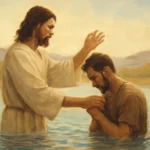
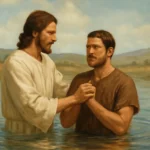
Immersion: The candidate is fully immersed in water, typically in a baptismal font, a river, or a designated pool. The action symbolizes death to the old life, burial with Christ, and the resurrection to new life.
Prayer and welcome: After the immersion, a prayer is offered, and the new member is welcomed into the church community through a formal greeting, membership vows, or a blessing.
Places and Variations in Setting
Baptismal font inside a church building, used for indoor ceremonies.
Outdoor rivers or pools for a natural setting that echoes the biblical Jordan experience.
Temporary or portable facilities that allow a congregation to accommodate large numbers or special occasions.
In-home or small-group settings in communities that emphasize intimate, faith-sharing environments.
Infant Baptism vs. Believer’s Baptism
The question of whether infants can be baptized by immersion is debated. In traditions that practice infant baptism, immersion is sometimes reserved for those who can articulate a personal confession of faith, so infants may be dedicated or baptized by pouring or sprinkling with the water as a sign of cleansing and grace. In contrast, believer’s baptism emphasizes a conscious, voluntary decision to follow Christ, making immersion the typical method for those who can profess faith. Some communities maintain that faith, repentance, and a desire to be identified with Christ are prerequisites for baptism, regardless of age, and thus adult or adolescent baptism by immersion is common, while infant ceremonies may be conducted with alternative water practices.
Symbolism and Spiritual Significance
Beyond the physical act, immersion baptism carries layered symbolism that resonates with the Christian story and the life of the church. The symbolism is both personal and communal, inviting the individual to participate in the ongoing narrative of God’s people.
Death, burial, and resurrection are the most widely cited motifs. The person going under the water represents dying to the old life of sin and self-reliance; being buried beneath the surface signifies that old patterns are laid to rest; emerging from the water symbolizes resurrection, new life, and the beginning of a transformed journey in faith. This triadic symbolism mirrors the gospel’s core arc—the cross, the tomb, and the empty tomb—recast in the moment of baptism as a living testimony.
Identification with Christ and with the church also figure prominently. Immersion announces to the world that the believer has been united with Christ in his death and resurrection and that they now belong to the body of Christ, the church. In many traditions, baptism is followed by a formal welcome into a local congregation, reinforcing the social and ecclesial dimension of the rite.
Water itself serves as a symbol with multiple readings. It is cleansing, a sign of new birth, and a reminder of the Spirit’s renewing work. Depending on the theological lens, water can also evoke renewal within the covenant community, the washing of sins, and the ongoing need for purification in the life of faith. In some churches, the baptismal water is blessed or sanctified by the presiding minister, underscoring the sense that the rite involves the grace of God active in the assembly.
Public profession of faith as a witness to friends, family, and the faith community.
Church membership or restoration of standing, depending on tradition.
Liturgy and music can accompany the ceremony, making it a meaningful liturgical moment rather than a private act alone.
Practical Considerations and Settings
For those considering baptism by immersion, several practical questions arise. The following considerations help individuals and congregations plan respectfully and safely for this sacred rite.
Eligibility: In most traditions, baptism by immersion follows a personal confession of faith and readiness to join the church community. Some churches require instruction or faith commitments before baptizing a candidate.
Age and readiness: Age guidelines vary. Some communities baptize adolescents or adults who demonstrate a clear understanding of the faith, while others may baptize younger children after a faith declaration and parental consent.
Location and logistics: Immersion can occur in a church baptismal font or at a natural body of water. Safety, temperature control, and accessibility are important considerations for both participants and observers.
Clothing and modesty: Special attire, such as white garments or robes, is common in many churches to symbolize purity and new life. In outdoor settings, dry clothing and towels are essential.
Frequency and seasons: In some church calendars, baptism is a seasonal event tied to liturgical rhythms (for example, during Eastertide), while in others, it takes place year-round as candidates profess faith.
Pastoral and Ecumenical Considerations
Pastors and church leaders often emphasize the pastoral pastoral care surrounding baptism. Because baptism is both a personal commitment and a public act, it is typically accompanied by spiritual guidance, mentoring, and ongoing discipleship. Conversations about mode and eligibility can reflect broader ecumenical sensibilities. Some churches welcome other traditions to participate in the baptismal rite in an interdenominational context, while others maintain strict denominational boundaries around how baptism by immersion is administered. The overarching aim remains the same: to honor God, to witness to the gospel, and to build a faithful and loving community of believers.
Frequently Asked Questions
Here are answers to common questions people bring to discussions about immersion baptism. This section uses concise explanations that reflect the spectrum of Christian practice while highlighting core theological themes.
What exactly is baptism by immersion?
Baptism by immersion is the act of being fully submerged in water as a ceremonial enactment of faith in Jesus Christ, followed by a rise from the water to symbolize new life. The immersion represents death to the old self, burial with Christ, and resurrection to new life. The exact words spoken, the location of the ceremony, and the hands-on protocol vary by tradition, but the essential imagery remains consistent: identification with Christ’s death and resurrection.
Who should be baptized by immersion?
In traditions that practice believer’s baptism, immersion is reserved for those who have consciously confessed faith in Jesus and can articulate that faith. Some communities also baptize children or infants by immersion, though more commonly they practice infant baptism by pouring or sprinkling. In many churches, baptism by immersion is a personal milestone, often preceded by instruction, prayer, and a profession of faith.
Is immersion required for salvation?
The answer to this question varies by tradition. Some schools of thought teach that baptism is essential for incorporation into the church and the Christian life, while others emphasize salvation by grace through faith and view baptism as a symbolic act that follows a genuine conversion. In many Protestant communities, baptism is an important obedience to Christ’s command, but not a condition for salvation. Catholics and Orthodox Christians often distinguish between the sacramental value of baptism and the broader process of salvation, with baptism as the initial sacrament of entry into the Christian life.
Can infants be baptized by immersion?
This depends on the tradition. Some churches practice infant baptism by immersion if immersion is considered the preferred mode; others administer infant baptism by pouring or sprinkling. In traditions emphasizing infant baptism, the act often emphasizes God’s grace given to the child and the covenantal community, rather than the child’s personal confession at that moment.
What about re-baptism?
Re-baptism occurs in some communities when a person has not previously experienced a credible profession of faith or when a prior baptism did not align with the beliefs of the baptizing church. In other traditions, baptism is considered valid as long as it followed an authentic faith declaration, and re-baptism is discouraged. If a person switches church traditions, the question of whether to be baptized again is typically reviewed by the new church leadership.
Where does immersion typically take place?
Common settings include a church baptismal font, a baptismal pool, a river, or a specially prepared outdoor pool. The choice often reflects the tradition’s theology, the weather, and the available space. Outdoor immersion can evoke biblical imagery of the Jordan River, while indoor immersion tends to emphasize liturgical order and accessibility.
What should I expect in terms of duration and pace?
The ceremony itself is usually brief, ranging from 5 to 15 minutes, depending on the style of the church and whether there are additional testimonies, songs, or prayers. The duration can be longer in outdoor settings or as part of a larger service prioritizing worship and community vows.
How should a candidate prepare for immersion baptism?
Preparation often includes doctrinal instruction, a personal declaration of faith, and conversations with church leadership about the candidate’s beliefs and commitments. Some churches provide a baptism class or mentor for prospective candidates to discuss faith, repentance, and the life of discipleship. Spiritual preparation may involve prayer, scripture study, and participation in the church community as a member in training for baptism.
Is immersion available to people with health concerns or disabilities?
Many churches adapt the practice to ensure safety and accessibility. In some cases, partial immersion or a different water-related ceremony may be chosen to honor the person’s health needs while preserving the symbolic meaning of baptism. Pastoral leadership often works with the candidate to find a respectful and safe approach.
As you study different Christian traditions, you may encounter subtle differences in how immersion baptism is viewed and enacted. Some communities emphasize a strong evangelical emphasis on personal conversion, with baptism seen as a decisive public declaration of faith. Other communities emphasize a liturgical or sacramental understanding, where baptism is the entry point into a life within the church’s sacramental life. Still others hold to a strong sense of covenantal grace, where baptism is an initiation into a corporate covenant community, with ongoing formation and discipleship as essential components.
In all cases, the practice centers on the conviction that a person’s public identification with Christ is meaningful, visible, and binding within a community of believers. The language may vary—“being baptized,” “going under water,” “being dipped in the pool”—but the underlying aim remains: to honor God, to testify to the gospel, and to invite others to participate in the life of faith. The practice of immersion baptism, then, is not merely a historical custom; it is a living expression of a believer’s journey and a church’s duty to make disciples.
For those exploring baptism by immersion, consider how the rite fits within the broader trajectory of Christian formation. It is a step in a lifelong voyage of faith, baptismal identity, and communal belonging. Whether you are drawn to water baptism by immersion in a serene font or in a powerful river, the core invitation is consistent: to surrender to Christ, to join a faith family, and to walk in new life under the guidance of the Holy Spirit.