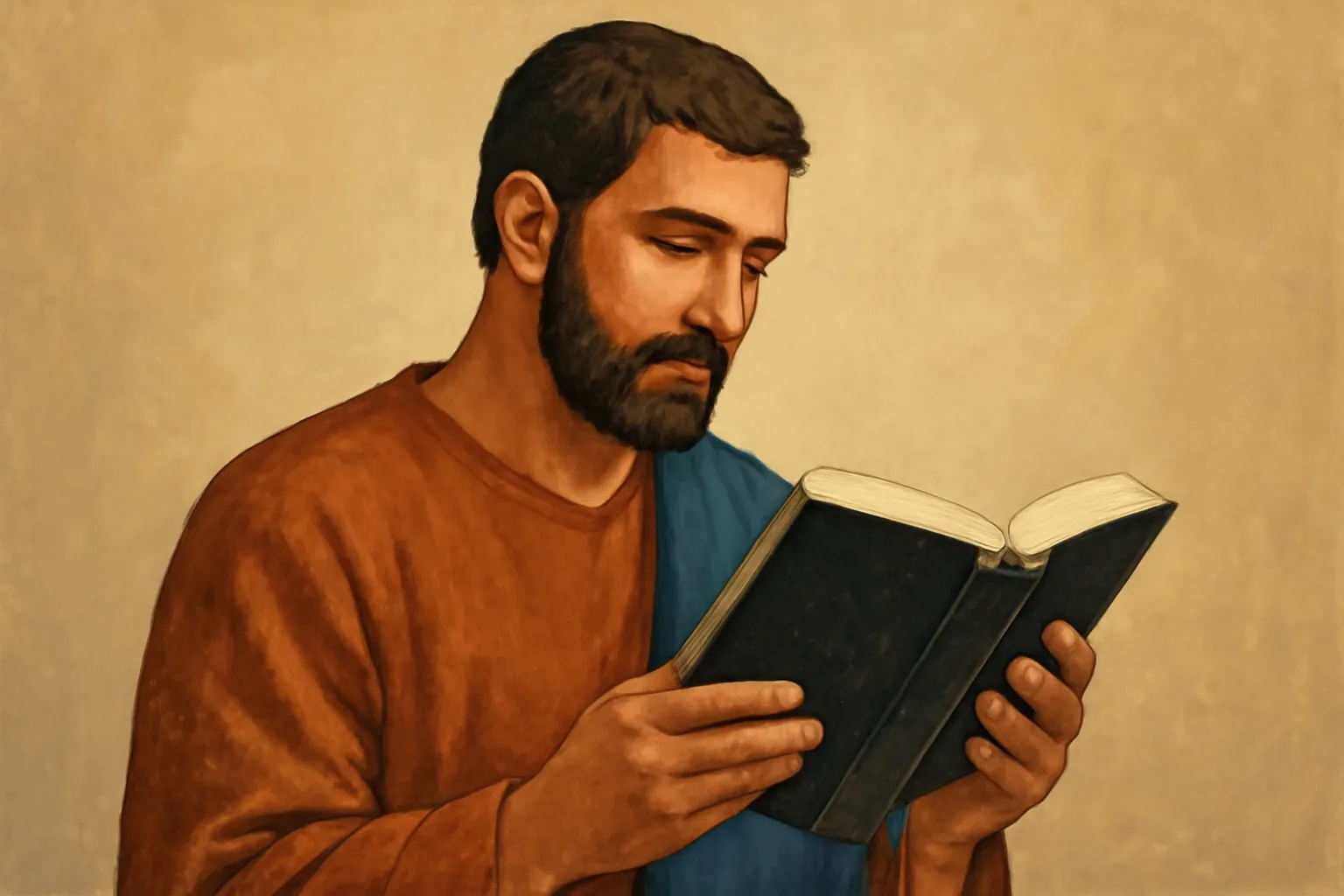
Bible Verses About Godly Men: Scriptures for Righteous Living
In Scripture, a godly man is defined not by outward status alone but by the posture of the heart before God. He is characterized by reverence for the Lord, steadfast integrity, gentle strength, and a life that influences others toward righteous living. This article gathers a broad spectrum of biblical verses—from the wisdom of the Old Testament to the teachings of the New Testament—to illuminate what it means to be a godly man today. We will explore foundational attributes, notable examples, and practical applications that help men cultivate a life marked by faithfulness, courage, and service in daily living.
What makes a godly man?
The Bible presents several core traits that consistently appear in discussions of a godly man. These traits form a practical framework for daily decisions, relationships, and leadership. Below is a concise guide to the attributes most often highlighted in Scripture, with representative verses to study and reflect on.
Fear of the Lord and reverence for God as the foundation of life.
Integrity in conduct, speech, and motives, regardless of surroundings.
Wisdom sought from God and lived out through discernment and humility.
Self-control and meekness rather than harshness or violence.
Steadfast faith under pressure, with perseverance in trials.
Loving leadership that serves others, protects the vulnerable, and honors God.
Humility and teachability—a readiness to learn, grow, and admit faults.
Compassion and generosity toward family, neighbors, and the church.
The verses that follow expand on these core traits, showing how righteous living expresses itself in thought, word, and deed. Readers will encounter a mix of admonitions, promises, and examples that illuminate the path for men who desire to honor God in every sphere of life.
Key verses about godly men
Foundational verses: recognizing the godly life
The following verses establish the biblical picture of a godly man and a life aligned with God’s design.
Psalm 1:1-3 (KJV): “Blessed is the man that walketh not in the counsel of the ungodly, nor standeth in the way of sinners, nor sitteth in the seat of the scornful. But his delight is in the law of the Lord; and in his law doth he meditate day and night. And he shall be like a tree planted by the rivers of water, that bringeth forth his fruit in his season; his leaf also shall not wither; and whatsoever he doeth shall prosper.”
Takeaway: A godly man avoids the company of evil influences, meditates on God’s Word, and bears fruit in due season.
Psalm 37:37 (KJV): “Mark the perfect man, and behold the upright: for the end of that man is peace.”
Takeaway: God honors a life marked by integrity and uprightness, leading to lasting peace.
Proverbs 3:5-6 (KJV): “Trust in the Lord with all thine heart; and lean not unto thine own understanding. In all thy ways acknowledge him, and he shall direct thy paths.”
Takeaway: Trusting God wholeheartedly shapes wise, righteous decisions.
Proverbs 16:32 (KJV): “He that is slow to anger is better than the mighty; and he that ruleth his spirit than he that taketh a city.”
Takeaway: Temperance and self-control are signs of true strength.
Proverbs 22:29 (KJV): “Seest thou a man diligent in his business? he shall stand before kings; he shall not stand before mean men.”
Takeaway: diligence in daily work opens doors for leadership and influence.
The patriarchs and prophets provide vivid portraits of godly manhood in a challenging world. Their stories show both triumphs and flaws, yet they point toward a life lived under God’s guidance.
Job 1:1 (KJV): “There was a man in the land of Uz, whose name was Job; and that man was perfect and upright, and one that feared God, and eschewed evil.”
Takeaway: A godly man fears God, shuns evil, and lives with integrity in the face of hardship.
Daniel 6:3 (KJV): “Then this Daniel was preferred above the presidents and princes, because an excellent spirit was in him: and the king thought to set him over the whole realm.”
Takeaway: An excellent spirit—a blend of wisdom, faith, and humility— earns trust and favor.
2 Chronicles 16:9 (KJV): “For the eyes of the Lord run to and fro throughout the whole earth, to show himself strong in the behalf of them whose heart is perfect toward him.”
Takeaway: God actively supports those whose hearts are wholly devoted to Him.
Joshua 1:8 (KJV): “This book of the law shall not depart out of thy mouth, but thou shalt meditate therein day and night, that thou mayest observe to do according to all that is written therein: for then thou shalt make thy way prosperous, and then thou shalt have good success.”
Takeaway: Regular engagement with God’s Word sustains righteous living and fruitful leadership.
1 Samuel 2:26 (KJV): “And the child Samuel grew on, and was in favour both with the Lord, and with men.”
Takeaway: A godly life earns both divine approbation and human respect.
Job 29:2-6 (KJV) and related passages portray Job’s earlier standing: a life of blessing and responsibility before God and people, exemplifying practical righteousness in leadership and care for others.
New Testament guidance: disciplined leadership and godly character
The New Testament broadens the portrait of godly manhood beyond personal virtue to include communal leadership, family responsibilities, and apostolic example.
1 Timothy 6:11-12 (KJV): “But thou, O man of God, flee these things, and follow after righteousness, godliness, faith, love, patience, meekness.”
Takeaway: The man of God is defined by pursued virtues and a proactive stance against temptation.
2 Timothy 4:7-8 (KJV): “I have fought a good fight, I have finished my course, I have kept the faith: Henceforth there is laid up for me a crown of righteousness…”
Takeaway: Endurance in faith yields eternal reward for the faithful man.
1 Corinthians 4:2 (KJV): “Moreover it is required in stewards, that a man be found faithful.”
Takeaway: Faithfulness is a non-negotiable responsibility for those entrusted with leadership and influence.
Hebrews 13:18 (KJV): “Pray for us: for we trust we have a good conscience, in all things willing to live honestly.”
Takeaway: Transparency and integrity in leadership invite accountability and growth.
Ephesians 5:25-28 (KJV): “Husbands, love your wives, even as Christ loved the church, and gave himself for it… So ought men to love their wives as their own bodies.”
Takeaway: True strength in a godly man is expressed through sacrificial, enduring love within marriage.
1 Peter 3:7 (KJV): “Likewise, ye husbands, dwell with them according to knowledge, giving honour unto the wife, as unto the weaker vessel, and as being heirs together of the grace of life; that your prayers be not hindered.”
Takeaway: Respect, knowledge, and shared grace are essential to godly marital leadership.
Colossians 3:12-14 (KJV): “Put on therefore, as the elect of God, holy and beloved, bowels of mercies, kindness, humbleness of mind, meekness, longsuffering; forbearing one another, and forgiving one another; and above all these things put on love…”
Takeaway: Christian character is a unified wardrobe of virtue, with love as the perfect binding.
James 3:17-18 (KJV): “But the wisdom that is from above is first pure, then peaceable, gentle, and easy to be entreated; full of mercy and good fruits…”
Takeaway: Godly wisdom manifests in peaceable, merciful, and constructive action.
Practical applications: living as a godly man today
The Bible’s portrait of a godly man provides not only inspiration but a practical blueprint for daily life. Below are actionable steps grounded in Scripture that you can apply in families, workplaces, and communities.
Center every decision on the Lord: Begin with prayer and seek God’s guidance in small and large choices. Verse echo: Proverbs 3:5-6.
Guard your heart and mind: Avoid corrosive influences; cultivate environments that encourage virtue—reading, worship, accountability, and fellowship.
Cultivate practical wisdom: Study God’s Word, seek wise mentors, and practice discernment in competing values.
Model integrity in leadership: Do what is right even when it’s costly; be trustworthy in finances, work, and commitments.
Nurture healthy relationships: Love and respect your spouse, lead your children with gentleness, and treat others with patience and mercy.
Practice self-control: Manage anger, impulses, and pride; develop habits that keep your spirit in check (Proverbs 16:32).
Pursue service and sacrifice: Follow Christ’s example of laying down one’s life for others (Ephesians 5:25-28).
Build a culture of mentorship: Invest in younger believers; share stories of triumphs and trials to equip the next generation.
In addition to personal practices, consider these concrete rhythms:
Daily devotion with a brief time of reading, reflection, and prayer.
Weekly accountability with a trusted brother or mentor to discuss struggles and growth.
Monthly acts of service—whether in the church, neighborhood, or workplace—that demonstrate God’s love in action.
Annual evaluation of habits in areas like finances, health, and family life, with adjustments guided by Scripture.
Examples and insights: studying godly men in scripture for contemporary application
Individual profiles: character sketches that speak to us today
By looking at specific biblical men, we gain nuanced insight into how godly character shows up in different life circumstances. These reflections are not exhaustive biographies but springboards for personal reflection and growth.
Job as a model of steadfast faith under trial. Though tested, he remained morally upright and anchored in his relationship with God. Consider how a godly man remains posture-ready—humble, teachable, and reliant on God when life’s questions deepen.
Daniel as a case study in integrity under pressure. Even when kingdoms demanded loyalty to foreign powers, his fidelity to God and excellent spirit opened doors while preserving conscience.
Joseph demonstrates providence through hardship; his example invites us to trust God’s redemptive work and to act with grace toward others, even in injustice.
David embodies courageous faith and sincere repentance. He shows that godly leadership includes both bold trust in God and humility before Him.
Paul models missionary vigor, doctrinal depth, and pastoral care. His life challenges us to endure hardship, preserve the gospel, and love the church with self-forgetting devotion.
Jesus as the ultimate model of godliness. While not every verse describes Him as a «man» in the same sense as other examples, His humanity and perfect obedience set the standard for all men who seek to follow God in truth and gentleness.
Other important verses that shape the image of a godly man
In addition to the core passages above, several verses illuminate other facets of godly manhood—leadership, family, and the pursuit of righteousness in everyday life.
Psalm 34:14-15 (KJV): “Depart from evil, and do good; seek peace, and pursue it. The eyes of the Lord are upon the righteous, and his ears are open unto their cry.”
Romans 12:17-21 (KJV) offers a New Testament ethics of non-retaliation and overcoming evil with good, guiding a godly man’s response to conflict.
Colossians 3:12-14 (KJV) again emphasizes compassion, humility, and above all, love as the binding virtue of a godly life.
Isaiah 33:6 (KJV): “And wisdom and knowledge shall be the stability of thy times, and strength of salvation: the fear of the Lord is his treasure.”
Proverbs 27:17 (KJV): “Iron sharpeneth iron; so a man sharpeneth the countenance of his friend.”
1 Peter 3:7 (KJV) again highlights honoring one’s wife and living with knowledge as a reflection of godly leadership.
Common questions about godly men and scriptural guidance
What makes a man godly apart from outward success?
A godly man is defined primarily by the inward alignment of the heart with God—fear of the Lord, obedience to His Word, and a life marked by integrity and love toward others.
How can men grow in godliness in a busy, modern world?
Regular time with Scripture, prayer, accountability with fellow believers, and opportunities to serve others create sustainable growth. The emphasis is on consistency, not perfection.
Is godliness compatible with ambition?
Yes—biblical godliness often includes bold, constructive ambition that seeks to steward gifts for the good of others and the glory of God (Proverbs 22:29; Philippians 2:3-4 speaks to humility in the context of leadership).
living out the verses daily
The Bible’s portrayal of godly men is not a static picture from antiquity but a living invitation to emulate a life oriented toward God. Verses about the fear of the Lord, integrity, wisdom, and steadfast faith provide a robust framework for daily living. When men internalize these truths, their lives become examples that bless families, strengthen churches, and bless communities. This is not merely an esoteric set of rules; it is a pathway to righteous living that endures through trials and flourishes through obedience.
As you study these verses, consider journaling reflections on how each passage speaks to your own circumstances. Pray for the Lord to reveal areas of growth and to strengthen you with wisdom, courage, and grace. In the end, the goal is not merely to imitate certain behaviors but to cultivate a heart that loves God, honors others, and bears witness to the goodness of the gospel in every aspect of life.