In the broad landscape of Christianity, the practice commonly known as baptism serves as one of the most visible and enduring expressions of faith. As a symbolic act, it binds a person to the Church and to the person of Jesus Christ, while also bearing a distinctive meaning within different traditions. Across centuries and cultures, Christians have understood baptism as a response to grace, a sign of repentance and commitment, and a public confession of belief. While there are diverse interpretations of its meaning and efficacy, most branches of Christians still regard baptism as a foundational rite that inaugurates the spiritual life of the believer.
In many streams of Christian thought, baptism is described as a sacrament or a divinely instituted practice that reflects the work of God in the life of a person. Some traditions call it an ordinance, emphasizing obedience to Christ’s command rather than a channel of grace in and of itself. Still others describe baptism as a covenant sign, similar in function to the Old Testament sign of circumcision in the covenant people, but now fulfilled in the New Covenant through Jesus Christ. These theological nuances matter because they shape how communities understand the moment when water is poured, sprinkled, or immersed, and what it communicates about identity, forgiveness, and belonging.
Within the Christian vocabulary, a number of key terms recur. Baptism is often set beside terms such as conversion, regeneration, and faith to frame how a person enters into the faith. The phrase in the name of the Father, and of the Son, and of the Holy Spirit—often recited during the act—summarizes the Trinitarian context of baptism and its binding to the triune God. As a result, the significance of this rite extends beyond personal devotion; it is also a public act that names a person as part of a communion that transcends local communities.
This article surveys the doctrinal landscape, the historical development, and the wide variety of practice surrounding baptism in different Christian communities. By looking at beliefs, history, and present-day rites, we gain a more complete picture of how this ancient act continues to shape faith, worship, and everyday life.
Historical roots and contemporary implications
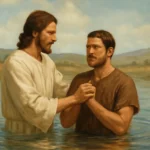
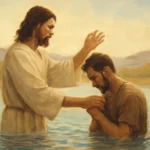
The roots of baptism reach back to the ministry of Jesus and the baptismal practices that emerged in the early Christian communities. In the Gospels, Jesus himself is baptized, and he commands his followers to go and make disciples, baptizing them in the name of the Trinity. This mandate links baptism to discipleship, teaching, and the formation of a community that follows Christ. Over the centuries, baptism has both reflected and helped shape the identity of the Church in different eras and places.
In modern times, the practice continues to raise important questions: Who can be baptized? What is the proper mode (immersion, pouring, sprinkling)? At what age should one be baptized? What role do sponsors or godparents play? The answers to these questions have varied among traditions and have often reflected broader theological commitments—whether baptism is primarily an act of faith to be confessed by the candidate, or a communal initiation performed on behalf of infants who cannot yet articulate a personal confession.
Key terms you may encounter
Immersion — the candidate is fully or partially submerged in water, symbolizing dying to the old life and rising to new life in Christ.
Pouring — water is poured over the head, often signifying the outpouring of the Holy Spirit and cleansing from sin.
Sprinkling — a smaller amount of water is sprinkled on the candidate, used in certain historical or liturgical contexts.
Infant baptism — the practice of baptizing infants or young children, usually with godparents pledging to assist in the child’s Christian upbringing.
Believer’s baptism — the conviction that baptism should follow a personal confession of faith, often practiced by those who consciously choose to follow Jesus.
Church membership — baptism as the rite that formally integrates a person into the Christian community.
Baptism and the life of faith
Across traditions, baptism is linked to other elements of the Christian life, including repentance, faith, and discipleship. It is frequently paired with a profession of faith, catechetical instruction, or confirmation, depending on the denomination. Some communities emphasize the moment as a once-for-all event that marks entrance into the covenant community, while others describe baptism as the beginning of a lifelong journey of spiritual formation in which the believer grows in grace and understanding.
Historical Development of Baptism
Baptism emerged in the context of Second Temple Judaism and the late first-century Judeo-Christian milieu, evolving through debates and councils as the Christian faith clarified its distinct identity. In the earliest Christian communities, baptism was often associated with a rigorous initiation process that included instruction in the gospel, repentance, and the infusion of the Holy Spirit. The act of immersion in water carried powerful symbolism linked to cleansing, dying to the old self, and rising to new life.
In the apostolic period, baptism frequently occurred as part of an integral program of catechesis, where new converts underwent instruction before receiving the rite. The Didache, an early Christian manual, outlines baptism as being conducted in running water, preferably in a community baptismal pool or river, and with the invocation of the Trinity. The early Fathers spoke of baptism as a rebirth and as a means of receiving the grace of God.
As Christian communities spread across the Mediterranean and into Europe, baptism took on varied rites, but the central symbolism remained constant: cleansing from sin, incorporation into the body of Christ, and the reception of the Holy Spirit. The practice sometimes involved fasting and an extended period of preparation known as catechumenate, especially in the ancient Church. Over time, the mode of baptism and the status of infant baptism varied among regions and traditions, but the core concept of becoming a member of the Christian church persisted.
Medieval to Reformation Transitions
In the medieval period, the Catholic Church emphasized the sacral quality of baptism as a sanctifying act performed by ordained clergy. Infants were commonly baptized to bring them into the covenant community, and sponsors or godparents pledged to support the child in the Christian life. The Reformation in the 16th century sparked renewed debates about the meaning of baptism, its proper recipients, and its relationship to salvation. Reformers like Martin Luther and John Calvin argued for the primacy of faith and the work of the Holy Spirit, which led to different approaches to baptism—most notably, the rise of infant baptism in many Protestant streams and the movement toward believer’s baptism in groups influenced by Anabaptist thought.
Post-Reformation Diversity
After the Reformation, Evangelical and Reformed traditions continued to wrestle with questions of practice and theology. Some groups reaffirmed infant baptism, seeing it as an initiation into the covenant people and a sign of God’s grace, while others insisted that baptism should be reserved for those who can profess personal faith. In parallel, many Western and global churches adopted innovations in liturgy, pedagogy, and sacramental theology, shaping contemporary practice without severing the connection to the ancient baptismal rite.
Global and Ecumenical Perspectives
Across continents, baptism has also become a culturally infused rite. In many continents, the ceremony is not only a solemn religious act but a cultural event that reflects local customs, music, and language. While the outward form may differ—immersion in one country, pouring in another, infant baptism in many churches—the underlying intention remains the same in most traditions: to name the person as a member of the Christian faith and to acknowledge God’s grace at work in their life.
Modes and Practices Across Traditions
The way baptism is conducted—whether by immersion, pouring, or sprinkling—varies substantially among Christian denominations. The choice of mode is often tied to the theological emphasis of a given tradition, its interpretation of Scripture, and its historical development. Some churches emphasize immersion as a powerful symbol of dying and rising with Christ, while others prefer pouring as a practical and equally meaningful sign of cleansing and renewal.
Common modes
Immersion — full or partial submersion in water, signifying death to the old life and rebirth in Christ; often associated with believer’s baptism and evangelical movements.
Pouring — water poured over the head, symbolizing the outpouring of the Holy Spirit and the cleansing of sin; widely used in Catholic, Anglican, and many Protestant churches.
Sprinkling — a small amount of water sprinkled on the head; historically used in some ancient traditions and still present in certain liturgical settings.
Who is baptized?
Infants — baptized in many Catholic, Orthodox, Lutheran, Anglican, and some Methodist contexts to initiate them into the covenant community, with parents and sponsors assuming responsibility for their instruction and spiritual upbringing.
Adults and adolescents — baptized in many Protestant and Anabaptist traditions after a personal declaration of faith, often following a catechetical process.
Prerequisites and ceremonies
Statement of faith or a catechetical instruction period.
Public profession of faith or a confession of belief for those baptized as believers.
Ritual pouring or immersion administered by an ordained minister, priest, or designated lay leader.
Wide use of a Trinitarian formula, such as in the name of the Father, and of the Son, and of the Holy Spirit.
Sponsors and community roles
Godparents or sponsors may accompany the candidate, especially in infant baptism, promising to support spiritual development and Christian formation.
Congregational reception and welcome as new members—often marked by a baptismal banner, a liturgical song, or a dedicated moment in a worship service.
A central debate within the Christian world concerns whether baptism should be reserved for those who can personally profess faith or whether it should be conferred on infants as a sign of God’s covenant and a pledge by parents and the church to nurture the child in the Christian faith.
Infant Baptism
Proponents argue that infant baptism echoes the continuity of the Old Covenant, where children were included in the people of God. They emphasize the grace of God first extended to the family, with the ceremony serving as a means of entrusting the child to the care of the church. In this view, baptism is not a personal declaration of faith but a reception of God’s gift and a commitment by the community to raise the child in the Christian life.
Believer’s Baptism
Supporters highlight the necessity of a personal, conscious faith confession. They point to biblical examples where baptism follows an individual’s profession of faith, such as in the Book of Acts. This stream, often associated with Anabaptist and certain evangelical movements, emphasizes that baptism is an outward sign of an inward conviction and a public pledge to live as a disciple of Christ.
Bridge perspectives
Many ecumenical conversations now seek a harmony that respects conscience and tradition. Some churches practice infant baptism with a later rite of confirmation or a personal profession of faith, while others practice a form of dedication or blessing for infants, reserving baptism for those who can articulate faith later. In practice, many communities maintain a sense of unity around the essential message of baptism—entry into God’s family, cleansing from sin, and the call to live as part of the body of Christ—while allowing for differences in mode and age.
Theological Significance
Across historia and pedagogy, the theology of baptism encompasses several core themes that appear repeatedly in Christian teaching: initiation into the church, cleansing from sin, the impartation or reception of the Holy Spirit, and an ongoing call to discipleship. Each tradition highlights different aspects, but many of these strands are convergent enough to provide a coherent picture of baptism as a turning point in the spiritual life.
Regeneration and new life
In many streams of Christianity, baptism is associated with regeneration or being born again. Water, in this sense, becomes a symbol of the cleansing power of grace that makes possible a renewed relationship with God. The act is not merely symbolic; it points to a deeper work of the Spirit that empowers the believer to live in harmony with Christ and with the community of faith.
Covenant sign and corporate identity
Baptism is often described as a sign of the new covenant that God establishes with believers and their households. As a communal rite, baptism acknowledges a shared identity within the Church and within the gospel it proclaims. The act marks entry into a spiritual family and a network of accountability, support, and shared mission.
Grace, faith, and works
The relationship between grace and faith is central to baptismal theology. Some traditions insist that the rite confers grace and strengthens faith, while others insist that grace is received through faith and baptism is a faithful response to God’s initiative. The balance between divine action and human response remains a central topic of reflection in preaching and catechesis across denominations.
Practices and Ritual Details Today
In contemporary worship and pastoral practice, baptism often takes place during a regular service or in a special ceremony tied to the liturgical calendar. The rituals surrounding baptism are rich with symbolism and are designed to accompany the faithful through a meaningful spiritual transition. Depending on the tradition, the ceremony may include elements such as scripture readings, prayers, the lighting of a baptismal candle, and a shared meal in some churches.
Steps in a typical baptismal ceremony
Preparation — catechetical instruction or a profession of faith, depending on the tradition; the candidate or family is guided by a pastor or elder.
Renunciation and confession — an opportunity for the participant to renounce sin and confess faith in Christ, particularly in believer’s baptism contexts.
Water rite — the moment of baptism, by immersion, pouring, or sprinkling, aligned with doctrinal emphasis.
Prayer and invocation — a prayer invoking the Holy Spirit and blessing on the candidate, often including the Trinitarian formula.
Welcome into the Church — a public declaration of the candidate’s new status as a member of the Body of Christ, with the congregation offering support and affirmation.
Prayers, symbols, and liturgical variations
Across denominations, the liturgy surrounding baptism may incorporate recurring symbols such as candles, oil (chrism) in some traditions, and water as the central symbol. The prayers frequently emphasize forgiveness, adoption as God’s children, and the gift of the Holy Spirit. Some churches emphasize a catechetical recommitment during baptism, while others highlight the moment as the primary sign of acceptance into the Christian life.
For sacramental theologians, baptism is one of the canonical rites that mediate grace in the life of the church. In Catholic and Orthodox reflexes, baptism is sacramental and efficacious ex opere operato (by the very act performed), regardless of the personal disposition of the recipient, though personal faith is still regarded as essential for full participation in the life of grace. In various Protestant traditions, baptism is often framed as an outward sign of inward grace, underscoring faith’s role in the reception of saving grace and the believer’s response to God’s initiative.
Ecumenical Variations and Contemporary Practice
The modern Christian landscape features a remarkable array of baptismal expressions. While the central meaning remains recognizable—initiating a person into the community of Christ—how this is enacted and understood can differ widely. In ecumenical dialogues, there is often a push to recognize the legitimacy of diverse practices while clarifying theological differences that remain important for doctrinal integrity and ecclesial identity.
Major denominational families
Catholic and Orthodox churches emphasize infant baptism as a gateway to new life in Christ, with baptism and confirmation often linked and administered in the same ceremony.
Lutheran and Anglican traditions commonly practice infant baptism, while also maintaining a robust tradition of believer’s testimony and confirmation for older baptized members.
Reformed and Presbyterian churches emphasize covenant theology, where baptism signifies entrance into the covenant community and is often followed by formal instruction and reaffirmation in adulthood.
Baptist and many evangelical churches typically advocate believer’s baptism by immersion, focusing on faith-as-confession and personal commitment to Christ.
Pentecostal traditions emphasize the reception of the Holy Spirit and often integrate baptism with the broader experience of spiritual gifts.
Global considerations
In various parts of the world, local customs, languages, and cultural contexts shape how baptism is celebrated. In some communities, baptism is a year-round event; in others, it is particularly associated with specific seasons or rites of passage. As Christianity has become a global religion, the baptismal rite has been adapted in ways that honor local customs while preserving core theological meanings. This dynamic creates a rich tapestry of practice that reflects both universality and diversity within the Christian movement.
Impact on Personal Faith and Society
Baptism is not only a personal spiritual milestone; it also has social and communal dimensions. For many believers, baptism is a lifelong reference point—an anchor for identity, a reminder of responsibilities to fellow believers, and a sign of ongoing conversion and growth. In congregations, baptism can strengthen fellowship, generate renewed interest in Scripture and discipleship, and mobilize a person’s participation in mission, service, and charitable work. The social dimension of baptism is reinforced by the rituals of welcome, vows, and ongoing formation that accompany the rite.
Influence on family and community life
Infants and children baptized within a family or church community often become focal points for spiritual education and intergenerational ministry. Godparents or sponsors may commit to guiding a child in faith, providing support, modeling Christian living, and encouraging participation in worship and service. Families may gather for celebratory meals or special services that mark the occasion, reinforcing the sense of shared faith and mutual responsibility.
Baptism serves as a public confession of faith that can strengthen a church’s witness to the surrounding society. It is also a focal point in ecumenical discussions about the meaning and efficacy of the rite, inviting Christians from different traditions to listen to one another’s experiences and to reflect on the ways baptism shapes beliefs about salvation, grace, and community. Through dialogue, communities can explore common ground while respectfully acknowledging divergent interpretations.
Many churches offer ongoing instruction and formation programs following baptism. Confirmation classes, catechetical sessions, and mentoring relationships help new members understand baptism not as a single event but as a lifelong initiation into a way of life—one that centers on love, service, justice, and worship. In this sense, baptism becomes a launching point for deeper study of Scripture, prayer, and communal discipline.