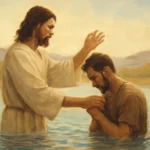
In Christian teaching, salvation is the rescue from sin and its consequences, secured by God through Jesus Christ. It is described as a gift of grace received through faith, repentance, and obedience. This article surveys biblical verses about how to be saved, showing how grace and faith cooperate, how repentance and confession fit in, and how baptism and ongoing life align with salvation. The aim is to provide an educational overview of core scriptures and their common themes, helping readers understand the range of language used in the Bible to describe salvation.
Key Verses: The Core of Salvation
The Bible uses a variety of phrases to explain how a person becomes saved. While the words differ from book to book, the core ideas often converge on the same realities: love that moves God to act, trust in Jesus, turning from sin, confessing belief, and living in obedience. Below are representative verses organized by theme, with brief explanations to help you see the semantic breadth.
Grace as the Foundation
Romans 3:23-24 — «for all have sinned and fall short of the glory of God, and are justified freely by his grace through the redemption that came by Christ Jesus.»
Explanation: Justification by grace means that salvation is not earned by works but received as a free gift through faith in Jesus’ redemptive work.
Ephesians 2:8-9 — «For by grace you have been saved through faith, and that not of yourselves; it is the gift of God, not of works, so that no one can boast.»
Explanation: The gift language emphasizes that salvation begins with God’s initiative and is received through faith.
Titus 3:5-7 — «not by works of righteousness which we have done, but according to his mercy he saved us, through the washing of regeneration and renewing of the Holy Spirit, whom he poured out on us richly through Jesus Christ our Savior, so that being justified by his grace we might become heirs according to the hope of eternal life.»
Explanation: Mercy and regeneration point to a transformative act that makes us right with God, not by our own deeds but by God’s gracious action.
Faith and Confession: Believing and Speaking
John 3:16 — «For God so loved the world that he gave his one and only Son, that whoever believes in him shall not perish but have eternal life.»
Explanation: The route to eternal life begins with a personal trust in Jesus as the Son sent by the Father.
Romans 10:9-10 — «If you declare with your mouth, ‘Jesus is Lord,’ and believe in your heart that God raised him from the dead, you will be saved. For it is with your heart that you believe and are justified, and it is with your mouth that you profess your faith and are saved.»
Explanation: The confession accompanies faith as the outward witness of inward trust, marking the moment of salvation for many believers.
John 3:36 — «Whoever believes in the Son has eternal life, but whoever rejects the Son will not see life, but God’s wrath remains on them.»
Explanation: The decision to believe or reject the Son has permanent consequences for eternal life and relationship with God.
1 John 4:15 — «If anyone acknowledges that Jesus is the Son of God, God lives in them and they in God.»
Explanation: Acknowledgment or confession of Jesus as the Son of God is a marker of true faith and relationship with God.
Repentance and Baptism: Turning and Submitting
Acts 2:38 — «Peter replied, ‘Repent and be baptized, every one of you, in the name of Jesus Christ for the forgiveness of your sins. And you will receive the gift of the Holy Spirit.’»
Explanation: Repentance signals a change of mind and life; baptism is the public expression of that turning and the entry into the community of Christ.
Mark 16:16 — «Whoever believes and is baptized will be saved, but whoever does not believe will be condemned.»
Explanation: The combination of faith and baptism is presented as essential in this commission, highlighting active trust and obedience.
1 Peter 3:21 — «and this water symbolizes baptism that now saves you also—not the removal of dirt from the body but the pledge of a clear conscience toward God.»
Explanation: Baptism is described as a symbolic act that accompanies faith, pointing to an inward reality of cleansing and renewed life.
Acts 22:16 — «And now what are you waiting for? Get up, be baptized and wash your sins away, calling on his name.»
Explanation: A direct exhortation linking baptism with the cleansing from sin, emphasizing obedience to the gospel call.
Assurance and Ongoing Transformation
Romans 8:38-39 — «For I am convinced that neither death nor life, neither angels nor demons, neither the present nor the future, nor any powers, neither height nor depth, nor anything else in all creation, will be able to separate us from the love of God that is in Christ Jesus our Lord.»
Explanation: Assurance of salvation is grounded in the unshakeable love of God in Christ.
1 John 5:13 — «I write these things to you who believe in the name of the Son of God so that you may know that you have eternal life.»
Explanation: The scriptures encourage confidence and certainty for those who believe.
1 John 1:9 — «If we confess our sins, he is faithful and just and will forgive us our sins and purify us from all unrighteousness.»
Explanation: Confession and forgiveness sustain ongoing relationship with God through daily life.
Philippians 1:6 — «being confident of this, that he who began a good work in you will carry it on to completion until the day of Christ Jesus.»
Explanation: The process of salvation includes continued growth and sanctification, not just a single moment.
How to Read the Bible on the Topic of Salvation: A Practical Guide
Reading salvation scriptures requires careful attention to context, audience, and the broader narrative of scripture. Below are practical guidelines that help you interpret and apply these verses in a balanced way.
Context matters: Understand who is speaking, to whom, and under what circumstances. Verses about salvation appear across different covenants, but they share common themes: God’s grace, human response of faith, and life transformed by the Spirit.
Salvation is both a present reality and a future hope: In many passages, believers experience the right standing before God now, while awaiting full redemption at Christ’s return. This dual aspect is central to a biblical understanding of salvation.
Faith and obedience are related but distinct: Scripture often emphasizes that faith expresses itself in obedience. This does not mean earning salvation by works; rather, authentic faith results in a changed life.
God’s sovereignty and human responsibility: Christians affirm that God initiates salvation, yet humans must respond with trust, repentance, and surrender.
Jesus and the Way of Salvation: Core Statements Direct From Him
Jesus speaks directly about the path to God, and his statements form a centerpiece for understanding salvation in the gospel accounts. The following themes and verses highlight his direct claims and invitations.
John 14:6 — «Jesus answered, I am the way and the truth and the life. No one comes to the Father except through me.»
Explanation: Christ alone is the access point to a relationship with God; salvation is found in union with Jesus.
Matthew 28:19-20 — «Go therefore and make disciples of all nations, baptizing them in the name of the Father and of the Son and of the Holy Spirit, teaching them to observe all that I have commanded you.»
Explanation: The Great Commission links baptism and instruction to the ongoing mission of the church in bringing people to salvation.
John 5:24 — «Very truly I tell you, whoever hears my word and believes him who sent me has eternal life and will not be judged but has crossed over from death to life.»
Explanation: Hearing Jesus’ words and believing in God’s sending is presented as the present possession of eternal life.
Historical and Theological Perspectives: How Different Traditions View Salvation
Across Christian history, various traditions have emphasized different facets of salvation—some focusing more on the moment of justification by faith, others on baptismal regeneration, and still others on the inner work of the Holy Spirit. The scriptures cited above provide a shared ground: salvation is a gift from God accessed through faith, confirmed by repentance and baptism, and lived out in the Spirit’s power. While interpretations differ, the core call remains the same: trust in Christ, repent from sin, and live in obedience as God works in you by his Spirit. A balanced study engages with scripture, respectful dialogue, and a community of believers who can offer accountability and support.
Practical Steps for Applying Salvation Verses to Your Life
Study with a plan: Choose a Gospel or a Gospel-related letter and read a short section, noting how faith, grace, repentance, confession, baptism, and transformation appear in the text.
Reflect on personal faith: Ask yourself, Have I trusted Jesus as my Savior? Do you affirm that Jesus is Lord, and do you trust in his resurrection?
Repent and pursue transformation: Repentance is a turning away from sin and toward God. Consider practical changes you can make in daily life to reflect your new allegiance to Christ.
Seek baptism if appropriate: If you have not yet been baptized, explore with a local church how baptism serves as a public declaration of your faith and a step of obedience.
Join a faith community: A local congregation offers teaching, accountability, and support as you grow in faith and live out the gospel day by day.
Pray for assurance and growth: Pray for confidence in God’s promises, and for the Holy Spirit to produce spiritual fruit in your life (love, joy, peace, patience, kindness, goodness, faithfulness, gentleness, self-control).
Glossary of Key Terms
Here are brief definitions of several terms that frequently surface in discussions about salvation. Bold terms are linked to their broader implications in scripture and practice.
Grace: God’s undeserved favor toward humanity, received through faith.
Salvation: Deliverance from sin and its consequences, including eternal life with God.
Faith: Trust and reliance on Christ and God’s promises; the means by which we receive salvation.
Justification: Being declared righteous before God on the basis of Christ’s work and faith, not merely our own deeds.
Regeneration and renewing: The inner transformation by the Holy Spirit that begins a new life in Christ.
Sanctification: The ongoing growth in holiness and obedience to God after justification.
Baptism: A physical action that symbolically represents cleansing from sin, dying to the old life, and rising to new life in Christ.
Confession: Public or verbal acknowledgment of faith in Jesus as Lord.
Frequently Asked Questions
Is baptism necessary for salvation? Many passages link salvation to faith and baptism in the biblical narrative. Some traditions emphasize baptism as essential, while others view baptism as an important outward sign of an inward decision. The dominant biblical pattern ties baptism to a response to the gospel and a public declaration of faith, with salvation ultimately rooted in God’s grace through faith in Christ.
What about people who have never heard the gospel? The Bible speaks of God’s desire that all be saved and invites all to faith in Jesus. The exact question of judgment for those who haven’t heard is a complex theological issue. Most Christians affirm that God is just and merciful, and that salvation comes through hearing and believing the gospel as God provides opportunities and conscience in every person.
Can someone be saved and live without visible fruit? The New Testament often describes transformation that follows saving faith. While external evidence is not the only criterion, a sustained pattern of obedience and love for God and neighbor is often seen as the fruit of genuine faith.
The Persistent Theme of Salvation in Scripture
Across the pages of the New Testament and, to a lesser extent, the Old Testament, the question of how to be saved recurs with a consistent core message: God’s grace initiates salvation, reception comes through faith in Jesus Christ, and the life of the believer moves from repentance to baptism, to confession, and to ongoing transformation by the Holy Spirit. The verses presented in this article provide a spectrum of language—some emphasize faith as the decisive factor, others foreground baptism or repentance—but together they outline a coherent pathway: hear the gospel, believe in Christ, repent from sin, confess him as Lord, be baptized, and live in obedience as God works in you by his Spirit. If you are seeking to understand your own salvation, consider reading the cited passages in their contexts, praying for discernment, and engaging with a community that can offer guidance and accountability. The journey of salvation is not merely a moment but a relationship—an ongoing experience of receiving God’s grace and growing into the person God intends you to be.