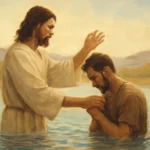
Preparing for baptism is a meaningful journey that blends faith, understanding, and community. This step-by-step guide is designed to help you think through what it takes to get ready for baptism and to offer practical and spiritual actions you can take along the way. Whether you are exploring baptism for an infant, a child, or yourself as an adult, the core rhythm remains consistent: seek understanding, cultivate a sincere heart, receive instruction, and participate with a church community. Below you will find several variations on the question “how should I prepare for baptism?” expressed in practical, reflective, and faith-centered terms, followed by a thorough path from curiosity to commitment.
Baptism is a sacred practice with diverse expressions across Christian traditions. In many communities, it marks a formal entry into the faith family, a public confession of trust in God, and a symbolic act of cleansing and new life. Preparation ensures that the decision to be baptized arises from genuine conviction, that the person understands the meaning of the rite, and that the church can welcome them with clear commitments and support. This section outlines the purpose and the benefits of thoughtful preparation.
Public profession of faith: Baptism often serves as a visible witness to one’s allegiance to Christ and to a life oriented toward love, service, and obedience to God.
Understanding and catechesis: Through instruction, you learn the beliefs, practices, and vows that accompany baptism, reducing confusion and increasing confidence.
Community introduction: The baptismal ceremony introduces you to the church community and invites ongoing participation in communal life, worship, and service.
Spiritual formation: Preparation supports your ongoing spiritual growth—prayer, study, and devotion become regular habits that sustain faith beyond the day of baptism.
Pastoral and pastoral-led discernment: Leaders in the faith community help discern readiness, ensuring that Baptism is rightly understood and sincerely pursued.
Different traditions emphasize different aspects of baptism, such as infant baptism, believer’s baptism, or confirmation after instruction. Regardless of tradition, the central idea remains consistent: preparation helps you engage with the rite with reverence, clarity, and renewal. If you ask yourself, “how can I prepare for baptism with integrity and care?” or “what steps should I take to get ready for baptism?”, you are beginning a journey that connects personal faith with communal worship.
Step 1: Reflect and pray
The first stage in preparing for baptism invites you to look inward and listen for guidance from God, conscience, and trusted mentors. Reflection and prayer help align your motives with the meaning of the sacrament and clarify whether you are pursuing baptism for the right reasons.
Ask honest questions: Why do you want to be baptized? What does baptism symbolize for you personally? Is your desire rooted in faith, gratitude, or desire to belong to a faith community?
Practice regular prayer: Establish a simple daily rhythm—brief prayers in the morning or evening, or moments of pause before meals—to invite God into your process.
Journal your discernment: Write about what you believe, what you doubt, and what you hope to live out after baptism. Your notes can become a helpful reference during catechesis and the baptismal vows.
Seek inner peace and sincerity: The goal is not perfection but authenticity. If you feel uncertain, you may want to wait or pursue more learning before taking the next step.
For families preparing on behalf of a child or infant, this step includes conversations among parents, godparents, and the child’s faith community to reflect on the meaning and responsibilities being entrusted to the child in the future.
Step 2: Learn and instruct — explore the faith thoroughly
Understanding what baptism signifies and how it interacts with your beliefs requires structured learning. This step is often fulfilled through catechesis, Bible study, and conversations with church leaders. The goal is not only to know facts about baptism but to embrace its implications for daily living and worship.
Attend baptismal classes or catechism: Most congregations offer an orientation or series of lessons that explain the theology, history, and practicalities of baptism, including the vows that accompany the rite.
Study core scriptures: Read passages such as Mark 16:16, Acts 2:38-41, Romans 6:3-4, Galatians 3:27, and Colossians 2:12 to understand biblical foundations of baptism and new life in Christ.
Explore church beliefs and practices: Inquire about the denomination’s stance on infant vs. believer’s baptism, mode of water (immersion vs. sprinkling), and whether baptism leads to church membership or confirmation.
Engage in guided discussions: Dialogue with pastors, mentors, or sponsors to clarify questions, relationships, and commitments associated with baptism.
When you wonder, “how do you prepare for baptism through learning?”, remember that informed faith tends to deepen devotion. The aim is to move from head knowledge to heart trust and earnest willingness to live according to the gospel.
Step 3: Confession, repentance, and faith formation
In many Christian traditions, the elements immediately surrounding baptism include an explicit confession of faith and a turning away from one’s old life toward a new life in Christ. The form this takes can vary widely, so it is important to understand what is expected in your specific church context. This step can involve both individual and communal aspects of faith formation.
Public or private confession: Some traditions invite believers to articulate faith in Jesus Christ as Lord and Savior before the baptism, while others expect a personal confession expressed in the baptismal vows.
Repentance and turning toward God: Repentance involves aligning one’s desires and choices with God’s will, seeking forgiveness where needed, and committing to a life that reflects Christian values.
Affirmation of faith: This is the moment when one names foundational beliefs—such as belief in God, Jesus Christ, the Holy Spirit, and the church—as a guide for life after baptism.
If you are preparing a child or infant, the focus shifts toward the family’s commitment to raising the child in the faith and to the church’s promise to support the family. Regardless of age, you should approach this step with honesty: a sincere confession of faith, humility, and an earnest desire to live as a disciple.
Step 4: Choose a sponsor, godparents, or a confirmation mentor
Many baptismal traditions involve a sponsor or godparents who accompany the candidate on the journey. This relationship provides practical and spiritual support, acts as a reminder of promises made, and helps integrate the baptized person into the life of the church.
Select appropriate sponsors: Choose individuals who model faith, love, and responsibility, and who are willing to accompany you or your child through ongoing faith formation.
Clarify responsibilities: Sponsors can commit to regular prayer, encouragement, learning alongside you, and helping you maintain continuity with church life after baptism.
Communicate expectations: Discuss the specific vows or responsibilities that the sponsors are taking on and how they will participate in the baptism and post-baptism journey.
For families seeking infant baptism, sponsors often speak on behalf of the child or pledge to support the family in raising the child in the faith. The presence of sponsors is a powerful symbol of communal responsibility and care.
Step 5: Prepare for the baptism day
Preparation for the day of baptism blends practical planning with spiritual readiness. It is helpful to know what to expect and what to bring, especially if the ceremony takes place in a church building or a sacred space outside the typical worship setting.
Confirm the date, time, and location: Note the schedule, arrival time, and whether there is a rehearsal. If baptisms are grouped with other ceremonies, know your place in the order of service.
Choose appropriate attire: For many traditions, white garments symbolize purity and new life. In others, modest attire with a clean, simple presentation suits the ceremony. Plan undergarments and footwear accordingly, especially if immersion is part of the rite.
Prepare bibles, candles, or symbols: Some churches use baptismal candles, crosses, or other symbols. Confirm with the church staff what you should bring or what will be provided.
Arrange for family and sponsors: Ensure immediate family members and sponsors know where to sit, when to stand, and when to respond during vows or prayers.
Arrive early and prepare emotionally: Use moments before the service to quiet the mind, read a short verse or prayer, and center your heart on gratitude and commitment.
When asked, “how do you prepare for baptism day?”, think about both the spiritual posture you bring and the practicality that helps the ceremony run smoothly. A calm, prepared presence communicates reverence for the sacred moment and respect for the faith community.
The baptism ceremony varies by tradition but commonly includes a set of shared elements that symbolize death to the old self and birth into a new life in Christ. Knowing what to expect helps you participate with grace and confidence.
Opening prayers and readings: The service may begin with Scripture readings and prayers that frame the sacrament within the life of the church.
Professing faith or vows: The candidate (or parents on behalf of the child) may speak faith statements or respond to questions about vows and commitments.
Water rite: The central moment involves water—either by immersion or a blessing with water—signifying cleansing, rebirth, and incorporation into the body of Christ.
Anointing or blessing: Some traditions include anointing with oil or a blessing over the newly baptized person, marking them as belonging to God’s people.
Welcome by the community: The church body publicly welcomes the baptized person, often with applause, a liturgical blessing, or a shared response of commitment.
Communal implications: After the baptism, the new member is invited to participate in other church rites, such as confirmation, first communion, or ongoing catechesis, depending on tradition.
Understanding the significance of the rite helps you engage with the moment with reverence and joy. If your tradition emphasizes baptism as a declaration of faith, you will likely feel a deep sense of identity and purpose as you receive the water and the blessing of the congregation.
Step 7: After baptism — continuing the faith journey
The day of baptism marks a transition, but the journey continues. The immediate post-baptism period is an opportunity to deepen faith through practice, study, worship, and communal life. Here are practical ways to continue growing in your new life in Christ.
Join a faith community: Regular participation in worship, small groups, and service helps you connect with others and sustain growth.
Engage in ongoing learning: Commit to continued study or classes that reinforce your understanding of scripture, prayer, and Christian ethics.
Establish spiritual disciplines: Prayer, Bible reading, sacraments, and generosity become daily practices that shape character and choices.
Seek mentorship: A trusted pastor, elder, or mature believer can offer guidance, accountability, and encouragement as you live out baptismal vows.
Serve others: Active service—inside the church and in the wider community—embodies the call to love God and neighbor.
For families, the baptism experience becomes a continuing invitation to raise children with a robust spiritual formation, including worship habits, family devotions, and participation in church life. Adults may pursue confirmation or further steps in faith formation as a formal next stage.
Special considerations: infant baptism versus adult baptism or confirmation
The pathway to baptism differs across traditions, especially when comparing infant baptism, believer’s baptism, and confirmation. It is essential to understand the distinctions relevant to your church context so you can engage with clarity and confidence.
: In traditions that practice infant baptism, the focus is on the family’s commitment to raise the child in the faith, with the church stewarding a lifelong faith formation and sponsorship. The child grows into faith through catechesis, worship participation, and family devotion as they mature.
: In churches that emphasize believer’s baptism, the candidate makes a personal profession of faith before participating in baptism. The emphasis is on conscious, voluntary repentance and faith by the baptized person.
: Some traditions separate baptism from confirmation. Confirmation often occurs after a period of instruction and is a public affirmation of faith, completion of catechesis, and welcome to full membership in the church body.
Regardless of the pathway, the underlying principle is intentional preparation—ensuring the person entering the waters does so with understanding, conviction, and the support of a faith community.
Common questions and myths about baptism preparation
As you think about how to prepare for baptism, you may encounter questions or assumptions that merit careful consideration. Here are some common concerns and clarifications that can help you proceed with confidence.
Do I need to be perfect to be baptized? No. Baptism is about repentance, faith, and commitment, not flawless virtue. It is a step of grace that acknowledges one’s need for God’s help and awaits ongoing growth.
Can I prepare at my own pace? Yes, but most traditions encourage timely progress through required instruction, reflection, and mentoring so that the baptismal vows are meaningful and sustainable.
What if I’m not sure about faith? Exploring faith and asking questions is acceptable. Many communities offer space for honest inquiry, mentoring, and gradual discernment before baptism.
What if I have doubts about the ceremony? Discuss your concerns with a pastor or catechist. Clarifying the symbolism, vows, and expectations helps you participate with integrity.
What role do sponsors or godparents play after baptism? They continue to support your spiritual formation, model faith, and help you remain connected to the church community.
To support your journey, consider these practical resources and next steps. They can help deepen your understanding and reinforce your readiness for baptism.
: Schedule a conversation with a pastor, priest, or church leader to discuss your goals, timeline, and questions about baptism.
: If the church provides a formal study guide, take time to read and reflect on the questions, vows, and meanings it contains.
: Small groups provide safe spaces to wrestle with beliefs, share experiences, and receive encouragement from peers.
: Rehearsals help you become comfortable with the service flow, responses, and roles of sponsors or family members.
: Map out ongoing practices—worship attendance, prayer times, study schedules, and community service opportunities—that nurture your faith post-baptism.
If you are looking for additional guidance, you may explore resources such as church websites, catechetical books, and faith formation curricula that focus on baptism, discipleship, and church membership. Remember that the essence of this journey is not simply “doing” a rite but “becoming” part of a faith community that supports your spiritual growth and life of service.
Ways to phrase your own process: variations on how to prepare for baptism
As you read this guide, you might notice different ways to phrase the question, each reflecting a slightly different emphasis. Here are some phrases you may encounter, or you can adopt in your own reflection:
How should one prepare for baptism? Emphasizes a thoughtful, principled approach to readiness.
What steps are involved in getting ready for baptism? Focuses on a practical plan and sequence.
What does it take to be ready for baptism? Highlights the qualities and discernment involved.
What should I do to prepare for baptism? A direct question for personal action.
How can I prepare for baptism day with confidence? Addresses the ceremonial moment and mindset.
Ways to prepare for baptism for infants or children Addresses family preparation and sponsors.
How to integrate baptism preparation with ongoing faith formation Connects rite with lifelong spiritual growth.
Using these variations can help you search for guidance, discuss with mentors, or simply articulate your own journey in conversations with family, mentors, and your faith community. The process is deeply personal while also being shaped by the shared life of the church.
Final reflections on a step-by-step baptism preparation
Preparing for baptism is ultimately about aligning your heart, mind, and life with the commitments you will profess in the ceremony. It is a process that benefits from time, patience, and the support of others. By engaging in thoughtful reflection, pursuing clear learning, inviting trusted mentors, and preparing practically for the day of baptism, you place yourself in a posture of humility and gratitude before God and the church.
As you move forward, keep in mind these guiding ideas:
Intentionality: Be deliberate about your reasons and your vows. Intentionality helps ensure that the baptism you receive is meaningful and enduring.
Community: See preparation as a shared journey. The church family, sponsors, and mentors are there to support you in real, ongoing ways.
Formation: View baptism as a milestone within a larger arc of spiritual growth that includes prayer, worship, service, and study.
Grace: Remember that baptism is gracious—God’s invitation extended through the faith community. Your response, not your perfection, matters most.
For those who are navigating this path for a child or infant, the preparation also centers on the family’s responsibility to nurture faith, model Christian living, and cultivate a home where faith can flourish. The ceremony becomes not only a moment but a launching point for a lifelong journey of discipleship.
In sum, the question of how to prepare for baptism invites you into a balanced regimen of prayer, study, confession or profession of faith, supportive relationships, and practical readiness for the day of the rite. By following a step-by-step approach that resonates with your tradition, you can enter the baptismal waters with confidence, gratitude, and an open heart ready to live as a member of the beloved community.