Baptism is one of the most widely discussed and practiced rites in the Christian church. This article offers a careful, biblically rooted overview of how baptism is understood in the Bible, followed by a practical, step-by-step guide for conducting a baptism in a way that honors Scripture, preserves dignity, and serves the spiritual formation of the person being baptized. The aim is not to prescribe a single denomination’s ritual but to illuminate what the Bible teaches, how the early church practiced baptism, and how modern communities can approach the baptismal rite with reverence and clarity.
Baptism in the Scriptures functions as a symbolic act that marks entrance into the community of faith and visually represents a spiritual reality. It is closely tied to repentance, faith, and new life in Christ. The biblical narrative presents baptism as both a personal response to God and a public confession before the church. Two broad biblical strands shape our understanding: the baptism of John the Baptist and the baptism ordained by Jesus and his apostles in the Great Commission.
John’s baptism was a baptism of repentance with water, preparing people for the coming Messiah (Matthew 3:1-12; Mark 1:4; Luke 3:3). It called for turning away from sin and turning toward God, anticipating the one who would baptize with the Holy Spirit.
Jesus’ baptism by John the Baptist in the Jordan is described in Matthew 3, Mark 1, and Luke 3. Jesus’ baptism serves as a model for his followers: it is not only an act of obedience but a declaration of Jesus’ involvement in human history and mission.
The Great Commission in Matthew 28:19-20 commands Jesus’ followers to “go and make disciples of all nations, baptizing them in the name of the Father and of the Son and of the Holy Spirit.” This passage anchors baptism in the Trinitarian name and mission of the church.
Different scriptural emphases include immersion as a common biblical image (Romans 6:4; Colossians 2:12 describe baptism as burial with Christ and rising to new life), along with examples of baptism that emphasize cleansing and reception into the community of faith.
Across biblical passages, several themes recur: faith in Christ, repentance, confession of faith, and the symbolic significance of water as cleansing and life-giving. Some biblical instances emphasize immersion (submersion under water) as the mode because the language of burial and rising aligns with Romans 6:3-4 and Colossians 2:12, while other early accounts illustrate the baptismal act in varied settings where water was available. A robust biblical view recognizes both the symbolic depth of immersion and the practical flexibility that early Christians sometimes faced in different geographic and cultural contexts.
Key biblical passages to read alongside this topic
Matthew 3:13-17 – Jesus’ own baptism
Acts 2:38-41 – Peter’s exhortation and the baptism of new believers after Pentecost
Acts 8:26-39 – Philip and the Ethiopian official (immersion as a model)
Acts 10:34-48 – Peter and Cornelius’ household (baptism as inclusion of Gentiles)
Acts 16:25-34 – The Philippian jailer and household (immediate baptism after faith)
Romans 6:3-4; Colossians 2:12 – The imagery of burial and rising in baptism
Matthew 28:19-20; Ephesians 4:5-6 – The Great Commission and the unity of baptism in faith
Preconditions for Baptism: Faith, Repentance, and Confession
While baptism itself is a visible act, biblical teaching presents it as the outward sign of inward grace. The preconditions emphasize the heart readiness and personal response to Christ. In many biblical narratives, those who are baptized have already expressed faith, repentance, and a desire to follow Jesus. In practical terms, this section outlines a biblically informed set of prerequisites that protect the integrity of baptism as a meaningful spiritual milestone.
Repentance and turning away from sin are consistently associated with baptism. This doesn’t mean perfection is required beforehand, but there is a genuine turning of direction away from impurity toward God (Acts 2:38; 3:19; Luke 3:3).
Faith in Jesus Christ as Lord and Savior is central. Baptism is the public response of a believer who trusts in Christ’s death and resurrection for salvation (Romans 10:9-10; 1 Corinthians 12:13).
Confession of faith—in many traditions, this takes the form of declaring belief in Jesus Christ and his lordship. While the exact wording may vary, the heart is a personal acknowledgment of Christ before the community (Romans 10:9-10; 1 Timothy 6:12).
Willingness to follow Christ for a lifelong journey, including participation in the life of a local church and a posture of discipleship (Acts 2:42; 1 Peter 3:21).
In practice, many churches require baptism after a period of teaching or catechesis, ensuring that candidates understand the meaning of the rite and the commitments involved. This is not a requirement in all traditions, but it aligns with the biblical impulse to nurture the faith of new believers so that baptism becomes a meaningful, enduring milestone rather than a mere ceremony.
Form and timing considerations
For adult baptism, the person’s own confession of faith is central; sponsors or godparents may accompany as witnesses if appropriate to the tradition.
For children’s baptism, emphasis often lies on parental faith and the child’s future growth in faith, with ongoing catechesis and confirmation in many churches.
All candidates should have clarity about the public nature of baptism and its role in joining the church as a body of believers.
Choosing the Formula: In the Name of the Father, the Son, and the Holy Spirit vs In the Name of Jesus
Scripture offers two historically prominent formulaic options for baptism. Each has deep biblical support and a long-standing ecclesial heritage. Understanding the biblical basis for both helps churches approach baptism with integrity and humility about matters of practice and tradition.
In the name of the Father, and of the Son, and of the Holy Spirit
This Trinitarian formula emerges directly from the Great Commission in Matthew 28:19. It affirms the threefold working of God in the life of the believer and signals a baptism that places the believer into the life of the Triune God. The phrase has been foundational for many denominations that trace their baptismal rite to the early church practice of naming the Father, the Son, and the Holy Spirit upon entrusting a believer into the church’s care.
In the name of Jesus
Many passages in Acts use a baptism commanded or modeled by the apostles that is described as baptizing in the name of Jesus. This has been a central practice for several non-C Catholic and Protestant traditions. Passages such as Acts 2:38, 8:16, 10:48, and 19:5 illustrate this approach, where the emphasis is on humbling faith in Christ and aligning with the authority of Jesus’ name. The distinction is not simply linguistic; it often reflects how a church understands the identity of baptism as a response to Christ’s saving work and authority.
What this means for practice
Because the Bible presents baptism as a response to the gospel and ties it to the name of the Triune God in Matthew 28:19, many churches adopt a formula that honors both strands. Some churches use the traditional Trinitarian formula for all baptisms, while others emphasize baptism “in the name of Jesus” as a particularly Pauline or Acts-era emphasis. The key is to anchor the practice in a community’s confession of faith and to ensure the person being baptized understands what it signifies: inclusion in Christ, forgiveness of sins, and reception into the church.
In any case, the practical execution should be clear, consistent, and conducted with reverence. A well-communicated baptismal practice helps ensure the candidate, the witnesses, and the church understand the theological meaning behind the act and the public profession it represents.
Methods of Baptism: Immersion, Pouring, and Sprinkling
The Bible contains implicit and explicit imagery about baptism that can guide the choice of method. The most common modes seen in church history are immersion (full submersion in water), pouring, and sprinkling. The appropriate method often depends on scriptural interpretation, local tradition, and practical realities like water availability and environment.
Immersion
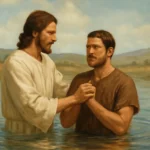
Immersion is associated with the strong biblical symbolism of burial and resurrection—dying to sin and rising to new life in Christ. Romans 6:3-4 describes baptism as being buried with Christ into death and raised to walk in newness of life, which has led many to understand baptism as an immersion ritual. The Acts accounts, such as Acts 8:38 where both Philip and the Ethiopian eunuch go down into the water and then come up out of the water, are often cited as explicit biblical support for immersion.
Pouring
Pouring, or effusion, is a historically common alternative, especially in situations where immersion is impractical due to geography, climate, or limited water access. Some early church communities practiced baptism by pouring as a legitimate mode when water was not readily available. The biblical emphasis in these cases remains the inner reality of faith and the public declaration of belonging to Christ, rather than the exact physical action.
Sprinkling
Sprinkling has also served as a permissible practice in various historical contexts, though it is less commonly associated with baptism in the New Testament imagery. In some traditions, sprinkling is used for infant baptisms or in situations where immersion is not feasible, with the emphasis on cleansing and new life in Christ rather than the mechanics of the act itself.
Regardless of the method chosen, modern baptismal practice should be grounded in reverence for Scripture, clarity about the meaning of the rite, and consideration for the candidate’s dignity and spiritual well-being. Churches often outline practical guidelines for water temperature, clothing, privacy, and post-baptism care to maintain a Christ-centered, inclusive atmosphere.
A Step-by-Step Guide to Conducting a Biblical Baptism
Confirm readiness and ensure the candidate understands the meaning of baptism, what it publicly declares, and what it means to follow Jesus. This often involves a short conversation or a catechetical session.
Provide clear teaching about the gospel, repentance, faith, and the symbolism of death to sin and new life in Christ. The candidate should be able to articulate in their own words what they believe and why they want to be baptized.
Obtain consent and sponsorship where appropriate. In many traditions, baptism is performed by a pastor or elder, sometimes with sponsors or godparents participating in the ceremony.
Prepare the place and the water—whether in a baptismal font, a river, or another suitable setting. Ensure safety, privacy, and an atmosphere that honors the solemn nature of the rite. Confirm water quality and temperature conducive to comfort and safety.
Choose the baptismal formula based on the church’s confession and biblical emphasis. Decide whether the baptism will be performed in the name of the Father, and of the Son, and of the Holy Spirit (Matthew 28:19) or in the name of Jesus (Acts 2:38 and related passages), with an understanding of your tradition’s theology.
Offer a short prayer that asks for the Holy Spirit’s guidance, the cleansing of sin, and the believer’s empowerment for new life in Christ. The prayer should be inclusive and gracious, focusing on God’s grace rather than human merit.
Perform the baptism in the presence of witnesses. The exact gesture may vary: in immersion, the candidate is fully submerged and then raised; in pouring, water is poured over the head; in sprinkling, a small amount of water is sprinkled on the head. All participants should maintain a posture of respect and worship.
Announce the baptism publicly and offer a brief blessing or exhortation. This moment links the personal act to the life of the church and the believer’s ongoing discipleship.
Provide aftercare and accountability—connect the new believer to a local group or mentor, encourage participation in worship and Bible study, and outline next steps in discipleship or church involvement.
Document the baptism for the church records, and consider sharing a short testimony if the candidate desires. Documentation helps preserve the historical memory of the event within the congregation.
Example scripts for the moment of baptism vary by tradition. Below are two concise options you can adapt with care to fit your church’s theology and practice:
Trinitarian formula example: “I baptize you in the name of the Father, and of the Son, and of the Holy Spirit.”
Jesus-centered formula example: “I baptize you in the name of Jesus Christ for the forgiveness of sins and you shall receive the gift of the Holy Spirit.”
Whether you adopt one approach or another, the aim is the same: to honor the biblical call to baptism, to express the gospel clearly, and to welcome the believer into the fellowship of the church with reverence and joy.
Common Questions and Scriptural Answers
Is baptism necessary for salvation?
Biblical texts teach that baptism is an important response to faith and grace, but most Christian traditions stop short of saying it is the sole determinant of salvation. Baptism is often viewed as a public sign that God has already saved a person by grace through faith (Ephesians 2:8-9; Acts 16:31). Many churches affirm that faith in Christ is primary, and baptism follows as the obedient response to that faith.
Can infants be baptized?
Different traditions answer differently. Some practice infant baptism based on a covenantal view of God’s people (e.g., household baptisms in Acts 16:15; 16:33 and the practice of infant baptism within certain creeds). Others reserve baptism for those who can make a personal profession of faith. The biblical text emphasizes personal faith, but it does not always provide a straightforward rule for infants. Communities often rely on catechetical instruction and the ongoing faith journey of the family and church.
What about baptism if water is not readily available?
Scripture does not mandate a particular environment. If water is scarce, many traditions consider pouring as a legitimate and faithful alternative to immersion while maintaining the symbolism of cleansing and new life. The critical factor is the believer’s faith and the church’s affirmation of that faith in the baptismal act.
Should baptism be performed by a pastor or can lay leaders baptize?
Baptism is typically administered by someone authorized in a church’s tradition (pastor, elder, or duly commissioned minister). However, in some traditions, lay leaders who have been trained and authorized may perform baptisms in specific contexts. The important point is that the act remains under the church’s doctrinal oversight and in alignment with local policies and the church’s understanding of the rite.
What is the role of witnesses?
Witnesses play a meaningful role in baptism, signaling the communal dimension of the rite. They confirm the profession of faith, celebrate the new member’s incorporation into the body of Christ, and offer support for ongoing discipleship.
Prepare witnesses and mentors so they understand the commitment involved and know how to support the new believer after baptism.
Maintain dignity and privacy during the rite, with attention to modesty, especially in public venues or outdoor settings.
Ensure safety in water locations—checking depth, footing, temperature, and accessibility for people with disabilities or health concerns.
Provide a clear post-baptism plan that includes regular participation in worship, study, prayer, and accountability partnerships.
Document the rite accurately in the church records, including name, date, location, method, and the scriptural references used as guideposts for future generations.
Beyond the technical details, leaders should cultivate a warm, gracious atmosphere that places emphasis on the grace of God and the joy of the believer’s new life in Christ. A baptism should affirm the gospel’s transforming power and invite the whole congregation into a renewed commitment to follow Jesus together.
Examples From Scripture: How Baptism Shaped Early Practice
The New Testament provides several compelling narratives that shaped how churches viewed baptism. These accounts illustrate both the theological meaning and the practical ways baptism affected communities of faith.
Jesus’ baptism is faithful obedience to the Father and an inauguration of his public ministry. It demonstrates the proper posture of discipleship and the unity of the Father’s will with the Son’s mission (Matthew 3:13-17).
The Ethiopian eunuch demonstrates how baptism functions as a response to faith. After hearing the scripture and declaring belief in Jesus, he commands the chariot to stop, and both go down into the water for immersion (Acts 8:36-39).
Pentecost and its aftermath show baptism as a critical step for those who respond to the gospel, with 3,000 believers being baptized and added to the church (Acts 2:41).
Corners of the gospel expanding to Gentiles include the household of Cornelius and the practical inclusion of non-Jews into the church, underscoring baptism as an entry into the people of God (Acts 10:44-48).
These narratives emphasize the central idea that baptism is not a standalone ritual; it is embedded in the Christian proclamation of the gospel, the formation of a faithful community, and the ongoing discipline of discipleship.
What Comes After Baptism: Ongoing Discipleship and Covenant Life
Baptism marks the beginning of a believer’s journey, not the end of one. The biblical pattern emphasizes growth in faith, participation in the life of the church, and continued obedience to Christ. Baptism is best understood within the broader framework of a covenant community where believers are nurtured through teaching, fellowship, prayer, and service.
Participation in worship and teaching as regular practices that deepen faith after baptism.
Continued conversion and repentance as lifelong realities, not one-time events.
Accountability and spiritual friendship through mentors and fellow believers who encourage perseverance in the faith (Hebrews 10:24-25; James 5:16).
Service and mission as a natural outgrowth of baptism, reflecting the believer’s new identity in Christ (2 Corinthians 5:17).
In short, baptism is a doorway into a lifelong covenant with God and a local church. It invites the Spirit’s work in a believer’s life and signals a readiness to participate fully in the life of the body of Christ.
As you consider how to baptize someone according to the Bible, remember that the core of the rite is not merely the physical act but the spiritual transformation it signifies. The Bible places emphasis on faith in Christ, repentance, and a public profession of that faith as the foundation of baptism. The practice you choose—whether immersion, pouring, or sprinkling; whether spoken in the name of the Father, Son, and Holy Spirit or in the name of Jesus—should reflect your community’s confession, fidelity to Scripture, and reverence for the person being baptized.
By embracing these biblical contours and combining them with thoughtful pastoral care, churches can conduct baptisms that honor Scripture, honor the person being baptized, and honor the Lord who commands and blesses this sacred rite.