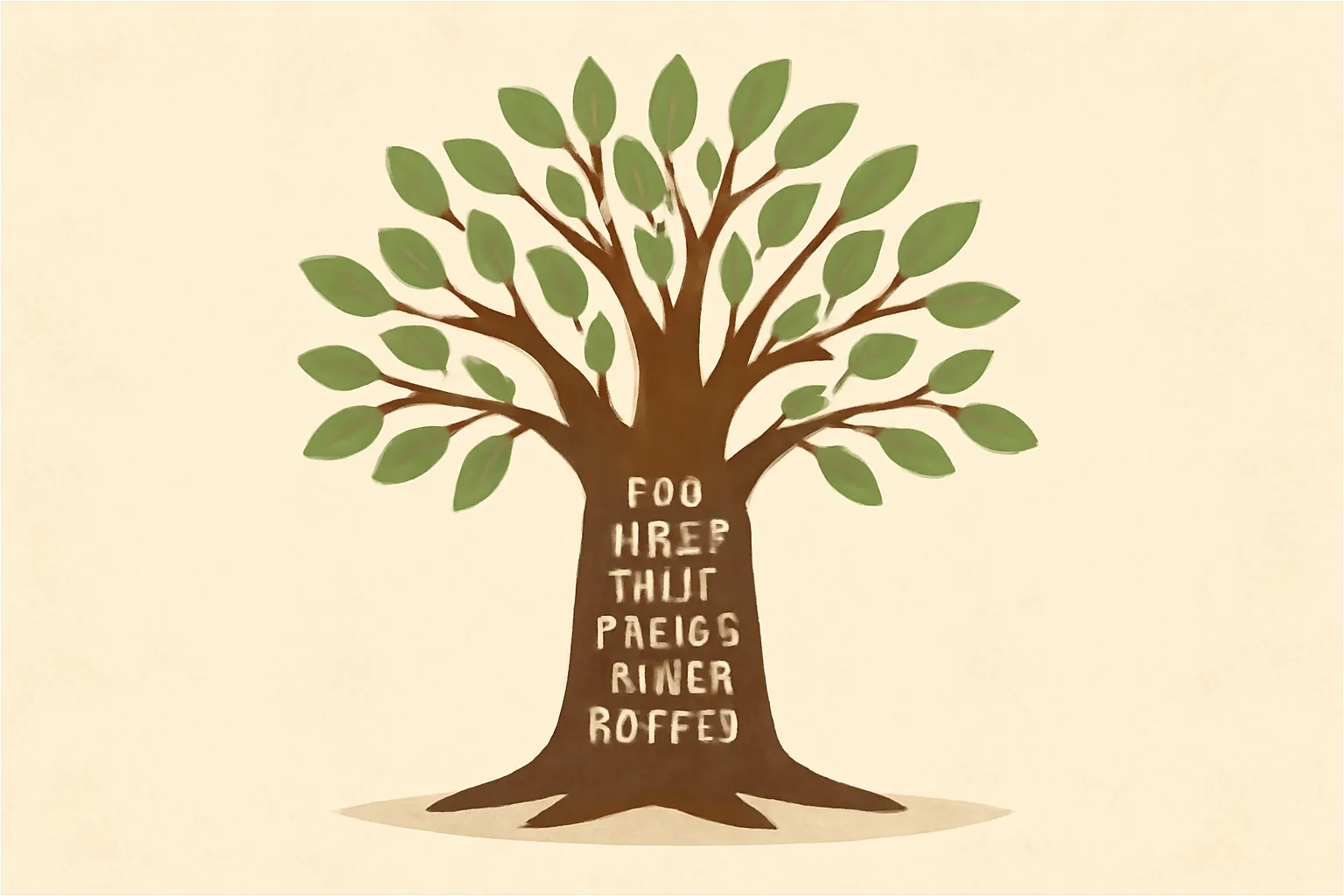
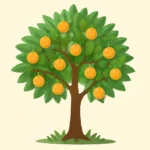
The Bible Verse Tree is a conceptual framework that helps readers organize and connect verses according to a living, growing metaphor. Just as a real tree has roots, a trunk, branches, leaves, and fruit, a verse-tree model arranges scriptural content into layers that reveal how foundational truths nourish growth, how core doctrines support broader themes, and how counsel in individual verses ripens into practical outcomes. This approach is not a canonical term from Scripture, but a popular, useful method for Bible study, preaching, and personal reflection. It invites readers to see the Bible as a cohesive, dynamic organism rather than a random collection of isolated verses.
In this article, we explore the Verse Tree from multiple angles: its meaning, its symbolism, and a curated collection of key verses that commonly inform or illuminate each part of the tree. We will also consider variations of the idea—such as calling it a verse-canon canopy or a scriptural forest—to emphasize that the concept can adapt to different study styles while preserving the core aim: to trace how God’s message grows from roots of faith to the fruit of life.
Meaning and Purpose of the Verse Tree
At its heart, a Verse Tree is a map for comprehension and application. When readers build a tree in their minds or on paper, they can see:
Roots—the foundational beliefs and sources that nourish the whole study (Scripture, tradition, and the guiding themes of God’s character).
Trunk—the central doctrines that hold everything steady and give the tree its form (for example, creation, fall, redemption, and restoration in a biblical framework).
Branches—the major thematic categories that extend the trunk into diverse directions (covenant, justice, grace, worship, discipleship, mission).
Leaves—the individual verses that illuminate specific moments, insights, or applications within the broader branches.
Fruit—the observable outcomes of faith in practice: wisdom, righteousness, mercy, and transformative living.
This layered view helps readers integrate interpretation with practice, recognizing that a verse often makes more sense when seen in connection to other verses across the Bible, just as leaves gain their meaning in the context of the tree’s growth and health.
Origins: Scriptural Imagery That Grounds the Idea
Biblical writers frequently used tree imagery to convey spiritual truths. While the phrase “Verse Tree” is not a Scripture reference, the underlying imagery is deeply biblical. Consider these anchors:
Tree of Life appears in Genesis and Revelation as a symbol of enduring life and blessing for God’s people (Genesis 2–3; Revelation 22:2).
Vine and branches in John 15 presents a intimate connection between Jesus and his followers, highlighting life that flows from union with Christ.
The righteous as a tree in wisdom literature (for example, the idea that the righteous flourish like a palm tree or are rooted like a tree by streams of water in Psalm 1 and related Psalms).
Parables with trees such as the fig tree in Luke 13 or the mustard seed growing into a tree-like form in Matthew 13, which offer lessons on judgment, growth, and the reach of God’s kingdom.
When you translate these images into a structural tool for study, you are following a long tradition of using natural imagery to illuminate spiritual truth. The Verse Tree simply formalizes that tradition into a usable framework for organizing content and guiding growth.
The tree serves a rich tapestry of symbols across the Bible. In a Verse Tree, each part of the tree carries symbolic weight that helps readers interpret verses in relation to one another:
Roots symbolize nourishment, faith foundations, and the source of life. They indicate what anchors a believer or a community—the underlying promises, covenant faithfulness, and the power of God’s word that sustains growth.
Trunk stands for unity and structure—the core message that holds diverse teachings together. A healthy trunk is resilient and supports the shape of the tree under various seasons and pressures.
Branches represent orientation to the world beyond the trunk. They show how biblical themes fan out into ethics, social justice, worship, and daily living, illustrating how doctrine becomes action.
Leaves are the individual verses, often rich with momentary insight or counsel. Leaves catch sunlight and capture specific truths that can be collected through study, memorization, or meditation.
Fruit reflects tangible outcomes—character, services to others, evangelism, and transformed living that demonstrate the truth of the root and trunk in real life.
In practice, a Verse Tree helps readers notice how a single verse can touch multiple branches or how a cluster of verses can reinforce a single idea. It also invites readers to reflect on where growth might be hindered—perhaps the roots are weak, or the branches are dry—and what spiritual disciplines could restore vitality.
The following selections are often used to illustrate how a Verse Tree can be constructed around core biblical motifs. Each entry includes a brief note on how it functions within the tree, followed by a representative verse or two. This is not a comprehensive catalog, but a practical starter set for building your own tree map.
Psalm 1:3 — A verse about vitality and fruitfulness: “He is like a tree planted by streams of water, which yields its fruit in season and whose leaf does not wither.” This is a quintessential root-to-leaf idea that emphasizes nourishment from God and sustained fruitfulness.
Jeremiah 17:7-8 — A mosaic of trust and vitality: “But blessed is the one who trusts in the LORD, whose confidence is in him. They will be like a tree planted by the water.” It expands the root-image into practical security in drought.
Psalm 92:12-14 — Long life and vigor for the righteous: “