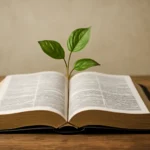
Trees have always been more than decorative elements in the Bible. They symbolize life, stability, nourishment, judgment, covenant, and the intimate presence of God with humanity. From the very first chapters of Genesis to the final visions in Revelation, trees appear as tangible reminders of God’s creation, His faithfulness, and the faith that sustains us. In this article, we explore Bible verses with trees, offering a broad survey of how Scripture uses arboreal imagery to teach, comfort, and challenge readers. We will consider creation, wisdom literature, prophetic visions, and the life of Jesus, highlighting the ways nature and faith intersect in biblical text. Each section includes select verses, brief reflections, and practical takeaways for personal devotion or group study.
Genesis: The Garden, Life, and the First Tree
The Garden, the Trees, and the Gift of Life
The opening chapters of Genesis frame creation around trees that symbolize beauty, sustenance, and a divine invitation. The Tree of Life and the Tree of the Knowledge of Good and Evil are placed within the Garden, inviting humanity into a relationship characterized by choice and responsibility.
“And out of the ground the LORD God made to grow every tree that is pleasant to the sight, and good for food; the tree of life also in the midst of the garden, and the tree of knowledge of good and evil.” (Genesis 2:9, KJV)
This verse gathers two key ideas: beauty and nourishment in creation, and a divine boundary that frames human freedom. The tree of life is a symbol of enduring life and intimate access to God, a theme that will echo throughout the biblical narrative.
The Tree of Life and the Guarded Way
After humanity’s disobedience, the narrative returns to the idea of life and access to God’s presence. In a poignant completion of the creation story, God protects the tree of life from humanity’s reach, lest they eat and live forever in a fallen state.
“And the LORD God said, Behold, the man is become as one of us, to know good and evil: and now, lest he put forth his hand, and take also of the tree of life, and eat, and live for ever: Therefore the LORD God sent him forth from the garden of Eden, to till the ground from whence he was taken.” (Genesis 3:22-23, KJV)
The image of the tree here becomes a symbol of divine boundary, mercy, and the separation that follows sin. Yet the theme of life persists as a motif that God intends for humanity to seek and rediscover through faith and obedience.
Wisdom Literature: The Tree as a Picture of Life and Righteousness
Parables, Proverbs, and the Figured Life
The Wisdom literature often uses trees to picture a life founded in God’s law, sustained by righteousness, and bearing fruit in season. In these passages, the tree is less about a single event and more about a way of living—sound roots, healthy growth, and enduring fruit.
“Blessed is the man that trusteth in the LORD, and whose hope is the LORD.” (Jeremiah 17:7, KJV) This prophecy-like wisdom echoes the lifestyle of those whose roots run deep in a living relationship with God.
Poetry and Praise: Psalms and Songs with Tree Imagery
Planting, Growing, and Flourishing: Core Psalmic Portraits
The Psalms repeatedly employ arboreal language to describe safety, vitality, justice, and worship. The imagery invites readers to identify with trees that endure, flourish, and reflect God’s steadfast love.
Psalm 1:3 — “And he shall be like a tree planted by the rivers of water, that bringeth forth his fruit in his season;” a classic image of stability, nourishment, and productive faith.
Psalm 52:8 — “But I am like a green olive tree in the house of God.” This verse invites readers to take up the olive-tree metaphor as a symbol of steadfastness and protection.
Psalm 92:12 — “The righteous shall flourish like the palm tree: he shall grow like a cedar in Lebanon.” A vivid comparison to trees that endure, rise, and endure through seasons.
Psalm 104 speaks of God’s creation in grand, lyrical terms that include noble trees and the way they are watered and sustained.
Song of Songs: Love and Trees as Metaphor
The poetic book often uses trees and orchard imagery to celebrate beauty, fidelity, and companionship. A well-known line uses the image of a tree among the woods to describe a beloved.
“As the apple tree among the trees of the wood, so is my beloved among the daughters.” (Song of Solomon 2:3, KJV)
This line is a gentle reminder that nature can illuminate intimate love, and that beauty in creation often mirrors divine love and delight.
Prophecy and Vision: The Tree in Eschatological Glory
Hope and Renewal: The Language of Life in Prophecy
Prophetic passages frequently weave tree imagery into messages about future renewal, justice, and the presence of God among His people. The figure of the tree—the righteous rooted in living faith—appears as a symbol of hope that outlasts seasons of trial.
Jeremiah 17:7-8 — “Blessed is the man that trusteth in the LORD, and whose hope the LORD is. For he shall be as a tree planted by the waters, and that spreadeth out her roots by the river.” The tree by the water embodies resilience and sustained life through divine provision.
Isaiah 55:12 — “For ye shall go out with joy, and be led forth with peace: the mountains and the hills shall break forth before you into singing, and all the trees of the field shall clap their hands.” A worshipful image where creation itself participates in praise.
Apocalyptic Vision: The Tree of Life in Revelation
In the closing chapters of the Bible, the imagery of trees culminates in the description of the heavenly city and the river of life. The tree of life reappears as a symbol of eternal blessing and divine abundance.
“In the midst of the street of it, and on either side of the river, was there the tree of life, which bare twelve manner of fruits, and yielded her fruit every month.” (Revelation 22:2, KJV)
This vision anchors Christian hope in the restoration of creation and the intimate, unbroken fellowship with God that the tree of life represents.
The Vine and the Branches: Jesus’ Living Metaphor of Connection
I Am the Vine: A Living Metaphor for Community and Fruitfulness
Jesus intensifies the tree motif by identifying Himself as a life-giving vine and His followers as the branches. This familiar image communicates the necessity of staying connected to Jesus to bear spiritual fruit.
“I am the vine, ye are the branches: He that abideth in me, and I in him, the same bringeth forth much fruit: for without me ye can do nothing.” (John 15:5, KJV)
The metaphor emphasizes dependence on Christ for growth, vitality, and mission. The image of a living vine connects believers to a single source of life, nourishment, and purpose.
Gospels in Action: The Fig Tree and Other Trees in the Life of Jesus
Parables and Real-Life Encounters with Trees
The Gospels use trees in narrative and parable to teach about faith, judgment, and the fruit of repentance. The encounters with fig trees, in particular, illustrate the tension between outward shows of religiosity and genuine fruit-bearing in a transformed life.
Luke 13:6-9 — “He spake also this parable; A certain man had a fig tree planted in his vineyard, and he came and sought fruit thereon, and found none.” The parable invites reflection on opportunity, responsibility, and the patience of God toward human growth.
Matthew 21:19 — “And when he saw a fig tree in the way, he came to it, and found nothing thereon, but leaves only, and said unto it, Let no fruit grow on thee henceforward for ever.” A sober reminder that outward appearances without genuine fruit provoke correction.
Mark 11:13-14 — “And seeing a fig tree afar off having leaves, he came, if haply he might find anything thereon: and when he came to it, he found nothing but leaves.” The story culminates in Jesus’ action of cleansing the temple, underscoring the demand for authentic worship.
Nature and New Life: Practical Reflections on Tree Imagery
How to Let Tree-Themed Scripture Shape Daily Faith
The Bible’s trees invite readers to consider both roots and reach—the deep grounding of faith and the visible fruit of love, justice, and mercy. Here are practical ways to engage with these images in personal devotion, worship, and community life.
Root deeply: Like the tree planted by the waters (Psalm 1:3), cultivate spiritual disciplines that nourish faith: prayer, Scripture reading, community, and acts of mercy. Deep roots yield resilience in trouble and a steadier witness when winds blow.
Grow fruitfully: The vine-and-branch metaphor (John 15) invites us to examine our fruit—love, kindness, truth-telling, generosity. Consider a regular practice of self-examination and accountability in order to bear consistent fruit.
Offer shade and shelter: Trees provide shelter for the weary. In the same spirit, Christians are called to provide care, protection, and welcome to those who seek shelter in a broken world.
Cultivate beauty and stewardship: Creation care is not a side project; it is a discipline of honoring God’s world. When we steward trees, forests, and landscapes, we reflect God’s care for all life and the value He places on natural beauty.
Appendix: Quick Reference—Key Verses About Trees
Genesis 2:9: The tree of life and the tree of knowledge in the garden.
Genesis 3:22-24: God guards the way to the tree of life after the fall.
Job 14:7-9: There is hope for a tree that is cut down.
Psalm 1:3: The righteous are like a tree planted by rivers of water.
Psalm 52:8: I am like a green olive tree in the house of God.
Psalm 92:12: The righteous flourish like the palm tree and cedar.
Song of Solomon 2:3: The apple tree among the trees of the wood—beloved’s beauty.
Jeremiah 17:7-8: The one who trusts in the Lord is like a tree planted by waters.
Isaiah 55:12: The trees of the field clap their hands as God’s people go forth in blessing.
John 15:5: I am the vine; you are the branches; abide in me to bear fruit.
Luke 13:6-9: The parable of the fig tree in the vineyard.
Matthew 21:19: The withered fig tree as a sign to learn about fruitfulness.
Revelation 22:2: The tree of life bears twelve kinds of fruits in the New Creation.
Daniel 4:10-12 (tree imagery in Nebuchadnezzar’s dream): a great tree in the earth.
Hosea 14:5-6 (green growth and roots like Lebanon): trees as symbols of vitality and blessing.
Closing Reflections: Nature as a Classroom for Faith
Across Scripture, trees teach patience, resilience, and generosity. They remind us that life is not only about external outcomes but about the inner health that comes from abiding in God. The repeated motifs—rootedness, growth, fruitfulness, and renewal—invite believers to cultivate a faith that endures through seasons, just as a tree endures the cycles of weather and time. Whether we read of the Tree of Life in Genesis, the caring imagery of a vine and branches in John, or the glorious tree of life in Revelation, the Bible invites us into a relationship with God that nourishes our souls and enlarges our world.
If you are studying with a group, consider a few discussion prompts:
What does it mean to be “planted by the rivers of water” in today’s context? How can we cultivate spiritual roots that sustain us in hardship?
In what ways does bearing “fruit” differ across ages, cultures, and life situations? How can we measure fruitfulness in a way that honors God?
How does the image of the vine connect with community life in a local church or faith community?
What practical steps can we take to care for creation as an expression of faith and worship?
By engaging with these tree-centered verses, readers are invited into a rhythm of reflection, gratitude, and action. The Bible’s trees point beyond themselves to a life grounded in God’s love and expressed in acts of mercy, stewardship, and faithful witness. May your study be nourished by the green hope of roots that run deep and the fruit that blesses others.