Bible Verses About Trees: Passages for Reflection and Growth
Across the pages of Scripture, trees stand as enduring symbols of life, growth, and God’s faithful provision. They appear in creation accounts, wisdom literature, prophetic visions, and the writings of Jesus and the Apostles. The image of a tree helps readers grasp big ideas—fruitfulness, rootedness, shelter, judgment, and hope. In this article, we explore a broad and varied set of tree-themed passages from the Bible, offering reflections and practical guidance for personal growth, spiritual formation, and daily worship. We will look at different kinds of trees—olive trees, palm trees, green bays, vines, and the Tree of Life—and consider how these images invite us to trust, nurture, and bear fruit in our own lives.
Foundational imagery: Trees as life, stability, and wisdom
Rootedness and resilience
From the opening poems of the Psalms to the proverbs that guide daily conduct, trees symbolize a life that is deeply rooted in God. The following passages invite us to center our lives in truth and to rest in the stability that comes from faith.
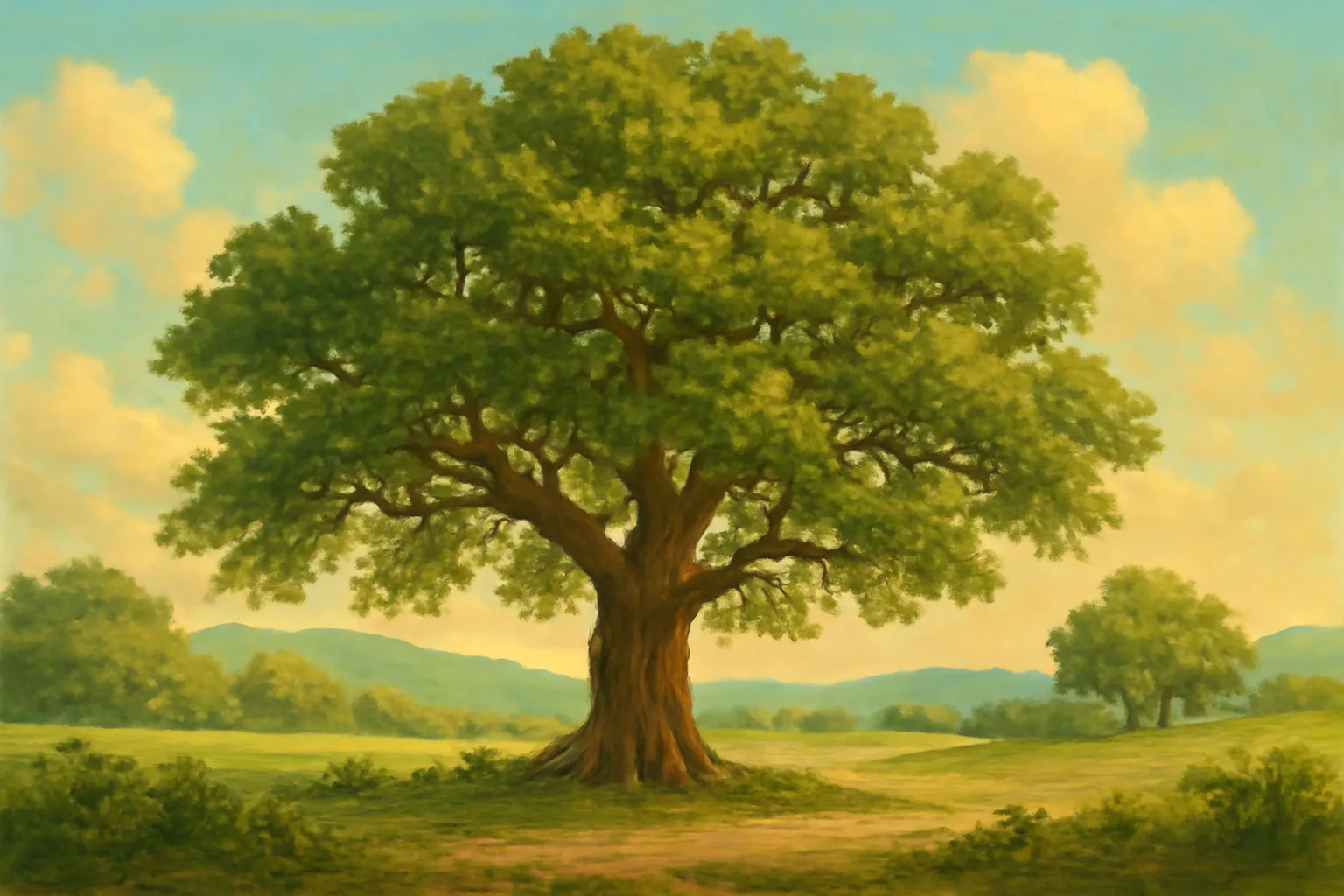
Psalm 1:3 — «He shall be like a tree planted by streams of water, that yields its fruit in its season, and its leaf does not wither. In all that he does, he prospers.» Reflection: When life feels uncertain, imagine your roots sinking into living water—the Word and presence of God—so you can endure and flourish in due season.
Jeremiah 17:7-8 — «Blessed is the man who trusts in the Lord, whose confidence is in him. He will be like a tree planted by the waters that sends out its roots by the river; it does not fear when heat comes, its leaves are always green.» Reflection: Trust anchors vitality; even in drought, faith nourishes growth.
Proverbs 3:18 — «She is a tree of life to those who lay hold of her; those who hold her fast are blessed.» Reflection: Wisdom acts as a living source of nourishment; embracing it yields lasting life.
Additional verses invite consideration of how trees endure, endure, and yield hope even when environments are difficult. They remind readers that steadfastness is not passive but rooted in God’s guidance and grace.
Psalm 52:8 — «But I am like a green olive tree in the house of God.» Reflection: Even amidst conflict and change, a heart anchored in God remains fruitful and peaceful.
Psalm 37:35 — «I have seen the wicked in great power, and spreading himself like a green bay tree.» Reflection: The image contrasts the fleeting windfall of power with the enduring character of a life rooted in truth.
Psalm 92:12 — «The righteous shall flourish like the palm tree.» Reflection: Growth can be visible and steadfast, even in seasons of challenge or fatigue.
Wisdom, fruit, and moral vision: Trees as teachers
Wisdom literature often uses tree imagery to connect knowledge with nourishment, decision-making with growth, and character with lasting fruit. These verses invite readers to cultivate a life that produces virtue and blessing for others.
Proverbs 11:30 — «The fruit of the righteous is a tree of life.» Reflection: Righteous living naturally bears life-giving outcomes for others, much like a tree that nourishes its surroundings.
Proverbs 13:12 — «Hope deferred makes the heart sick, but a desire realized is a tree of life.» Reflection: Hope kept alive through patience bears spiritual fruit that sustains faith communities.
Isaiah 11:1 — «There shall come forth a shoot from the stump of Jesse, and a Branch shall grow out of his roots.» Reflection: Messianic anticipation rests on the image of growth arising from hardship, a sign of renewed life.
New Testament fruit and the nature of discipleship
In Jesus’ teaching, trees and their fruit become a way to discern authentic discipleship, the health of spiritual life, and the interdependence of believers with Christ.
Matthew 7:17-20 — «A good tree bears good fruit, and a bad tree bears bad fruit.» Reflection: Discerning the health of our spiritual life requires attention to the outcomes our lives produce—how we treat others, how we respond to hardship, and how we love.
John 15:5 — «I am the vine, you are the branches; whoever abides in me and I in him bears much fruit.» Reflection: Connection to Christ is the source of vitality and purpose; growth happens through daily dependence and obedience.
Branches, vines, and grafted hope: New Testament imagery
Tree language continues in the teachings about Jesus, the church, and salvation history. The imagery widens to include vineyards, olive trees, and the ultimate promise of life within God’s eternal city.
Romans 11:17-24 — «If some of the branches were broken off, and you, though a wild olive shoot, were grafted in among the others and now share in the nourishing sap from the olive root.» Reflection: The grace of God invites inclusion; we are sustained not by our own strength but by Christ who nourishes all who belong to him.
Romans 11:24 — «You were cut from what is by nature a wild olive tree, and were grafted contrary to nature into a cultivated olive tree.» Reflection: The gospel invites unexpected beings into God’s life-giving family, expanding the tree of life beyond natural boundaries.
John 15:1-8 (extended context) — The vine imagery emphasizes pruning, growth, and the deepening relationship with Christ that yields fruit.
Enduring life: The Tree of Life in prophecy and revelation
One of the most powerful strands of biblical tree imagery appears in the final book of the Bible. The Tree of Life stands as a symbol of eternal life, healing, and the restoration of creation. These verses invite believers to look forward with hope and to walk in the present reality of God’s incoming kingdom.
Revelation 2:7 — «To the one who conquers, I will grant to eat of the tree of life, which is in the paradise of God.» Reflection: The Christian life includes ongoing victory through faith, with a promise of intimate life with God in a restored world.
Revelation 22:2 — «In the middle of its street, and on either side of the river, the tree of life bears twelve kinds of fruits, yielding its fruit every month.» Reflection: The eschatological image emphasizes fullness, healing, and abundance in God’s future realm.
Beyond specific verses, the Bible invites readers to contemplate the broader symbolic language of trees within the landscapes of faith. The presence of olive trees, fig trees, vineyards, and singular trees in the Garden of Eden (the Tree of Life and the Tree of the Knowledge of Good and Evil) forms a tapestry of meaning. These images teach about provision, responsibility, choice, and the possibility of renewal even after loss.
Genesis 2:9 — «The tree of life also in the midst of the garden, and the tree of the knowledge of good and evil.» Reflection: Creation presents a space of choice and relationship with God; life depends on alignment with divine truth.
Zechariah 3:10 — «In that day, declares the Lord of hosts, everyone will invite his neighbor under his vine and under his fig tree.» Reflection: Peace, hospitality, and abundance characterize God’s blessing in a restored social order.
Isaiah 65:17-25 (visionary imagery) — A new heaven and new earth where trees flourish in harmony with people; restoration replaces sorrow. Reflection: God’s future work involves the renewal of natural life as a sign of relational wholeness.
Practical reflections: How to meditate on tree verses today
Scripture invites us not only to admire tree imagery but to integrate its lessons into daily life. Here are practical ways to engage with these passages in personal devotion, family worship, or group study. Each section includes a brief reflection prompt to guide your practice.
Rootedness — Read Psalm 1:3 and Jeremiah 17:7-8 slowly, then journal a short paragraph about your own roots: What nourishes you? What living water can you drink daily? Prompt: Write one concrete step to deepen your dependence on God this week.
Fruitfulness — Reflect on Matthew 7:17-20. Consider what your life’s fruit looks like in your family, workplace, and church. Prompt: List three tangible fruits you want to cultivate and one action to support each.
Wisdom as nourishment — Contemplate Proverbs 3:18 and Proverbs 11:30. How does wisdom feed others? Prompt: Choose one proverb to memorize and practice in a real decision this week.
Vine and branches — Meditate on John 15:5. What does abiding look like in your daily rhythms: prayer, Scripture, and service? Prompt: Create a simple habit that helps you stay connected to Christ all week long.
Hope and renewal — Engage Revelation 2:7 and Revelation 22:2. Let heavenward promises shape your present expectations. Prompt: Write a one-paragraph prayer that expresses longing for the fullness of life God promises.
Journaling prompts and discussion starters for groups
If you are leading a study or sharing with a small group, these prompts can spark thoughtful conversation and personal reflection. Each prompt invites participants to connect biblical tree imagery with lived faith and constructive growth.
Prompt: Describe a season in your life when you felt like a tree planted by water. What helped you keep bearing fruit during that season?
Prompt: Choose one «tree» verse that speaks most clearly to your current challenge. How can its image guide your responses to that challenge?
Prompt: Consider the idea of being “grafted in” (Romans 11). How does inclusion in God’s people shape your sense of belonging and responsibility toward others?
Prompt: In the final prophecies and visions of Revelation, the Tree of Life signals healing. In what ways might you pursue healing—personally, relationally, and spiritually—this year?
Historical context and translations: How tree imagery has shaped interpretation
Tree imagery appears across multiple biblical genres and uses translations to convey texture and nuance. While much of the language in modern Bibles echoes the same core images, some translations emphasize different aspects—“planted by streams of water,” “green bay tree,” or “tree of life.” Understanding these nuances can deepen how readers experience Scripture. For example, the KJV often uses classic phrases like “green bay tree”, which some readers connect to historical horticulture and landscapes; modern translations might render the same idea as “green olive tree” or “flourish like a palm tree,” depending on manuscript traditions and translation philosophy. In study, it can be helpful to compare a few translations side by side to appreciate the breadth of imagery and its implications for faith practice.
Closing reflections: Trees as invitations to growth and worship
Tree imagery in the Bible invites believers into an intentional rhythm of growth: to root deeply in God’s Word, to bear fruit in love and justice, to remain steadfast through seasons of drought, and to anticipate the fullness of life that awaits in God’s promised future. Whether you are Bible student, pastor, parent, or individual seeker, these passages offer a wealth of metaphors to guide reflection, prayer, and action. The trees of Scripture remind us that life with God is not a solitary ascent but a shared, growing journey—one in which we are nourished by divine sap, sheltered by green canopies of faith, and called to extend life-giving fruit into the world around us.
Key takeaways: The recurring themes across tree passages include rootedness in God, vitality and fruitfulness that flow from that relationship, wisdom that nourishes life, and the ultimate hope of life eternal through the Tree of Life. As you read, pray, and reflect, ask God to help you become more like the trees described in Scripture: steadfast, fruitful, and full of mercy, ready to give shade and support to those around you.