Biblical baptism is a visible, symbolic act that communicates a person’s faith in Jesus Christ and entry into the community of the church. Across Christian traditions it is regarded as an important ordinance or sacrament, but the precise understanding of its meaning, mode, and timing has varied. At its core, baptism is a public confession of trust in Christ that signifies being united with him in his death and resurrection, and it marks the beginning of a lifelong journey of discipleship. Many theologians describe baptism as an outward sign of an inward reality, and as a ritual that links believers to the historical stream of God’s redemptive work from the gospel’s earliest days to the present.
The word baptism itself derives from the Greek baptizō, which most directly means to dip, to plunge, or to submerge. This linguistic root has shaped much of the Christian conversation about the preferred mode of baptism, whether by full immersion, pouring, or sprinkling. Because churches interpret the symbolism and practice differently, it is helpful to survey both the biblical foundations and the historical patterns that have emerged in Christian communities throughout the centuries.
Terminology and Variants
In English, several terms are used to describe the same biblical act, and each carries nuances that reflect specific theological emphases. Understanding these terms helps clarify what different traditions mean when they speak of baptism.
Believer’s Baptism (also called credobaptism): baptism administered after a personal confession of faith. This term is especially common among Baptist and many Protestant groups.
Infant Baptism (also called paedobaptism): baptism administered to infants or young children, often followed by later affirmation of faith as the child grows.
Water Baptism: a broad designation for the act itself, regardless of mode or age of the recipient.
Immersion (full-immersion): the water first entirely covers the person, typically symbolizing death to sin and new life in Christ.
Sprinkling and Pouring (often called perfusion): modes where water is applied to the body by sprinkling or pouring, used by several historic and contemporary churches.
Baptismal Formula: the words spoken during baptism, which differ among churches—some use the Trinitarian formula “in the name of the Father, and of the Son, and of the Holy Spirit,” while others emphasize Jesus’ name baptism, depending on tradition and interpretation of Scripture.
Ordinance or Sacrament: a way to describe baptism’s function—whether as a commanded practice to be observed (ordinance) or a sacred means of grace (sacrament)—and this labeling often reveals a church’s theological stance.
Scriptural Basis for Baptism
Jesus’ Example: The Model for Believers
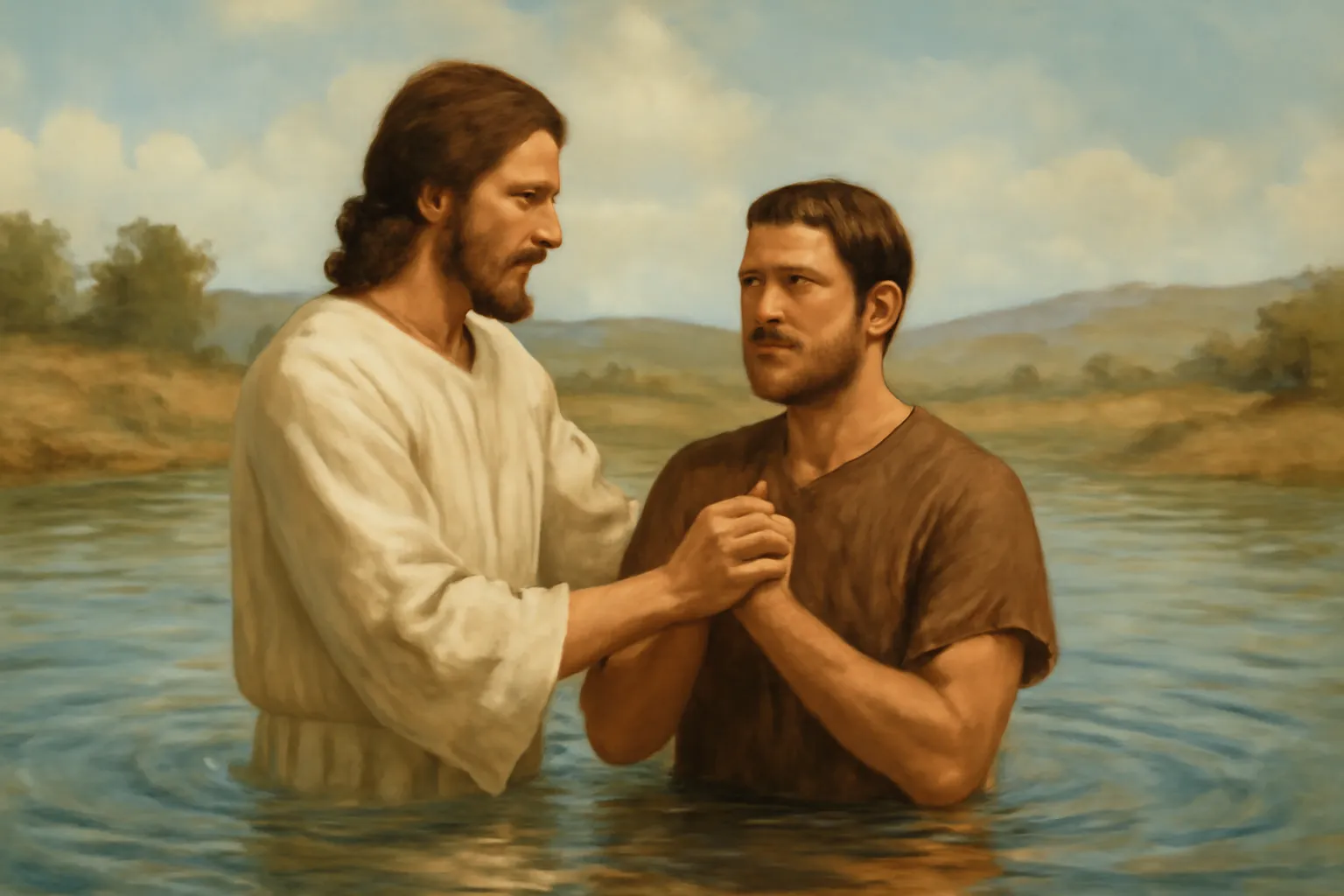
The Gospels present Jesus Himself as the one who initiates baptism’s public significance by submitting to John the Baptist’s baptism. In Matthew 3:13-17, Jesus comes to be baptized, and although John objects, Jesus consents to fulfill all righteousness. This event is deeply symbolic: the Father’s voice affirms Jesus, and the Spirit descends like a dove, signaling the inauguration of Jesus’ earthly mission. For many readers, Jesus’ baptism serves as a model for believers—an example of humility, obedience, and identification with God’s redemptive work.
The Great Commission: The Command to Baptize
In
“Go therefore and make disciples of all nations, baptizing them in the name of the Father and of the Son and of the Holy Spirit”
, the Great Commission situates baptism within the mission of the church. The act of baptizing is linked to making disciples, teaching them, and continuing with them “to the end of the age.” This formulation highlights several key ideas: the universality of the gospel, the triune character of God in the mission, and baptism as a public marker of new discipleship.
The early church displays a consistent pattern of baptism linked with conversion and reception into the church. In Acts 2:38, Peter calls for repentance and baptism for the forgiveness of sins, promising the gift of the Holy Spirit to all who respond in faith. The narrative of Acts 8:12-13 and 8:36-38 shows people who hear the gospel and respond by water baptism as a decisive step of faith. Acts 10-11 narrates the conversion of Gentiles and their baptism, indicating that baptism accompanies the inclusion of non-Jewish believers into the church.
The imagery used in Paul’s letters ties baptism to union with Christ. In Romans 6:3-4, believers are said to be buried with Christ through baptism and raised to walk in newness of life—an explicit metaphor of death, burial, and resurrection. Similarly, Colossians 2:12 speaks of being “buried with him in baptism, in which you were also raised with him through faith in the working of God.” These passages underscore that baptism is not merely a ritual; it embodies a theological truth about participation in Christ’s death and resurrection.
The Epistles contribute to understanding baptism’s place in the life of the church. Paul’s statement in 1 Corinthians 12:13—“For we were all baptized by one Spirit so as to form one body”—emphasizes baptism’s role in uniting diverse people into one spiritual community. While some texts speak of a distinct spirit baptism (the reception of the Spirit) and others of water baptism, most traditions view these experiences as related but distinct confirmatory experiences within the broader work of the Holy Spirit in a believer’s life.
Finally, the New Testament contains numerous examples of baptism in various contexts, including household baptisms (as in Acts 16:15, 16:33, and possibly 1 Corinthians 1:16). While the exact scope of “household” baptism remains debated among scholars, the pattern indicates that baptism functioned as a coherent practice when households responded to the gospel in faith.
Mode and Formula: How Baptism Was Carried Out Historically
The New Testament does not provide a single, exhaustive instruction manual on baptism, but the prevailing practice in the early church appears to have been water baptism, often involving immersion in water. The exact mode varied by context and tradition; some communities practiced full immersion, others used pouring or sprinkling in some circumstances. The matter of the baptismal formula—whether the name of the Father, Son, and Holy Spirit is essential or whether baptism can be administered “in the name of Jesus” as an alternative—has been discussed by scholars and theologians for centuries. The historical record shows both strands across different communities, with Trinitarian baptism becoming standard in many Western churches, and certain groups emphasizing Jesus’ name baptism in light of the biblical phrases they emphasize.
How to Practice Biblical Baptism Today
Foundational Premises
Across traditions, some core premises about baptism remain stable:
Faith and repentance precede baptism in most credobaptist communities; baptism is a public profession of personal trust in Christ.
Baptism is a public sign that joins a believer to the church, symbolizing entry into the body of Christ.
The act points toward the gospel’s central events: death to sin, burial with Christ, and resurrection to new life.
Different traditions affirm different modes (immersion, pouring, sprinkling) and different formulas (name of the Father, Son, and Spirit versus Jesus-only baptism). These differences reflect interpretive emphases rather than fundamental contradictions about the meaning of baptism.
Two Major Tracks: Credobaptism and Paedobaptism
Two broad pastoral approaches shape the practice of baptism in contemporary Christianity:
Credobaptism (believer’s baptism): baptism is reserved for those who can personally profess faith in Christ. It is commonly associated with the practice of full immersion in water, following personal confession of faith. This track emphasizes the conscious choice to identify with Christ and join the church through baptism.
Paedobaptism (infant baptism): infants are baptized as a sign of God’s covenant and inclusion in the community of faith, with the expectation that the child will later affirm personal faith. This approach often uses pouring or sprinkling and is tied to historical continuity with older Christian traditions, where baptism is understood as God’s gracious act that seals divine promises to the young as well as to the adults.
Below is a practical framework commonly followed by churches that practice water baptism as an essential next step after conversion.
Proclaim the gospel: Ensure the candidate has an authentic encounter with Christ, expresses repentance, and articulates faith in Jesus as Lord and Savior. Most churches require a period of catechesis or discipleship prior to baptism.
Provide instruction: Offer a brief baptismal preparation that explains the meaning of baptism, the symbolism of death, burial, and resurrection, and what it means to live as a disciple of Christ.
Decide the mode and formula: Confirm the local tradition’s preferred mode (immersion, pouring, or sprinkling) and the baptismal formula (e.g., “in the name of the Father, and of the Son, and of the Holy Spirit,” or “in the name of Jesus Christ”).
Choose a location: Baptisms may occur in a baptismal pool, a river, a lake, or a baptismal font—anything that provides a suitable setting for the ritual and for public witness.
Carry out the rite: Administer the baptism with prayer, the chosen formula, and the visible act of water application. The public nature of baptism often includes witnesses from the church and a brief proclamation of the new believer’s faith.
Follow up with discipleship: Baptism marks a beginning, not an end. Churches typically provide or encourage ongoing classes, mentoring, and integration into a local faith community to nurture spiritual growth.
Infant Baptism: A Covenant Understanding
For traditions that practice infant baptism, the act is often framed as a sign of God’s covenant with families and communities. Infant baptism is sometimes accompanied by a profession of faith or a confirmation process later in childhood or adolescence. The symbolism remains focused on cleansing and inclusion in the people of God, even as the child grows to personally affirm faith.
Believer’s Baptism: A Public Declaration
In traditions that emphasize believer’s baptism, the baptismal act serves as a clear, public declaration that an individual has trusted Christ personally. The emphasis is on the individual’s confession of faith and the voluntary choice to identify with Christ and the church. The practice often includes a testimony from the person being baptized and a faithful reception into the community of faith.
Common Questions about Biblical Baptism
Does baptism save a person?
Most traditional Christian teaching distinguishes between baptism as an essential act of obedience and the saving work of grace through faith in Christ. While baptism is a powerful sign and means of grace for many Christian communities, it is generally held that salvation comes by faith in Christ alone. Baptism is the appropriate response to that faith and a public identification with Jesus.
The question of infant baptism is debated, with strong arguments on both sides. Proponents of paedobaptism emphasize God’s covenant promises, the example of households in Scripture, and the call for the church to nurture children within the covenant community. Proponents of credobaptism stress personal faith as the prerequisite for baptism. Churches typically offer pastoral guidance to families navigating this question.
The most common biblical interpretation points toward immersion as the original mode given the Greek word baptizō, which can be rendered as dipping or immersion. However, many traditions accept pouring or sprinkling when immersion is impractical or when it better reflects local climate, available water, or safety considerations. What remains essential is the symbolic meaning: a person dies to sin and rises with Christ in new life.
Some faith communities associate baptism exclusively with the water ritual, while others emphasize that baptism also involves the subsequent receiving or confirmation of the Holy Spirit. The New Testament speaks of both water baptism and Spirit baptism in various places; the exact relationship varies among churches. In every case, baptism is connected to the Spirit’s work in creating new life and uniting believers to Christ’s body, the church.
Practical Considerations for Churches and Individuals
Pastoral considerations
Churches should approach baptism with pastoral care and doctrinal clarity. Leaders must explain the meaning of baptism within the church’s doctrine, prepare candidates carefully, and provide a clear, dignified setting for the rite. The goal is to honor the significance of the moment while ensuring a robust catechesis that nurtures ongoing faith.
Ecumenical relationships
Because baptism is one of the most visible markers of Christian identity, it often intersects with ecumenical dialogue. Differences in mode and formula should be approached with a spirit of charity, recognizing shared beliefs about Jesus as Lord, the necessity of faith, and the call to live as members of Christ’s church. When possible, churches collaborate on baptismal instruction and mutual recognition of baptismal waters, while maintaining their distinctive practice.
Historical and Theological Reflections on Baptism
From the early church to the present, baptism has reflected both unity and diversity within Christianity. The early Christians faced questions about who should be baptized, how to baptize, and what the rite signified for Gentile believers and Jewish converts alike. Across centuries, theologians have sought to articulate baptism’s meaning with clarity—seeing it as union with Christ, incorporation into the church, cleansing from sin, and a sign of God’s grace that initiates a Christian life of faith.
In many traditions, baptism remains a crucial anchor in the life of a disciple. It marks the moment when faith becomes a public witness, a confession that God has acted in Christ to redeem the world. It also begins the process of sanctification within the congregation, as new members are taught, nurtured, and integrated into the mission of Christ’s church.
Baptism is more than a ritual; it is a sacred sign that God’s promises are real in the life of the believer. Whether understood primarily as an outward sign of inward faith, a covenantal rite of inclusion, or both, baptism serves to orient the Christian life toward Christ. It proclaims the gospel’s core truths—death to sin, burial, and resurrection—and it invites the church to witness the transformative work of God in a believer’s life. By examining the Scriptural basis, acknowledging the diverse historical practices, and approaching the rite with humility and unity, Christians can honor this sacred institution while serving as faithful witnesses to the life Christ offers.
Further Reading and Resources
Biblical dictionaries and word studies on baptizō and the concept of immersion.
Historical surveys of infant baptism and credobaptism across different Christian traditions.
Commentaries on key baptism passages: Matthew 3, Matthew 28, Acts 2, Romans 6, Colossians 2.
Pastoral guides for baptism preparation, instruction, and ceremony planning.