Bible Story for Bedtime: Gentle Tales to Help Kids Sleep
Bedtime is more than a routine; it is a doorway to rest, dream, and a sense of safety. Gentle stories told with soft voices, slower pacing, and comforting detail can transform a busy day into a calm night. In this article, you’ll find a collection of bedtime-friendly Bible tales—often referred to as bible stories for bedtime, evening Bible tales, or nighttime scripture narratives—designed to soothe young listeners while weaving timeless lessons of trust, courage, and peace. Whether you’re new to these stories or you’re building a bedtime library, you’ll discover narration tips, story variations, and practical routines that help children drift toward peaceful sleep.
The aim is to create a space where kids feel secure, loved, and hopeful. By pairing familiar Biblical themes with gentle storytelling techniques—repetition, vivid but soft imagery, and opportunities for quiet reflection—you can cultivate a bedtime rhythm that supports healthy sleep and spiritual curiosity. In the sections that follow, you’ll find classic Bible tales retold for night hours, guided prompts to help you tell them, and a range of ideas to tailor the stories to your family’s needs.
Classic Bible Tales for Nighttime: Gentle Retellings and Practical Pointers
Below are a handful of well-loved Bible tales reimagined for nighttime listening. Each story includes a brief, kid-friendly synopsis, a few calm detail prompts to emphasize, and suggestions for turning the narrative into a soothing routine—without rushing through the text. You’ll also find ideas for discussion prompts and bedtime rituals that pair nicely with each tale.
Noah’s Ark: A Rainbow of Promise
In a version crafted for bedtime, you can frame Noah’s Ark as a story about safety, care, and promise. Focus on the moment when the rain slows, the waters retreat, and the rainbow appears—a gentle reminder that God’s promises endure, even after storms.
Key imagery: rain pattering, waves receding, a quiet dove, a bright rainbow.
Comfort angle: the ark as a warm, protected vessel; the presence of family and animals as a picture of community and care.
How to tell it softly: slow pacing, soft sounds of rain in the background (or a gentle white-noise track), and pauses after each major image to give space for breath.
Intro: set a calm scene—“In a world full of noise, Noah listened for a quiet whisper from God.”
Middle: describe the animals coming two by two in a rhythmic cadence; keep the details gentle and orderly.
Ending: emphasize the rainbow and the blessing: “I will set my rainbow in the clouds.”
Daniel in the Lions’ Den: Courage in Quiet Trust
The story of Daniel in the Lions’ Den can be told with an emphasis on calm courage and steadfast trust. Reframe the den as a place where Daniel remained calm, prayed, and trusted that God’s presence surrounded him even in darkness.
Key image: Daniel praying with a soft glow around him.
Message to emphasize: courage grows in quiet moments of prayer and trust; fear decreases when we remember God’s care.
Storytelling tip: narrate Daniel’s integrity as a gentle steady beat—like a lullaby rhythm—rather than a dramatic climb-and-fight tale.
Intro: “Daniel chose faithfulness even when it seemed risky.”
Middle: show the king’s worry and Daniel’s calm response to prayer.
Ending: the feasting lion scene becomes a reassurance: “My friends, you are never alone in the dark.”
Jesus Calms the Storm: Peace on the Water
Jesus calming the storm offers a vivid but soothing picture of peace arising in the midst of fear. When telling this tale at bedtime, highlight the moment when the wind stills and the sea becomes quiet—an image that can parallel a child’s breathing slowing and sleep approaching.
Soundscape: soft wave sounds, a gentle breeze, a whisper of rain on the roof.
Theme: trust in care, the comfort of a calm voice, and the power of a quiet moment with God.
Tell-tale cue: pause after “Peace, be still,” inviting your child to inhale slowly and exhale with the same quiet cadence.
Intro: “The boat rocked softly as the night grew deeper.”
Mid: describe the disciples’ worry giving way to listening and prayer.
End: a serene quiet settles over the water and the cabin, inviting rest.
Jesus and the Children: Gentle Attention and Acceptance
The scene where Jesus welcomes the children into his arms is a powerful bedtime moment about being seen, valued, and cherished. For bedtime, you can frame it as a story about kind attention and unhurried love that helps kids feel secure.
Angle for bedtime: emphasize tenderness, listening, and the warmth of presence.
Practical tip: invite your child to share one good thing from the day; respond with gentle smiles and reassuring words.
Memory cue: a simple phrase to repeat: “You are loved, and you are safe.”
Intro: “People crowded around, but Jesus made time for each one.”
Middle: highlight the response of the children—openness, trust, and ease.
End: the moment of blessing as a nightly bedtime blessing for your child.
The Good Shepherd: Guidance Through the Dark
The image of a Good Shepherd who guides and protects offers a comforting metaphor for bedtime. You can center the tale on the shepherd’s care—finding the lost sheep, guiding the flock, and leading them to green pastures—while paralleling a child’s journey toward restful sleep.
Imagery: green meadows, a safe hillside, a comforting shepherd’s staff.
Sleep cue: associate the shepherd’s gentle guidance with parent’s steady presence at bedtime.
Prayer idea: a simple blessing for protection and peace during the night.
Intro: “The shepherd knows every sheep by name.”
Middle: a calm, careful journey to safety.
End: the flock resting under a quiet, starlit sky.
Variations of Bible Stories for Bedtime: Making a Personal Collection
Every family has its own rhythm, traditions, and preferences. You can keep a lively library of bedtime Bible stories by creating gentle variations that suit your child’s temperament and your evenings’ pace. Here are some practical ways to build a bible bedtime collection that remains soothing and engaging.
Short-form retellings: condense each tale into 3–5 sentences for younger children, preserving the core message and comforting imagery.
Picture-friendly versions: pair a story with a quiet, full-page illustration or a simple pose for family photos to reinforce memory with visual calmness.
Theme bundles: group stories by themes like trust, courage, care, and gratitude, and rotate them across consecutive nights.
Repetition with variation: tell each tale using a slightly different soothing technique—different pacing, accent, or sensory detail—so the rituals stay fresh but not stimulating.
Age-adapted layers: for younger kids, emphasize safety and comfort; for older children, include gentle moral insight and reflective questions.
Practical Bedtime Rituals to Pair with Bible Tales
A calm bedtime ritual pairs well with any Bible story. The goal is to reduce stimulation, invite reflection, and guide breathing toward quiet and rest. Consider the following routines, which you can mix and match with your preferred stories.
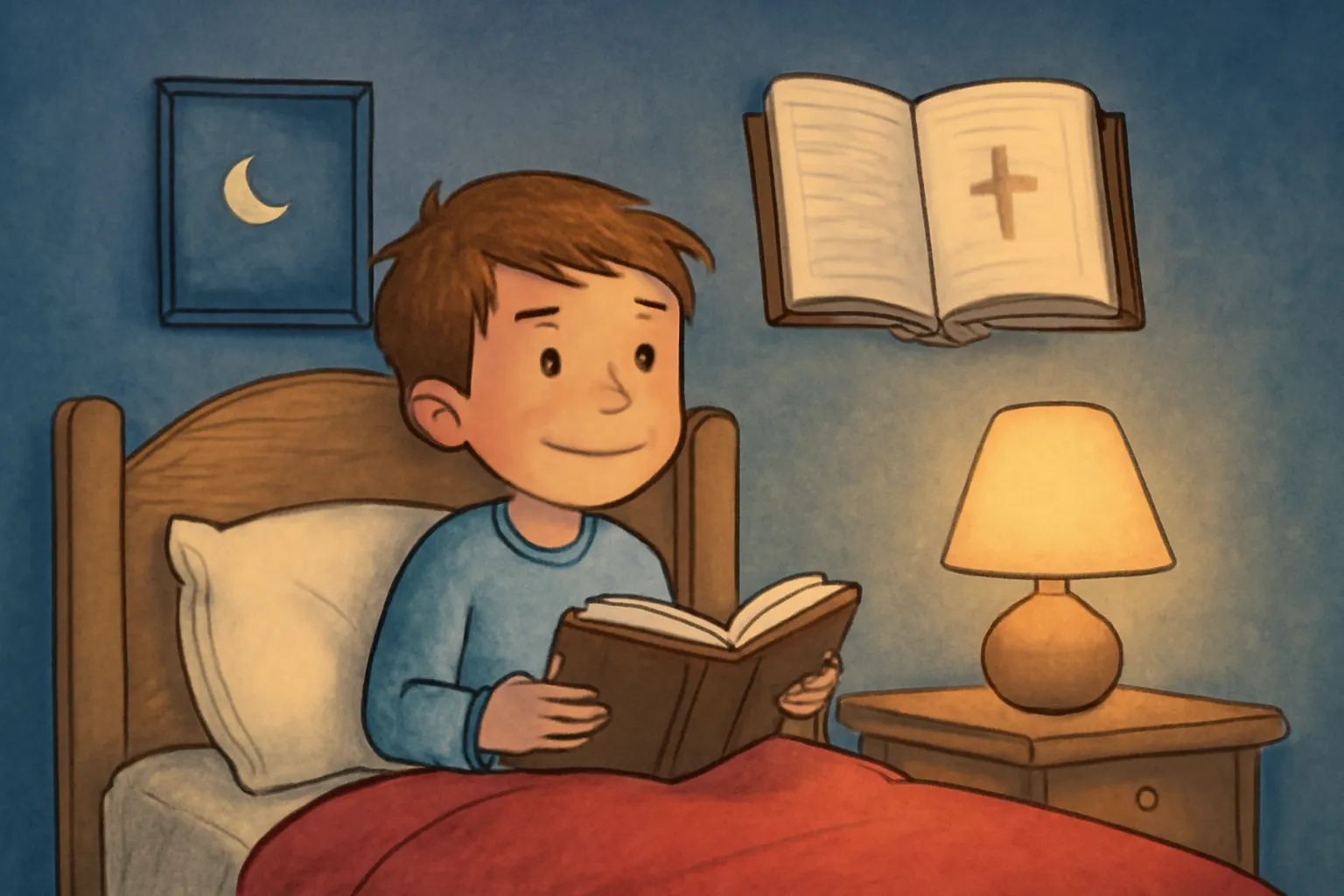
Dim the lights to create a safe, cocoon-like space. Use warm colors or a night-light that casts soft shadows, not bright glare.
Rhythmic breathing: guide your child through a simple 4-4-4 breathing pattern as you begin the story, repeating a gentle phrase like “breathe in, breathe out, sleep comes softly.”
Story pause: insert a short pause after the most comforting image (for example, the rainbow after the storm) to let the mind settle.
Record a blessing: finish with a simple bedtime blessing or a whispered prayer for safety, hope, and dreams.
Gratitude moment: invite your child to name one thing they are grateful for that day, reinforcing a positive and restful mindset.
These steps can be customized to your family’s traditions. The key is to maintain a predictable, gentle cadence that children can anticipate and rely on.
Creating Your Personal Bible Bedtime Guide
A well-crafted bedtime guide helps you stay connected with your child while keeping the routine calm and consistent. Here are practical ideas to assemble a personal guide that grows with your family.
Choose core stories (one per week or per month) and rotate through a small library of sleep-friendly narratives.
Prepare a simple script for each story: 2–3 sentences of setup, 4–6 lines of gentle narrative, and 2 lines for a closing blessing or reflection.
Build a cue card with a favorite phrase or image that signals bedtime (e.g., a soft lullaby tune or a particular lighting pattern).
Invite active participation: as children grow, ask them to choose a part of the story to retell in their own words, fostering memory and comprehension at a calm pace.
Track progress: keep a simple chart or notebook noting which stories were told, what was especially soothing, and any adjustments for future nights.
Helpful Prompts and Discussion Starters for Bedtime Bible Tales
After you tell a story, a few gentle prompts can help your child process the tale without awakening restless energy. These prompts are designed to be brief, encouraging, and comforting.
What part of the story felt warm to you? Invite a sensory response—sight, sound, or feeling—like the glow of a campfire or the sound of rain on the roof.
What would you do if you were there? A small, imaginative question that fosters empathy and problem-solving in a low-stimulation context.
What helps you feel safe at bedtime? Connect the story’s comfort to the child’s own bedtime rituals.
What promise or blessing can you carry to sleep? A simple, personal takeaway that anchors rest in faith and hope.
A Gentle Tone: The Art of Telling Bible Stories for Sleep
The way you tell a story matters as much as the content itself. A gentle tone involves pacing, pitch, and phrasing that invite calm rather than excitement. Consider these keys to effectively narrating Bible tales at night.
Voice modulation: use a soft, even voice with slight pauses after major images to give your child time to breathe and imagine.
Word choice: favor concrete, comforting imagery over overly dramatic language; emphasize care, safety, and divine presence.
Eye contact (if appropriate): maintain a gentle connection through smiles and warm expressions, not startled or intense expressions.
Environment: a cozy, quiet room with minimal distractions supports focus and relaxation.
Consistency: keeping a regular bedtime letter of a routine helps children anticipate and unwind more easily.
Closing Thoughts: The Gift of Sleep through Sacred Stories
Sleep is a time when the heart processes the day and the soul rests in peace. By weaving Bible stories for bedtime into a careful, calm ritual, you give your child a gift that grows with them: a sense of safety, a connection to faith, and a nightly doorway to dreams and quiet wonder. The stories above are not only about events from history; they are invitations to cultivate a practice of trust, gratitude, and hope as part of a healthy bedtime routine.
As you experiment with these tales, you may discover which ones resonate most deeply with your child—which images, words, or rhythms bring the most comfort. Your ability to adapt and respond to their needs is the heart of a bedtime tradition that endures. In time, both you and your child may find that the act of listening to a peaceful Bible narrative becomes a shared ritual: a quiet moment to breathe, speak softly, and drift toward sleep with a sense of being seen, loved, and protected.
An Example Night: A Short Itinerary for a Quiet Evening
If you’re looking for a practical template for an ordinary night, here is a concise itinerary that blends a Bible tale with a calming routine. It’s adaptable for younger toddlers and older children alike.
6:00 PM Light activity that’s gentle and focuses on family connection (puzzle, simple drawing, or quiet reading).
6:20 PM Dim lights, a short blessing or prayer, and a brief breathing exercise to center the body.
6:25 PM Tell a 3–5 minute bedtime retelling of a chosen tale (e.g., Jesus with the Children or the Good Shepherd).
6:30 PM Pause and listen to a soft soundscape; invite one or two sensory tokens (a blanket, pillow, or stuffed friend) that reinforce safety.
6:35 PM Reflective moment: share one thing you are grateful for and one thing you hope for in sleep.
6:40 PM Final blessing or whispered prayer and a gentle departure from the room toward sleep.
Final Note: Embracing the Peaceful Power of Bible Stories at Night
The practice of telling bible stories for bedtime centers on peace, connection, and hope. When shared with intention, these tales become more than entertainment; they are tools for shaping a child’s sense of safety, faith, and wonder as they drift toward sleep. Remember that every family’s needs are unique. It is perfectly fine to experiment and adjust—the length of the story, the level of detail, and the number of prompts—until you discover what brings the most calm and the warmest dreams.
As you embark on this bedtime journey, keep a spirit of flexibility, tenderness, and joy. Let the tender cadence of your voice, the soft glow of the room, and the timeless wisdom of the Bible converge to create nights that are not only restful but also rich with meaning. With patience and practice, your bedtime can become a sanctuary—a place where soft words, gentle stories, and trust in God help your child end the day with a heart at peace and a mind ready for dreams.