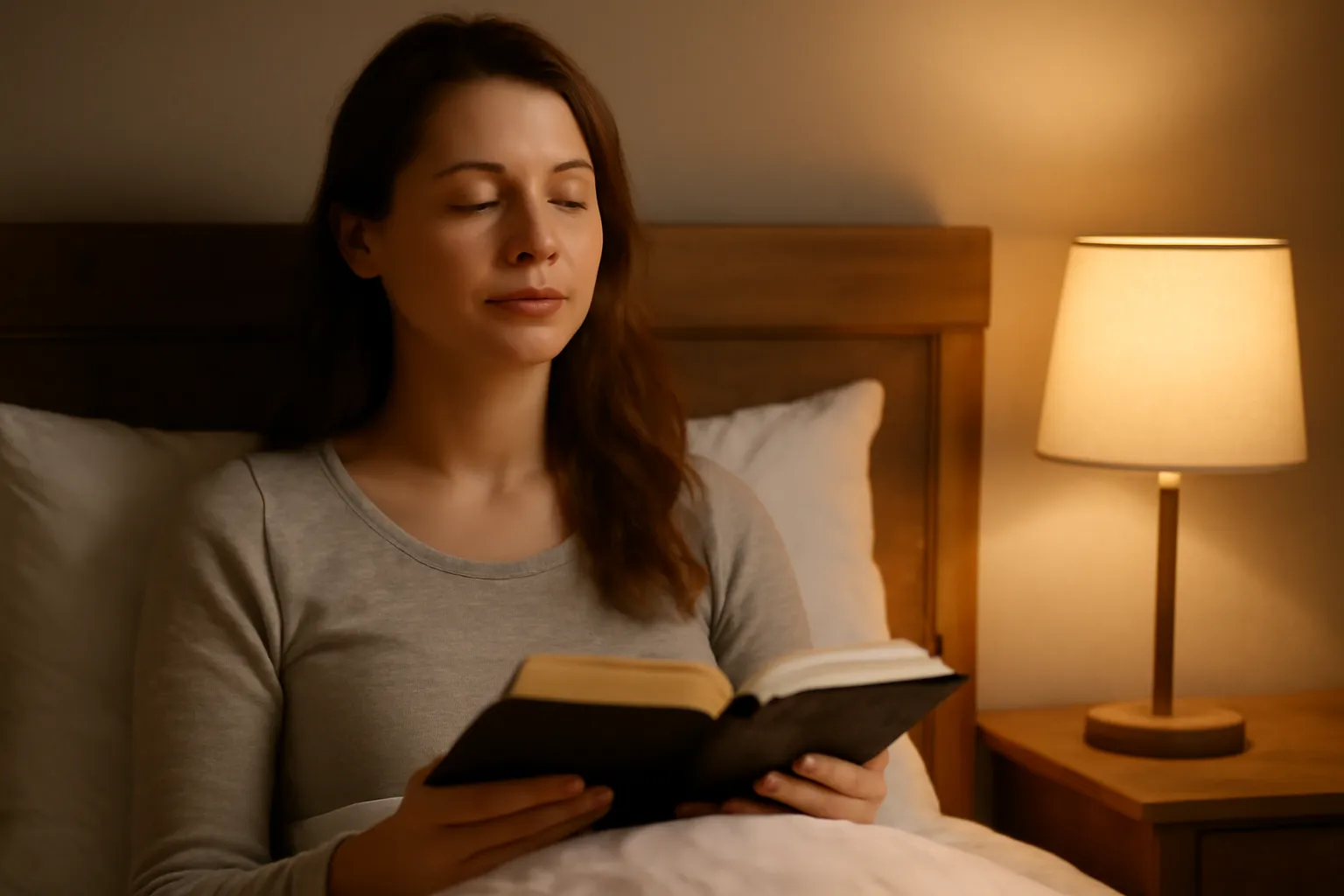
Bible meditation for sleep is a gentle practice that blends Scripture with quiet attention, inviting your mind to rest and your body to unwind. It is not about emptying the mind of thoughts through technique alone, but about filling the mind with sacred words that anchor you in peace. In this long guide you’ll find a practical, adaptable approach to bedtime meditation that centers on the Bible, helps ease anxious thoughts, and promotes restful nights.
At its core, bible meditation for sleep is a form of contemplative practice that uses short passages, verses, or themes from Scripture as a focus point. Unlike some secular forms of meditation that emphasize detachment from thoughts, biblical meditation invites you to engage with God through His Word. This approach can include slow reading, repetition of a comforting phrase, or listening to a short devotional that you ponder as you drift toward sleep.
There are several names you might encounter for this practice, all pointing to the same underlying goal: to center the heart on God’s promises and to invite His peace into the space where you rest. You may also hear phrases such as scripture meditation for sleep, biblical meditation for sleep, or scriptural sleep meditation. Although wording varies, the practice remains focused on Scripture, stillness, and trust in God.
Why Sleep Improves when We Meditate on Scripture
Many people discover that repeating or pondering Bible verses at bedtime reduces the noise of racing thoughts and calms the nervous system. While the science behind sleep is complex, the spiritual practice can contribute to a shift in attention from fear or worry to faith and gratitude. When you deliberately slow your breathing, soften your posture, and fill your mind with familiar, comforting words, you signal your body that it is safe to relax. This can lead to:
Lower stress responses as you release cortisol and adrenaline that often accompany nighttime anxiety.
Improved breathing patterns and parasympathetic activation that promote rest.
A more predictable bedtime routine that sets the stage for consistent sleep cycles.
A sense of spiritual security as you rest in God’s presence.
Behavioral studies on sleep hygiene emphasize predictable routines, limited screen time before bed, and a quiet environment. Bible meditation for sleep complements these practices by providing meaningful content to anchor attention, which can be especially helpful for those who experience worry, insomnia, or restless thoughts at night.
Core Principles of Biblical Sleep Meditation
These guiding ideas help keep practice simple, effective, and sustainable over time:
Scripture as the compass: Choose a short verse or a brief passage to focus on, rather than trying to digest a long chapter at once.
Slow, intentional breathing: Pair the verse with relaxed breathing to ease physical tension.
Gentle repetition: Quietly repeat a phrase or reflect on a word until it becomes more natural than the noisy thoughts around you.
Posture and environment: Create a comfortable space, dim lights, and a relaxed posture, so your body can settle into sleep.
Silence and listening: After the reading or reflection, listen for God’s gentle impression—an invitation to trust, gratitude, or surrender.
Flexibility: Different nights may call for different approaches—lectio divina, breath prayers, or simply listening to a brief audio meditation.
A Simple, Practical Tonight Routine
Here is a straightforward, step-by-step guide you can use tonight. It is designed to be easy to adapt, even on busy evenings.
Prepare the space (2–5 minutes): Dim the lights, remove distractions, and bring your Bible or a short devotional. If you prefer audio, you can use a short, soothing Bible meditation recording. The goal is stillness and soft atmosphere.
Detox digital: avoid screens; set a quiet timer if needed.
Choose a source: pick a single verse, a short passage, or a one-verse meditation.
Choose your focus (30–60 seconds): Select one short verse or phrase to anchor your sleep practice. Examples include: “Be still, and know that I am God” (Psalm 46:10), “The Lord gives strength to his people” (Psalm 29:11), or “Cast all your anxiety on Him” (1 Peter 5:7).
Or choose a thematic focus such as peace, trust, forgiveness, or gratitude.
Keep the selection small and intimate—one phrase that feels comforting.
Read or listen (1–2 minutes): Read the verse slowly once, then read it again aloud or in a whisper if you wish. You may also listen to a one-minute audio reflection that centers on the same verse.
Let the words settle in your thoughts without rushing to interpretation.
If your mind wanders, gently return to the verse; there is no need to force a particular insight.
Reflect in a simple way (2–5 minutes): With your eyes closed, breathe slowly and repeat the chosen phrase or verse in your mind. You can use a short breath prayer, such as “Lord Jesus, have mercy” on the in-breath and “Guide my rest” on the out-breath.
If you prefer a lectio divina approach, pause after each reading to ponder a word or image that stands out, then respond with a brief, personal prayer.
Allow the phrase to sink in—imagine it as a soft blanket or a steady harbor in the night.
Close with surrender (1–2 minutes): End with a quiet statement of trust, such as “I am held by Your care,” or simply amen. Let your breathing become the main rhythm as you drift toward sleep.
If you cannot fall asleep within a few minutes, stay present with the breathing and the verse until sleep arrives, or gently exit the routine and try again the next night.
Optional add-ons (as needed): If you have persistent racing thoughts, you can add a brief body scan (noting areas of tension and releasing them) or a calming visualization (e.g., imagining a calm lake or a quiet garden) while keeping Scripture front and center.
One gentle variation is a simplified lectio divina approach tailored for bedtime. It can be used with the same short verse or a small passage.
Read the verse slowly once.
Reflect on a phrase or word that stands out.
Respond with a short, personal prayer or a moment of listening for God’s presence.
Rest in God’s peace as you fall asleep.
Breath Prayer for Sleep
Another effective approach is a simple breath prayer, where you pair breath with a brief spiritual phrase.
Inhale: “Lord, …”
Exhale: “… have mercy”
For example, inhale “Jesus,” exhale “I trust You.” Repeat until you feel the body soften and sleep arrive.
Variations of Bible Meditation for Sleep
Pregnant with possibilities, the practice can take several forms depending on your temperament, time constraints, and what helps you rest most fully. Here are several variations to consider, all rooted in Scripture and designed to cultivate gentleness before sleep.
Scripture-Focused Sleep Meditation
In this approach you stay with a single verse or a short sequence of verses. The aim is not to exhaust interpretation but to let the Word rest in your heart as you prepare for sleep. This is especially helpful when you want a calm, predictable routine.
Breath-Centered Scripture Practice
Pair short verses with slow, rhythmic breathing. The breath anchors the body, while the verse anchors the heart. This method often reduces restlessness and ground your thoughts in a divine reality.
Promise-Based Evening Reflection
Center your meditation on God’s promises. Recite or ponder verses that declare His faithfulness, protection, and care. This is particularly comforting if you’re carrying concerns about health, finances, or relationships.
Forgiveness and Release Meditation
Focus on verses about forgiveness, grace, and releasing burdens. This practice can help you let go of guilt or bitterness that can keep the mind awake at night.
Many find that meditating on the Psalms, with their rich language of lament, praise, and trust, provides a powerful bridge to sleep. Short selections such as Psalm 4, Psalm 23, and Psalm 121 can be especially soothing at the close of the day.
Audio-Enhanced Sleep Meditation
If you benefit from auditory input, consider using a short, Bible-based audio recording or a guided sleep meditation that centers on Scripture. Audio can be particularly helpful for settling nerves and providing a gentle cadence as you drift off.
Time-tested Verses to Meditate Before Sleep
Here is a curated set of verses organized by theme. You can memorize one verse per night or rotate among a few depending on your needs. The goal is to let these words become familiar friends as you enter rest.
Promises and Assurance
“Be still, and know that I am God” (Psalm 46:10)
“The Lord will keep you from all harm—he will watch over your life” (Psalm 121:7)
“Your peace I give you. I do not give to you as the world gives” (John 14:27)
Calm and Peace
“The God of peace will soon crush Satan under your feet” (Romans 16:20) — used as a reminder of peace in the night
“You will keep in perfect peace those whose minds are steadfast because they trust in you” (Isaiah 26:3)
Comfort in Trouble
“When I am afraid, I will put my trust in you” (Psalm 56:3)
“Cast all your anxiety on him because he cares for you” (1 Peter 5:7)
Forgiveness and Release
“For I will forgive their wickedness and will remember their sins no more” (Hebrews 8:12)
“There is therefore now no condemnation for those who are in Christ Jesus” (Romans 8:1)
Strength and Rest
“He gives strength to the weary and increases the power of the weak” (Isaiah 40:29)
“In quietness and trust is your strength” (Isaiah 30:15, paraphrase for meditation)
To support your practice, you can use a mix of physical and digital resources. The idea is to have a small, reliable set of options you can reach for at night:
Pocket Bible verses: A small card or note with 3–5 verses you rotate through.
Short devotionals: A one-minute or two-minute scripture reflection you can recite at bedtime.
Audio meditations: 1–3 minute audio clips designed for sleep, often read in a soothing voice and set to gentle music.
Journaling prompt cards: Brief prompts such as “Today I release…” or “I trust God’s plan for…,” to ease into rest without long writing time.
Remember, the goal is simplicity and consistency, not perfection. If a certain format helps you sleep, you can keep using it for weeks or months until it no longer serves you, then switch to another approach.
Handling Obstacles in Bible Meditation for Sleep
Even with a simple routine, obstacles can arise. Here are common challenges and practical responses.
Racing Thoughts
Slower, shorter verses can help. Begin with a single phrase and repeat it with every exhale.
Limit the practice to 5–7 minutes initially, then gradually extend as sleep becomes easier.
Consistency matters. A gentle 21-day plan can help form a sustainable habit without feeling burdensome. You can adapt the pace to suit you, but the structure below offers a balanced rhythm of variation and repetition.
Days 1–3: Pick a single verse focused on peace. Read it once, reflect, and meditate for 5–7 minutes before bed.
Days 4–6: Add a breath prayer with the same verse. Inhale the name of Jesus; exhale worry or fear. Keep it for 7–9 minutes.
Days 7–9: Switch to a short Psalm (e.g., Psalm 4). Use lectio divina with two readings and a simple response.
Days 10–12: Introduce a different theme (trust or forgiveness) and cycle through it while maintaining a 7–10 minute window.
Days 13–15: Try a breath-prayer variant with Psalm 23 lines or a verse about safety (Psalm 121).
Days 16–18: Use a single verse as an anchor all night, and add a brief visualization of resting under God’s protection.
Days 19–21: Combine elements you’ve preferred—lectio divina, breath prayer, and a calming visualization—and tailor the routine to your nightly needs.
Tips for the plan: keep one or two core verses handy, keep the time modest at first, and gradually extend as your sleep becomes more settled. The aim is consistency over intensity.
Why This Practice Works for Different Lifestyles
People from many backgrounds can benefit from a nightly, Bible-centered meditation. Here are a few examples of how different life situations may respond to the practice:
Parents with young children can establish a brief, predictable routine that signals bedtime for everyone in the home.
Students or professionals facing deadlines may find that Scripture-based reflection reduces rumination and improves sleep quality.
People in transition or grief can lean into verses of comfort and hope, allowing the words to carry their thoughts toward rest.
Those who have struggled with anxiety or trauma can employ short, comforting phrases that emphasize safety and God’s closeness.
Ultimately, the practice is not about forcing sleep but about creating a quiet space where God’s truth can meet your mind and body as you prepare for rest.
Tips for Beginning and Maintaining the Habit
Start small: Even a 3–5 minute routine is a win. You can lengthen gradually as you grow more comfortable.
Be flexible: If a particular verse feels distant one night, switch to a short phrase or a breath prayer tied to a single word like “peace” or “trust.”
Pair with healthy sleep hygiene: Dim lights, avoid screens, keep a comfortable room temperature, and minimize caffeine late in the day.
Keep a simple journal: If you wish, jot one sentence about how the verse touched you that night. Don’t turn it into a burden; let it be a light note for the next evening.
Invite patience: Sleep might not arrive immediately. The practice is about building a bridge to rest, not guaranteeing instant sleep every night.
Embracing Rest Through the Word
Sleeping well is a gift that supports every facet of life—from physical health to emotional resilience and spiritual vitality. Bible meditation for sleep offers a simple, accessible pathway to that gift by centering your last conscious moments of the day on God’s Word. By focusing on a short verse, pairing it with calm breathing, and inviting God’s peace to fill your room, you align your heart with assurance and your body with rest. Whether you call this biblical sleep meditation, scripture-based rest, or sleep meditation on the Bible, the practice remains a faithful, practical way to end the day in trust and love.
If you’re curious to explore further, try one of the variations described above, or combine them to craft a nightly routine that feels right for you. With gentleness and consistency, you can cultivate restful nights that renew your body, calm your mind, and deepen your sense of God’s nearness as you sleep.