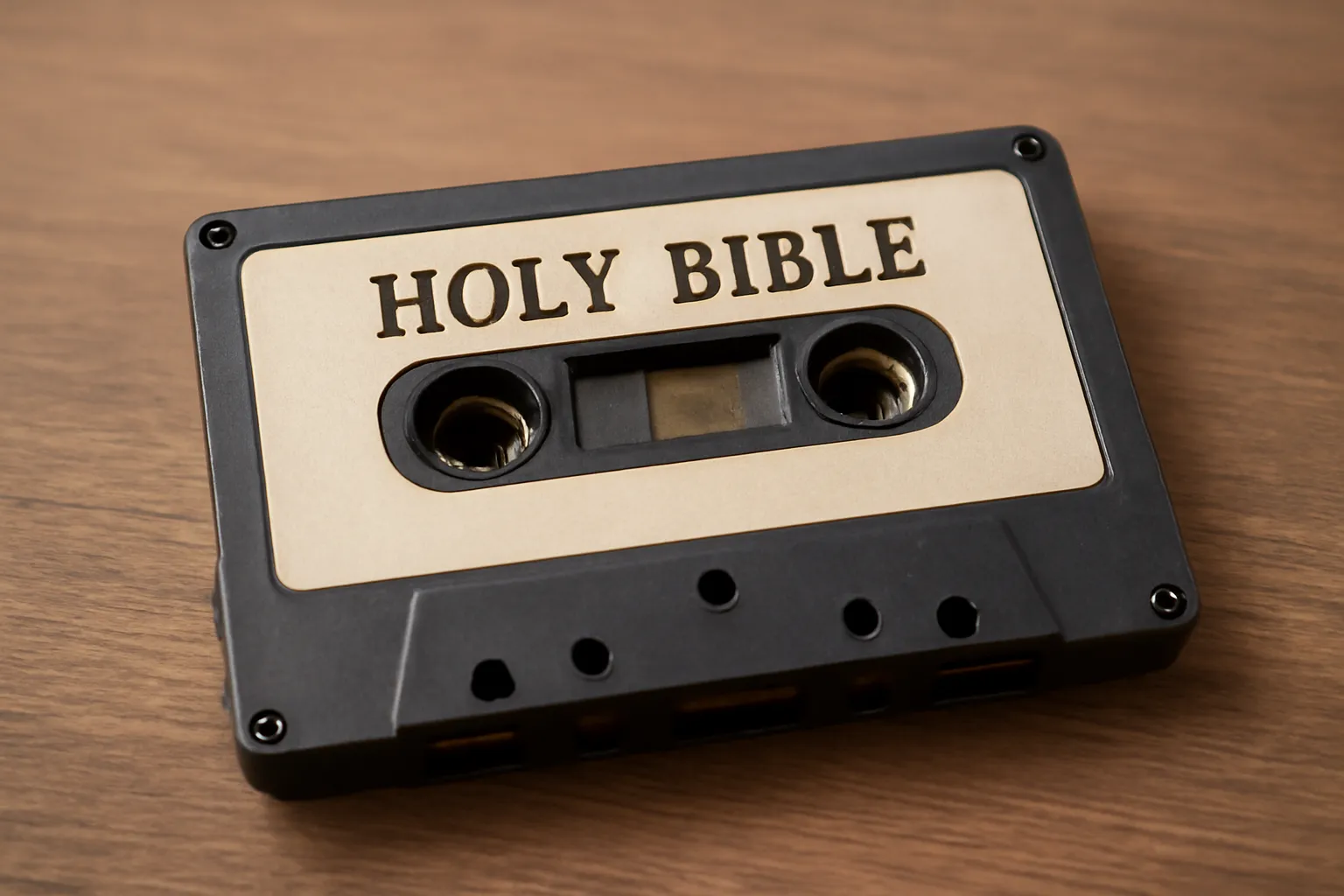
The phrase Bible tape covers a family of tapes that Christians, crafters, and conservators use to enhance memory work, decorate pages, reinforce delicate bindings, or label verses. Though the name sounds simple, the world of scripture tape is diverse. Some versions are designed for aesthetics and journaling, others for long-term preservation, and still others for quick, temporary labeling. In this article, you’ll learn what Bible tape is, how to use it, and where to buy it, with practical guidance for beginners and seasoned crafters alike.
At its most general level, Bible tape refers to a range of adhesive tapes used in activities connected to Bible study, devotional journaling, page repair, and archival conservation. The term can describe several distinct categories, each with its own textures, adhesives, and intended lifespans. Here are the main varieties you’ll encounter, along with their typical purposes:
Decorative Scripture Tape (often washi tape with Bible verses or religious motifs): Aimed at embellishment and creative journaling, this is usually colorful, patterned, and easy to tear or cut. It’s popular for Bible journaling, prayer journals, or scrapbooks.
Scripture Washi Tape (a subtype of decorative tape): A flexible, paper-based tape that adheres gently to paper surfaces and can be repositioned on some occasions. Ideal for marking pages, color-coding passages, or creating tabbed dividers without bulk.
Archival Bible Repair Tape (acid-free, pH-neutral): A conservation-grade option used by library or archival professionals and careful hobbyists to mend tears, reinforce fragile edges, or temporarily stabilise a page before a proper repair. These tapes are designed to minimize acid transfer and yellowing over time.
Clear or Translucent Tape (double-sided or single-sided): Useful for repairing small tears on Bible pages or laminating small labels while keeping the surface visually clean. This category may include acid-free or archival-grade variants.
Labeling Tape (tape with printed verses or customizable space for writing): Helpful for study aids, marking sections, or creating quick study guides inside a Bible or journal.
Specialty Bible Tape (laminate-like or tear-resistant options): These tapes are designed for specific tasks, such as reinforcing the spine, sealing packaging for Bible-related gifts, or creating durable bookmarks.
Across these varieties, the common thread is that a tape is used to attach, decorate, or preserve items associated with Bible study and religious life. The materials—ranging from paper and vinyl to fabric-backed films—determine how the tape behaves: how strongly it adheres, whether it can be peeled away without damage, and how it ages with exposure to light, humidity, and oils from hands.
When people ask for bible tape, they are often looking for one of two practical outcomes: to decorate a journal with meaningful verses or to strengthen a fragile page. Each goal suggests a different choice of tape. Aesthetics-driven users prioritize color, pattern, and texture; conservation-minded buyers prioritize archival properties and reversible adhesion. It’s helpful to keep both goals in mind when choosing which tape to buy or use.
Types and Variations of Bible Tape
To help you navigate the market, here is a closer look at common varieties, with notes on best uses and caveats. Keep in mind that product names vary by brand, but core properties tend to align with the categories below.
Decorative Scripture Tape
This class typically features Bible verses, religious imagery, or inspirational quotes printed on the tape. It often comes in a wide palette of colors and patterns, designed for creativity rather than preservation. When applying decorative scripture tape to a Bible page, consider:
It may be repositionable or permanent, depending on the adhesive.
It is ideal for journaling, “tip-in” elements, and tabbed sections.
Be mindful of gloss and surface texture—some pages may show ghosting or bleed-through on very thin paper.
These tapes are favored when you want the repair or labeling to be discreet. Some advantages:
Discreet appearance on white or pale Bible pages.
Higher likelihood of compatibility with a wide range of inks and markers.
Many options are acid-free and designed for short- to mid-term preservation rather than long-term archival use.
Labeling and Verse-Printing Tapes
In addition to decorative and repair tapes, there are tape-based labeling solutions and verse-printed tapes designed to help readers navigate chapters, sections, or study prompts. These can be used to:
Create quick chapter tabs on the Bible spine or edge of pages.
Mark study prompts or devotional themes within margins.
Serve as a quick-reference system for families or study groups.
How to Use Bible Tape
Using Bible tape effectively requires a combination of technique, patience, and an understanding of the goal you’re trying to achieve. Below are practical steps and considerations for bible tape usage across common scenarios.
General Preparation and Safety
Assess the page condition: If a page is brittle, thin, or heavily creased, you may want to avoid applying any tape that could cause further damage. In some cases, consult a professional conservator.
Test on a scrap piece: If you have access to scrap paper or a hidden area of the page (or back cover), test the tape’s adhesion, bleed, and ease of removal.
Choose the right tape for the job: For decorative journaling, decorative scripture tape or washi may be ideal. For repairs, archival repair tape is preferred.
Consider future care: Adhesives that yellow or become brittle over time can affect the readability and physical integrity of the page. Favor archival-grade materials for anything you want to last.
Applying Decorative Scripture Tape for Journaling
For creative Bible journaling or devotionals, follow these steps:
Plan your layout: Decide where you want a verse, border, or motif. Lightly mark with a pencil or use drafting tape to map spaces.
Cut to size: Use scissors or a craft knife to trim the tape to the desired length. For precision, cut in small segments rather than long strips.
Position without pressure: Place the tape at the intended spot, press gently with a clean fingertip, and check alignment before applying full pressure.
Layer cautiously: If layering multiple tapes, leave tiny gaps to avoid overcrowding the page. Consider whether the longer-term readability of the page will be affected.
Fix minor errors: If you need to reposition, do so promptly while the adhesive is still workable. If you’re using a more permanent tape, you may want to carefully peel back and reapply.
Using Archival Tape to Reinforce Fragile Pages
For fragile or torn pages, archival tape can offer temporary reinforcement while preserving readability. Steps include:
Isolate the tear: If possible, align the torn edges so that the text remains readable on both sides.
Apply along the tear line: Place a narrow strip of archival repair tape along the reverse side of the tear to hold the two edges together. Avoid covering the ink if the adhesive could bleed through.
Reinforce edges: For long edges or corners, apply a small strip along the edge to slow further tearing. Don’t over-tape, as this may create stiff, unnatural edges.
Conserve space: If the tear is near illustrations or borders, be careful not to obscure important visuals or marginalia.
Document the repair: If the Bible is valuable, consider keeping a note of the repair for future conservators, including tape type and date of application.
For study efficiency, consider using tape to create tabs or margin notes:
Write legibly on the tape with a fine-tip marker. If possible, use a pigment or archival ink that won’t smear.
Attach tabs at the top or side edge of pages for quick access to chapters or sections.
Color-coding can help track study topics or devotional themes (e.g., blue for prayers, green for Psalms, yellow for proverbs).
Tips for Bible Journaling with Tape
Balance: Use tape as accent rather than overwhelming every page. A restrained approach typically yields a cleaner, more contemplative result.
Texture and weight: Heavier paper or thicker Bibles tolerate tape differently than thin, delicate pages. Test before committing.
Longevity: If you plan for long-term preservation, favor acid-free and archival-grade tapes; avoid tapes with aggressive solvents or permanent bonds on fragile pages.
Storage considerations: Store tapes away from direct sunlight and humidity to prolong adhesive performance and colorfastness.
Where to Buy Bible Tape
Purchasing the right tape depends on your goals—decorative crafting, journaling, or conservation. Below are practical options for finding bible tape products, along with buying tips and what to expect in terms of price and quality.
Online Retailers and Marketplaces
Online outlets are the most convenient way to explore a broad range of tapes. Look for:
Decorative scripture tape listings on major craft sites and marketplaces.
Archival repair tapes from archival suppliers or conservation-focused shops.
Customer reviews and product specifications detailing adhesive types, acid content, and removability.
Bulk options and bundles that let you experiment with different textures and patterns.
Common search terms to use online include: “scripture washi tape,” “Bible verse tape,” “archival Bible repair tape,” “acid-free labeling tape,” and “Bible journaling tape.”
Christian Bookstores and Gift Shops
Brick-and-mortar stores often carry tapes that are Christian-themed or suited to devotional crafts. When shopping in person, you can:
Inspect texture, thickness, and adhesive strength in real time.
Ask staff about product recommendations for Bible journaling versus conservation.
Compare brands and read packaging details about acid content and recyclability.
Art and Craft Stores
Large craft chains and local art supply shops typically stock decorative tapes, including scripture-themed options. Tips for purchase:
Check for “washi tape” or “decorative tape” sections that include religious motifs or scripture prints.
Be mindful of generic decorative tapes that may not be acid-free or archival-grade; reserve these for journaling rather than repairs on important pages.
Look for pigment- and temperature-stable inks if you plan to write directly on the tape.
Choosing the Right Bible Tape: Practical Considerations
Your choice of tape should align with your purpose, the type of Bible you own, and long-term expectations. Here are practical decision criteria to keep in mind:
Page type and condition: Delicate pages benefit from low-tack, archival tapes. Heavier pages tolerate a wider range of adhesives.
Intended lifespan: For temporary labeling or quick journaling, decorative washi with repositionable adhesive may suffice. For heirloom preservation, choose archival-grade repair tapes.
Inks and prints: If you plan to write on the tape or apply ink nearby, verify that the adhesive won’t smear the ink or bleed through the page.
Removability: If you expect to rebind, relace, or restore the Bible, opt for tapes described as removable or reversible, and keep records of what was applied.
Environmental considerations: Heat, humidity, and light exposure influence tape aging. Choose tapes that are designed for your climate and storage conditions.
Here are some common questions people have about bible tape and their concise answers:
Is Bible tape safe to use on all Bible pages? Not always. Delicate pages and modern gloss coatings may react differently. Always test on a scrap area first and avoid covering important text with adhesive whenever possible.
Can I remove tape after applying it? Reversibility depends on the tape. Archival or reversible tapes are designed to be removed with minimal residue; decorative tapes may leave residue on some paper types.
Will tape yellow over time? Some adhesives can yellow with age, especially if exposed to light. Archival-grade, acid-free tapes are designed to minimize yellowing and chemical changes.
Is Bible tape considered a conservation tool? For serious conservation work, consult a professional. Archival tapes are appropriate for minor repairs and reinforcement, but professional conservators use specialized materials and techniques for fragile or valuable volumes.
Best Practices for Long-Term Care with Bible Tape
If you’re building a habit of using tape in Bible study or preservation, consider these best practices to maximize safety and longevity:
Document your repairs with notes and photos so future conservators understand what was done.
Limit tape usage on the most fragile areas; use alternative methods such as linen or paper archival mends where appropriate.
Store Bibles in stable environments: cool, dry, and away from direct sunlight to reduce adhesive fatigue and page changes.
Rotate or re-evaluate decorative applications periodically. Tape that looks fine today may age differently in a few years, especially if exposed to heat or moisture.
Prefer acid-free tapes for anything you intend to keep, and reserve more decorative options for temporary layouts or non-archival projects.
Making Bible Tape Work for You
Bible tape is a versatile tool that can enhance your devotional practice, support the preservation of delicate pages, and help organize study materials. By understanding the different types of Bible tape—from decorative scripture tape to archival repair tapes—you can choose solutions that fit your goals while protecting the integrity of your Bible. Whether you are a creator engaged in Bible journaling, a reader seeking a durable repair, or a caretaker aiming to safeguard a precious volume for generations, there is a tape that can help you achieve your objective. Remember to begin with a plan, test materials, and prioritize archival-grade options for anything you wish to last. With thoughtful selection and careful application, Bible tape can be a small, practical tool that supports big outcomes in study, devotion, and preservation.