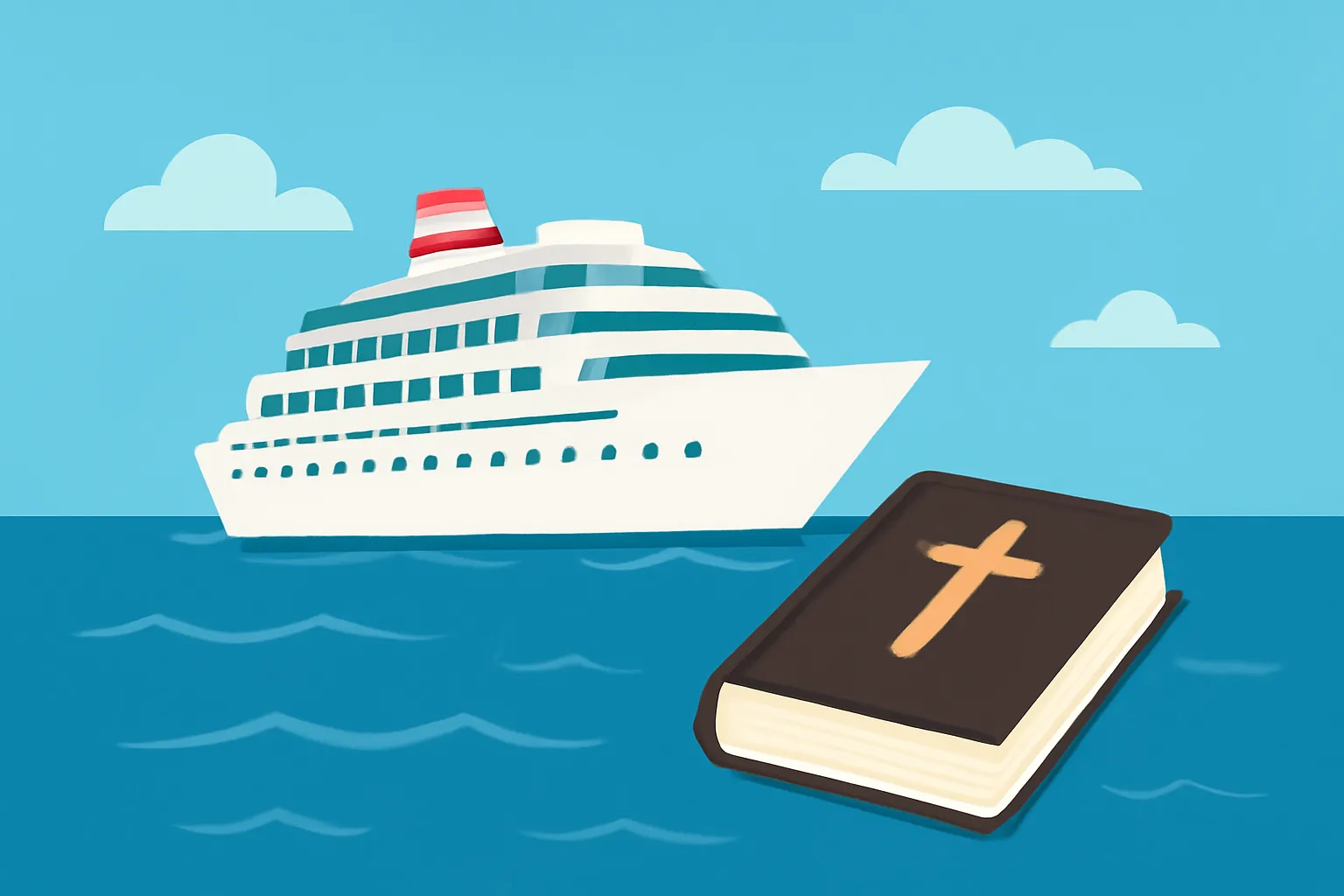
A bible cruise is more than a simple vacation at sea. It is a thoughtfully designed journey that blends visits to sacred sites with the comforts and camaraderie of modern cruise travel. Imagine days spent exploring ancient ruins and early-Christian landscapes, followed by evenings of worship, study, and fellowship onboard a ship that moves you from port to port with rhythm and grace. This combination—faith-filled travel and ocean adventures—offers a unique way to connect with scripture, history, and community in a way that land-only pilgrimages or traditional cruises rarely match.
In this guide, you will discover why many travelers choose a biblical voyage, how itineraries are structured, what to expect during shore excursions and on-board programming, and practical tips to prepare for a journey that speaks to the heart as much as to the feet. Whether you are a seasoned pilgrim, a student of biblical history, or simply curious about how faith and travel can intersect, this article lays out the essential landscape of the bible cruise experience.
There are several compelling reasons to consider a bible cruise as your next travel adventure.
Immersion in sacred history: Shore visits place you in the settings where biblical figures lived, preached, and encountered God. Walking the streets of ancient ports, reading scriptures in context, and seeing archaeological remains can deepen understanding in a way that reading alone cannot.
Structured spiritual programming: Many itineraries offer daily devotions, Bible study sessions, and guest lectures from scholars, archaeologists, and clergy. This steady rhythm supports reflection amid the pace of travel.
Community and fellowship: Traveling with like-minded travelers creates a sense of shared purpose and accountability. Group prayer, worship services, and discussion groups often become meaningful memories.
Ease and efficiency: A well-planned cruise consolidates transport, lodging, meals, and guided excursions in one package. With most meals covered and shore excursions pre-arranged, you can focus more on the experience and less on logistics.
Ocean adventures paired with sacred sites: The shipboard experience—sunrises at sea, evening performances, ports-of-call—offers a complementary backdrop to the day’s sacred discoveries.
Regions and Sacred Sites: What a Bible Cruise Covers
The geography of a biblical voyage is typically centered in two broad arcs: the Eastern Mediterranean circuit and the Israel and Holy Land extension. Each arc offers distinct emphases—either a focus on early Christian communities and biblical geography around the Aegean and Aegean-adjacent coastlines, or an intensified emphasis on the biblical lands of Israel, with overland connections to Jerusalem and other holy sites.
Eastern Mediterranean Circuit
On a classic voyage through the Eastern Mediterranean, you can expect a suite of port calls that highlight how the Apostle Paul, Jesus’ early followers, and other figures interacted with cities of the Mediterranean world. Typical port stops and their biblical resonance include:
Athens / Piraeus: A gateway to the ancient world where the Apostle Paul spoke at the Areopagus and where early Christian communities formed in a culturally vibrant city.
Mykonos or Santorini (Greece): While primarily famed for beauty, these islands anchor the journey in the broader Hellenistic world that framed New Testament events and the spread of early Christianity in the region.
Ephesus (Izmir, Turkey): One of the most significant early Christian cities. Ruins of the Temple of Artemis sit near the harbor, and the Apostle Paul’s letters to the Ephesians are connected to this region. The site often features a guided walk through the ancient city’s streets and theaters, illustrating life in Paul’s era.
Patmos (Greece): The Isle of Patmos is traditionally associated with the Apostle John and the writing of the Revelation. Pilgrims often visit the cave of the Revelation and a monastery that preserves patristic manuscripts and liturgical tradition.
Crete (Heraklion) & Rhodes (Greece): Crete offers ties to Paul’s voyage and his teachings to the Cretan church (as reflected in the Epistle to Titus). Rhodes provides a mix of ancient fortresses and Roman-era sites that anchor travelers in the Mediterranean’s long history.
Istanbul / (Constantinople) (optional): A crossroads of empires with deep biblical resonance, where early church councils met and Christian heritage remains visible in mosques and churches that carry stories from antiquity.
For travelers who want a more direct encounter with the biblical lands, many itineraries offer a land extension or an integrated call to the coast of Israel. The Israel segment typically includes:
Haifa or Ashdod: Port calls from the sea that serve as gateways to the landscapes and sacred sites of northern and southern Israel.
Jerusalem overland: A multi-day overland extension can include the Old City, the Western Wall, the Church of the Holy Sepulchre, the Mount of Olives, and other deeply meaningful locations tied to Jesus, the prophets, and the early church.
Galilee and the Sea of Galilee: Boat rides on the lake where Jesus walked and taught, with opportunities to visit Capernaum, Tabgha, and the villages of the Gospels.
When you combine these routes, you get a holistic picture of biblical Christianity across regions, cultures, and centuries. The two approaches—bible cruise with its ports-of-call and an optional land extension to the Holy Land—complement each other by offering both maritime ambience and land-based sacred sites.
Onboard Spiritual and Ocean-Faring Elements
A hallmark of the faith-based cruise is the rhythm of worship, study, and community that unfolds between shore excursions and sea days. Here are the core elements you can expect on many itineraries:
Onboard chapel services and worship sessions: Regular times set aside for prayer, singing, and listening to spiritual leadership. These moments provide a space for quiet and perspective amid travel days.
Guided Bible studies and lectures: Credible scholars, pastors, or archaeologists lead sessions that connect daily experiences with biblical narratives and historical context.
Guest speakers and devotional programming: From biblical archaeology talks to pastoral reflections, you’ll hear diverse voices speaking into faith journeys at sea.
Reflection spaces: Quiet lounges, prayer rooms, and libraries where travelers can read scripture, journal, or simply pause to absorb the day’s discoveries.
Shore excursions with sacred themes: Guided visits often focus on biblical geography, early Christian communities, and key moments in the life of Jesus and the apostles.
Music and the arts: Special concerts, hymns, and liturgical music programs tied to the voyage’s spiritual themes.
For families and multigenerational travelers, many operators design programming that is accessible to both scholars and casual readers of Scripture—without compromising the depth and reverence of the experience. The ship also becomes a floating seminar and sanctuary, where every day offers time to reflect on the journey’s meaning and to connect with others through shared learning and worship.
Planning Your Bible Voyage: Practical Considerations
Careful planning helps ensure that a bible cruise meets your faith-based goals, budget, and travel preferences. Here are practical areas to consider as you prepare:
Timing and seasons: The Eastern Mediterranean and Aegean coasts enjoy pleasant weather in spring and autumn, but peak tourist seasons can bring crowds and higher prices. Winter itineraries may be limited by weather and port operations. If your focus is sacred sites tied to specific liturgical seasons, plan to align your departure with those times (for example, Passover or Easter periods in Christian tradition) while noting crowd levels.
Cruise line and programming: Not all ocean itineraries emphasize faith-based programming to the same degree. Some lines design dedicated spiritual enrichment experiences, while others weave devotional components into daily life. Check the schedule for worship services, guest speakers, and study groups before booking.
Itinerary length and port density: Shorter cruises (4–6 nights) may offer fewer sacred site visits but still provide meaningful shore experiences and on-board worship. Longer itineraries enable deeper exploration but require stamina and planning for rest days aboard ship.
Overland extensions: If you want to visit Jerusalem, Nazareth, and other biblical sites in Israel, consider a land extension. These extensions enhance the biblical narrative with on-site experiences that complements the maritime portion of the voyage.
Budget and inclusions: Compare what is included in your fare—gratuities, meals, selected shore excursions, transportation to sites, and special programming. Some itineraries advertise a lower base fare but add on many experiences as paid upgrades.
Dietary and spiritual needs: If you follow specific dietary laws or have distinctive spiritual needs, confirm with the cruise line about dining options, worship times, and accessibility for worship spaces.
Documentation and logistics: A valid passport, visas for certain ports, and recommended vaccines may be required depending on your itinerary and your home country. Plan ahead to avoid last-minute issues.
Packing for pilgrimage at sea: Dress modestly for sacred sites; bring comfortable walking shoes; pack a light jacket for ocean winds; include a small scripture or devotion to use during quiet moments on deck.
This sample itinerary reflects a common pattern for a sea-based journey through sacred landscapes that are deeply connected to the biblical narrative.
Day 1 — Embarkation in Athens (Piraeus): Welcome aboard, ship safety briefing, and an evening orientation with a devotional program that introduces the voyage’s Scriptural themes.
Day 2 — Mykonos or Santorini: A moderated shore excursion emphasizes the ancient world’s context—the geography and culture that shaped the world in which early Christian communities found their footing. Time at port may include a devotional walk or a guided reflection on biblical narratives tied to the region.
Day 3 — Ephesus (Selçuk, Turkey): The highlight of the voyage for many is a tour of the ancient city where Paul ministered and where the Church of Paul’s era left enduring marks. The guide may point to the Library of Celsus, the Great Theatre, and the Basilica of St. John the Apostle, connecting them to New Testament history.
Day 4 — Patmos (Greece): The rock of the island is associated with the Revelation. Pilgrims often visit the Cave of the Apocalypse and the Monastery of St. John, with a reflection on Revelation’s messages and contexts for the church today.
Day 5 — Crete (Heraklion): Paul’s voyage and letters to the Cretan church invite consideration of hospitality, truth-telling, and the pastoral duties described in Titus. Depending on conditions, a shore trip may include visits to sites with early-Christian associations and local insights into Mediterranean Christian history.
Day 6 — Rhodes: The island’s ancient, medieval, and maritime history provides a backdrop for reflection on perseverance, faith, and the church’s endurance through change and challenge.
Day 7 — Santorini or another Greek port: A final port-rich day offers a chance to reflect on the voyage’s themes and to enjoy a farewell gathering at sea, with encouragement for continued study and worship after returning home.
Day 8 — Disembarkation in Athens: Departure with fellowship circles, final prayers, and plans for personal study or a Holy Land extension if you choose one.
Israel Extension and Holy Land Encounter (With Optional River or Coastal Extension)
If a traveler desires a deeper engagement with the lands of the Bible, a 7–10 night package may combine the sea voyage with a land excursion into Israel, often following these elements:
Haifa or Ashdod arrival, with transport to Galilee or Jerusalem by bus or rail.
Galilee region day trips, visiting sites such as Capernaum, Tabgha, and the Mount of Beatitudes, with reflection on Jesus’ teachings in their geographic settings.
Jerusalem overland experience, including the Old City, the Western Wall, the Church of the Holy Sepulchre, the Temple Mount area, and the Mount of Olives—each stop paired with guided readings and prayers.
Return to the coast to rejoin the ship or to conclude with a dedicated time of worship and celebration of the journey’s spiritual insights.
Note: Exact port calls and the inclusion of an overland extension vary by operator. Always review the day-by-day schedule for the specific sailing you choose.
River vs. Ocean: Choosing Your Faith-Driven Voyage
While most people picture a “bible cruise” as an ocean voyage, there are also river-based itineraries and land-based extensions that align with the same spiritual goals. Here’s how they compare in broad strokes:
Ocean cruises emphasize a broader circuit of sacred sites across multiple countries and cultures, with the ship acting as a floating base for exploration.
River cruises focus on a single river valley with close-up access to historic towns, churches, monasteries, and archeological sites along the waterway. They often allow for easier, shorter shore days and more intimate group experiences.
Integrated pilgrimages may combine river or ocean sailing with a well-planned land extension, giving travelers the advantage of both immersive site visits and the serenity of days at sea.
Regardless of the format, the heart of a bible cruise remains the same: to foster faith-filled travel that respects tradition, invites curiosity, and encourages personal reflection through the lens of Scripture and sacred history.
These journeys appeal to a wide range of travelers, including:
Bible students and theologians seeking contextual understanding of scriptural events and locations.
Church groups looking for a shared journey with structured programming, devotionals, and leadership on board.
Family travelers pursuing a faith-centered adventure that includes kid-friendly programming and multi-generational fellowship.
Pilgrims at heart drawn to the idea of visiting places that shaped the biblical narrative and early Christian heritage.
Packing and Preparation for a Bible Cruise
Preparation is part of the journey. Here are practical tips to ensure you arrive ready for a meaningful voyage.
Dress with modesty and practicality: Many sacred sites require modest attire, including shoulders and knees covered. Pack lightweight, breathable clothing for climates such as the Mediterranean and a shawl or scarf for modest coverage when needed.
Footwear: Sturdy walking shoes for ancient ruins and uneven terrain, plus casual shoes for ship life.
Scripture and study materials: A compact Bible, notebook, or devotional guide can be useful for on-board study during sea days or quiet ports of call.
Sun protection: Sunscreen, hat, and sunglasses for sunlit shore walks.
Power adapters and electronics: Check the ship’s electrical standards and bring universal adapters if you plan to use electronics during excursions.
Medical supplies: Basic first-aid kit, any prescription meds, and a small travel medical kit for minor needs.
FAQs About Bible Cruises
Are bible cruises appropriate for children? Many operators offer family-friendly itineraries with children’s programming, but it’s important to check age-specific activities and the availability of quiet spaces for quiet study when needed.
What if I’m not part of a church? A faith-based cruise welcomes travelers with varying levels of familiarity with scripture. You can participate in optional programs and still benefit from guided tours and uplifting shipboard experiences.
Can I customize an itinerary? Some operators offer customizable experiences, especially for groups like churches or schools. For individual travelers, you’ll typically select from published itineraries.
What should I expect in terms of meals and devotionals? Most itineraries include meals as part of the package. Devotional times and worship sessions are scheduled on sea days or evenings, with opportunities to join or opt out based on your preference.
The Promise of Sacred Seas
A bible cruise is, at its heart, a voyage into faith through the combination of sacred geography, scholarly insight, and the restorative rhythm of life at sea. It invites you to encounter sacred sites and biblical landscapes while enjoying the companionship, craftsmanship, and care that modern cruise travel offers. It is an ultimate guide to discovering how the biblical narrative intersects with the world’s oceans—an experience that nourishes the mind, strengthens the heart, and awakens a sense of wonder about history, faith, and God’s story in our own time.
If you are drawn to the idea of a journey that blends Scripture with scenery, study with community, and contemplation with adventure, a bible cruise might be your next powerful step. Begin with a clear sense of what you want to learn, which sacred sites you long to visit, and how you wish to grow in your faith through travel. The seas are expansive—and so is the horizon of spiritual discovery.
Bon voyage and may your voyage of faith be as deep as the ocean and as enduring as the enduring stories of the scripture that guide it.