Bible Disciple: A Guide to Following Jesus and Growing Faith
In the pages of the Bible, a disciple is not merely a student of religious ideas. A true Bible disciple is a person who surrenders to the teachings of Jesus, commits to a lifelong process of transformation, and joins a community on mission. This guide uses the language of Scripture to describe what it means to be a disciple of Christ, a follower of Jesus, and a person who grows from initial steps of faith into a mature and reproducible life of love, service, and witness. Throughout this article, you will encounter variations of the phrase—disciple, disciple of Christ, Christ’s follower, apprentice—to reflect the breadth of biblical vocabulary while keeping a clear focus on the same powerful idea: to know Jesus and become like him.
What is a Disciple? Meaning and Context
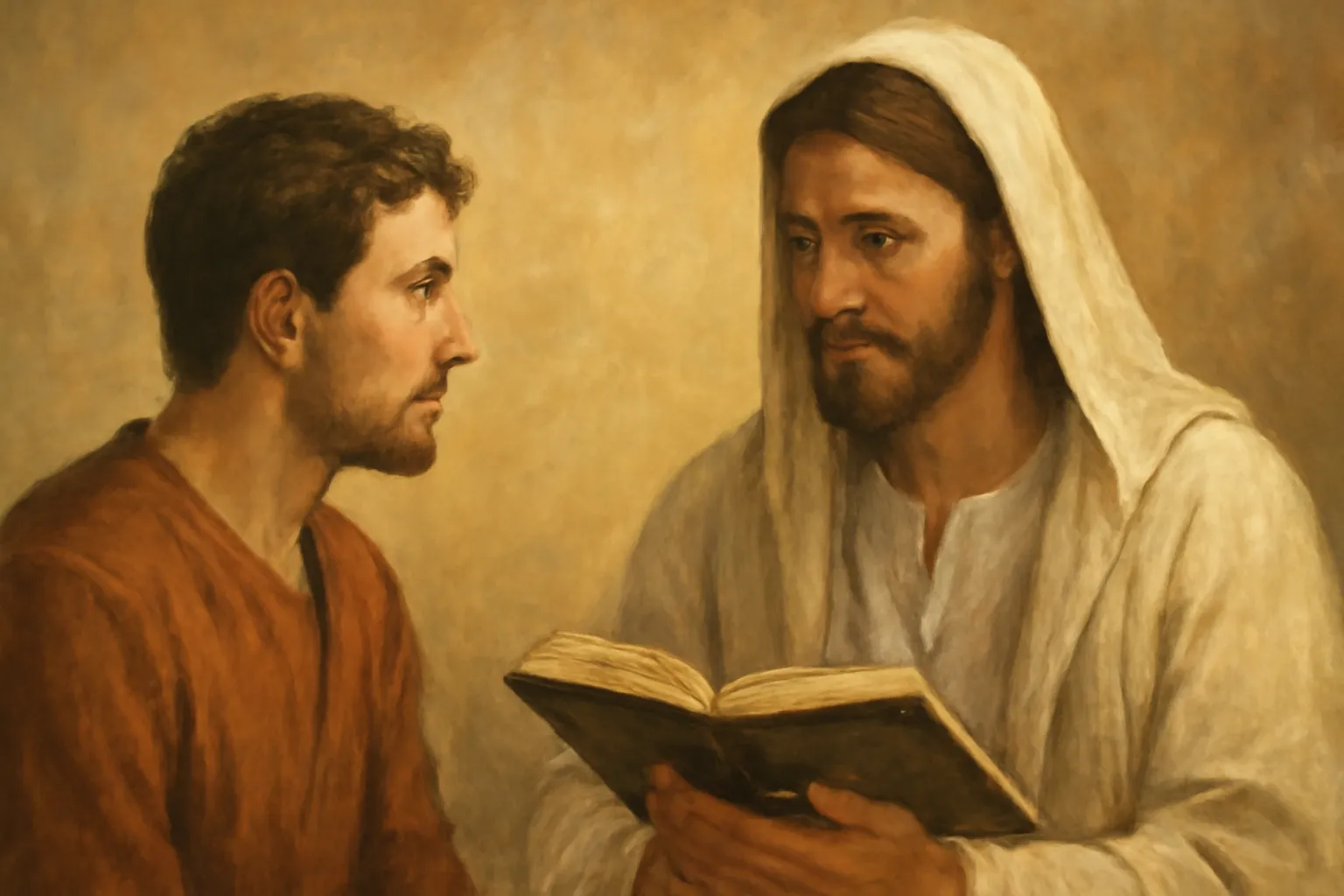
The original Greek word often translated as disciple is mathetes, meaning a learner, student, or an apprentice who follows a master to imitate their life and teachings. In the Gospels, a biblical disciple is someone who:
learns from Jesus by listening to his words and observing his actions
obeys the teachings of Jesus, even when they are difficult
lives in dependence on the Spirit, seeking God’s guidance in daily life
engages in mission by sharing good news and serving others
belongs to a community of believers who encourage, correct, and hold one another accountable
A disciple is not simply a recipient of information; they are a participant in a transformative relationship with Jesus. They pursue spiritual maturity and strive to reflect the character of Christ in all seasons—joyful or challenging, success or hardship. In biblical terms, being a disciple is a lifelong apprenticeship to Jesus.
The Original Disciple Community
The Twelve and Their Role
The most famous cohort of disciples in the New Testament is the Twelve. These men were chosen by Jesus to learn from him, to witness his miracles, and to carry on his mission after his death and resurrection. Each one brought a unique temperament, set of gifts, and life story, which together formed a diverse but unified group of disciples of Christ.
Peter (Simon Peter) — a natural leader, often at the center of events, whose journey shows both bold faith and human weakness, ultimately becoming a key messenger of the gospel.
Andrew — Peter’s brother, an early seeker who introduced others to Jesus and helped draw others into the circle of learners.
James and John — the sons of Zebedee, whose zeal and occasional impatience reveal the tension between eagerness to act and growing in wisdom.
Philip — a practical questioner who invites others to meet Jesus and consider their questions honestly.
Bartholomew — often associated with a thoughtful, sincere pursuit of truth and integrity.
Matthew — a former tax collector who modeled how a transformed life manifests in a new kind of work, including hospitality and social reckoning.
Thomas — the one who asked honest questions, embracing faith in response to seeing and hearing from Jesus.
James (son of Alphaeus) — a quieter member whose steadfast loyalty contributed to the group’s cohesion.
Simon the Zealot — representing a diverse political and cultural background, illustrating that the gospel unites varied voices.
Judas (Judas Iscariot) — a reminder of the tragic possibility of betrayal, highlighting the importance of spiritual integrity and true allegiance to Christ.
Matthias — named to replace Judas Iscariot after the betrayal, continuation of the mission with renewed leadership.
The narrative of the Twelve and their experiences with Jesus demonstrates that a discipleship journey is not perfect, but it is deeply formative. Their example encourages learners today to pursue a life marked by listening, learning, obedience, and forward-moving mission under the guidance of the Holy Spirit.
Other Disciples and Early Believers
Beyond the Twelve, the early Christian movement included many other disciples who followed Jesus and carried the gospel into new regions. Female followers such as Mary Magdalene, Martha, and others provided hospitality, support, and witness that were vital to the early church. The New Testament also portrays Paul as a devoted disciplemaker whose mission to the Gentiles became a defining feature of Christian expansion. While Paul is often labeled an apostle, his life is also a vivid portrait of what it means to be a disciple in a later era—one who is commissioned, equipped, and sent with the gospel.
Taken together, the broader family of Christ’s followers shows that being a disciple is not limited to a single group; it is a dynamic, growing identity that can include people from different backgrounds, cultures, and life stages. The common thread is a shared allegiance to Jesus and a shared commitment to live out his teachings in everyday life.
How to Become a Bible Disciple: Steps to Start
If you are seeking to become a genuine follower of Jesus, consider this practical pathway. The steps below are not a formula but a lived pattern: encounter, engagement, and evolution in faith.
Trust in Jesus as Savior and Lord. A genuine conversion begins with recognizing your need for grace, embracing Jesus’ sacrificial love, and surrendering to his leadership in your life.
Commit to learning from his Word. Read the Bible with regularity, seek understanding, and apply what you learn to daily decisions. A growing Biblical literacy is foundational to a sturdy faith.
Practice prayer and listening. Build a habit of honest conversation with God, and cultivate the practice of listening for the Spirit’s prompts in daily life and Scripture.
Join a community. Surround yourself with other believers who can encourage, correct, and support you on the path of discipleship.
Engage in spiritual disciplines. Regular worship, confession, fasting, service, and solitude can deepen your relationship with God and sharpen your discernment.
Serve and share. Put your faith into action through acts of service, evangelism, and acts of love that demonstrate the gospel to others.
Grow in character. Seek to bear the fruit of the Spirit—love, joy, peace, patience, kindness, goodness, faithfulness, gentleness, self-control—in daily life.
Invite accountability. Allow trusted friends or mentors to provide honest feedback and gentle correction as you pursue growth.
Each step is accompanied by a posture of humility: the Christian life is less about clever methods and more about a faithful relationship with Jesus that reshapes your desires, choices, and priorities. The goal is not merely information about Jesus but transformation into his likeness—this is the heart of being a true disciple.
Core Practices that Shape a Disciple
A robust discipleship journey is built on disciplines—intentional practices that align the heart with God’s purposes. The following core practices form the scaffolding of a healthy followers of Christ life.
Bible study and reflection
Central to any bible disciple is regular engagement with Scripture. Reading, studying, meditating on passages, and asking reflective questions helps you know God’s will. Consider a structure such as daily reading plus a weekly deeper study of one Gospel, one letter, and one Old Testament narrative. Memorization of key verses can also fortify your faith when you face challenge.
Read a passage aloud to engage your whole being—mind, heart, and imagination.
Ask questions like: What does this teach me about God? What does this require of me?
Journal insights and practical steps you can take in the coming week.
Prayer and worship
Prayer is not only asking for needs; it is communion with God, listening for his voice, and surrendering your plans to his mission. Worship, whether through song, quiet reflection, or communal liturgy, recalibrates your heart toward gratitude and obedience.
Fellowship and accountability
The Christian life is designed to be lived in community. Accountability partners, small groups, or mentoring relationships help you stay faithful, confess sin, celebrate victories, and learn from others’ experiences.
Service and mission
A key marker of a true disciple is a life of service that reflects Jesus’ love to neighbors near and far. Service is not a side activity; it is a core expression of discipleship that prunes the heart of selfishness and multiplies impact.
Generosity and ethics
Generosity is an outward signal of an inward trust in God. Ethical living—honesty, integrity, humility, fairness—demonstrates that discipleship shapes how you handle money, power, and influence.
A path from beginner follower to mature disciple-maker often includes deeper theological understanding, sustained obedience, and the ability to disciple others. Biblical maturity is not primarily about knowledge but about how love, patience, and faithfulness become evident in life. Here are some avenues toward growth:
Teachability: maintain a teachable posture, welcome correction, and learn from diverse teachers and experiences.
Disciple-making: invest time in mentoring others, inviting them into your spiritual rhythms, and modeling a reproducible life of faith.
Resilience: endure trials with hope, trusting God’s good purposes even when outcomes differ from expectations.
Discernment: develop spiritual wisdom to distinguish truth from error, guided by Scripture and the Spirit.
Character formation: cultivate virtues such as patience, humility, courage, and love that reflect Christ to a watching world.
The journey toward maturity emphasizes a persistent pattern: encounter God in his Word, respond in faithful obedience, and reproduce that life in others. This is how a disciple becomes a disciple-maker, multiplying faith within families, churches, and communities.
Common Challenges for the Bible Disciple and How to Overcome
The path of following Jesus is not without obstacles. Below are common challenges along with practical approaches to keep moving forward.
Doubt and questions about faith. Answer honestly, seek trustworthy sources, and engage with others who can help you wrestle with tough issues in Scripture.
Distractions and busy schedules. Create structured times for prayer, Bible reading, and service, and protect these rhythms as non-negotiable commitments.
Persecution or social pressure. Ground your identity in God’s love and promises; seek supportive communities that affirm your faith while remaining gracious to others.
Spiritual dry spells. Embrace seasons of drought as opportunities to lean into God in new ways—perhaps through fasting, silence, or journaling.
Inconsistency in practice. Build accountability partnerships and set small, achievable goals to cultivate lasting habits.
Remember that growth as a discipleship beginner is not about achieving perfection overnight but about consistent obedience that grows with time, aided by grace and community.
The Gospel accounts begin with Jesus calling ordinary people to follow him. Simon Peter and Andrew, James and John, for example, leave their nets to become disciples whose lives would be reshaped by the Master’s authority and teaching. This call is not merely a moment of decision; it marks the beginning of a lifelong apprenticeship that would culminate in witness, healing, and proclamation of the kingdom.
At the end of Matthew’s Gospel, Jesus commissions his followers to go and make disciples of all nations, baptizing and teaching them to observe all that he commanded. This is a clear blueprint for the mission of the Church and the ongoing work of disciple-making. The Great Commission reminds every believer that following Jesus is connected to multiplication: today’s learners become tomorrow’s teachers, and so the ripple effect of faith extends outward into communities and cultures.
Frequently Asked Questions about Discipleship
Here are some common questions people ask as they consider or pursue the life of a Bible disciple.
What is the difference between a disciple and an apostle?
A disciple is a learner and follower of Jesus; an apostle is a specific commissioned messenger sent to preach the gospel and establish churches. All apostles are believers who follow Christ, but not all believers are part of the original apostolic mission.
Can anyone become a disciple of Jesus?
Yes. The invitation is universal—anyone who places trust in Jesus, aligns with his teachings, and joins a community seeking to live out the gospel can become a disciple.
What is the role of the Holy Spirit in discipleship?
The Spirit empowers, guides, and transforms. Church history and biblical teaching emphasize that growth in obedience, understanding, and fruit comes through the Spirit’s work in a believer’s life.
How long does discipleship take?
Discipleship is a lifelong process. There is no finish line; rather, there are seasons of growth, deeper repentance, and renewed purpose as a follower of Christ.
What practical steps can a church community take to support discipleship?
Churches can implement mentorship programs, small-group discipleship tracks, regular Bible study commitments, and opportunities for people to practice leadership and service as they are equipped to multiply what they have learned.
The life of a Bible disciple is a remarkable invitation to know Jesus more deeply and to live in a way that reflects his love to the world. It begins with faith and continues through a pattern of listening to God’s Word, praying honestly, growing in virtue, and engaging in God’s mission alongside a community of believers. Whether you identify first as a follower who is beginning to explore the claims of Christ, or as a mature disciple-maker who teaches and multiplies faith, the journey is the same core: obeying Jesus, loving others, and advancing the gospel in everyday life.
This guide has outlined a durable vision of what it means to be a disciple in the Bible and in the modern church. By embracing the identity of a disciple as a learner, a lover of God, and a servant on mission, you can experience steady growth in faith and a sustainable impact in your circle of influence. The path may include challenges, but the rewards—a deepened relationship with God, a clear sense of purpose, and a life that bears witness to the love of Christ—are invaluable. If you are just beginning or if you are seeking to rekindle your commitment, remember this: every day offers a new opportunity to be a disciple of Jesus, to learn, to obey, and to share the good news with generosity and joy.