Overview of the Thirteen Disciples: Names, Roles, and Bible References
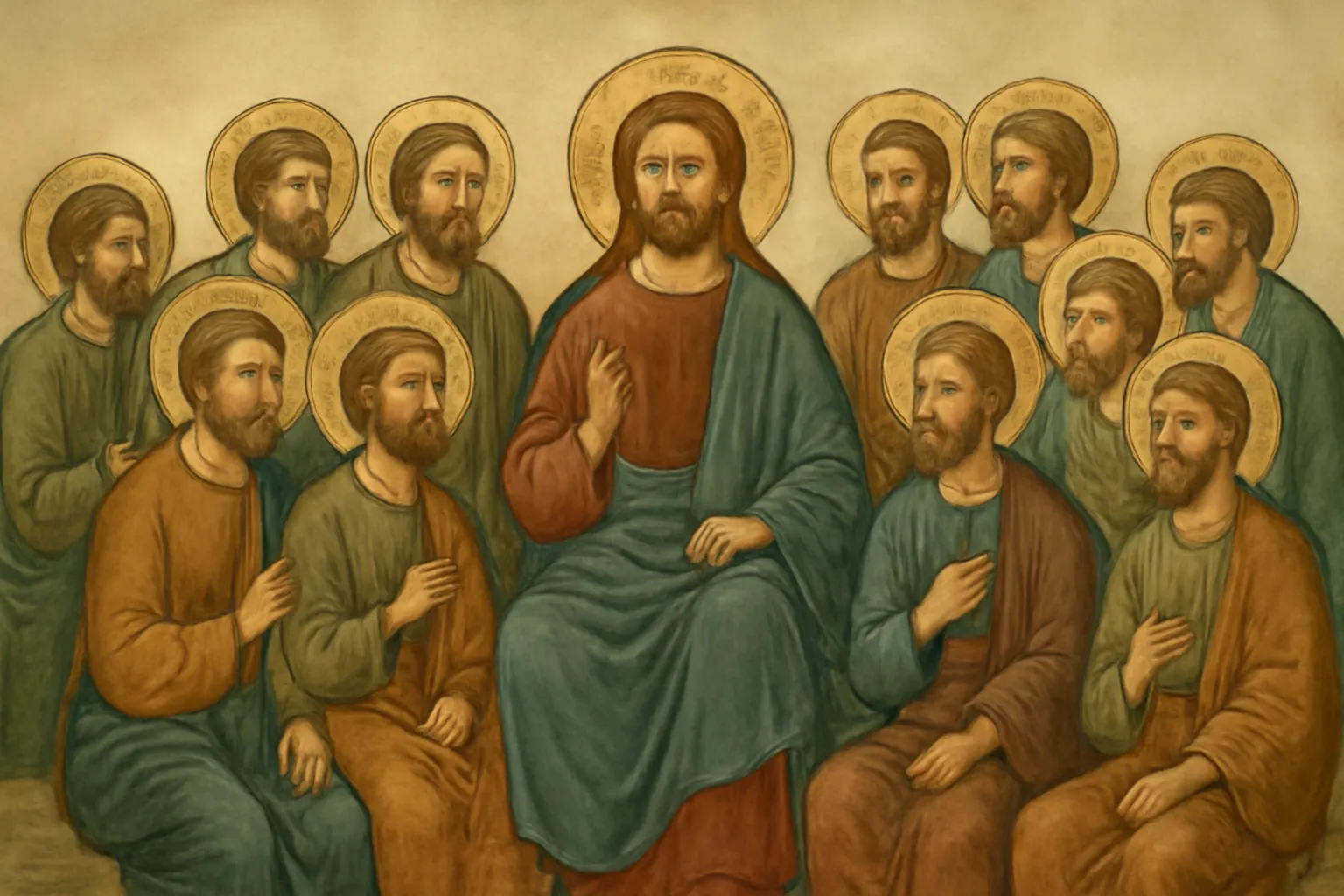
The thirteen disciples of Jesus, often discussed in biblical scholarship, include the twelve apostles of Jesus as listed in the Gospels along with Matthias, who appears in the book of Acts as a successor to Judas Iscariot. This article presents each of the thirteen followers of Jesus by name, explains their roles in the early church, and highlights key Bible references that document their calling, activities, and legacies. By examining their stories—ranging from fishermen who become church leaders to tax collectors who become witnesses—the reader gains a richer sense of how these individuals contributed to the spread of the gospel and the formation of the early Christian community.
Why these thirteen names matter
The disciples served as Jesus’ closest followers during his ministry. Within the New Testament, their roles vary from leaders and messengers of the early church to witnesses and heralds of the resurrection. The distinction between apostles (those who were commissioned to preach and oversee communities) and disciples (followers and learners) is subtle in places, but it helps readers understand how these individuals contributed to teaching, miracles, and communal life. The set of thirteen discussed here includes the traditional twelve apostles and, in many interpretive traditions, Matthias as the thirteenth to fill the vacancy created when Judas Iscariot betrayed Jesus. Across the sections that follow, you’ll find a concise profile for each name, a summary of their primary function, and biblical citations you can consult for deeper study.
The 13 Disciples: Names, Roles, and Bible References
Peter (Simon Peter) — Principal Leader and Spokesperson
Name and identity: Peter, also called Simon Peter, a fisherman called by Jesus to leadership among the disciples.
Primary role: A foundational leader of the early church; primary spokesperson among the Twelve; instrumental in defining the church’s mission and in acts of preaching and shepherding the community.
Key Bible References:
Matthew 16:18-19 — Jesus names him the rock on which the church will be built.
Luke 5:1-11 — Calling of Peter and the miraculous catch of fish, signaling vocation and mission.
John 21:15-19 — Restoration and commissioning after the Resurrection.
Acts 2:14-41 — Sermon at Pentecost and the beginning of a dynamic, public ministry.
Acts 3-5 — Leadership in the early church, miracles, and guidance.
James, Son of Zebedee — Inner Circle Member and First Martyr
Name and identity: James, the brother of John, one of Jesus’ first followers and part of the inner circle.
Primary role: Key figure among the apostles; often paired with Peter and John as part of Jesus’ closest circle; early martyrdom.
Key Bible References:
Matthew 4:21-22; Mark 1:19-20 — Calling of James and his brother John.
Mark 3:17 — Named as part of the inner circle; “sons of thunder.”
Acts 12:2 — Beheaded martyrdom under Herod, marking the first apostolic martyr.
John, Son of Zebedee — The Beloved Disciple and Gospel Writer
Name and identity: John, brother of James, traditionally identified as “the disciple whom Jesus loved.”
Primary role: A leading apostle, a close eyewitness to Jesus’ life, and the author of the Gospel of John, three letters, and Revelation according to church tradition.
Key Bible References:
John 13:23; 19:26-27; 21:20-24 — Notable appearances as an eyewitness and the gospel’s authorial role.
John 1:35-42 — Calling as one of the first disciples; accountability in leadership within the early church.
Revelation 1:1-3; 22:16 — The apostle’s later writings and prophetic vision.
Andrew — The First Disciple Called and a Bridge-builder
Name and identity: Andrew, brother of Peter, a fisherman who responds to Jesus’ call and immediately brings others to Christ.
Primary role: Early evangelist who introduces friends to Jesus; links Peter to the broader mission among the Galilee region.
Key Bible References:
John 1:40-42 — Andrew’s first encounter with Jesus and his bringing of Peter.
Matthew 4:18-22; Mark 1:16-18 — The calling of the first disciples along the Sea of Galilee.
John 6:8-9 — Andrew’s identification of the boy with loaves and fish, a sign of his practical ministry.
Philip — The Seeker Who Brings a Question to Jesus
Name and identity: Philip, a follower who frequently navigates questions about Jesus’ identity and mission.
Primary role: Intermediary who asks Jesus to reveal the Father; an example of inquiry that deepens discipleship.
Key Bible References:
John 1:43-45 — Philip’s calling and conversation with Nathanael.
John 14:8-9 — Philip’s request: “Show us the Father,” prompting Christ’s teaching about seeing the Father in Jesus.
Matthew 10:3; Mark 3:18 — Listed among the Twelve; demonstrating his ongoing apostolic ministry.
Name and identity: Bartholomew, also identified with Nathanael in John’s Gospel; a straightforward, sincere seeker of truth.
Primary role: Known for declaring Jesus as the Son of God and the King of Israel after Jesus’ initial sign.
Key Bible References:
John 1:45-51 — Nathanael’s encounter with Jesus and Jesus’ commendation.
Matthew 10:3; Mark 3:18 — Listed among the Twelve; his presence attests to the inclusive horizon of Jesus’ ministry.
Matthew (Levi) — The Tax Collector Turned Gospel Writer
Name and identity: Matthew, also known as Levi, a tax collector who leaves his post to follow Jesus.
Primary role: He embodies a bridge between the world of commerce and the message of grace; traditionally credited with composing the Gospel of Matthew.
Key Bible References:
Matthew 9:9 — Matthew’s calling at the tax booth, a dramatic change of vocation.
Mark 2:14; Luke 5:27-29 — Parallel accounts of his calling and his subsequent feast with Jesus.
Acts 1:12-13 — Matthew appears among the early disciples gathered after the Resurrection.
Name and identity: James, commonly distinguished as the son of Alphaeus; sometimes called “James the Less” to differentiate him from James the son of Zebedee.
Primary role: A steady member of the Twelve with a focus on faithful presence and service within the early church.
Key Bible References:
Matthew 10:3; Mark 3:18 — Listed among the Twelve; a quiet, faithful contributor.
Luke 6:15 — Identified in the list of apostles present at selecting times and early mission.
Simon the Zealot (The Cananean) — A Zealous Follower with a Broad Vision
Name and identity: Simon the Zealot, also called Simon the Cananean, reflecting a fervor or possible political affiliation.
Primary role: Represents a breadth of political and cultural backgrounds within Jesus’ circle; a participant in the mission to the nations.
Key Bible References:
Luke 6:15 — Listed among the Twelve; Simon’s presence signals the inclusive nature of the gospel mission.
Acts 1:13 — Present with the other apostles in the early post-Resurrection gathering.
Judas Iscariot — The Betrayer (A sobering reminder of free will and human frailty)
Name and identity: Judas Iscariot, one of the Twelve who ultimately betrays Jesus.
Primary role: Initially a trusted keeper of the group’s funds and a leading figure among the Twelve; his betrayal becomes a pivotal moment in the Passion narrative.
Key Bible References:
John 13:2 — The devil enters into Judas, facilitating the betrayal.
Matthew 26:14-16; Mark 14:10-11; Luke 22:3-6 — The events surrounding Judas’ pact with the authorities and his eventual departure.
Matthew 27:3-5 — Judas’s remorse and its tragic outcome.
Jude Thaddeus (Judas, Son of James) — The Loyal, Often Overlooked Disciple
Name and identity: Jude Thaddeus, also known as Jude, the son of James; sometimes identified with the epistle writer Jude in tradition.
Primary role: A trusted messenger among the Twelve; often grouped with the apostles who deliver the message of Jesus to diverse audiences.
Key Bible References:
Luke 6:16 — Listed among the Twelve.
Acts 1:13 — Present with the early community in Jerusalem.
John 14:22 — A reference that sometimes intersects with traditions about friends and closeness to Jesus (note: this verse mentions “Judas (not Iscariot)” in some manuscripts; Jude’s equality of importance remains in the broader narrative).
The set of thirteen disciples discussed here reflects the combination of the canonical Twelve together with Matthias as a way of illustrating continuity in the apostolic witness after the betrayal of Judas Iscariot. Across the New Testament, each of these individuals contributes a unique thread to the unfolding story of Jesus’ ministry, death, and resurrection. For students of the Bible, tracing the calling narratives, miracle accounts, and missionary commissions associated with these names provides a comprehensive window into how the early church learned to live out the gospel in the world it inhabited. Moreover, the diverse backgrounds—from fishermen to a tax collector, from a zealot to a thoughtful questioner—demonstrate that the gospel’s reach extends across social and political boundaries, uniting people around a shared proclamation of Jesus as the Messiah and the Son of God.
How to use these profiles for study or teaching
Compare the calling stories: Look at how each disciple is summoned to follow Jesus, noting differences and patterns in their responses.
Trace the places of ministry: Map where the disciples operate (Galilee, Jerusalem, Judea, Samaria) to understand the geographic scope of early Christian mission.
Examine leadership roles: Consider how leadership emerges among the Twelve, including Peter’s prominence, John’s gospel-writing contribution, and Matthias’ role after Judas’s betrayal.
Explore the range of backgrounds: Reflect on how a diverse group—fishermen, a tax collector, a zealot—models the inclusive call of the gospel.
Consult the primary sources: Use the listed Bible references to read the stories in their original contexts and notice thematic continuities and developments across the four Gospels and the Acts narrative.
Closing reflections on the thirteen disciples
The narrative arc of the thirteen disciples—from calls and catch of fish to preaching, trial, and the growth of the early church—offers a powerful lens on faith, growth, and community. While each disciple has a distinct identity and set of experiences, together they embody a shared mission: to witness to Jesus’ life, death, and resurrection and to invite others into the life of God’s kingdom. Whether you focus on Peter’s leadership, John’s witness, Matthew’s gospel, Thomas’s doubt-and-faith arc, or Matthias’s continuity after betrayal, these stories illuminate how early Christians understood their calling: to follow Jesus, to proclaim him, and to build a community that bears witness to his good news in every corner of the world.