This article outlines practical steps for making disciples of all nations, offering guidance for churches, ministries, and individuals who want to engage in global evangelism with integrity and effectiveness. The goal is not merely to increase numbers but to cultivate deep, lifelong followers of Jesus who multiply their impact in diverse contexts. Throughout this guide, we use variations of the phrase make disciples of all nations to reflect the breadth of a mission that spans cultures, languages, and generations.
Understanding the Great Commission and the Call to Make Disciples
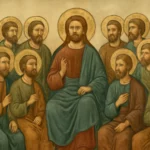
The imperative to go and make disciples comes from the foundational message of the Great Commission. In many Christian traditions, this mandate is seen as a blueprint for how the early church extended its influence beyond its own borders, inviting people from every nation, tribe, language, and people to become followers. The Greek word often translated as “nations” is ethne, which emphasizes people groups and communities rather than political borders alone. This nuance invites a broader, more relational approach to evangelism—one that respects distinct cultures while presenting a common message.
A core mandate that shapes strategy
When we speak of disciple-making across cultures, we anchor strategy in two commitments: first, to introduce people to Jesus in a way that resonates with their lived experience, and second, to equip them to disciple others. This creates a cycle of multiplication—not just conversion, but ongoing leadership development and the creation of sustainable communities of believers.
Core Principles for Disciple-Making Across Cultures
There are enduring principles that guide effective cross-cultural disciple-making. These are not simple formulas but guardrails that keep the mission faithful, relational, and transformative.
Relational evangelism: Discipleship grows in the context of trust, friendship, and shared life, not merely in events or campaigns.
Contextualization without compromise: The message stays true to its core while communicating in ways that are meaningful within a culture’s symbols, stories, and life rhythms.
Leadership development as a core activity: Identifying, training, and empowering local leaders who can sustain growth and multiply workers.
Cultural humility and listening: Entering communities with the posture of learner, recognizing that God is already at work in people’s lives before outsiders arrive.
Long-term commitment: Disciple-making is a marathon, not a sprint; it requires patience, persistence, and ongoing accountability.
Ethical integrity: Respect for religious freedom, human dignity, and local laws governs every strategy and action.
Holistic transformation: Discipleship includes spiritual formation, social concern, and community flourishing, addressing both heart and life.
Turning the mandate into action calls for a clear, actionable plan. The steps below provide a framework that can be adapted to different contexts—from urban neighborhoods to rural settings, from trained missionaries to local church members.
Pray and discern: Begin with communal and personal prayer, seeking discernment about where God is already at work and where your gifts can contribute. Prayer aligns motive, provides wisdom, and invites divine guidance for strategies that honor local realities.
Ask questions like: Who are the people groups present? What cultural barriers exist to trust and conversion? What local leaders are already forming disciples?
Establish a season of sustained intercession before launching any major initiatives.
Clarify vision and scope: Define a clear, measurable but flexible vision for disciple-making that aligns with your local context and broader mission partners.
Define what multiplication looks like in practice (e.g., one seasoned disciple making two new disciples who become teachers themselves).
Set practical boundaries to avoid mission drift, such as geographic limits, target demographics, or specific partnerships.
Assess context and needs: Conduct a contextual assessment to understand language, beliefs, barriers, and opportunities. Include input from local believers, leaders, and community stakeholders.
Map existing churches, small groups, and spiritual movements in the area.
Identify cultural expressions of faith, forms of worship, and preferred channels of communication.
Form strategic partnerships: Seek collaborators who share a compatible vision and a respect for local leadership. Partnerships should be built on mutual trust and transparent accountability.
Engage local churches, para-church organizations, and community groups that are already present.
Agree on shared goals, roles, and metrics to avoid duplication and conflicts.
Develop a disciple-making plan: Create a practical, stage-based plan that outlines how people become disciples, how they are equipped to disciple others, and how communities of faith grow.
Include a simple curriculum or process for foundational discipleship, leadership development, and church multiplication.
Design training materials in accessible language and, where possible, in the local language or dialect.
Pilot and iterate: Start with a manageable pilot in one locale or community, monitor, learn, and adjust before expanding.
Track both qualitative and quantitative indicators—stories of life transformation and growth in disciple-making capacity.
Be prepared to pivot approaches in response to feedback and changing conditions.
Invest in local leadership: Prioritize training and empowering leaders from within the community who can carry the mission forward.
Use mentorship models, apprenticeships, and shared leadership to foster ownership.
Encourage a wide distribution of responsibility to prevent burnout and dependence on a single leader.
Establish sustainable practices: Create structures for ongoing disciple-making that endure beyond short-term involvement.
Develop recurring gatherings, small groups, and online communities that support learning and accountability.
Place emphasis on lifelong spiritual formation, not just information transfer.
Central to planting healthy movements is the intentional development of local leaders who can sustain and extend the work. Training should be practical, culturally appropriate, and embedded in real-life contexts.
Models for leadership development
Training-the-trainer: Equip a core group of local mentors who then train others in a cascading fashion.
Mentorship and coaching: Pair new leaders with seasoned practitioners for ongoing guidance and accountability.
Apprenticeships: Allow emerging leaders to learn by serving in actual ministries, churches, or missional teams.
Equipping for multiplication: Train leaders not just for personal growth but to identify, release, and disciple new teams.
Content should cover theology, pastoral care, cross-cultural communication, conflict resolution, and practical skills for church planting, discipleship cycles, and community engagement. Emphasize a humble, service-oriented leadership style that prioritizes the welfare of those being discipled and the health of the community.
Building Sustainable Disciple-Making Pathways
Longevity in cross-cultural mission depends on pathways that can multiply beyond the first wave of participants. A sustainable model avoids dependency on short-term teams and instead builds a network of locally led groups.
Elements of a durable pathway
Discipleship cycles: Structured sequences that take participants from initial contact to mature leadership, with clear milestones.
Household and community-based fellowships: Small, relational groups embedded in everyday life to foster belonging and accountability.
Biblical literacy and spiritual formation: Ongoing practices such as Bible study, prayer, worship, and service that deepen faith.
Leadership pipeline: A clear trajectory for rising leaders who can eventually mentor others in different contexts.
Sustainability plans: Local ownership, diversified funding, and a long-term strategy for ongoing discipleship.
Building multiple layers of discipleship—informal mentors, formal training, and church-based leadership—helps ensure that the movement does not stall if one element is disrupted. A multiplication mindset is essential: every healthy disciple should be able to reproduce themselves in someone else.
Methods of Engagement: Personal, Community, and Digital
Engagement in today’s world uses a blend of approaches. Each method should be applied with wisdom, cultural sensitivity, and a focus on genuine transformation.
Personal conversations and relational discipleship
Building trust through genuine friendship, listening, and shared life.
Sharing the core message of Jesus in ways that connect with a person’s background and questions.
Encouraging accountability partners who meet regularly for prayer, scripture, and mutual support.
Community transformation and service
Partnering with communities to address needs such as education, health, or economic development as a context for spiritual conversations.
Showcasing faith through deeds that align with proclaimed beliefs, avoiding a purely transactional approach to evangelism.
Digital and media-enabled outreach
Utilizing social media, podcasts, livestreams, and online Bible study tools to reach diverse audiences.
Providing accessible resources in multiple languages, with careful attention to cultural references and local idioms.
Creating online communities that foster accountability, prayer, and discipleship beyond borders.
Partnerships and Collaboration
Global evangelism thrives on healthy partnerships. Collaboration with churches, denominations, and mission networks can expand reach while maintaining integrity and accountability.
Shared vision and values: Align on the core message, moral expectations, and long-term goals before committing resources.
Role clarity: Define who does what, who funds what, and how decisions are made to prevent territorialism and duplication.
Mutual accountability: Establish ordinary rhythms of reporting, evaluation, and peer review that protect participants and communities.
Contextual autonomy: Allow local partners to adapt strategies to their cultural environment while maintaining core conviction.
In all partnerships, safeguard the dignity and religious liberty of communities. Avoid coercive tactics, respect local traditions, and celebrate the diversity of expressions that exist within the broader mission.
Measuring Impact and Accountability
Measurement is essential to learning and improvement, but must be balanced with empathy for people’s lived experiences. Metrics should reflect both depth (spiritual formation, character development) and breadth (reach through new communities and leaders).
Quantitative indicators: Number of new disciples, groups formed, leaders raised, churches planted, and ongoing discipleship cycles completed.
Qualitative indicators: Depth of faith, transformation in daily life, changes in relational and community dynamics, and leadership health.
Sustainability indicators: Local ownership, diversity of leadership, and ability to sustain activities without outside support.
Accountability mechanisms: Regular audits, transparent finances, and peer reviews among partner organizations.
It is important to track progress over time and to celebrate milestones while remaining honest about challenges. A bias toward healthy multiplication—where new disciples become disciple-makers themselves—is a strong indicator of long-term vitality.
Practical evangelism in diverse contexts invites both opportunities and responsibilities. Being mindful of ethical considerations protects relationships and honors the communities engaged.
Cultural sensitivity: Recognize and honor local beliefs, rituals, and expressions of faith that may exist prior to and alongside Christian faith.
Religious liberty: Respect the rights of others to hold different beliefs, and work within legal and social frameworks.
Non-coercion: Avoid manipulation, pressure, or incentives that undermine genuine faith decisions.
Contextual integrity: Preserve the core message while presenting it in a language and format that resonates ethically and meaningfully.
Protection of communities: Prioritize safety, consent, and the well-being of vulnerable individuals and groups.
When approached with humility and a commitment to dignity, the task of disciple-making becomes a collaborative journey rather than a conquest. Ethical navigation of cross-cultural dynamics is a mark of maturity in global evangelism.
Case Studies and Real-World Examples
Real-world examples illustrate how these principles translate into practice. Below are illustrative, anonymized scenarios that demonstrate common patterns and lessons learned.
Case Study: Urban Multicultural Outreach in a Global City
Context: A metropolitan city with vibrant immigrant communities, diverse languages, and a history of fractured faith conversations.
Approach: A coalition of local churches launched a shared discipleship pathway focused on relational evangelism, language-accessible Bible study, and leadership development within each community group.
Outcomes: Formation of multiple micro-churches led by locally trained leaders; increased engagement in service projects; ongoing mentorship relationships across cultural lines.
Lessons: Local ownership accelerates trust; leadership development must be culturally attuned; relational trust is a prerequisite for transformative engagement.
Case Study: Rural Church Planting and Community Transformation
Context: A rural region with limited access to trained pastors and a history of closed networks.
Approach: Deploy a practical discipleship curriculum, empower lay leaders, and partner with nearby organizations for social impact projects.
Outcomes: New disciples formed into small groups that eventually became self-sustaining communities; stronger partnerships with local institutions; increased church attendance and volunteer engagement.
Lessons: Start small and scale through local leadership; service-oriented projects create legitimate pathways for spiritual conversations; sustainability depends on local ownership and responsibility.
Case Study: Digital Outreach That Translates to Life Change
Context: Online audiences across several countries with varying levels of access to in-person gatherings.
Approach: Create multilingual resources, online Bible study cohorts, and mentorship pairings that extend beyond borders.
Outcomes: Several online cohorts transitioned into in-person gatherings in their home communities; new leaders emerged from various linguistic backgrounds.
Lessons: Digital platforms can seed real-life communities when paired with intentional discipleship and local leadership development.
In all these scenarios, disciple-making across cultures is a dynamic, living process. The core remains: share the message with clarity, form communities that learn to live out the teachings of Jesus, and empower local leaders to reproduce the cycle again and again. When done with humility, integrity, and a long-term horizon, the mission to make disciples of all nations becomes a sustainable movement rather than a one-time effort.