Giving It to God: A Practical Guide to Surrender and Peace
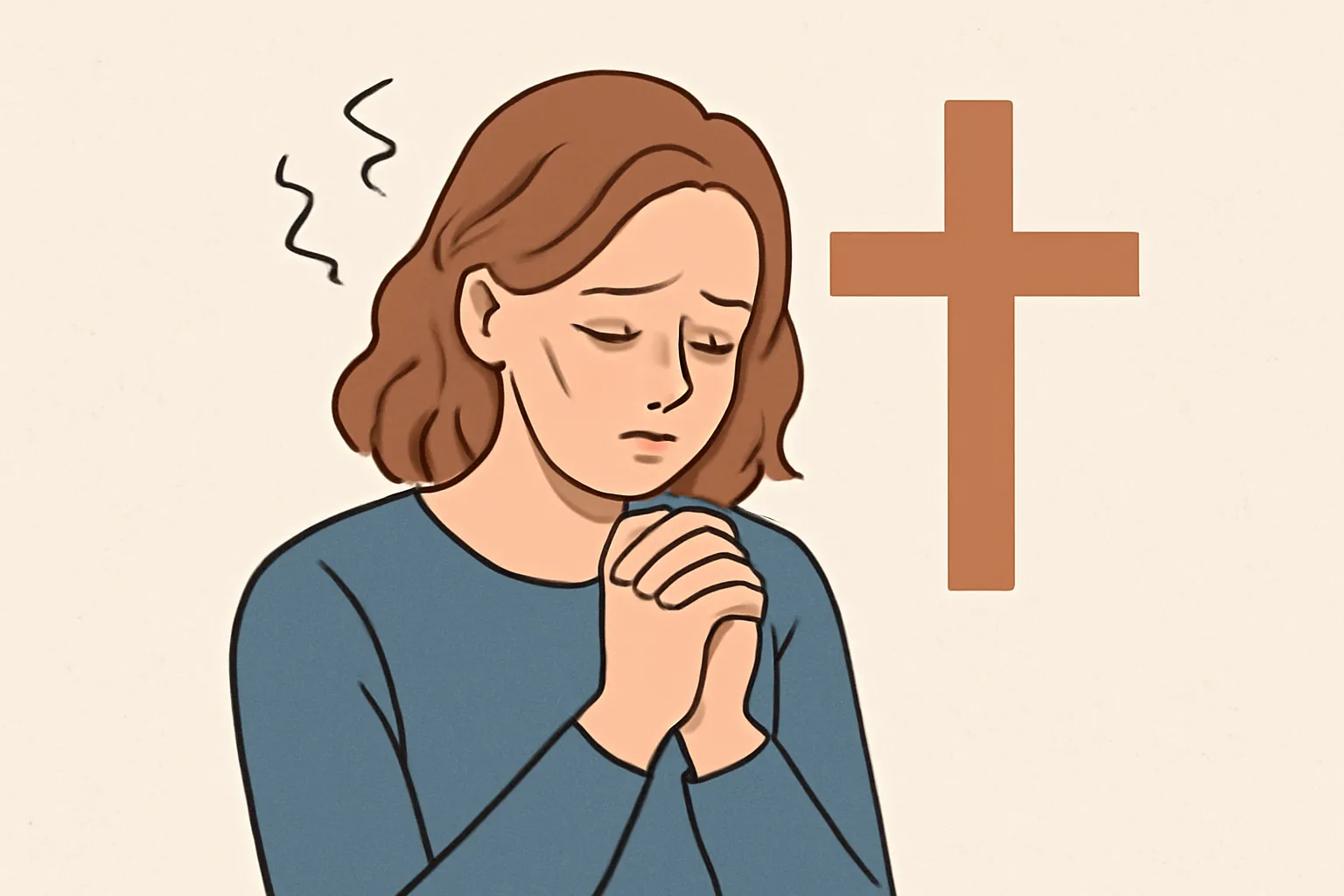
Giving it to God is not a momentary impulse or a magical wand. It is a reliable, repeatable practice that helps people move from
worry, striving, and resistance toward peace, trust, and steadiness. This guide offers practical steps, reflections, and everyday habits that can make
the idea of surrender more than a phrase and turn it into a lived experience. By exploring different ways to hand over the burden—whether you call it entrusting to divine care, placing in God’s hands, or yielding to the divine will—you can cultivate a resilient sense of calm even in the midst of life’s storms.
In this article, you will find a spectrum of approaches—spiritual, psychological, and practical—designed to be adaptable to various traditions or secular understandings of God. The aim is to help you discover a path that feels authentic to you, while grounding your practice in concrete steps you can take today.
At its core, giving it to God is about releasing control over outcomes that are uncertain or overwhelming, and choosing to trust a larger frame or power. It is not synonymous with resignation or passivity; rather, it is an intentional reallocating of energy—shifting from fretting to faith, from coercion to cooperation with the larger currents of life.
Definitions and distinctions
Surrender vs resignation: Surrender invites awareness and action aligned with truth and values, while resignation implies giving up in defeat. Surrender keeps the door open to wisdom and grace.
Trust vs trust in luck: Trusting God is a conscious practice of leaning into what feels larger than one’s own plans, often accompanied by gratitude and humility.
Peace vs panic: Peace arises when the mind is steadied through a chosen focus, while panic tends to escalate with every stray thought.
Active surrender vs passive surrender: Active surrender involves making wise choices, praying or meditating, and then letting results unfold; passive surrender is more about waiting without engagement. The healthy balance usually lies in the former.
Different traditions name the process in varied ways, yet the core rhythm remains the same: acknowledge the burden, admit what you cannot control, invite a larger wisdom to guide you, and continue with practical steps in alignment with that guidance.
Practical steps to surrender and find peace
Step 1: Pause, breathe, and observe
The first act of giving it to God is to stop the automatic loop of worry. Set aside a moment to inhale slowly, exhale fully, and notice what is present in your body and mind. You might say, “I am noticing my concern about this situation.” The goal is not to solve everything in this moment but to create space for the next right move.
Practice a short breathing pattern (for example, 4 counts in, 6 counts out) for 2–5 minutes.
Identify the emotions present (fear, anger, sadness, frustration) without judging them.
Label the situation you are facing and acknowledge what you can and cannot control.
Step 2: Name the burden and express the desire for surrender
Put language to the weight you are carrying. Writing or speaking aloud can anchor your intention to release. You might say, “I’m carrying X, and I want to place it in God’s care.” This act of naming clarifies the boundary between your will and a larger wisdom.
Identify the top three burdens you carry today.
For each burden, write or articulate a sentence that states what you are giving away and what you hope to receive in return (e.g., faith, wisdom, patience).
Remember that the aim is not to evade responsibility but to align your response with your deeper values.
Step 3: Pray, mediate, or reflect—whatever language feels true
Engage in a form of spiritual practice that resonates with you. This could be prayer, a quiet conversation with God, a meditation on a sacred word, or a simple, heartfelt dialogue with the divine. The act itself matters more than the exact words.
Offer a brief prayer of release: “I entrust this to Your care; lead me where You see fit.”
Use a universal phrase if you prefer: “May Your will be done.”
Reflect on a Scripture verse, a teaching, or a line from a spiritual tradition that speaks of trust and peace.
Step 4: Act with intention, then release the outcome
Surrender does not require robotic inaction. It invites purposeful action grounded in faith and wisdom. Take a small, tangible step in the direction of what you can handle, while consciously releasing the rest of the burden to God or the divine order.
List concrete actions you can take today that honor your values and responsibilities.
After you take the action, repeat a release phrase: “I’ve done what I can; I entrust the rest.”
Monitor your motivation. If you notice compulsive control reasserting itself, return to Step 1.
Step 5: Journal and reflect
Journaling helps translate the abstract feeling of surrender into practical clarity. Use prompts such as:
“What did I release today, and what did I gain in return?”
“Where did I feel lighter after surrendering, and where did I feel resistant?”
“What new insight did I gain about my priorities or relationships?”
Step 6: Create a ritual or symbolic gesture
Rituals can anchor the practice of surrender. They provide a visible reminder that you are choosing trust over fear. Consider small, meaningful rituals such as:
Writing burdens on slips of paper and placing them in a container to be burned, buried, or left at a meaningful place.
Lighting a candle during prayer or meditation as a symbol of light entering the dark.
Carrying a token (a stone, a cross, a bead) that reminds you of the act of entrusting.
Morning intention: Begin the day with a short intention that centers on trust. For example, “Today, I will act with integrity and release outcomes beyond my control.”
Evening reflection: Review the day, noting moments you chose trust and areas where you could grow in surrender.
Your own phrases: Create a set of personal affirmations that express surrender in a way that feels true to you (e.g., “I yield to wisdom greater than my own,” “I release, and I am received by peace”).
Routine pauses: Build short pauses into your day—three times, take a minute to breathe and re-center away from stress.
Community and accountability: Share your practice with a trusted friend, mentor, or faith community. Accountability can deepen consistency.
Gratitude as a companion: Regular gratitude practice can soften grip and invite trust; note what you’re grateful for, even in difficulty.
Over time, these practices become habits of mind that shift the default from control to trust. You may notice that you respond with greater calm under pressure, or that you recover more quickly from setbacks because you have a stable spiritual ballast to lean on.
Common challenges and how to navigate them
When circumstances still feel overwhelming
Even with a robust practice, life remains noisy and uncertain. In such moments, re-ground yourself in the basics: continue with breathing, naming, and returning to a simple ritual that affirms trust. If the weight is too heavy, scale back to the essential steps you can manage and gradually rebuild.
When the mind races with doubt
Doubt is a natural guest at the table of faith. Rather than fighting it, invite doubt to share space and respond with gentleness. Speak to the doubt as you would to a cautious friend: “I am learning; I will move forward with what is true and kinds of wisdom available to me.”
When stubborn outcomes collide with your hopes
Some outcomes may not align with your desires, yet surrender can still yield a kind of peace. It can be a moment of growth that leads to unexpected opportunities, resilience, or a deeper sense of meaning. The practice is not about control of results but about alignment with your highest values.
Variations of giving it to God: language and practice
People from different backgrounds use a variety of phrases and frameworks to describe the same core practice. Here are variations of giving it to God that you can adapt to your life:
Entrusting to divine care: A gentle, steady sense that someone greater is guiding the process.
Placing in God’s hands: A concrete image of handing over the thing that burdens you.
Yielding to the divine will: An act of alignment with a larger purpose beyond your own preferences.
Handing over to the Creator: A sense of surrender to a source of wisdom beyond yourself.
Consigning to Providence: A classical framing that emphasizes trust in a broader order of events.
Submitting to the Supreme or the Higher Power: A way to recognize authority and majesty beyond personal ego.
Trusting in grace: A focus on mercy, kindness, and a benevolent force at work in life.
relinquishing control: A practical acknowledgment that some aspects of life cannot be controlled by a single person alone.
Consenting to wisdom: A posture of opening oneself to wiser guidance and discernment.
In everyday life, you can blend these phrases with practical actions. For example, you might say, “I entrust this situation to divine care,” then take a specific, practical step forward. The power lies in the synergy between words, actions, and a cultivated mindset of trust.
For non-religious or secular readers, substitute a phrase like “giving it over to a larger sense of meaning or the universe” or “relinquishing the need to control outcomes”. The structure remains the same: acknowledge the burden, release what you cannot manage alone, and act in alignment with your deepest values while staying open to guidance beyond yourself.
Building a personal practice: a sample 4-week plan
To help you integrate the guidance above, here is a sample plan you can adapt to your schedule and beliefs. The plan is designed to be progressive, not overwhelming.
Week 1: Establish daily 5-minute practice. Include a brief breathing exercise, naming of burdens, and one sentence of release. Keep a journal and note any immediate changes in mood or focus.
Week 2: Add a simple ritual (such as lighting a candle or placing a token on your desk). Integrate one prayer, reflection, or meditation session focused on surrender. Start sharing your intention with a trusted friend or mentor for accountability.
Week 3: Introduce a gratitude practice tied to surrender. Write down three things you are grateful for each day, including the sense of relief that comes from letting go. Try one longer session (10–15 minutes) of contemplative practice.
Week 4: Create a personal “surrender routine” that you can perform daily. This should include the steps that felt most helpful: pause, name, release, commit to action, and reflect. Assess progress and adjust as needed.
Remember, the goal is not perfection but consistency. Small, repeated acts of surrender can accumulate into a resilient way of living that bears fruit in inner calm and steady purpose.
A lifelong journey toward peace
Giving it to God, in its most meaningful form, is a continual practice rather than a one-time event. It invites you to live with humility, courage, and compassion for yourself and others. As you learn to entrust, release, and act in alignment with a larger wisdom, you may notice a profound shift: the energy previously spent on gripping control is redirected toward living with intention, clarity, and a sense of peace.
Keep in mind the following takeaways to sustain your practice over time:
Practice presence—a continuous return to the body, breath, and current moment.
Use language that resonates with you—whether you say “I give this to God” or “I entrust this to a larger wisdom.”
Pair words with actions—don’t rely on words alone; pair them with practical steps that reflect your values.
Seek support—share your practice with people who encourage you in your journey toward peace.
Be patient with setbacks—surrender is a process that unfolds over time, not in a single moment.
In the end, the practice of giving it to God is about choosing a path that leads you toward peace, resilience, and presence. It is one that honors the mystery of life while grounding you in a dependable discipline. If you are drawn to it, begin with a simple step today: take a breath, name your burden, and release it into the care of something larger than yourself. You may find that peace is not a distant destination but a companion who walks with you on the road.