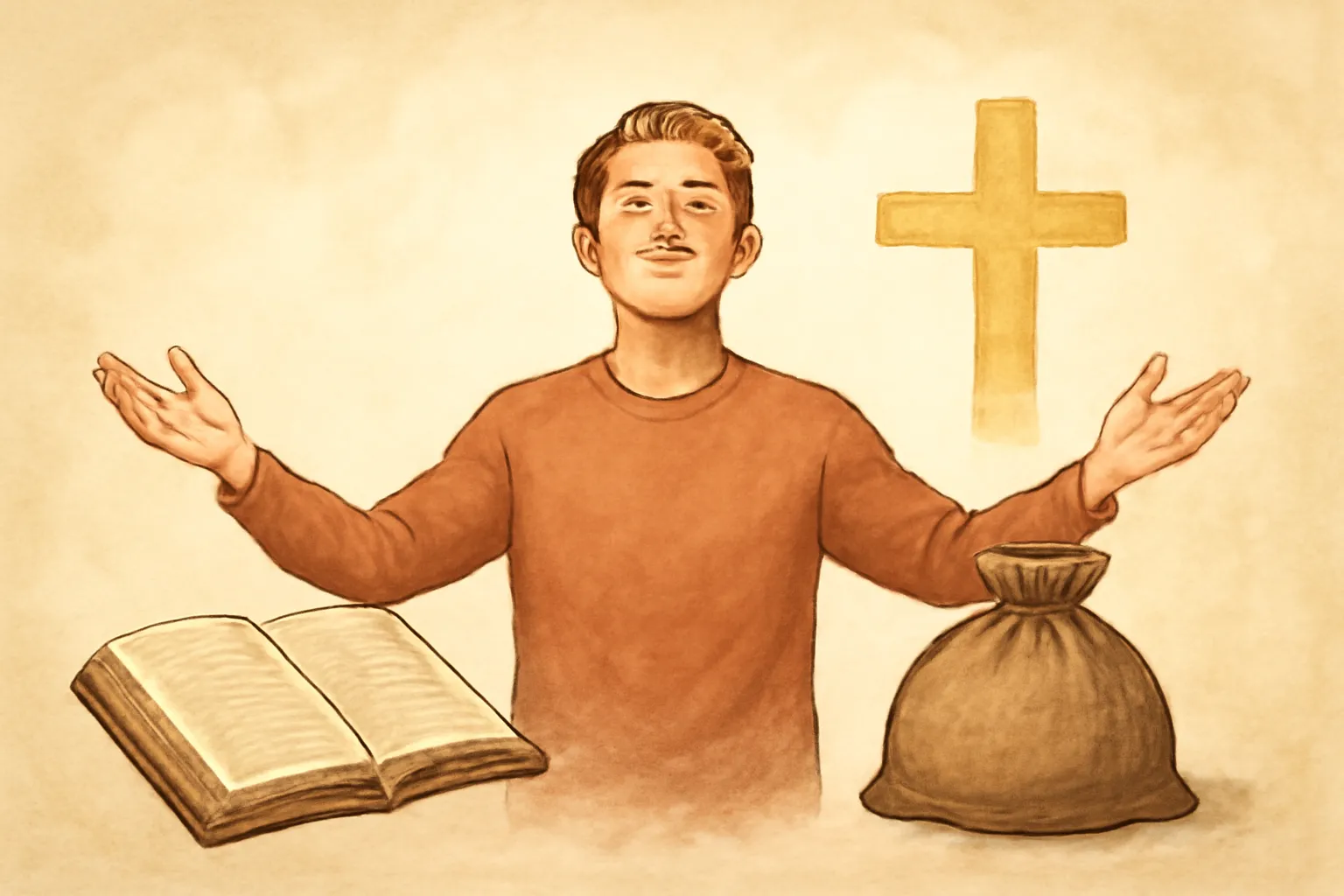
Bible Verses on Giving It All to God: Passages on Surrender
Giving all of oneself to God is a theme that recurs throughout the Bible, shaping how believers think about
trust, obedience, and daily living. This article gathers key passages that illuminate what surrender looks like in
real life—when we lay aside our own plans, anxieties, and preferences to align with God’s will. You will find a
blend of old and new testament insights, each offering language you can study, memorize, and apply. Whether you are
facing a major decision, a quiet moment of doubt, or the steady toil of everyday faith, these verses invite a
posture of total devotion: a readiness to say not my will, but yours be done.
Understanding the core idea: surrender as trust, obedience, and devotion
At its heart, surrender means placing trust in God, yielding control of our paths, and choosing
submission to divine intention even when the way isn’t fully clear. The Bible presents surrender not as passive defeat but as
deliberate alignment with God’s purposes. It is expressed in prayers, decisions, and the daily disciplines of a life marked by
love for God and neighbor. The verses below show how surrender can be expressed in various circumstances—through trust in
God’s guidance, through sacrifice, and through a renewed mind that seeks God above personal preference.
Old Testament foundations: surrender in faith and obedience
Commitment, trust, and the path of obedience
“Trust in the LORD with all thine heart; and lean not unto thine own understanding. In all thy ways acknowledge him, and he shall direct thy paths.”
(Proverbs 3:5-6, KJV) Note: this is one of the clearest declarations that surrender begins with relying on God rather than our own reason.
“Commit thy works unto the LORD, and thy thoughts shall be established.” (Proverbs 16:3, KJV) Key idea: surrender is ongoing work offered to God, with confidence that He governs outcomes.
“Be still, and know that I am God.” (Psalm 46:10, KJV) Implication: surrender includes quiet receptivity before a sovereign God, especially in turmoil.
“Cast thy burden upon the LORD, and he shall sustain thee.” (Psalm 55:22, KJV) Practice: surrender involves relinquishing worry and entrusting care to God.
Faith under pressure: Abraham, obedience, and the test of surrender
“And he said, Take now thy son, thine only son Isaac, whom thou lovest, and get thee into the land of Moriah; and offer him there for a burnt offering upon one of the mountains which I will tell thee of.” (Genesis 22:2, KJV) Remarkable moment of surrender: Abraham’s willingness to obey God’s command, even when it defied his natural expectations.
“And he said, Lay not thine hand upon the lad, neither do any thing unto him: for now I know that thou fearest God, seeing thou hast not withheld thy son, thine only son from me.” (Genesis 22:12, KJV) Outcome: God’s provision confirms that true surrender opens the way for grace and guidance.
New Testament guidance: surrender as discipleship, identity, and mission
Jesus’ model: denying self, taking up the cross, and following Him
“Then said Jesus unto his disciples, If any man will come after me, let him deny himself, and take up his cross, and follow me.” (Matthew 16:24, KJV) Essence: surrender begins with a daily choice to renounce self-centered aims in favor of God’s plan.
“If any man will come after me, let him deny himself, and take up his cross daily, and follow me.” (Luke 9:23, KJV) Daily practice: surrender isn’t a one-time event but a rhythm of trust that repeats as life unfolds.
Living a life that is not your own: the apostolic teaching on ownership and purpose
“I beseech you therefore, brethren, by the mercies of God, that ye present your bodies a living sacrifice, holy, acceptable unto God, which is your reasonable service.” (Romans 12:1, KJV) Calling: surrender includes offering every part of life as worship to God.
“For ye are bought with a price: therefore glorify God in your body, and in your spirit, which are God’s.” (1 Corinthians 6:20, KJV) Implication: surrender solidifies identity in Christ, recognizing ownership belongs to God.
“I am crucified with Christ: nevertheless I live; yet not I, but Christ liveth in me: and the life which I now live in the flesh I live by the faith of the Son of God, who loved me, and gave himself for me.” (Galatians 2:20, KJV) Depth: surrender becomes a life that is animated by Christ’s presence rather than personal ambition.
“Not as I will, but as thou wilt.” (paraphrase of Luke 22:42; KJV wording: “nevertheless not my will, but thine, be done”) Spirit: the heart posture Jesus displayed in Gethsemane remains a template for believers facing difficult choices.
“For to me to live is Christ, and to die is gain.” (Philippians 1:21, KJV) Perspective: surrender reframes life and even death in terms of Christ’s mission and value.
“For in him we live, and move, and have our being.” (Acts 17:28, KJV) Foundational idea: surrender acknowledges that every moment depends on God’s sustaining grace.
Prayerful surrender: verses that shape how we talk to God
Surrender often expresses itself through prayer—honest, humble talks with God that acknowledge dependence, seek guidance, and
commit to God’s will. The following passages model how believers can address God with both honesty and faith.
“O my God, I trust in thee: let me not be ashamed, let not mine enemies triumph over me.” (Psalm 25:2, KJV) Practice: begin with trust, even when circumstances are unsettling.
“Commit thy way unto the LORD; trust also in him; and he shall bring it to pass.” (Psalm 37:5, KJV) Prayerful posture: release plans to God and await His timing.
“Thy kingdom come, Thy will be done in earth, as it is in heaven.” (Matthew 6:10, KJV) Model: surrender includes longing for God’s purposes to prevail on earth as they do in heaven.
“Casting all your care upon him; for he careth for you.” (1 Peter 5:7, KJV) Assurance: surrender is accompanied by confidence in God’s loving attention.
Surrender in daily life: how to live out these truths day by day
The Bible frames surrender not only as a theological idea but as a practical way of living. Below are areas where you can apply
these verses in everyday life, with guidance drawn from the biblical text.
Thought life: renew your mind with God’s truth (Romans 12:2) and resist conforming to worldly patterns.
Relationships: treat others with the humility and love Christ modeled, seeking reconciliation and peace (Matthew 5–7; Romans 12).
Decision making: bring choices before God, asking for wisdom, and aligning actions with divine purposes (Proverbs 3:5-6; James 1:5).
Career and vocation: offer your work as worship and seek opportunities to glorify God through your profession (Colossians 3:23-24).
Suffering and endurance: trust God’s goodness in pain, knowing He cares for you (1 Peter 5:6-7; Romans 8:28).
Common questions about surrender: clarity on misconception and application
As with any spiritual discipline, people ask practical questions about what surrender looks like in real life. Here are concise answers
that connect directly to Scripture.
What does it mean to surrender my whole life to God? It means you invite God into every area—thoughts, emotions, choices, and aims—and align them with His will, trusting His guidance and accepting His plan even when it requires sacrifice (Romans 12:1-2; Proverbs 3:5-6).
Is surrender primarily about giving up my dreams? Not abandoning dreams, but reordering them around God’s purposes. Philippians 1:21 and Matthew 16:24 illustrate a life shaped by the primacy of Christ rather than self-centered ambition.
Can surrender coexist with personal goals and ambition? Yes, when those goals are harmonized with God’s will. The goal is to pursue what pleases Him, not what short-satisfies the ego (Colossians 3:23-24; Proverbs 3:5-6).
What happens when surrender feels difficult? Scripture invites you to bring your burden to God (1 Peter 5:7), to remember His faithfulness (Lamentations 3:22-23), and to lean on community for encouragement while you press forward in faith (Hebrews 10:24-25).
Key verses at a glance: a compact, memorize-ready list
For those who want a quick reference, here is a concise collection of pivotal verses about giving all to God. You can use these to memorize
or to guide your own devotional time.
Proverbs 3:5-6 — “Trust in the LORD with all thine heart; and lean not unto thine own understanding. In all thy ways acknowledge him, and he shall direct thy paths.”
Romans 12:1 — “I beseech you therefore, brethren, by the mercies of God, that ye present your bodies a living sacrifice, holy, acceptable unto God, which is your reasonable service.”
Galatians 2:20 — “I am crucified with Christ: nevertheless I live; yet not I, but Christ liveth in me.”
Philippians 1:21 — “For to me to live is Christ, and to die is gain.”
Luke 9:23 — “If any man will come after me, let him deny himself, and take up his cross daily, and follow me.”
Matthew 16:24 — “If any man will come after me, let him deny himself, and take up his cross, and follow me.”
Romans 8:28 — “And we know that all things work together for good to them that love God.”
1 Peter 5:7 — “Casting all your care upon him; for he careth for you.”
James 4:7 — “Submit yourselves therefore to God. resist the devil, and he will flee from you.”
Putting these verses into daily practice: a simple, repeatable rhythm
To help you live out surrendered faith, consider adopting a regular habit that mirrors biblical patterns: confession, submission, dependence, and action.
Confession and honesty: Start with God in prayer, naming fears, desires, and plans you want to surrender.
Submission: Ask God for clarity on your next step. If His guidance contrasts with your plan, choose to align with His will (Proverbs 3:5-6; Matthew 6:10).
Dependence: Bring daily needs to God in trust, casting cares, and seeking His provision (1 Peter 5:7; Philippians 4:6-7).
Action: Act in obedience, even when it costs you something, knowing that God rewarded faith in the stories of Scripture (Hebrews 11; Romans 12:1-2).
A note on the breadth of language: different ways to say the same truth
The biblical call to surrender is expressed with a variety of phrases across both Testaments. You may encounter terms like
“trust,” “lean not on your own understanding,” “present your body as a living sacrifice,” “deny yourself,” or
“commit your way.” Each formulation emphasizes a facet of the same core idea: a life oriented toward God rather than
self-determination. Recognizing these variations can deepen your understanding and help you teach or explain the concept to others.
Historical and theological reflections: why surrender matters
The Bible presents surrender as a pathway to intimate relationship with God, a conduit for God’s power to be made perfect in weakness, and a framework for moral and spiritual formation. When believers surrender, they invite God to reframe their desires, align their values with eternity, and empower them to bear fruit in ways that reflect Christ’s character. It is not a relinquishment of personhood, but a transformation of purpose—an invitation to become fully the person God designed you to be. The scriptures cited above encourage a living, dynamic faith: one that is not merely sentimental but decisively directed toward God’s glory.
embracing a life that is all God’s
Biblical surrender is a radical invitation to live with open hands and a compliant heart. It invites you to trust deeply, obey promptly, and love steadfastly as you walk with God through every season. By meditating on these passages—old and new—you can shape a life marked by complete devotion, a heart that says “not my will, but yours be done,” and a daily practice of placing your entire life in the hands of the One who laid down His life for you.
If you are starting fresh on this journey, you can choose a single verse to memorize this week, such as Proverbs 3:5-6 or Luke 9:23, and let it guide your daily decisions. If you are seeking to renew a surrendered posture, consider a short devotional habit: begin with a verse, observe its context, reflect on its personal implications, and write a brief prayer asking God to help you live it out. Over time, these small, faithful steps accumulate into a life that reflects the profound truth of surrender: trusting God with all you are and all you have.