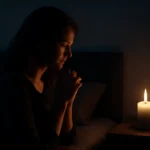
Many people find that reading a bible chapter to read before bed helps transition from the busyness of the day to a calmer, more centered evening. A well-chosen chapter can invite reflection, gratitude, and trust, creating a gentle pathway toward sleep. Below is a comprehensive guide to using bedtime passages to foster sleep, peace, and restfulness. The selections emphasize calming verses for sleep, comfort during fatigue, and hope for the night, all presented with practical tips to build a sustainable nighttime habit.
Before turning out the lights, a short, focused reading can:
Quiet the mind by shifting attention from daily worries to timeless truths.
Prepare the heart for rest, gratitude, and trust in God’s care.
Enhance physical relaxation as verses invite surrender, stillness, and breathing that slows naturally.
Create a routine that signals to your brain it is time to sleep, supporting healthier sleep patterns over time.
Best chapters and verses for sleep and calm
Not every chapter is equally suited for bedtime. The most effective reads tend to be concise, repetitive in a comforting way, and rich in imagery of rest, protection, or divine care. Here are common choices for a peaceful bedtime ritual, organized by theme and length:
Psalms for the night: comfort, protection, and trust
The Book of Psalms is particularly well suited for bedtime because of its lyrical cadence and themes of safety, guidance, and repose. Consider the following chapters and the short, memorable phrases they offer:
Psalm 23 — The shepherd imagery speaks of guidance, nourishment, and goodness all the days of life. A small, anchor-like line: The Lord is my shepherd;
Psalm 4 — A brief psalm that culminates in a promise of rest: In peace I will lie down and sleep;
Psalm 27 — Light and protection; a hopeful statement: The Lord is my light and my salvation.
Psalm 91 — A psalm of protection and refuge, often used for nighttime security and comfort.
Psalm 121 — Assurance of God’s watchful care: He will keep your going out and your coming in.
Reading a few verses from these chapters or a single short verse from each can create a gentle arc of trust, safety, and rest. If you prefer one go-to option, a common routine is to read Psalm 23 followed by Psalm 4 as you drift toward sleep.
New Testament writings offer invitations to rest in Christ’s care and to cast anxiety on Him. These passages provide a different texture from the Psalms—often with a quiet, decisive invitation to trust:
Matthew 11:28-30 — “Come to me, all who labor and are heavy laden, and I will give you rest.” This invitation is a succinct call to rest in Jesus’s pace and care.
Philippians 4:6-7 — “Do not be anxious about anything, but in everything by prayer and supplication with thanksgiving let your requests be made known to God. And the peace of God, which surpasses all understanding, will guard your hearts and your minds in Christ Jesus.” A longer passage, but one that can be read in sections or summarized in your own words for the night.
1 Peter 5:7 — “Cast all your anxieties on him, because he cares for you.” A short, memorable command that can be whispered or repeated softly.
Proverbs offers practical, grounding wisdom that can help quiet the mind without feeling heavy or prescriptive. Short snippets can be enough for a bedtime moment:
Proverbs 3:24 — “When you lie down, you will not be afraid.” A reassuring line that links sleep with security.
Proverbs 4:23 — “Keep your heart with all vigilance, for from it flow the springs of life.” A reminder to guard thoughts softly as you prepare to rest.
Creating a bedtime Bible-reading plan
If you’re new to bedtime reading, a simple, repeatable plan helps establish consistency. Here are practical options you can adapt to your schedule and preference:
One verse, one night: Choose a single calming verse (for example, Psalm 4:8 or Matthew 11:28-29) and spend five minutes reflecting on it, journaling a line or two of gratitude, and closing with prayer or a quiet breath exercise.
Three-verse rhythm: Select a short passage broken into three short verses (e.g., Psalm 23:1-3) and read each verse slowly, pausing between them to notice what thoughts rise and how your body relaxes with the cadence.
Mini reading cycle: Rotate among three categories across the week — “comfort” (Psalms), “trust” (New Testament), and “wisdom” (Proverbs). Each night, read a small portion from the chosen category.
Variations of “bible chapter to read before bed” you can try
To give semantic breadth and keep your routine fresh, you can vary the phrasing you use when naming your nightly practice. Here are some alternatives you might encounter or adopt in your own notes:
Reading a bible chapter for bedtime rest
Choosing a nighttime verse for calm
Engaging with a bedtime psalm or evening scripture reading
Following a peaceful scripture routine before sleep
Selecting a sarafine or small passage for night prayer
Practical tips for a sustainable bedtime reading routine
Implementing a daily rhythm can be easier if you integrate practical steps that align with real life. Consider these ideas to make your Bible-reading-before-bed routine reliable and restorative:
Set a consistent time—even 5–10 minutes can make a difference if done regularly.
Choose a comfortable setting—soft lighting, a cozy chair or bed, and a quiet environment reduce distractions and support a calmer mood.
Use a physical bookmark or a small journal to track which verses you read and what resonated, helping you remember and reflect the next night.
Limit screen exposure before bed to avoid stimulating your brain; keep the Bible handy in print or a dedicated app that has a night mode to reduce blue light.
Combine with a breathing exercise—inhale for four counts, exhale for six, while repeating a chosen verse in your mind.
How to tailor readings for different seasons or moods
Life changes with the seasons, and so can your bedtime scripture. Here are suggestions for varying moods and circumstances:
When feeling overwhelmed: Focus on verses about God’s sovereignty and care (for example, Psalm 46:10 “Be still, and know that I am God”).
When craving gratitude: Read verses about giving thanks and God’s provision (such as 1 Thessalonians 5:18 “give thanks in all circumstances”).
When needing safety and protection: Turn to passages like Psalm 91 or Proverbs 3:24 for a sense of security and calm.
Bedtime can be a shared practice that teaches listening, reflection, and peace. Here are kid-friendly approaches:
Family verse of the week — pick a short verse each week and discuss what it means in simple terms; conclude with a quiet moment of prayer.
Picture a verse — read a verse aloud and invite children to draw a symbol that represents the message, helping with memory and engagement.
Short storytelling — tell a brief, age-appropriate parable or reflection that ties to a calming verse (for example, the shepherd imagery of Psalm 23).
Memorization and reflection: making verses your own
Memorizing a few lines can deepen the impact of bedtime reading. Consider these steps to make verses memorable while keeping sleep in view:
Choose a small anchor — one verse or phrase to keep returning to night after night.
Repeat aloud softly as part of your wind-down routine; gentle repetition reinforces calm.
Journal a single thought after reading—one line about how the verse spoke to you that night.
Involve a family member by briefly sharing what you learned or felt, then closing with a simple prayer or blessing over each other.
The role of translation and language in bedtime reading
Different Bible translations offer distinct cadence and nuance. Some readers prefer the poetic rhythm of the KJV (King James Version), while others favor the contemporary clarity of the NIV or the natural flow of the ESV. For bedtime, you might opt for a translation with a soothing rhythm and concise phrasing. Consider these notes:
Public-domain translations like the KJV provide a traditional cadence that many find calming and familiar.
Modern translations can be easier to understand on a first read and may reduce interpretive fatigue at night.
Audio options — listening to a spoken Bible can be a powerful alternative to reading, especially when tired; pairing listening with a printed verse you’ve memorized can reinforce learning while aiding sleep.
Sample week-long bedtime reading plan (example)
Here is a simple, repeatable plan you can use. Adjust the verses or order as you grow more comfortable with the routine:
Monday — Psalm 23:1-3; brief reflection on guidance and rest.
Tuesday — Psalm 4:8; ground yourself in the promise of peace.
Wednesday — Matthew 11:28-29; rest in Christ’s invitation to teamwork and gentleness.
Thursday — Proverbs 3:24; contemplate safety and calm in the moment before sleep.
Friday — Psalm 91 (selected verses about protection); reflect on security in God’s care.
Saturday — Philippians 4:6-7; practice release of worry and receive God’s peace.
Sunday — Psalm 27:1-4; invite light and confidence at dusk as you prepare for night.
Over time, you can repeat this cycle or swap verses with new ones you discover, always returning to a core set of anchor phrases that promote rest and trust.
Reading is most effective when paired with a calm, consistent ritual. Consider adding these elements to your bible chapter before bed routine:
Dim the lights or use a soft lamp to reduce stimulation as you wind down.
Practice slow breathing—inhale for a count of four, exhale for six, repeating the chosen verse in your mind.
A short blessing or prayer over yourself or loved ones can seal the moment with intention and gratitude.
A brief stretch or gentle movement to release physical tension that can hinder sleep.
Common questions about bedtime Bible readings
Here are answers to questions people often ask about using scripture at night:
How long should I read? A focused 5–15 minutes is sufficient for most people, especially when you are first starting. The goal is consistency, not length.
What if I can’t sleep after reading? It’s okay—gentle reflection and prayer can still be beneficial. Some find it helpful to close the book and simply sit in stillness for a few minutes, or quietly recite a short verse until sleep arrives.
Should I read aloud or silently? Read aloud if it helps you relax and pace your thoughts; otherwise, silent reading is perfectly fine and can be less stimulating for some.
Is this only for adults? No. Bedtime scripture can be adapted for children as well, with shorter passages, more storytelling, and inclusive discussion of what the verses mean.
Closing reflections: building a lifelong habit of calm
A bible chapter to read before bed becomes more than a habit; it becomes a practice that shapes how you enter sleep. By choosing verses that emphasize trust, peace, protection, and rest, you align your nighttime routine with deep, enduring truths. The repetition of a calm passage tends to lower physiological arousal, steady breathing, and a shift in attention from daily demands to the larger story of God’s care. This can contribute to more consistent sleep cycles, a calmer mind, and a kinder posture toward yourself and others as you close the day.
Key takeaways for a calming bedtime scripture routine
Choose short, meaningful verses tied to rest, trust, and peace.
Maintain a consistent routine that signals sleep is near.
Pair reading with breathing and reflection to ease body tension and quiet the mind.
Use a variety of sources (Psalms, New Testament, Proverbs) to keep the practice engaging.
In the end, the value of a bedtime Bible chapter lies not in its length but in its ability to calm the heart and guide the mind toward rest. Whether you choose a single verse, a short passage, or a few verses from a friendly chapter, you are cultivating a habit that invites peace, trust, and steady sleep. If you are exploring different phrases to emphasize, you can start with these anchor ideas and phrases:
Silence and stillness in the presence of God
God’s protection over night and sleep
Peace that surpasses understanding guarding the heart
May your bible chapter to read before bed become a comforting ritual that you look forward to evening after evening, a gentle doorway into rest and renewal as you surrender the day to the grace and care of God.