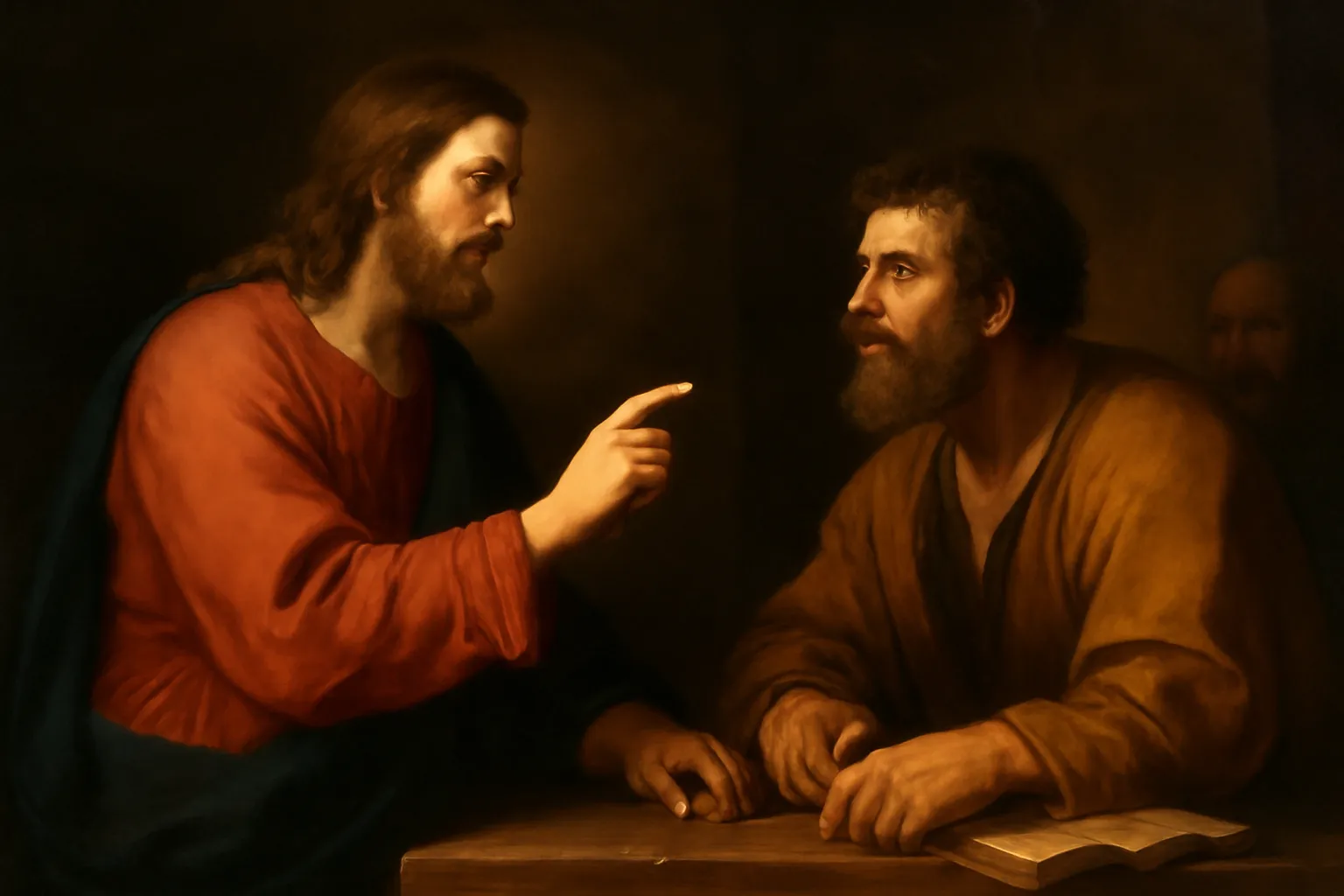
Bible Street—whether you encounter the name in a coastal city, a university town, or an inland neighborhood—is often more than a street. It is a living record of faith, trade, and community life. In this practical guide, we explore the history behind the biblically themed thoroughfare, trace its urban development, and highlight the landmarks that give this street its distinctive character. By unpacking its origins, geography, architecture, and everyday use, readers can gain a deeper appreciation for how the biblical-styled street functions as a social stage, a commercial strip, and a space for remembrance. This article uses the name Bible Street in a generic sense and offers a framework you can apply to the Bible Street in your city or town, noting that variations exist from one place to another.
The name Bible Street typically signals more than a geographic label. In many communities, the designation reflects a historical period when churches, printing houses, religious schools, and faith-centered organizations clustered along a single corridor. The street, or the corridor named Bible Street, often earned its reputation through a combination of dedication to scriptural study, the presence of devotional institutions, and the symbolic association between streets and sacred texts. In some municipalities, the naming story combines legend and archival evidence: early residents spoke of a “public square surrounded by houses of prayer,” while others point to a mid-19th-century movement to create a prominent thoroughfare connected to religious education and charitable activity. The origin story for the strike of early settlers and merchants can illuminate how a street acquires its cultural reputation over time.
Early Naming and Settlement
In the earliest days of this biblical-street area, the street functioned as a link between churchyards, market spaces, and artisan workshops. Land records often show a pattern of lots leased to religious associations, schoolmasters, and printers who specialized in religious texts. The historical narrative suggests a deliberate street identity was constructed: a place where values, learning, and commerce intersected. While many Bible Street stories converge on the same themes—devotion, literacy, and community service—each city adds its own unique twist. For some neighborhoods, the early history emphasizes missionary activity; for others, it centers on printing presses and bookshops that sold Bibles and study aids. In either case, the street’s heritage is tangible in its brick facades, engraved stone markers, and the layout of chapels and schools along arterial routes.
Geography, Layout, and the Urban Fabric
The physical form of Bible Street—and its variations—offers clues about how urban space accommodates faith-driven institutions and everyday commerce. The street often runs as a principal axis through the old town or historic district, with a consistent width that accommodates pedestrians, horses in earlier centuries, and later, buses and bikes. The urban fabric typically weaves together three impulses: worship, learning, and retail. The street may be oriented north-south in a grid city or follow a gentle curve in a centuries-old town, but the core principle remains the same: landmarks cluster near corners, public squares, and transit hubs, while side streets host smaller community facilities. The following features are commonly observed on Bible Street and its variations:
Religious institutions placed at prominent intersections, signaling their role as anchor institutions.
Libraries and schools that reinforce literacy and study as civic priorities.
Market spaces and storefronts that historically served parishioners and students alike.
Public squares or parks that provide gathering spaces for processions, fairs, and outdoor concerts.
Architectural cohesion achieved through repeated use of brick, stone, and timber, with decorative details that echo biblical motifs or historical periods.
For visitors, the geography of Bible Street means a logical loop: begin near a central plaza, move along a primary tram or bus corridor, then detour to side streets for smaller chapels or bookshops. The street’s plan often supports a walking itinerary that reveals layers of history—from the earliest worship spaces to the modern cultural centers that preserve and reinterpret that legacy. In some places, the corridor has also become a multicultural corridor, hosting faiths beyond its founding denomination. This evolutionary path demonstrates how the urban form can accommodate change while preserving memory.
Landmarks and Architectural Highlights
The most compelling aspect of Bible Street is its array of landmarks that speak to religious devotion, educational ideals, and commercial resilience. Across the street’s length, you will encounter façades that tell stories of era-specific design, materials, and craftsmanship. Below is a catalog of landmark types you are likely to encounter, along with representative features you might look for when exploring this corridor. Remember that individual Bible Streets vary, but the basic template remains instructive for understanding how a faith-centered street evolves.
St. Michael’s Church (late 18th century): a classic example of regional ecclesiastical architecture with a tall steeple, pointed arches, and a nave that has hosted generations of congregants and community choirs.
Grace Episcopal Chapel (early 19th century): a smaller, intimate worship space known for its timber-framed interior and carved pews; often hosts sunrise services that align with street life.
Holy Trinity Basilica (20th century): a more monumental structure that reflects evolving liturgical practices and uses light-filled spaces to evoke spiritual openness.
Neighborhood House of Prayer (informal worship space): a community-supported venue that hosts interfaith gatherings and youth programs, illustrating how the street supports spiritual life beyond traditional congregations.
The Bible Street Library (public institution): a repository of religious texts, general literature, and local history; often features reading rooms, exhibits, and author talks tied to sacred topics and civic education.
Scripture & Science Bookstore (specialty shop): a long-standing retailer known for a curated collection that merges theology with philosophy, history, and natural science.
Archive Hall (city archive or university annex): a place where researchers can access historical maps, parish records, and urban planning documents related to the corridor.
Center for Interfaith Dialogue (cultural center): a space that hosts lectures, film screenings, and discussion circles aimed at bridging religious communities and promoting mutual understanding.
Public Squares, Markets, and Civic Spaces
Market Square (weekly markets): a hub for local farmers, craftspeople, and small businesses, often punctuated by street performances and seasonal festivals.
Heritage Plaza (central open space): a place for commemorations, public speeches, and community fairs that reinforce a sense of shared urban memory.
Pedestrian Arcades (covered walkways): these architectural features shelter shoppers and worshippers, creating a continuous, humane scale along the street.
Across these landmarks, you’ll notice a common thread: architecture that supports function (worship, study, commerce) while evoking memory through form, ornament, and materials. In many Bible Street corridors, the woodworking and masonry display a blend of regional character and religious symbolism, creating a cohesive streetscape that invites steady exploration. The preservation of these structures is often a collaboration among faith communities, local governments, and historical societies, underscoring the importance of preservation in keeping the street legible to future generations.
Architecture and Urban Design: Styles You’ll Encounter
As you walk along the street called Bible Street, you may notice a spectrum of architectural styles that reflects the street’s long timeline. The following styles frequently appear on this corridor and contribute to its distinctive ambiance:
Gothic Revival details: pointed arches, tracery windows, and buttresses that evoke medieval ecclesiastical architecture while remaining approachable for urban use.
Neoclassical façades: symmetrical arrangements, tall columns, and pediments that speak to civic virtue and moral order.
Art Deco touches: streamlined forms, geometric motifs, and decorative stonework that appeared in the early 20th century as the street modernized.
Brick-and-stone vernacular builds: robust structures with warm textures that convey durability and a lived-in sense of place.
Adaptive reuse spaces: former warehouses or school buildings repurposed as libraries, galleries, or community centers, preserving the skeleton of history while serving current needs.
These architectural layers do more than house activities; they narrate a city’s or town’s relationship with faith and learning across centuries. The urban design of the Bible Street corridor often prioritizes human-scale experiences: sheltered walkways, inviting storefronts, and accessible entrances that welcome visitors from all backgrounds. The careful integration of signage, wayfinding, and public art helps preserve the directionality of the heritage narrative while allowing for contemporary uses such as pop-up markets, rehearsals in outdoor spaces, and community film screenings under a shared canopy of street trees and lampposts.
The Social and Cultural Life of Bible Street
Beyond its physical landmarks, the Bible Street ecosystem thrives on social networks, volunteerism, and local economies. The street has historically functioned as a center for education and charitable activity, where bookshops and churches coordinate to provide literacy programs, youth outreach, and interfaith forums. As you read about the living history of this corridor, you’ll see that the street’s vitality rests on collaboration among churches, schools, merchants, and residents. The following aspects illustrate how the street’s life unfolds on a daily basis:
Weekly markets and farmers’ fairs that bring residents together, support local producers, and connect the faith community with everyday life.
Community programs hosted by libraries and cultural centers, including lectures, storytelling events, and genealogical workshops tied to local history.
Interfaith dialogues and educational initiatives in shared spaces, fostering mutual respect among diverse religious groups that call the corridor home.
Seasonal festivals such as processions, candlelight vigils, or street fairs that blend tradition with contemporary performance art.
Volunteer networks that maintain historic buildings, coordinate cleanups, and support social services for vulnerable residents.
For a visitor, engaging with these activities is a practical way to understand the social fabric of the street. You will encounter people who know the landmarks by name, stories about long-running congregations, and conversations about preservation decisions that shape what the street will be in the next generation. The corridor’s cultural life is not a relic; it is a dynamic system in which faith, education, and commerce continually negotiate their roles in the public realm.
Whether you are a local resident or a traveler, a thoughtful itinerary can turn a casual stroll into a meaningful experience. The following practical tips are designed to help you enjoy the Bible Street experience while respecting sites of worship and community spaces. Incorporate these ideas into your own plan and adapt them to your city’s specific layout and open hours.
Plan a loop: Start at a central plaza near a major church or library, then follow a clockwise or counterclockwise route to encounter a spectrum of landmarks, from small chapels to grand public spaces.
Check opening hours: Many bookstores, libraries, and cultural centers have seasonal schedules. Note times for tours, talks, or gallery openings.
Respect sacred spaces: Some sites may require quiet behavior, photography restrictions, or dress codes inside places of worship.
Take guided tours when available: Local historical societies, university departments, or faith-based organizations often offer short tours that contextualize the street’s history and landmarks.
Use the signage: Look for plaques and interpretive panels that explain the architectural features, dates, and notable figures associated with each landmark.
Sample Itineraries for a Day on Bible Street
Morning start at the central plaza, near the oldest church; listen to a short organ recital or bell toll to mark the day, then visit the adjacent public library for a century-spanning map exhibit.
Mid-morning stroll to a historic bookstore and a small chapel that hosts a community reading circle; pause to enjoy a coffee at a nearby cafe, appreciating a storefront that has served readers for generations.
Lunch in Market Square, sampling local foods and speaking with vendors about the street’s role in the community.
Afternoon explore the architectural cluster—note Gothic features, neoclassical facades, and any adaptive reuse projects—then visit a cultural center to attend a talk about the corridor’s urban history.
Evening end at a perspective point, where a public square hosts a quiet performance or a night market, offering a final reflection on the street’s heritage and future.
Preservation is a central pillar of the Bible Street narrative. The street’s historic fabric depends on a coordinated effort among residents, faith communities, and local governance to maintain buildings, keep public spaces accessible, and manage development pressures. Common challenges include property redevelopment, balancing new uses with historic preservation, and ensuring accessibility for people with disabilities. Across many Bible Street corridors, preservation strategies typically emphasize:
Adaptive reuse to give old buildings new life without erasing their memory.
Historically informed zoning that preserves key sightlines, massing, and material palettes.
Public engagement through neighborhood associations, memorial plaques, and participatory design workshops that bring residents into the planning process.
Maintenance funding targeted at landmark exteriors, interior sanctuaries, and community centers that anchor the street’s life.
Interfaith cooperation to ensure the corridor remains welcoming to diverse congregations and respectful of worship practices.
In practice, the working life of the Bible Street district depends on ongoing stewardship. Local organizations often form coalitions—such as a Historical Bible Street Society or a Neighborhood Preservation Alliance—to lobby for funding, coordinate restoration work, and organize events that highlight the street’s cultural significance. These groups help ensure that the corridor remains a place where people can engage with history, learn from one another, and participate in the shared memory of the community.
For readers who want to dig deeper, a practical approach combines primary sources, guided tours, and contemporary scholarship. The following pathways offer reliable routes to understanding the history and landmarks of Bible Street:
City archives and parish records for original land deeds, construction dates, and renovation histories.
Architectural surveys detailing styles, materials, and the evolution of storefronts and religious buildings along the street.
Walking tour guides offered by local museums, libraries, or faith-based organizations, often including anecdotes about notable figures who lived and worshipped there.
Oral histories collected from longtime residents, shopkeepers, and clergy, which illuminate the lived experience of the street across generations.
Academic and journalistic sources that place Bible Street within the broader context of urban development, religious practice, and civic identity.
When documenting these sources, consider the semantic breadth of your notes: how a given landmark is tied to a single congregation, to city policy, or to a neighborhood’s shifting demographics. The interplay between these layers reveals how the street’s memory persists even as its physical form evolves.
To help readers navigate the vocabulary associated with Bible Street, here is a compact glossary. Bold terms highlight concepts that recur throughout this guide.
: Physical features or buildings with historical, architectural, or cultural significance along the street.
: The process of repurposing old buildings for new uses while preserving their historic character.
: Efforts to protect and maintain the historical and cultural assets of a place for future generations.
: The combination of streets, buildings, public spaces, and landscapes that create the character of a city or neighborhood.
Wayfinding: Signage and design cues that help people navigate an area, understand its layout, and learn its history.
Public memory: The collective recollection of a community about events, places, and people that shape current identity.
Throughout the broader literature and across cities, you will encounter many phrasings that capture the essence of this renamed thoroughfare without repeating the exact label. Different communities refer to the same physical street in subtly varied ways:
The Bible Street corridor emphasizes the stretch as a connected zone rather than a single line.
Biblical Street offers a shorter, slightly colloquial form used in casual conversation and travel guides.
Bible Street district points to a wider urban area surrounding the street where related institutions cluster.
The Scriptural Street variant evokes historical naming practices tied to religious texts and education.
Faith Street or Scripture Way are broader but refer to similar patterns of religious and cultural life along a main axis.
These variations are useful for researchers and visitors who encounter different naming conventions in different cities. Regardless of the label, the underlying phenomena remain: a street shaped by faith institutions, educational spaces, and a resilient commercial zone that together define a place with enduring memory and evolving relevance.
In sum, a practical guide to Bible Street reveals more than a route through a city’s layout. It offers a lens onto how a street becomes a living archive—its structure housing memory, its landmarks embodying history, and its everyday life sustaining the social organism of the neighborhood. By studying the origins of the name, tracing the geography of the corridor, exploring the architectural highlights, and engaging with the street’s cultural life, readers gain a richer appreciation for how urban spaces hold and transmit value across generations. Whether you are planning a weekend stroll, a school project, or a professional study of urban development, the Bible Street corridor offers a compelling case study in how place-based identity is built, maintained, and renewed—one landmark at a time.
As you set out on your own journey along this biblical-named street, remember that the best learning happens when you remain curious about the people who live, work, worship, and gather there. Each storefront, each church door, and each library window is a doorway into a layer of history. With thoughtful preparation and a willingness to listen, you can experience the history and landmarks of Bible Street in a way that honors the past while looking forward to the future. This guide is your companion to that exploration, a practical map for discovering the street’s heritage and its living, evolving spirit.