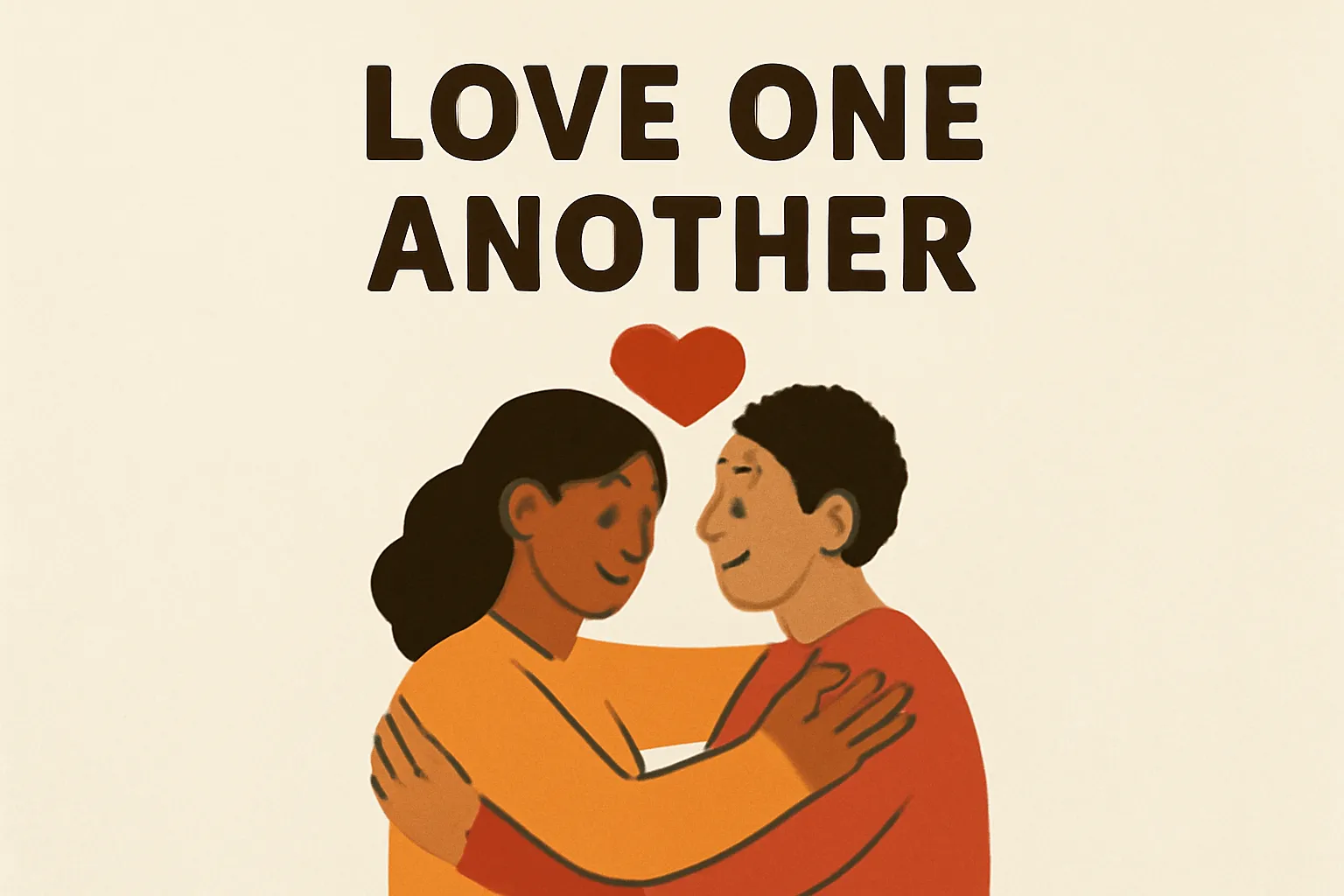
The Bible Says Love One Another Across Time and Cultures
Across generations and in every culture where the Bible has been read, one exhortation stands out as a guiding light for human relationships: love one another. When people ask, «What does the Bible actually teach about love?» or «How should I treat the people around me?» the answer repeatedly returns to the same core principle: love is not merely an emotion but a deliberate choice that shapes actions, commitments, and communities. In this article, we explore how Scripture guides us to love others, what it means to “love one another” in daily life, and how this command translates into concrete practices that honor God and bless neighbors. We will see that the message is not simply about sentiment; it is a comprehensive ethic that encompasses thought, speech, and conduct.
The refrain «bible says love one another» appears in several forms and in different books, yet the message remains coherent: genuine love seeks the good of others, embodies humility, and is expressed through acts of service, forgiveness, and justice. In studying the Scripture, we discover that love is relational, love is costly, and love is transformative—not only for those who receive it but also for the one who gives it. Whether you are exploring Christianity for the first time or seeking to deepen your faith, the biblical call to love one another offers a practical framework for living in a way that reflects the character of God.
What the Bible Means by “Love One Another”
The phrase “love one another” is not a mere slogan in Scripture. It is a summation of a larger covenantal pattern: God’s love for his people, and the corresponding expectation that those who follow God will manifest that same love in their communities. The biblical use of love encompasses several Greek terms, primarily agape (selfless, sacrificial love), philia (brotherly affection), and eros (romantic love, which is less central to the command in many contexts). The clearest inroads into understanding agape love are through the actions that accompany it—mercy, justice, truth-telling, hospitality, and reconciliation.
When the Bible instructs us to love one another, it often links this imperative to neighborliness and universal scope: love for family and friends, love for strangers and the vulnerable, and even love for enemies in the sense of pursuing their good. In many passages, love is described as the measure by which the world will recognize a faith that is genuine. In short, biblical love is both an inner disposition and an outward practice that seeks to honor God and serve others.
Key Scriptural Foundations: The Repeated Call to Love
A New Commandment: Love as the Mark of Followers
In the gospel narrative, Jesus articulates a compelling pattern: love one another as I have loved you. This is sometimes described as a new commandment that reframes old obligations with a higher standard: Jesus’ love becomes the model and measure. The practical consequence is clear: if you belong to me, your relationships will be characterized by tangible care, sacrificial service, and an intentional pursuit of unity.
Love Your Neighbor as Yourself: The Broad Mantle of Responsibility
The command to love your neighbor as yourself expands the circle beyond kin and close friends to include those who are different or distant from us. This principle appears in the Law and is echoed by Jesus in the Gospels as a central way to embody righteousness. In practice, this means showing respect for human dignity, meeting practical needs, and seeking the common good, even when it costs us personally.
The New Testament letters are filled with exhortations to practice love in concrete ways—by welcoming one another, bearing each other’s burdens, and pursuing harmony. Paul and other writers urge communities to display the fruits of love in their daily life, including hospitality, generosity, patience, and truthfulness. These calls to action make the command audible in the rhythms of ordinary life, not merely in grand moments of worship.
Love as the Fulfillment of the Law
A consistent thread in Scripture ties love to the deepest motives of obedience. To fulfill the law is often described as acting with mercy, kindness, and justice toward others. This means that love is more than nibbling at the edges of moral rules; it is the full-bodied life that aligns with God’s purposes for human beings in community.
Love in Action: Biblical Examples and Illustrations
The Bible provides vivid illustrations of love in action, showing how love translates into concrete behavior toward others. These stories become templates for personal conduct and communal life.
The Good Samaritan: A Samaritan helps a wounded stranger at personal cost, bridging a cultural divide and putting mercy into practice. This story models neighbor love across boundaries of ethnicity, religion, and social status.
Jesus washing the disciples’ feet: Demonstrating servant leadership, Christ embodies love as service. This act redefines greatness as lowliness and humility in daily relationships.
Forgiveness and reconciliation: Scriptural love often requires forgiving others, even when it is painful or costly. The willingness to forgive mirrors God’s forgiveness toward humanity.
Care for the vulnerable: Scripture emphasizes caring for the poor, the orphan, the widow, and the alien—practical demonstrations of love that protect and dignify the vulnerable.
Community harmony: Love in the church fosters unity, generosity, and mutual accountability, reflecting the harmony God desires within the body of believers.
Beyond these canonical illustrations, the overarching pattern is clear: love one another is not merely a private virtue but a public virtue that reshapes communities, relationships, and even public life. When churches and individuals pursue this kind of love, they enact a vision of society that honors God and blesses neighbors.
Practical Ways to Live Out Biblical Love
Understanding what it means to love is one thing; implementing it is another. The Bible provides practical pathways for turning belief into behavior, so that love is seen in ordinary actions, not only in extraordinary moments.
Listen attentively to others, especially those who are hurting or different from you. Active listening communicates value and respects the dignity of every person.
Show hospitality to strangers, guests, and neighbors who may feel unseen. Hospitality is a tangible form of love that builds bridges and expands the circle of care.
Offer practical help in times of need—meals, rides, childcare, or financial support when appropriate. Small acts of service accumulate into a reputation for trustworthiness and care.
Speak truth in love: Correct gently, encourage courage, and avoid harsh or judgmental speech. Healthy speech fosters healing and growth within relationships.
Practice forgiveness as a deliberate choice, not merely a feeling. Letting go of offenses restores relationship and reflects the mercy God has shown us.
Attend to justice and mercy: Stand with those who are marginalized, speak up for the vulnerable, and work toward systems that honor human dignity.
Protect the vulnerable: Recognize and respond to needs around you—whether it is a neighbor in crisis, a family facing hardship, or a community facing injustice.
Maintain humility: Put others’ interests ahead of your own where possible, and learn from those with different perspectives.
To summarize these practices in biblical terms: love one another becomes a habit, not a headline. The everyday daily acts of kindness and service reveal the character of a life transformed by grace, and they serve as a powerful witness to others about what true love looks like in a broken world.
Love in the Church and in Society: Building Communities of Grace
The church, as a gathered community, is called to be a living demonstration of love one another. When believers prioritize love, congregations become spaces of safety, accountability, and mutual care. This has ripple effects beyond church walls into families, workplaces, schools, and local neighborhoods.
Within the church, love strengthens bonds, fosters reconciliation, and enables members to use their gifts to serve one another. It also creates a credible witness that invites others to explore spiritual truth with humility.
In families, biblical love shapes parenting, marriage, and sibling relationships through patience, mercy, and steadfast commitment.
In the public square, the love command shapes how communities respond to those in need, how authorities steward resources, and how society treats strangers and immigrants with dignity.
In practice, love as a public virtue can reduce hostility and increase cooperation, especially when people of diverse backgrounds work together to common goals that reflect justice and mercy.
The Bible also teaches that love must be guarded and discerning. It is not a blank check for sentimentality or for tolerating abuse. Biblical love is neither passive nor permissive; it is courageous, honest, and guided by truth and justice. Love one another thus participates in God’s ongoing work of renewing individuals and communities, even in the face of conflict, pain, and grief.
Common Misunderstandings and Clarifying Truths
As with any deep spiritual discipline, several misunderstandings can obscure the meaning of love one another. Here are a few common misperceptions and the biblical clarifications:
Misunderstanding: Love means approving of every choice or letting harm continue. Truth-telling and justice are essential parts of love. Biblical love seeks what is truly best for the other person, which sometimes requires courageous honesty and boundaries.
Misunderstanding: Love is simply an emotional feeling. Love in Scripture is primarily a commitment expressed through actions—serving, sacrificing, and persevering through difficulties for the good of others.
Misunderstanding: Love excludes judgment. The biblical call to righteousness accompanies love. To love well means to guide, protect, and correct when necessary, always aiming to restore and heal.
Misunderstanding: Love is private. The biblical model shows that love flourishes within accountable communities, where people care for one another and extend mercy toward neighbors near and far.
By distinguishing these truths, readers can cultivate a robust practice of biblical love that remains faithful to God’s purposes and that remains trustworthy in a diverse society.
Historical and Cultural Context: How Love Is Learned and Lived
The biblical call to love one another emerges in particular historical moments and within communities facing real-life pressures—persecution, poverty, social divisions, and ethnic tensions. The writers of Scripture acknowledge these pressures and present love as a resilient practice that can endure hardship. Across the biblical narrative, love becomes a unifying force that transcends cultural boundaries and creates a shared identity rooted in God’s mercy.
In many places, the language of love is framed within the covenant relationship with God. The people are called to be a holy people, a community marked by generosity, hospitality, and steadfast loyalty to one another. This theological foundation explains why practical acts—feeding the hungry, sheltering the stranger, and weeping with those who mourn—are not secondary hobbies but essential expressions of faithfulness.
Variations of the Phrase: How Different Writings Express the Call to Love
The idea “Bible says love one another” can be translated with slightly different emphases depending on the tradition and translation. Some common variations you may encounter include:
Love one another as a command that shapes behavior and identity.
Love your neighbor as a broad, inclusive obligation toward all people, near and far.
Love one another in the context of forgiveness, reconciliation, and mutual upbuilding.
Follow Jesus’ example of love, which places service and humility at the center of community life.
Let love be the mark of discipleship, so that the world may see the truth of the Gospel in action.
These variations are not contradictions but rather complementary emphases that help readers grasp the breadth of the command. When taken together, they form a comprehensive vision of love that can be practiced in homes, churches, workplaces, and municipalities.
Frequently Asked Questions: Quick Guide to Living Out Biblical Love
How can I love when I feel my own needs are urgent?
Biblical love is not a neglect of self but a prioritization of others’ needs in a way that honors God. Start with small, doable steps—listen first, offer practical help, or pray for guidance. Love grows as you practice it, and God gives strength to continue even when you feel depleted.
What about boundaries and healthy relationships?
Love is compatible with wise boundaries. The Bible calls us to protect the vulnerable, avoid enabling harm, and seek restoration when relationships become unhealthy. Boundaries, when applied with grace, are a form of love that preserves dignity and safety for all involved.
Is love primarily for believers, or for all people?
The biblical ethic extends toward all people. While much of Scripture is oriented toward the community of faith, the call to love one another is rooted in God’s love for all beings. Christians are urged to show mercy and compassion to their neighbors, regardless of shared belief.
How can a person grow in agape love?
Growth in agape love happens through cultivating humility, daily prayer, service, and community accountability. Regular habits like Scripture study, reflection, and acts of service help love become more natural, less strained, and more transformative over time.
The Bible’s repeated exhortations to love one another are not dry rules but invitations to participate in a divine design for human flourishing. By embracing the agape-centered understanding of love—one that is patient, kind, and relentlessly committed—we grow into communities where every person is valued, where differences are navigated with grace, and where the vulnerable are protected. The call to love one another remains as relevant today as it was in the first century, because human need and divine mercy persist across ages.
If you are exploring these teachings, consider starting with a few practical steps: practice listening as a form of love, extend hospitality to someone outside your usual circle, forgive a long-standing grievance, and look for a tangible way to serve in your neighborhood or church. As you do, you may discover that love for others is less about achieving a perfect state and more about choosing grace in daily moments—moments that, over time, transform your heart and the world around you.
In the end, the Bible says love one another because love is the heartbeat of God’s own nature and because love is the most effective instrument for healing, justice, and reconciliation in a fractured world. When you embody this love—boldly, tenderly, and wisely—you participate in a story that is larger than yourself: a story of God’s love at work in ordinary lives, shaping ordinary days into a hopeful future for all people.