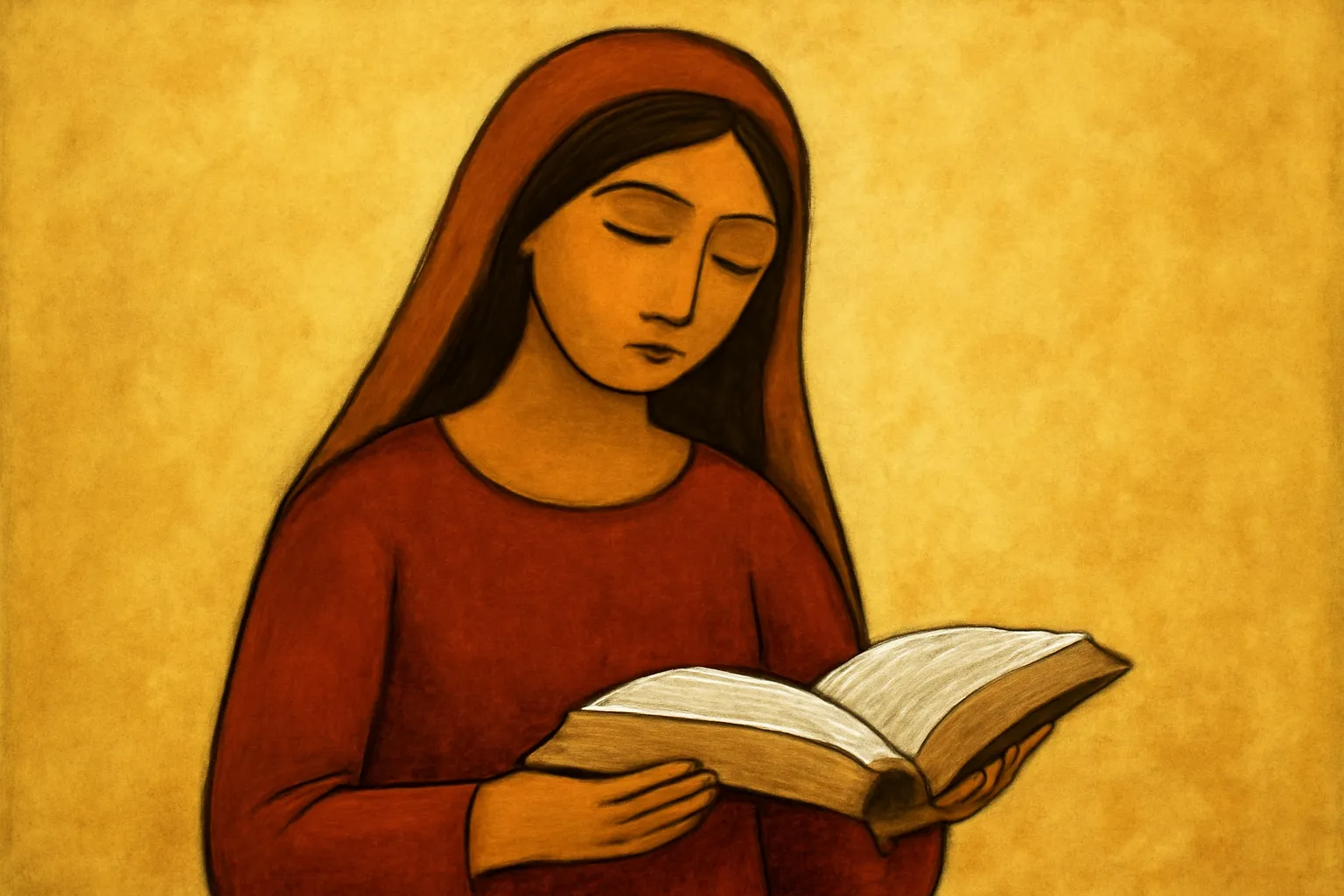
Bible Stories for Women: Timeless Tales to Inspire Faith
Across the biblical narrative, the lives of women illuminate paths of faith, resilience, leadership, and compassion. These stories invite readers to see how ordinary moments become opportunities for the extraordinary work of God. This article gathers a broad panorama of biblical stories for women, highlighting the courage, wisdom, and perseverance of women from the Old Testament and the New Testament. Whether you are studying scripture for personal growth, teaching others, or seeking meaningful examples for group conversation, these tales offer enduring insights about identity, vocation, and hope.
Why Bible Stories for Women Matter
Biblical narratives often center women who face difficult choices, social pressures, and moments of crisis. In these moments, women model faith, trust, and practical wisdom that transcends time and culture. Reading these stories can help cultivate
a sense of belonging within a long heritage of godly leadership, hospitality, advocacy, and service. They remind readers that every life has significance, that God can use unlikely vessels, and that perseverance in prayer, in service, and in moral courage can change outcomes.
Old Testament Stories: Foundations of Faith
Eve: The Beginning of Human Story and Responsibility
The account of Eve at the dawn of creation invites reflection on temptation, choice, and the consequences of action. While
the narrative is often discussed in terms of disobedience, it also emphasizes that God’s companionship and mercy extend even after missteps. Eve’s
experience invites readers to consider how responsibility and faithful relationship with God can endure amid human frailty.
Sarah: Patience, Promise, and Grounded Hope
Sarah, the wife of Abraham, embodies a complex arc of faith. Her experiences—receiving the promise of a son, wrestling with doubt, and
ultimately witnessing the fulfillment of God’s word—highlight the power of hope lived over long seasons. Her story invites readers to
trust God’s timing, even when the timetable seems improbable, and to model hospitality, generosity, and steadfast presence within a family.
Hagar: God’s Seeing Eye and Care for the Vulnerable
In the figures of Hagar and her son Ishmael, readers encounter the truth that God sees and cares for the vulnerable. The name El Roi, “the
God who sees,” speaks to a divine compassion that reaches into desert places and moments of isolation. Hagar’s story affirms the importance of
dignity, protection, and provision for those on the margins, a theme echoed in many later biblical narratives.
Rebekah: A Mother’s Influence and Divine Alignment
Rebekah navigates a pivotal moment in the family lineage, choosing to align with God’s plan for Isaac’s wife. Her story invites reflection on
discernment, hospitality, and the quiet strength that can guide families toward blessing. It also sparks conversations about how personal choices intersect
with larger divine purposes.
Ruth: Loyalty That Transforms Destiny
The Moabite woman Ruth embodies steadfast love, loyalty, and courage. Her path from widow to ancestress of King David illustrates that
faithfulness in ordinary days—caring for Naomi, gleaning in the fields, and embracing a new people and God—can open doors to extraordinary
promises. Ruth’s story is a powerful reminder that faithfulness has a path that can lead to a new community, heritage, and identity.
Esther: Courage, Identity, and Advocacy
Esther stands at the intersection of courage and stewardship. As queen, she faces a perilous choice to risk her safety for the sake of her people.
Her story emphasizes courage rooted in identity, the call to advocate for justice, and the power of wise, strategic action when confronted with
injustice. Esther’s narrative remains a classic exemplar of how personal courage can become communal deliverance.
In the figure of Deborah, readers encounter a prophetess and judge who provides justice, wisdom, and leadership under pressure. Her story speaks to
the possibility of strong spiritual leadership amid adversity and oppression, illustrating how prophetic courage can shape national outcomes and encourage
communities to move forward in faith.
Hannah: Prayer That Moves the Heart of God
Hannah models heartfelt prayer and dedication. Her request for a child, her vow to dedicate Samuel to the Lord, and the subsequent
fulfillment of God’s promise highlight the intimate relationship between prayer, faith, and divine remembrance. Hannah’s song of gratitude later
becomes a lasting template for worship and trust in God’s faithfulness.
Shunammite Woman: Hospitality, Prophetic Partnership, and Restoration
The Shunammite woman demonstrates generous hospitality toward the prophet Elisha and experiences a dramatic turn of events—her generosity
is rewarded with a remarkable restoration of a son, followed by strategic protection for her family. Her story teaches about the impact of
generosity, attentiveness to spiritual invitation, and the blessings that follow faithful, relational care.
Rahab: Faith in Action and Covenant Mercy
In the city of Jericho, Rahab demonstrates that rescue and belonging can come through courageous trust. Her sheltering of the spies is paired with
acts of faith that align her life with the people of God’s promise. Rahab’s inclusion in the lineage of David (and ultimately Jesus) speaks to the
radical reach of mercy and the way faith translates into practical courage.
Elijah’s Widow of Zarephath: Sustained Faith in Times of Drought
The widow who shares her last handful of meal and oil becomes a witness to divine provision. Her generosity in scarcity becomes a channel
for ongoing life in the face of famine. The story invites readers to trust God’s capacity to provide through cooperative stewardship, even in lean seasons.
Anna, the Prophetess: Hope in the Temple
Anna, a devoted woman who awaits the Messiah in the temple, exemplifies patient worship and a lifetime of service. Her encounter with the newborn Jesus
reinforces the idea that women of faith contribute to the shaping of history through steady devotion, discernment, and expectation.
New Testament Stories: Faith in Action and Woven Community
Mary, Mother of Jesus: Submission, Identity, and Mission
The account of Mary centers on a young woman who is asked to bear a world-changing mission. Her response—“Behold the handmaid of the Lord”
and her continued presence in Jesus’ life—speaks to obedience, trust, and a deep sense of vocation. Mary’s faith under pressure becomes a lasting
example of quiet strength, hopeful expectation, and faithful witness.
Mary Magdalene: The First Witness of Resurrection
Mary Magdalene stands as a foundational figure in the resurrection narrative. Her devotion, courage to approach the empty tomb, and role as a
primary witness highlight the dignity of women as bearers of good news. Her presence invites readers to see how personal vulnerability can
translate into bold proclamation and transformative encounter with the risen Christ.
Martha and Mary of Bethany: Service, Contemplation, and Balance
The sisters Martha and Mary illustrate different expressions of discipleship: active service and contemplative devotion.
When Jesus affirms both, the tale invites a balanced model for spiritual life that honors diligence in service while preserving time for worship and
listening to the divine invitation. This dynamic helps readers reflect on how to steward gifts and time in ways that reflect God’s priorities.
The Samaritan Woman at the Well: Living Water and Evangelistic Boldness
In the encounter between Jesus and the Samaritan woman at the well, we meet a woman who becomes an unexpected conduit for revelation. Her
transformation leads to a broader invitation for her community to encounter Christ. This story foregrounds the power of personal testimony
and the breaking of social barriers to share the life-giving message of Jesus.
The Woman Who Anointed Jesus: Lavish Devotion and Forgiveness
The woman who anoints Jesus’ feet with perfume demonstrates extravagant love and repentance. Her act becomes a catalyst for Jesus’ message about
forgiveness and the preciousness of an intimate, costly devotion. This story invites readers to consider how the best gifts—time, resources, and
affection—are offered in response to God’s grace.
Phoebe, Priscilla, Lydia, and the Early Church: Women as Leaders and Hosts
Early Christian communities benefited from women who served as leaders, hosts, and educators. Phoebe is described as a trusted
deaconess who carried Paul’s letter and offered service to the community. Priscilla and Aquila taught and mentored
others in the faith, especially demonstrating sound doctrine to Apollos. Lydia, a seller of purple, opened her home for the church
to gather, signaling the importance of women as catalysts for community formation and mission.
Elisabeth and Anna in Luke’s Gospel: Sustained Expectation and Witness
The older generation of faithful women, Elizabeth (mother of John the Baptist) and Anna (a prophetess), represent
patient faith that witnesses to God’s redemptive plan. Their stories remind readers that wisdom, prayer, and steadfast devotion can accompany the birth
of new works of God in every season.
Rahab and the Covenant People: Inclusive Faith in the New Covenant
While Rahab appears in the Old Testament, her example resonates in the New Covenant through its extension of grace to those outside the traditional
boundaries. Her faith, activated through practical action, remains a compelling reminder that welcome, protection, and inclusion are central to God’s
purposes for humanity.
Key Themes Across Bible Stories for Women
Faith as action: Many stories show faith implied through courageous deeds, not only through words. Actions like hospitality, protection, and risk-taking signal sincere trust in God.
Identity and vocation: Women in scripture often discover and embrace their God-given roles in family, church, and community, sometimes in surprising ways.
Hospitality and mercy: Sharing space, resources, and welcome becomes a doorway to blessing for others and for the larger community.
Wisdom and discernment: Examples like Deborah, Abigail, and Lydia reveal the practical applications of wisdom in leadership, negotiation, and teaching.
Healing and restoration: Stories of physical, emotional, and relational restoration underscore the redemptive reach of God in the lives of women.
Prayer and perseverance: From Hannah’s petitions to the persistent faith of the Canaanite woman, prayer is depicted as a powerful conduit for change.
Lessons and Practical Applications
See yourself as part of a larger story: Recognize that your life can contribute to a broader purpose beyond your immediate situation.
Embrace courageous advocacy: Esther and Rahab demonstrate how bold action can protect and bless others, even when risks are high.
Cultivate hospitable leadership: Lydia, Phoebe, Priscilla, and Aquila illustrate how leadership can emerge in homes, networks, and teaching spaces.
Practice prayer with integrity: Hannah’s example invites a disciplined, heartfelt approach to bringing needs before God.
Value different expressions of devotion: Mary of Bethany’s contemplative devotion complements Martha’s service; both are legitimate paths of discipleship.
Practical Ways to Engage Bible Stories Today
Personal reflection: Choose a story that resonates with your current season and journal three questions you want God to answer through it.
Group study: Organize a study circle around a set of stories in which each participant reflects on how the narrative speaks to women’s experiences today.
Character sketches: Write a short character sketch from the perspective of the woman in a chosen story to deepen empathy and understanding.
Action steps: Translate lessons into concrete steps—support someone in need, mentor a younger sister in faith, or open your home for a small gathering.
Creative worship: Use poetry, art, or music to express the themes of the stories, such as trust, courage, or gratitude for God’s mercy.
Stories for Group Discussion: Prompts and Pathways
In Esther, what does courage look like in modern leadership roles? How can women today advocate for others while maintaining integrity?
In Deborah’s leadership, how can communities cultivate shared spiritual authority and collaborative decision-making?
How do Ruth and Naomi model intergenerational friendship, and what can contemporary families learn about loyalty and support?
What does Rahab’s faith teach about inclusion and the welcome of outsiders in church life?
How can Mary’s quiet obedience inform our daily rhythms of faith, work, and family commitments?
Stories of Women in Jesus’ Ministry: Close-Up Portraits
Mary of Nazareth: The Model of Available Service
The mother of Jesus embodies a posture of availability and trust. Her example invites readers to remain open to God’s surprises, to
steward gifts with humility, and to recognize that a faithful yes can ripple across generations.
Mary Magdalene and Women as Witnesses
As a prominent follower of Jesus, Mary Magdalene helps redefine how women participate in ministry and witness. Her presence at the tomb
and her role as a witness in the early church emphasize that women’s testimony and devotion are essential to the church’s life and mission.
The Anointing Woman: Devotion that Transforms Focus
The woman who anoints Jesus teaches about the sacred importance of devotion and repentance. Her act of costly love invites readers to consider
how generosity, forgiveness, and reverence for Christ can shape one’s life and relationships.
Lydia, the House Church Leader
Lydia demonstrates how influence can begin in the marketplace and extend into spiritual leadership through hospitality. Her home becomes a
place where community forms, doctrine is taught, and lives are transformed through encounters with the gospel.
The stories above are not distant myths; they illuminate real choices that women make in homes, churches, workplaces, and communities. By
reading them with attentive hearts, you can identify practical steps to apply their wisdom:
cultivate spiritual backbone: like Deborah and Ruth, cultivate discernment and moral courage in decision-making, especially when outcomes affect others.
practice generous hospitality: emulate Lydia and the Shunammite woman by opening spaces—homes, kitchens, or time—for connection and care.
mentor and disciple: follow the model of Phoebe, Priscilla, and Aquila by investing in others through teaching, encouragement, and shared life.
pray persistently: learn from Hannah and the Canaanite woman how perseverance in prayer fosters spiritual breakthroughs and trust in God’s timing.
Guided Reflections for Personal Study
Choose one story to study deeply this week. Read it slowly, noting how the female protagonist responds to pressure and what you can learn about trust and action.
Identify a modern parallel to the story: a time you faced a difficult choice, a moment of hospitality, or a situation requiring advocacy for others.
Write a short prayer inspired by the story, asking God to give you wisdom, courage, or compassion for a specific circumstance in your life.
The Bible presents a diverse tapestry of women who contribute to the drama of salvation history. From the patience of Sarah and the resourcefulness of Rahab to the dedication of Phoebe and the leadership of Deborah, these stories point to
a God who values women’s voices, gifts, and courage. Whether you approach them as a source of inspiration for daily living, a foundation for
study, or a reminder that faith persists through generations, the biblical stories for women remain timeless. They invite you to
step into the narrative with your own gifts, your own questions, and your own faith, knowing that you are part of a larger story of grace that
continues to unfold in the world today.
May these timeless tales empower you to live with faith, courage, and compassionate leadership in every season.