Bible Illustrations: Stunning Visuals and Creative Ideas for Teaching Bible Stories
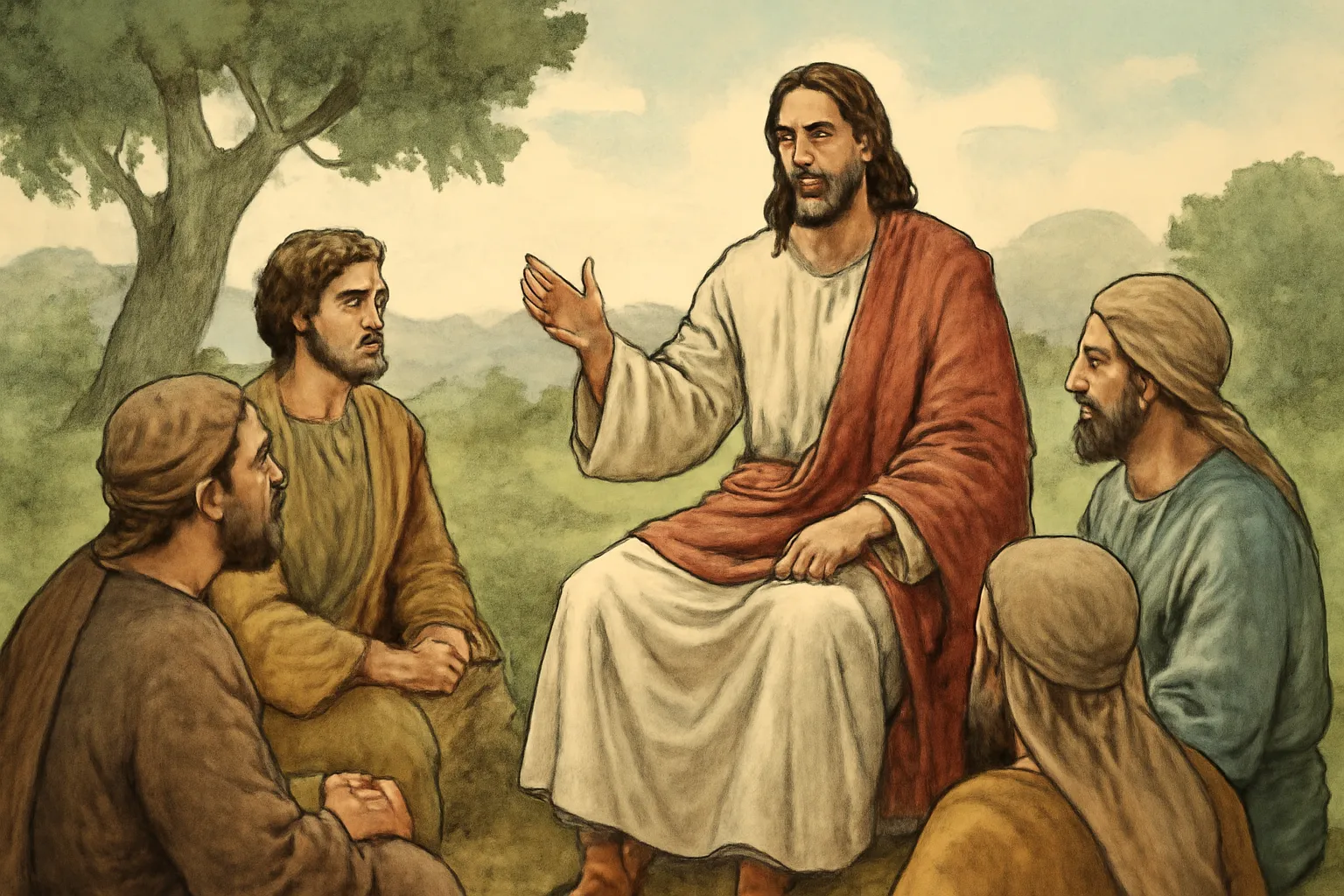
Visuals have always played a vital role in helping learners of all ages connect with sacred texts. Bible illustrations are not merely decorative; they are tools for comprehension, memory, and worship. When done well, illustrations can illuminate complex narratives, highlight moral themes, and invite learners into the emotional life of biblical figures. This article offers a broad survey of illustration varieties, practical classroom strategies, and creative projects designed to make Bible stories accessible, memorable, and transformative.
Throughout the discussion, you will encounter a spectrum of approaches, from low-tech storytelling aids to digital interactive experiences. Each method has strengths and limitations, and the best teaching often comes from a thoughtful combination that matches the age, ability, and cultural context of your learners. The goal is not to reproduce art for its own sake but to foster engagement, aid understanding, and deepen spiritual formation through visually rich storytelling.
What Are Bible Illustrations and Why They Matter
“Illustrations” in a biblical context refer to any visual or tactile resource that helps convey a biblical narrative or concept. They can be static or dynamic, literal or symbolic, and they can operate on multiple levels—cognitive, affective, and liturgical. A well-chosen illustration answers questions like: What happened? Why does it matter? How should we respond? Who is God in this story, and what does the narrative reveal about God’s character?
There are several educational aims that Bible illustrations often support:
Comprehension: clarifying sequence, geography, and cultural context.
Retention: aiding memory through imagery, symbolism, and repetition.
Engagement: maintaining attention and fostering participation.
Empathy: inviting learners to imagine the feelings and perspectives of biblical characters.
Theological reflection: revealing themes such as faith, obedience, mercy, justice, and redemption.
Different learners absorb material in different ways. For some, visual cues help anchor complex ideas; for others, tactile or kinesthetic experiences deepen meaning. Effective Bible illustration respects diverse learning styles, including:
Visual learners who benefit from diagrams, maps, and imagery.
Auditory learners who hear stories better when paired with spoken narration or dialogue in the visuals.
Kinesthetic learners who engage through building, acting, or manipulating physical representations.
Readers and thinkers who appreciate layered symbolism and thematic depth to unpack in discussion.
Moreover, illustrations should be intentionally crafted to honor the text, avoid misrepresentation, and support inclusive worship and learning environments. The most effective visuals are those that invite interpretation while remaining faithful to the core message of the Bible story.
Variations and Styles of Bible Illustrations
To meet a wide range of audiences, instructors can draw on a broad palette of illustration styles. Here are illustration variations you can mix and match, along with examples of when they work best.
Storybook-Style Illustrations
These are narrative, page-by-page visuals that resemble children’s picture books or story Bibles. They often feature gentle color palettes, clear character expressions, and labeled scenes. Use real-world settings to ground ancient stories in familiar places. Storybook visuals support sequential retellings and are particularly effective for younger children or beginners in Bible literacy.
Iconic and Symbolic Imagery
Symbolism conveys deeper spiritual themes through universal images (water and bread for sustenance, light and dark for knowledge and ignorance, dove for the Holy Spirit, lamb for sacrifice, etc.). This approach helps learners connect the material to ongoing Christian imagery and theological vocabulary. When used thoughtfully, symbolic imagery can deepen reflection and prayer.
Visual maps and chronological timelines make biblical geography and historical sequence tangible. A wall timeline that spans creation to the early church, or a map showing journeys of Abraham, Moses, David, and Paul, can illuminate the movement of people, covenants, and prophetic fulfillment. This style is particularly effective for older students, teens, and adults who benefit from seeing cause-and-effect in history.
Dioramas and Three-Dimensional Models
Miniature worlds—ark models, city reconstructions, desert encampments—offer tactile ways to explore narrative details. Building dioramas can be a group project that fosters collaboration, research, and careful observation. Dioramas also provide a chance to discuss material culture, such as clothing, tools, and architecture of the biblical world.
Graphic Sequences and Comics
Comic-style panels or graphic novels translate ancient language into contemporary visual storytelling. This format can be especially engaging for reluctant readers or students who enjoy sequential action. Thought bubbles, dialogue balloons, and caption cards can help learners practice comprehension and paraphrase skills.
Artistic Reinterpretations and Modern Parables
Artists sometimes reimagine biblical scenes in contemporary settings—stories of mercy on a city street, or faith expressed through modern acts of service. This approach invites learners to realize that biblical truths speak across time and culture, while still requiring careful attention to fidelity to the original text and context.
Color-Coding and Visual Taxonomies
Color can reinforce themes: blue for faith, red for sacrifice, green for new life, purple for kingship or revelation. Color-coding helps students track motifs across a story or across a corpus of stories, making comparative study more accessible. Visual taxonomies can also categorize miracles, parables, and prophecies by genre or by theological emphasis.
Shadow Puppetry and Light-Based Storytelling
Shadow puppets, silhouettes, and light-box scenes offer a dramatic, experiential way to tell a story. The play of light and shadow can symbolize dualities—truth vs. falsehood, life vs. death, faith vs. fear—and invite reflective questions after the performance.
Digital and Interactive Visuals
Technology enables dynamic illustrations: interactive maps, touch-friendly timelines, augmented reality (AR) overlays, and video retellings. Digital visuals can animate scenes, allow learners to explore multiple perspectives, and adapt to remote or hybrid learning environments. When using digital tools, ensure accessibility features (captions, alt text, keyboard navigation) so that all learners can participate.
Practical Ideas for the Classroom: From Concept to Creation
Turning illustration concepts into concrete classroom practice requires planning, resources, and age-appropriate expectations. Below are practical ideas organized by complexity and setting. Each idea can be adapted for Sunday school, youth groups, homeschooling, or church-based education programs.
Low-Tech Visuals That Spark Engagement
Storyboards: Create a simple sequence of 6–8 frames for a chosen story. Students add captions and reflections in each frame.
Flip Cards: Use index cards with key moments, characters, or symbols. Students arrange them to retell the narrative in order.
Paper Cut-Pictures: Cut silhouettes or layered shapes to depict scenes such as the Creation Week or the Parable of the Sower.
Fabric and Textiles: Use cloth scraps to drape a “tent of meeting,” a robe for a prophet, or a tapestry illustrating heritage and covenant.
Realia and Artifacts: Bring in simple prop items (rope, clay pots, shells) to evoke the material culture and daily life of biblical times.
Moderate-Tech and Classroom-Ready Projects
Laminate-Map Journeys: A laminated map of a journey (e.g., Moses’ route) with moveable tokens to illustrate the route and stops.
Timeline Banners: Create a classroom-friendly timeline of major biblical events with labeled dates, covenants, and prophets.
Color-Coded Theme Posters: Build posters that highlight key motifs (faith, obedience, mercy) using color bands and iconography.
Comic Panels: Students draft short panels for a selected passage, focusing on dialogue and facial expressions to convey emotion.
High-Impact Digital and Hybrid Visuals
Interactive Bible Timelines: Use a simple online tool to create a clickable timeline with narrative summaries and images.
AR Scripture Explorations: Scanning a page reveals 3D overlays of landscapes, structures, or symbols relevant to the text (where available).
Video Retellings: Small groups produce short videos retelling a story in their own words, then share with the class.
Virtual Field Trips: Explore ancient sites via online tours or museum collections and discuss what learners observe.
Choose the Story and identify 2–3 core moments that must be understood to grasp the narrative.
Select Illustration Modes based on learners’ needs: map-based, diorama, or comic panels.
Prototype and Playtest a visual sequence with a small group, soliciting feedback on clarity and engagement.
Reflect and Adjust refine the visuals, language, and pacing for the full class.
Three-Dimensional and Hands-On Visuals
The tangible dimension of learning is powerful. Here are practical ways to incorporate 3D and tactile visuals while maintaining respect for biblical text and context.
Dioramas and Miniature Rooms: Recreate scenes such as Noah’s Ark, the Tabernacle, or the court of Nebuchadnezzar using foam, clay, wood, or recycled materials.
Clay or Play-Dough Sculpture: Have students sculpt figures, animals, or objects from a story to discuss details and symbolism.
Textile Art: Sew or assemble banners, robes, or flags that represent symbols (e.g., the banner of faith, the robe of righteousness).
Shadow Boxes: Create scenes that come to life when light is pooled from a lamp or flashlight to cast shadows on a backdrop.
Maps and Topography Models: Build clay or cardboard terrains to illustrate travel routes, water crossings, or settlements mentioned in the text.
Accessibility, Inclusion, and Diverse Audiences
Effective Bible illustration respects diversity in age, ability, culture, and language. Here are strategies to ensure illustrations are inclusive and accessible.
Alternate Formats: Provide audio descriptions for visuals, large-print versions, and high-contrast color schemes for readers with visual impairments.
Clear Language: Use age-appropriate, theologically sound language, with glossaries for unfamiliar terms.
Multiple Modalities: Combine visuals with storytelling, dramatization, and discussion to accommodate different learning styles.
Cultural Sensitivity: Portray settings with care, avoiding stereotypes and acknowledging the historical and cultural contexts of biblical times.
Safe Spaces: Create an atmosphere where questions about difficult or challenging passages are welcomed and handled with respect.
Ethical and Theological Considerations
As you plan Bible illustrations, keep a few ethical and theological guardrails in mind to preserve integrity and reverence for Scripture.
Faithfulness to the Text: Ensure visuals reflect the biblical text accurately and avoid embellishments that distort doctrine.
Contextual Accuracy: Provide historical and cultural context so learners avoid anachronisms in interpretation.
Avoiding Misrepresentation: Be cautious about portraying sacred figures, miracles, or divine action in ways that could be sensational or disrespectful.
Inclusive Theology: Represent diverse voices and experiences within biblical narratives and in the classroom community.
Creative Activity Ideas and Projects
Engaging students through creative tasks deepens understanding and fosters personal reflection. Below are ideas you can adapt for different ages and group sizes.
Parable Reimaginings: Have students translate a parable into a contemporary scenario while preserving its core message and outcome.
Character Journals: Assign a narrator perspective (Moses, Ruth, Peter, etc.) and write diary or letter entries that reveal inner thoughts and decisions.
Symbolic Object Gallery: Create a display of objects that symbolize different themes (mercy, obedience, covenant) and have learners explain their symbolic connections.
Interactive Bible Walls: Dedicate a classroom wall to grow with the stories—adding maps, artifacts, and quotes as new lessons unfold.
Prayerful Visual Reflections: After a story, invite learners to create a visual prayer or vow inspired by the text.
Drama and Role-Play: Short scenes or skits based on biblical episodes can enhance memory and empathy, followed by discussion questions.
Cross-Curricular Extensions: Integrate science (creation narratives), geography (migrations), or art history (style influences) to broaden connections.
Below is a practical starter kit list for teachers and coordinators who want to build a robust library of Bible illustrations without requiring an expensive budget.
Printable templates for storyboards, diorama bases, and symbol flashcards.
Public-domain art and icons that can be repurposed for classroom visuals and posters.
Simple art supplies such as markers, colored paper, scissors, glue, clay, and magnets for interactive displays.
Localized maps and atlases to connect biblical places with geographic context.
Digital tools for creating timelines, slides, and interactive maps, with accessibility features in mind.
Helpful note: When using external images or artworks, verify licensing and attribution requirements. Favor resources that are labeled for educational use or are in the public domain to avoid copyright concerns.
Illustrations should be integrated into a coherent lesson plan rather than added as an afterthought. The following approach helps ensure visuals reinforce learning goals.
Step 1: Set Clear Objectives
Before selecting visuals, identify the learning goals. Examples include:
Students will recount the sequence of events in a story with accurate details.
Students will identify at least three symbolic elements and explain their meanings.
Students will compare a biblical event with a modern-day scenario and discuss implications for behavior and ethics.
Select illustrations that align with the objectives and the learners’ needs. Consider:
The narrative clarity of the image
The age appropriateness and accessibility
The historical and cultural accuracy of the depiction
The emotional resonance that invites reflection
Step 3: Plan for Discussion and Reflection
Visuals are most effective when paired with guided discussion, prompting learners to articulate what they see, interpret symbolism, and connect to contemporary life. Sample prompts:
What do you notice first in this image, and why might that be important?
Which character’s perspective is visible in the illustration, and what might be their motive or emotion?
How does the visual help us understand God’s action or character in this story?
What are some modern parallels or applications of this narrative?
Step 4: Assess Understanding
Use collaborative activities to gauge comprehension. Options include:
Retelling the story in students’ own words using the visuals as a guide.
Creating a one-page visual summary or a short skit inspired by the illustration.
Producing a reflection journal entry about what changes in belief, attitude, or behavior the story invites.
Illustrations in biblical education are more than illustrations; they are bridges between ancient texts and modern lives. When educators intentionally blend visual storytelling, thoughtful symbolic imagery, accessible formats, and inclusive practices, they unlock new pathways for learners to encounter Scripture. The most effective Bible illustrations are those that awaken curiosity, invite interpretation, and point toward a lived faith grounded in biblical truth. By embracing a spectrum of visual approaches—from storybook scenes and maps to dioramas, comics, and interactive digital tools—teachers can craft a rich, enduring educational experience that honors the Bible and nourishes the spiritual growth of every learner.
Whether you are preparing a Sunday school unit, a youth group curriculum, or a homeschooling module, remember that the heart of Bible illustration lies in clarity, reverence, and imagination. The visuals you choose should help learners see the story, feel its significance, and respond in ways that reflect Christian love and wisdom. With thoughtful planning, collaborative creation, and ongoing reflection, Bible illustrations can become a formative force in teaching, worship, and everyday faith formation.