Planning a wedding that honors God, reflects biblical truth, and sustains a couple through life’s seasons is a meaningful journey. A biblical marriage ceremony—also described as a scriptural wedding ceremony or a god-centered wedding—seeks to center the celebration on the Creator’s design for marriage. This guide offers practical steps, theological foundations, and liturgical ideas to help you design a ceremony that honors the gospel, strengthens the couple, and blesses the gathered community.
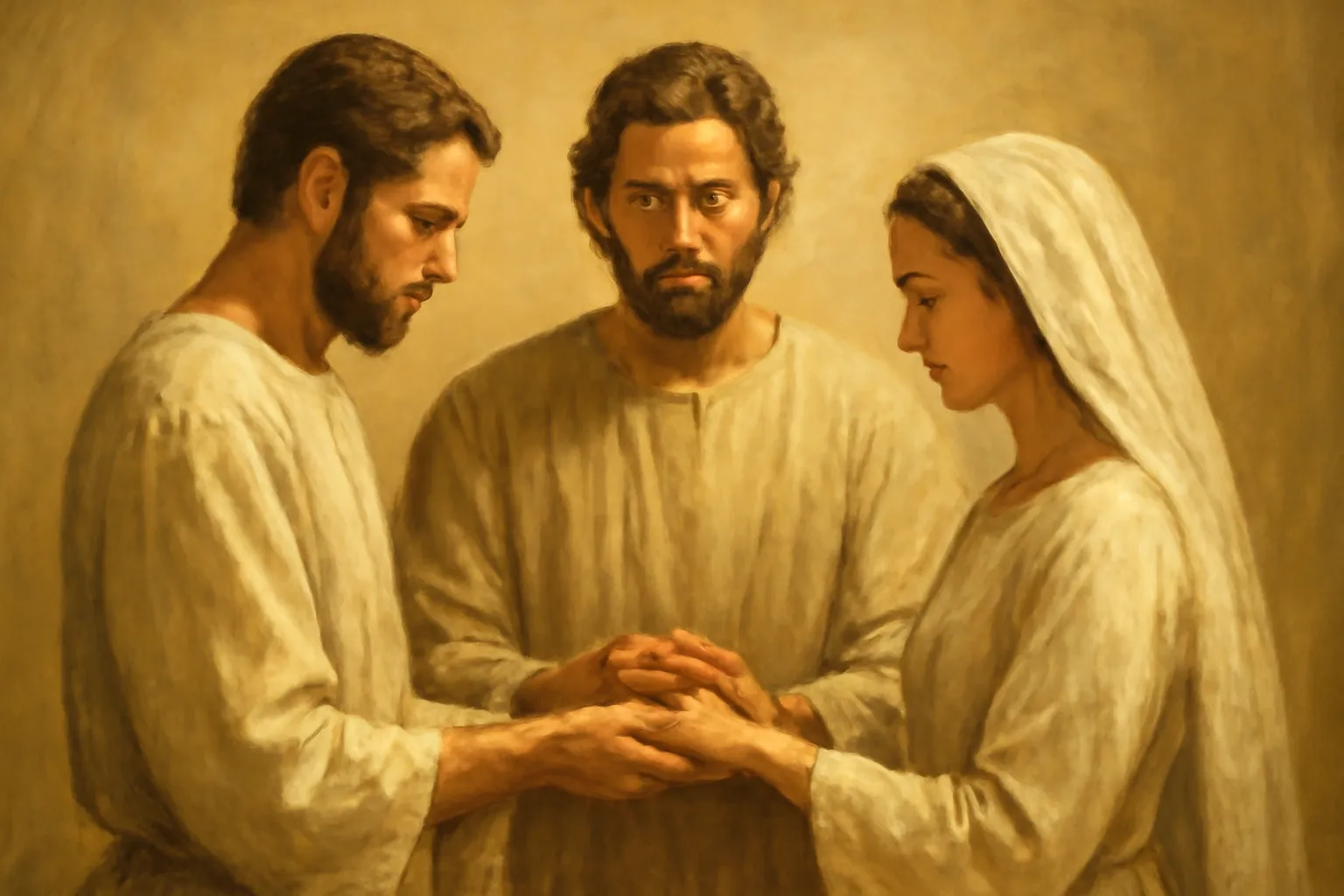
A biblical marriage ceremony is not merely a formal ritual; it is an act of worship that acknowledges God as the author of marriage. It proclaims that two people enter into a sacred covenant before Him, with vows that reflect Christ’s love for the church. In this context, the wedding ceremony becomes a spiritual formation moment—a time when the couple publicly commits to live under the authority of Scripture, guided by the Holy Spirit, and supported by the church body.
Foundations of a God-Centered Wedding
Covenant Theology at the Core
Central to a biblical marriage ceremony is the concept of covenant. Beyond a feeling or a social contract, biblical covenants are solemn, binding commitments that involve mutual obedience to God. In Genesis 2:24, the text says, “Therefore a man shall leave his father and mother and hold fast to his wife, and they shall become one flesh.” This foundational verse informs every element of the ceremony, from vows to exhortations, reminding participants that the bond is designed to reflect Christ’s fidelity to His church.
Vows in a scriptural wedding should express biblical truths about love, sacrifice, and steadfastness. Traditional or contemporary wording can be tailored to a couple’s context, but core commitments often reference love that endures, servant leadership (where applicable), mutual respect, and a shared dependence on God’s grace. When couples recite vows built on biblical concepts—such as honoring one another, serving one another, and seeking God’s will together—those words carry eternal weight in the eyes of the church and the community.
Scripture as a Guiding Light
In a god-centered wedding, sacred texts are not decorative; they guide the order, readings, and homily. Verses such as Ephesians 5:22-33, 1 Corinthians 13, and Colossians 3:12-14 offer language about mutual submission, relational gentleness, patience, and kindness. The Bible’s portrayal of love as a chosen, intentional, and covenantal act informs the tone of the ceremony and sets expectations for married life beyond the day of the wedding.
Community Participation
A biblically anchored wedding invites the church community to participate as witnesses, encouragers, and supporters of the couple’s spiritual journey. The presence of mentors, pastors, or elders can underscore the accountability and nurture that marriage requires. This communal dimension aligns with verses that describe marriage as a relationship that is formed within a larger body of believers who are committed to one another’s growth in Christ.
Planning Principles for a God-Centered Wedding
Discernment and Pre-Ceremony Counseling
Effective preparation for a god-centered wedding includes premarital counseling and spiritual discernment. Counseling helps couples align expectations, address potential conflicts, and articulate a shared theology of marriage. It also creates a hopeful context for the ceremony, so guests witness not only a celebration but a commitment rooted in spiritual formation.
Before finalizing vows or readings, couples can choose a unifying theological thesis for the day—something like, “We marry as a testament to God’s design for companionship and service.” This framing helps the officiant shape a sermon or exhortation that is not merely sentimental but formative for the couple and their guests.
Pastoral Leadership and Officiant Selection
In a biblical wedding ceremony, the officiant (often a pastor, elder, or minister) bears the responsibility to shepherd the moment. The selected officiant should be skilled in teaching, spiritual care, and reverent liturgy. For some couples, a lay officiant with strong theological grounding may be appropriate if paired with a supervising pastor or elder. The key is a leader who will guide the service toward worship and biblical truth.
Clarity About Legal and Religious Dimensions
Many couples opt to have a separate civil ceremony to meet legal requirements, while the biblical marriage ceremony provides the sacred, gospel-centered rite. It is wise to coordinate with local authorities and church leadership to ensure the day honors both civil duties and spiritual commitments. Communicate clearly with guests about the distinct purposes of each part of the wedding experience.
Structure of the Ceremony: Elements and Order
Every scriptural wedding ceremony can be customized, but a biblically informed order often includes these core elements:
Processional and gathering of the community, welcoming guests
Call to worship and opening prayer
Scripture readings that illuminate love, commitment, and Christ-centered living
Exhortation or sermon from the officiant on biblical marriage and covenant faithfulness
Vows, typically including personal promises rooted in biblical truth
Ring exchange as a sign and seal of the covenant
Prayers of blessing over the couple and family
Declaration of marriage in the name of God and community acknowledgment
Closing blessing and dismissal
Processional and Gathering
The processional can symbolize the couple’s transition from separate lives to a shared journey under God. Music selections, floral symbolism, and scripture-based meditations can accompany the procession to set a reverent tone.
Vows and Ring Exchange
Vows are the heart of the ceremony. They should be read slowly, clearly, and with intention. The ring exchange follows as a visible sign of the covenant—eternal in symbol, small in circumference but vast in meaning. A biblical wedding often emphasizes rings as emblems of fidelity and perpetual commitment before God.
Readings, Prayers, and Teaching Moments
Readings may include both biblical passages and short writings from Christian partners. Prayers of blessing invite the Holy Spirit to guide the couple. A brief homily or exhortation can reinforce the daily realities of marriage—submission to God, love in action, and the nurturing of a Christ-centered home.
Communion or Blessing of the Covenant
Some couples incorporate a brief blessing that resembles a sacramental moment, even if they do not practice communion at the ceremony. If your tradition permits, a short, symbolic act—such as a shared verse or a prayer over the couple—can deepen the sense of sacredness without introducing a different sacramental ritual.
Scripture Readings and Prayers for a Biblical Ceremony
Choosing readings is an exercise in pastoral discernment. Here are common categories and sample verses that harmonize with a biblical marriage ceremony:
A god-centered wedding involves intentional roles that emphasize accountability, pastoral care, and communal support. Here are common participants and responsibilities:
Officiant: The spiritual leader who introduces the covenant, interprets Scripture, and leads prayers.
Bride and Groom: The central couple who vow to walk with God and love one another sacrificially.
Witnesses: Family members or friends who attest to the vows and support the couple’s covenantal life.
Parents and Elders: Their involvement can honor family heritage and model covenant faithfulness.
Musicians and Readers: Those who help convey the sacred mood through music and Scripture
Court or Bridal Party: Participants who support the couple, bless the union, and encourage grace-filled community life.
Venue, Dress, Decor, and Symbolism
The setting should reinforce the biblical emphasis on reverence, humility, and the sacred nature of covenant. Choices may include:
Venue: A church sanctuary, a chapel, a garden space, or a rural setting where you can present the ceremony as a worshipful moment.
Decor: Subdued, symbolic elements—such as white representing purity, greenery signaling growth, and a simple cross or Bible present as focal reminders of faith.
Attire: Dress that honors modesty, dignity, and the seriousness of the vows. The bride’s gown, the groom’s suit, and any other attire should reflect the seriousness and joy of entering a covenant before God.
Music: Selections that exalt God and align with biblical themes—reverent hymns, psalms, or contemporary worship songs with scriptural overtones.
Dress Code and Modesty in a Biblical Wedding
In a God-centered wedding, attire should support the sense of worship and decency. Communities differ on concrete standards, but a common aim is to avoid extravagance that distracts from the sacred purpose of the day. Advise guests who might be unsure about dress expectations, and consider providing guidance that emphasizes modesty, dignity, and celebration of the covenant.
Practical Details: Scheduling, Budget, and Logistics
Though the heart of the ceremony is spiritual, practical planning is essential to a smooth, meaningful event. Consider these planning essentials:
Date and time: Choose a time that suits religious observances, family schedules, and the availability of your officiant.
Venue logistics: Ensure seating arrangements, acoustics for readings, and accessibility meet the needs of all guests.
Budget planning: Align the budget with priorities—officiant honorarium, music, florals, and any charitable or mission-minded commitments the couple wants to make as part of the ceremony.
Livestreaming and guest access for those who cannot attend in person
Photography and videography: Capture the sacred moments while respecting the sanctity of the ceremony.
Post-Ceremony Life: Covenant Living and Blessings
A true biblical marriage ceremony lays groundwork for ongoing spiritual formation. After the kiss and the pronouncement, couples should move into a season of intentional discipleship and mutual care. Practical steps include:
Marriage counseling follow-up or ongoing small-group support from the church
Sabbath rhythms and regular prayer times as a couple
Joint spiritual disciplines, such as Bible study, service, and worship with the local church
Family discipleship: If children are part of the plan, establish a spiritual home that models Christian love, instruction, and grace.
Sample Ceremony Outline for a Biblical Wedding
The following is a flexible template for a scriptural wedding ceremony. Adapt it to fit your tradition, culture, and preferences:
Prelude music and guests seating
Processional of the wedding party and couple
Opening words and welcome by the officiant
Invocation or prayer seeking God’s presence
Scripture reading(s) relevant to love, covenant, and grace
Sermon or exhortation: a short message about biblical marriage and sanctification
Promise and exchange of vows
Ring exchange as a sign of the covenant
Prayer of blessing over the couple
Declaration of marriage in the sight of God and witnesses
Salutation and recessional
Speeches, Readings, and Music: Crafting the Liturgical Experience
While the core of the ceremony is the couple’s vows, the surrounding elements shape the atmosphere. Consider these options:
Readings: Include 1–2 passages from Scripture and 1 non-biblical fit that conveys biblical themes (e.g., love, perseverance, grace).
Music: Choose pieces that reflect worshipful tone; avoid songs that convey too casual a vibe if the aim is a deeply worshipful moment.
Homily or exhortation: A short address from the officiant that connects Scripture to daily married life, not merely a celebration message.
Beyond sentiment, a god-centered wedding communicates a theological truth: marriage is a creation ordinance and a gospel-shaped vocation. Here are some reasons couples choose this path:
It anchors the wedding in a transcendent meaning—a divine plan for human flourishing.
It invites the community to participate in the couple’s spiritual formation, not only their social celebration.
It models reconciliation, commitment, and sanctification by the grace of God for future family life.
Common Pitfalls and How to Avoid Them
Even with the best intentions, couples can drift away from the biblical center. Here are practical cautions and remedies:
Overemphasis on aesthetics at the expense of worship and covenant focus. Remedy: maintain a worshipful mood with intentional prayers and Scripture readings.
Unclear leadership or conflicting expectations about who officiates. Remedy: designate a pastor or spiritually mature leader who can guide the service consistently.
Rigid formality that stifles authentic grace. Remedy: balance reverence with warm, authentic expressions of love and gratitude.
Financial or logistical stress that detracts from the spiritual purpose. Remedy: plan well in advance and communicate clearly with all involved parties.
Variations of the Theme: Different Traditions within a Biblical Framework
While the core is biblically grounded, biblical wedding ceremonies can reflect diverse cultural expressions and church traditions. Some variations you may encounter include:
Liturgical flexibility: A ceremony that follows a traditional liturgy with an added focus on covenant language.
Quiet vows: A simple exchange of vows with readings and prayers, suitable for smaller gatherings.
Public blessing: A communal blessing where church members lay on hands in a symbolic act of support for the couple’s life ahead.
Outdoor or unconventional venues: If the setting remains reverent and the liturgy remains biblically anchored, a natural space can underscore stewardship of creation and God’s handiwork.
Frequently Asked Questions
Can a biblical wedding ceremony include secular vows? A biblically informed ceremony should prioritize God-centered vows and scriptural language. You can incorporate personal reflections, provided they align with biblical truth and are clearly presented in a worshipful context.
Do we need a pastor to officiate? While a pastor or elder is common, a qualified officiant who understands biblical marriage and shepherds the couple well can fulfill the role, especially when paired with oversight from church leadership.
Is a separate civil ceremony necessary? Not always, but many couples opt for civil ceremonies to fulfill legal requirements. In such cases, the biblical ceremony remains the sacred worship moment that precedes or follows the civil act.
How long should a biblical wedding ceremony last? Most meaningful ceremonies range from 25 to 45 minutes, depending on readings, songs, and the length of the exhortation.
For couples and planners seeking deeper engagement with biblical marriage ceremonies, consider these kinds of resources:
Commentaries on Ephesians 5 and Genesis 2:24 to understand covenantal language
Premarital counseling guides grounded in Scripture and practical relational skills
Worship and liturgy books that provide prayers, readings, and exhortations suitable for weddings
Church leadership resources about pastoral care for engaged couples and newly married couples
Planning a God-Centered Celebration
Designing a biblical marriage ceremony is a sacred enterprise that blends theology, pastoral care, and liturgical beauty. It is a moment when a couple publicly commits to live under God’s authority, embodying Christ-like love in a covenant that invites the community to participate in grace. When you keep the core priorities—Scripture, covenant, prayer, and community—your wedding ceremony becomes a powerful reminder of God’s good design for human flourishing and a hopeful beginning for a life of faith together.