Across biblical literature, the term seraphim designates a distinctive class of heavenly beings whose presence is tightly linked to the holiness and throne room of God. The most explicit and celebrated description comes from the prophetic vision in Isaiah 6, where six-winged beings hover around the divine throne, declaring the Lord’s complete holiness. While the word itself is used most famously in that vision, the root saraph and its forms illuminate a broader semantic field that includes fiery serpents as well as radiant, burning imagery. In this article, we explore the origins and meaning of the seraphim, their appearance in Scripture, and the roles they are said to fulfill. We also trace how these beings have been interpreted in later Jewish and Christian thought, and how their presence has shaped art, liturgy, and imagination.
The word seraphim comes from the Hebrew root saraph, broadly associated with burning or fiery heat. In this sense the root conveys intensity, radiance, and transformation—qualities that later readers connected with divine proximity. The form saraph appears in contexts referring to things that burn, to fiery heat, or to flame-like phenomena. The plural seraphim is used in Scripture to describe a class of celestial beings in close attendance to the throne of God, most notably in Isaiah 6. The same root also surfaces in Numbers 21:6–9, where fiery serpents—the saraphim—punish the people, and a bronze serpent raised on a pole becomes a symbol of healing. This linguistic connection has prompted rich scholarly discussion about whether the biblical term can signify both a physical creature (a serpent) and a class of fiery, radiant beings; in classical biblical usage, however, the two senses point in different directions of metaphor and description.
Pluralization and translation matters
The noun seraphim is the plural of saraph in Hebrew. Biblical translators grapple with whether to render this term as “fiery beings,” “seraphim,” or, in some contexts, “fiery serpents.” In Isaiah’s vision, the beings are clearly described as heavenly attendants with wings and ascribe praise to God. In Numbers, the language shifts to a naturalistic, but still intense, description of fiery serpents that afflict the people. The overlap of imagery—fire, danger, healing, and holy proximity—has kept scholars attentive to how the root shapes both the earthly and heavenly seraphim. When you encounter seraphim or saraph in English translations, the emphasis is often on the sense of radiant, burning holiness rather than a literal, physical serpent countenance.
Scriptural contexts and interpretive caution
In Isaiah 6, the religion-wide emphasis is on holiness and divine majesty, with the seraphim serving as liturgical attendants around the throne.
In Numbers 21, the fiery serpents register judgment and healing within a more empirical narrative about Israel’s journey, not a vision of heavenly beings.
Scholars debate whether the seraphim of Isaiah are a distinct angelic order or a symbolic visionary representation of purity, proximity, and worship. The text itself offers a vivid, symbolic tableau rather than a systematic catalog of angelic hierarchies.
Appearance and imagery: what the text says about the seraphim
Six wings and the posture of reverence
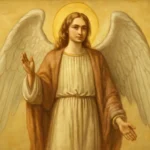
In the Isaiah 6 vision, the seraphim are described as having six wings. Two wings cover their faces, two cover their feet, and with the remaining two they fly. This is a striking image: it conveys both humility before the divine presence (covering the face and the feet) and readiness to minister (the ability to move swiftly on wings). The structure of their wings has often been interpreted as an explicit sign of reverence and service: an emblem of proximity to holiness while maintaining a proper distance from the source of that holiness.
The double covering of face and feet suggests modesty and deference in the presence of God’s immediacy. Yet the seraphim are not passive observers; with two wings for flight they are ready to respond to the divine will. The combination of concealment (face and feet) and movement (flight) captures a paradox at the heart of heavenly vision: beings who are awed by the holiness of God, yet dynamically involved in executing the divine will.
Fire imagery and proximity to the altar
The descriptor fiery is central in the broader semantic field of saraph. In Isaiah, the seraphim carry out a purification act by bringing a coal from the altar to touch Isaiah’s lips. The altar, fire, and coal language evokes sacrifice, purification, and the purification of speech for prophetic commissioning. Although the text does not declare the seraphim as literally burning, the imagery ties the beings to the sacred heat and the transformative power of divine presence.
Roles and functions in Scripture
Worship and proclamation around the throne
One of the most pronounced roles of the seraphim is liturgical and revelatory. They stand above the throne, each with six wings, and they call to one another the famous proclamation: “Holy, holy, holy is the Lord of hosts; the whole earth is full of his glory.” (Isaiah 6:3). The repetition of holy three times functions as a high-grade intensification—an ancient textual device to express the incomprehensible holiness of God. The seraphim thus serve as a celestial chorus that clarifies the divine character for Isaiah and the reader, ascribed not to an abstract attribute but to the divine essence itself.
Purification and commissioning of a prophet
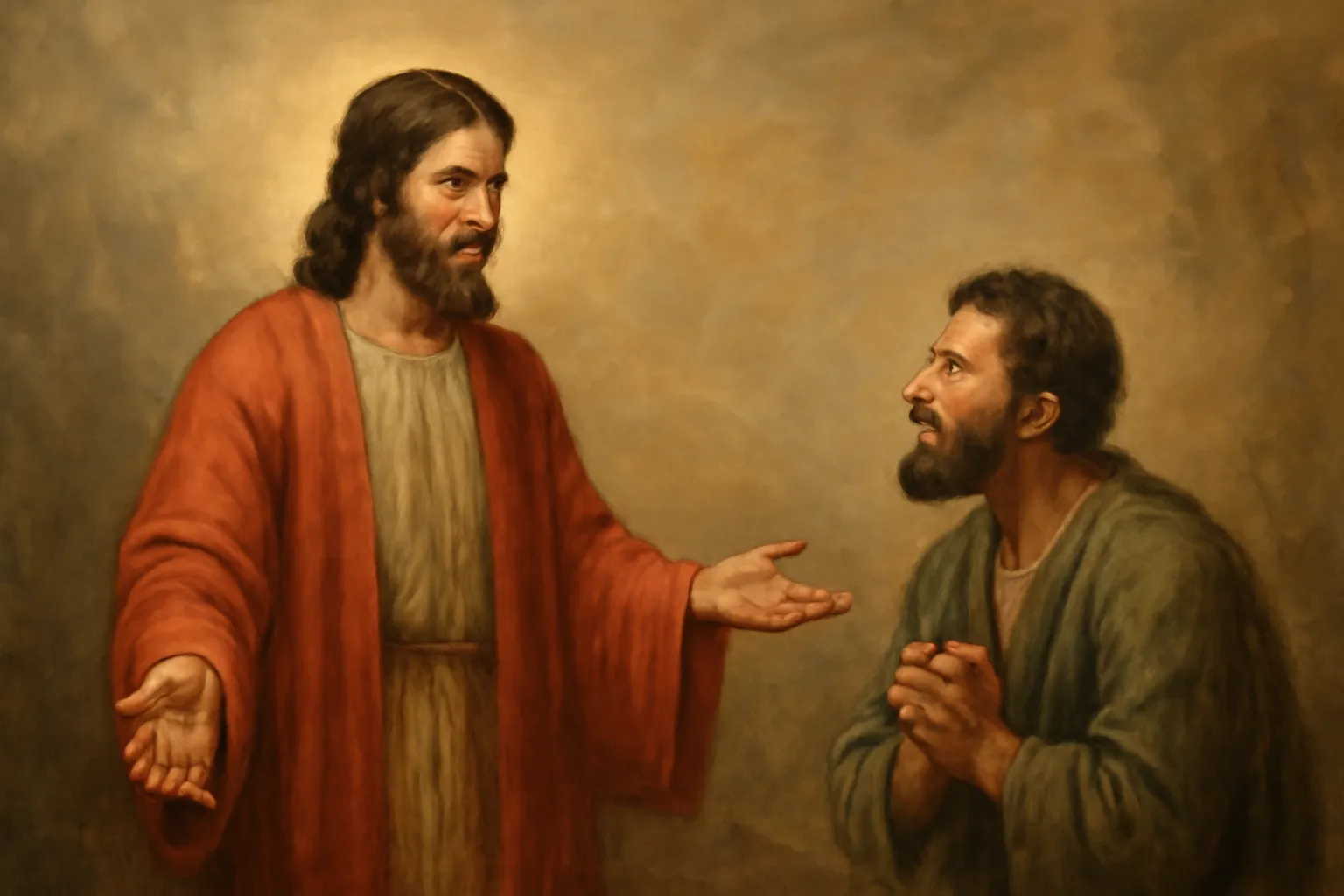
When Isaiah confesses his own unclean lips, one of the seraphim touches his mouth with a coal taken from the altar, declaring, “Behold, this has touched your lips; your guilt is taken away, and your sin atoned for.” This moment has often been read as a symbolic act of purification that prepares a human being for prophetic service. The seraphim’s action marks a transition from vision to vocation: a holy, cleansed mouth will be a conduit for divine messages to God’s people. The coal from the altar here echoes older sacrificial motifs and suggests that the prophetic calling is inseparable from a sacramental or purificatory process.
Attendants at the divine throne
Beyond Isaiah, the seraphim function as attendants around the throne, participating in a divine courtly drama of praise, judgment, and mercy. Their proximity to the throne positions them as guardians or stewards of the divine presence. While the Bible does not narrate many other specific episodes featuring seraphim, the Isaiah account has shaped the sense that heavenly beings are not distant. They are intimately involved in the divine program—glorifying God, announcing his holiness, and facilitating the mission of the prophets.
Theological implications and interpretive frameworks
The thrice-holy and divine holiness
The seraphim’s cry in Isaiah 6 anchors a crucial theological motif: the holiness of God is not a single attribute but a fullness that demands reverence, awe, and a radical otherness. The phrase “Holy, holy, holy” has carried enormous weight in Jewish and Christian liturgy. It has been argued that the triple repetition emphasizes the completeness and transcendence of God in a way that invites a corresponding response of humility and worship from creatures. The seraphim, as bearers of this proclamation, function as living liturgical speakers who orient the human observer toward the divine mystery.
Within Christian angelology, serene hierarchies later crystallized into orders and ranks. The seraphim are frequently placed among the highest orders of angels, especially in medieval and post-biblical writings influenced by Pseudo-Dseudo-Dionysian hierarchy (the so-called ninefold angelic orders). In such frameworks, the seraphim occupy the exalted category closest to God (often linked with the first or second rank, depending on the scheme). It is important to note, however, that the biblical text itself provides a vivid, visionary snapshot rather than a complete taxonomy. Modern readers typically approach the seraphim as a poetic, theological device that conveys proximity to holiness and a readiness to serve, rather than as a rigid “label” in a celestial bureaucracy.
From text to tradition: interpretive trajectories
Scholars commonly distinguish between the biblical description of the seraphim and the later theological elaboration of heavenly hierarchies. The Isaiah 6 vision is often read as a symbolic, phenomenological experience intended to reveal the nature of God and the character of prophetic calling. Later traditions—both Jewish and Christian—took up the imagery and sometimes expanded it into broader angelic orderings, liturgical roles, and artistic iconography. In this way, the seraphim become a bridge between the immediacy of divine holiness in the prophetic vision and the sustained, communal worship that imagines God’s throne animating the cosmos.
Seraphim in Jewish and Christian thought
In Jewish tradition
In Jewish thought, the canonical account in Isaiah remains a focal point for discussions on heavenly beings, holiness, and prophetic vocation. The term saraph resonates in rabbinic and midrashic literature as a root concept for fiery or burning things, sometimes linked to judgment or purification. The landscape of Jewish interpretation tends to treat the seraphim as emblematic of the awe-inspiring holiness surrounding God, rather than as a clearly differentiated, universally cataloged class of angels. In liturgical and devotional contexts, the holiness attributed to God in Isaiah 6 informs prayers and benedictions that celebrate God’s transcendence and nearness to his people.
In Christian tradition
Christians have long treasured Isaiah’s vision as a paradigmatic encounter with the divine throne room. In patristic and medieval writings, the seraphim are frequently invoked as symbols of the highest order of angels who hover near God’s presence and who engage in perpetual worship. The six-winged form has become a canonical icon in Christian art, underscoring the fusion of awe, purity, and readiness to serve. The prolific Christian tradition also uses the Isaiah passage to reflect on prophetic calling, spiritual purification, and the nature of divine holiness. While not all theologians agree on whether the seraphim are a fixed “order” of angels, there is broad agreement that their image communicates the closeness of heavenly beings to God and the necessity of holiness for those who stand in his presence.
Seraphim in art, literature, and culture
Iconography and visual representation
In Christian art, seraphim are almost always depicted as six-winged beings surrounding the throne, sometimes arranged in tiers or clusters. The two wings that cover the face and the two that cover the feet emphasize humility, while the two wings for flight signal readiness to execute divine will. The imagery aligns closely with the Isaiah text, but artists have often amplified the scene with additional symbolic elements—an aura of light, fire, and sometimes a sense of movement that hints at the seraphim’s role as agents of divine action.
Beyond visual art, seraphim imagery appears in liturgical poetry, hymns, and contemplative literature. The thrice-holy cry of the seraphim has echoed in worship across centuries, shaping how communities praise God’s holiness. The cleansing act involving the altar coal has also served as a powerful scriptural motif for speaking about cleansing and commissioning in religious education and preaching.
Common questions and clarifications about the seraphim
Are seraphim angels?
Many readers and scholars classify seraphim as a type of angelic being due to their proximity to God and their role as messengers or attendants. However, the biblical text itself does not supply a formal taxonomy of angels the way later tradition does. Some scholars emphasize that the seraphim are a distinct class of celestial beings described in a single, highly symbolic vision, while others place them firmly within the broader angelic category. In short, seraphim are angels in the sense of being heavenly beings in service to God, but they are also a unique, specifically described group in Scripture whose exact placement in a universal hierarchy is not exhaustively defined in the Bible itself.
Do seraphim appear elsewhere in the Bible?
Outside Isaiah 6, the term seraphim appears only sporadically in canonical texts, and explicit, detailed descriptions of their characteristics are largely concentrated in Isaiah. The fiery-serpent motif in Numbers 21 uses a related root, but it does not present the same kind of celestial beings as seen in Isaiah. This means readers should be careful not to overgeneralize the seraphim’s features from one passage to every biblical reference. The weight of Isaiah remains central to any discussion of their identity and function.
What is the significance of the six wings?
The six wings are widely interpreted as symbolic rather than literally descriptive. They express a combination of reverence (covering the face and feet) and efficacy (two wings for swift movement). In Hebrew literature, multiple wings often signal power and speed in carrying out divine commands. The dual function—humility before God and readiness to serve—helps readers understand how the seraphim stand at the boundary of the holy and the accessible, ready to act at the Creator’s will.
The biblical portrait of the seraphim embodies a core theological message: the holiness of God demands reverent proximity and transformative response from creatures. The imagery of flames, wings, and altar-coal purification conveys not merely a spectacle of otherworldly beings but a structured invitation to align with divine purity and mission. While the text offers only a snapshot of this celestial order, that snapshot proves powerful: it teaches that true worship involves both adoration of the holy One and a readiness to be formed, cleansed, and sent by him. The seraphim, in their fiery closeness to God and their role in proclaiming and enacting God’s will, remain a focal point for readers who seek to grasp what it means for the human creature to encounter the living God in a world that is both radiant with his presence and overwhelmed by his majesty.