Daniel Chapter 9 Commentary: In-Depth Bible Study, Historical Context, and Key Insights
Daniel 9 is a pivotal chapter in biblical prophecy and prayer. It sits at the intersection of historical context, messianic expectation, and apocalyptic imagery. In this in-depth article, we explore Daniel chapter 9 commentary from multiple angles: textual structure, historical setting, interpretive frameworks, and practical implications for readers today. To navigate this complex passage, we will move through the chapter’s immediate literary context, examine the major interpretive options, and highlight the enduring spiritual lessons embedded in Daniel’s prayer and the prophecy that follows.
Historical Context: Setting the Scene for Daniel 9
Any robust Daniel chapter 9 commentary must begin with the historical backdrop. Daniel lived in a time when the Jewish people were under foreign rule and the temple in Jerusalem lay in ruins. The narrative of Daniel unfolds during the late Babylonian exile and the early Persian period, as the Persian Empire extended its reach into the former Babylonian territories. Several key factors shape the chapter:
The exile and return: The people had endured exile, and a cohort of exiles had begun returning to Jerusalem under Persian policy, with efforts to rebuild the temple and the city walls. This background informs Daniel’s sense of national crisis and his earnest intercession.
The role of the Persian king and decree: The prophecies that follow hinge on a specific historical moment—the decree to rebuild Jerusalem. The dating question is central to the seventy weeks timeline and to how readers interpret the “weeks” (shavuim) of years.
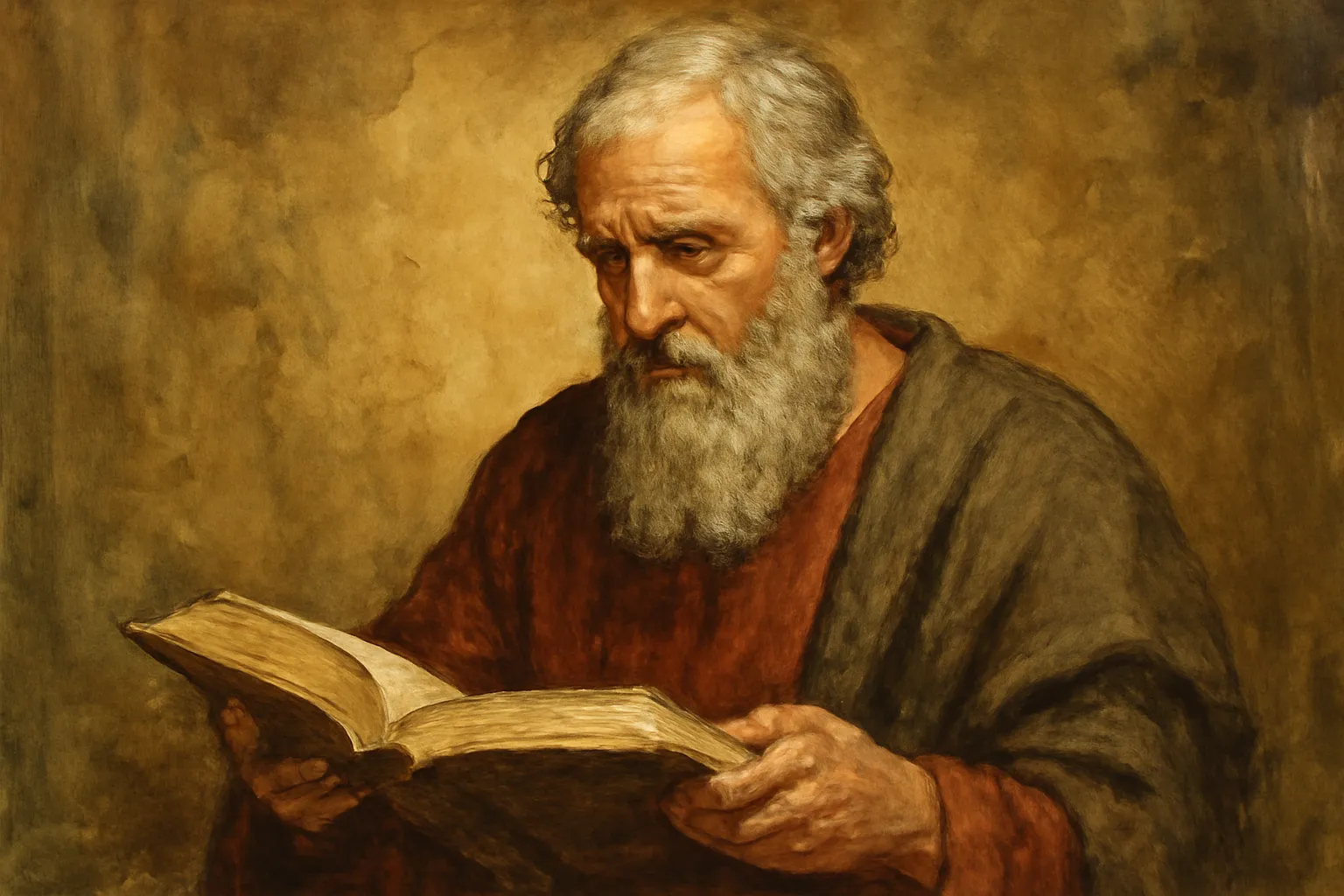
Daniel’s position as a guide and intercessor: Daniel is portrayed as a venerable prophet who intercedes for his people, seeking God’s mercy and revelation for Israel’s future. His prayer in Daniel 9 sets the stage for the prophetic timetable that follows.
When we study Daniel 9, we must recognize that the text sits within a broader prophecy that moves from confession to consolation. The chapter begins with a personal confession and a petition grounded in God’s revealed promises. The surrounding historical currents—exile, restoration, and the uneasy balance of power among empires—create the context that shapes the interpretation of the 70 weeks prophecy (Daniel 9:24–27).
The Text and Structure of Daniel 9: Prayer and Prophecy
Daniel 9 comprises two complementary halves: a prayer (verses 1–19) and a prophecy (verses 20–27). This dual structure—confession leading into divine instruction—demonstrates the way in which biblical prophecy often arises from earnest, earnest intercession.
Daniel 9:1–19: The Prayer of Confession and Supplication
In this portion, Daniel reviews his people’s sins and the righteousness of God. The prayer is characterized by:
Confession of sin (verses 4–5): Daniel admits the collective guilt of the nation for disobedience to God’s law.
Specifying consequences (verse 11): The people’s sin “has confirmed the word” that leads to punishment, a motif that links human choice with divine response.
Repentant plea for mercy (verses 16–19): Daniel pleads for God to act in favor of his people, not because of merit but because of God’s own steadfast love and righteousness.
The emotional and theological power of this section lies in its pattern: confession, petition, and trust in God’s ongoing faithfulness. This model becomes especially instructive for readers who face national or personal crises, reminding us that prayer is often the channel through which God reveals a path forward in history.
The second half of the chapter introduces a heavenly visitation that interprets God’s plans for Israel and the world. The prophet’s prayer is answered with a revelation that has shaped centuries of theological reflection. The core elements include:
The angelic interpreter: The messenger who appears to give understanding of the timeline and its events.
The purpose statement (verses 24): “To finish transgression, to put an end to sin, to atone for wickedness, to bring in everlasting righteousness, to seal up vision and prophecy, and to anoint the most holy