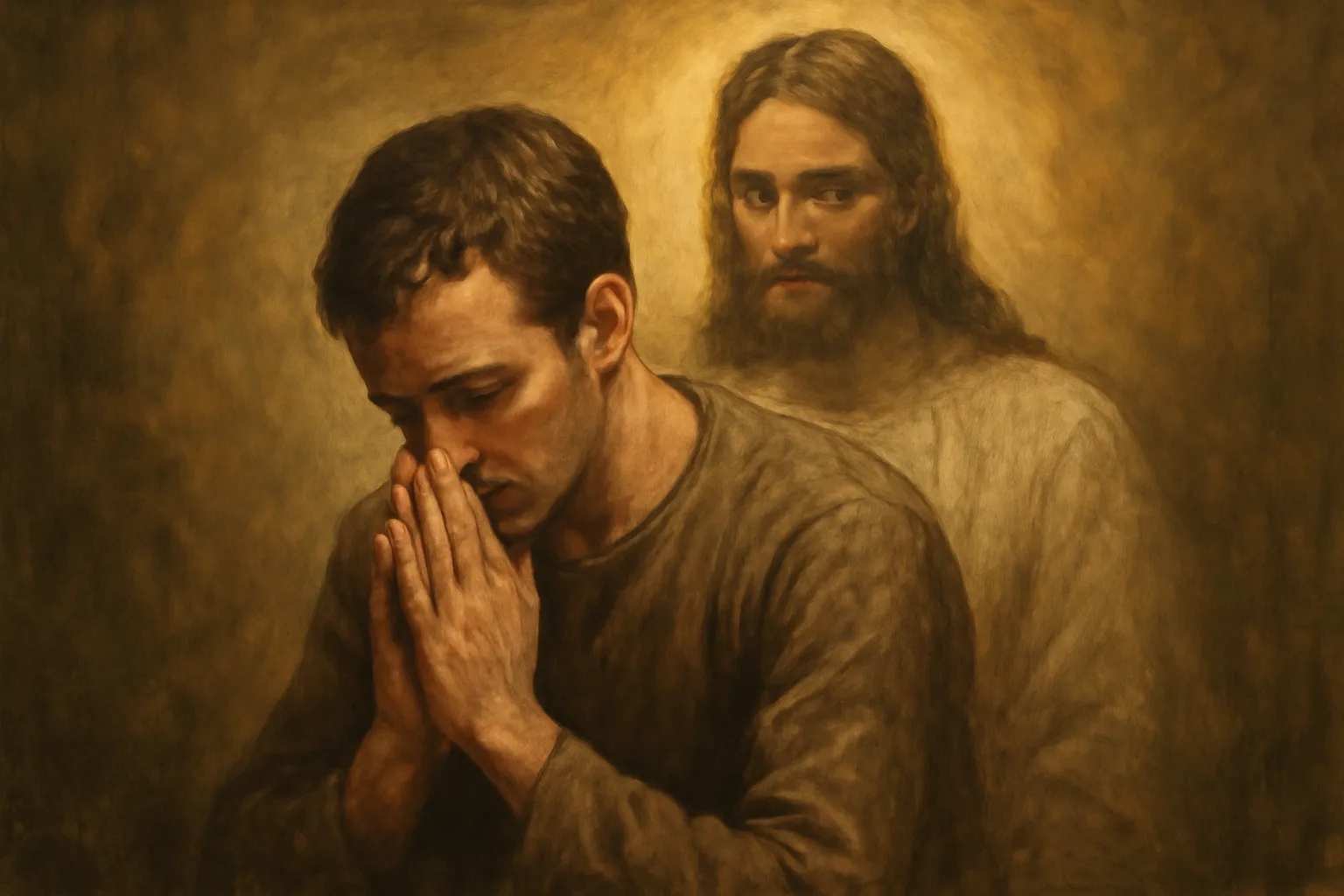
The Count Your Blessings Bible as a Pathway to Gratitude
In a world that often emphasizes hustle, achievement, and scarcity, the practice of gratitude can feel like a countercultural discipline. The concept of the Count Your Blessings Bible invites readers to anchor daily life in the generous cadence of God’s gifts as revealed in Scripture. Rather than a vague sense of thanks, this approach provides a structured, biblically grounded method for recognizing, recording, and responding to blessings. Readers who explore the count your blessings bible concept discover practical ways to cultivate joy, resilience, and contentment through intentional engagement with the Bible.
This guide aims to present a comprehensive overview of how to practice and benefit from counting blessings through Scripture. Whether you are new to devotional life or seeking to deepen a long-standing habit, the counting blessings in the Bible approach offers a clear path: observe God’s goodness in ordinary moments, reflect on passages about gratitude, record what you notice, and respond with worship, generosity, and transformed living.
What is the Count Your Blessings Bible? Variations in phrasing and practice
The core idea behind the Count Your Blessings Bible is simple: orient daily life around gratitude grounded in biblical truth. Along the way, you may encounter several variations of this practice, each with its own flavor but sharing the same spiritual aim.
Counting blessings through Scripture study: A devotional method that pairs gratitude with targeted Bible readings.
Gratitude journaling inspired by the Bible: A journaling habit focused on verses, prayers, and personal reflections.
Blessings inventory in a devotional guide: A structured plan that catalogs God’s gifts, answered prayers, and meaningful relationships.
Praise-centric daily ritual: A rhythm of praise, thanksgiving, and response drawn from biblical passages.
Family or small-group versions: Shared practices that build communal gratitude and mutual encouragement.
Across these variations, the thread remains consistent: gratitude is not an occasional feeling but a cultivated habit that aligns the heart with God’s purposes as revealed in the Bible. In different translations or formats, the Count Your Blessings Bible approach helps readers notice blessings that might otherwise be overlooked and to see how God’s faithfulness is expressed across Scripture and life.
Why gratitude matters in Scripture: the biblical basis for counting blessings
The Bible presents gratitude as a core attitude, not just a momentary reaction. A biblical grounding for gratitude is found throughout both Old and New Testaments. Here are some essential themes and verses that underpin the practice of counting blessings.
Thanksgiving as a commanded response: Scripture repeatedly invites believers to give thanks in all circumstances, recognizing God’s goodness in every season.
God as the source of every blessing: Gratitude rises when we acknowledge divine generosity as the Creator’s work, not merely personal achievement.
Gratitude shaping character: A grateful heart is tied to peace, wisdom, and resilience in the face of trials.
Memory as a spiritual practice: Remembering God’s past faithfulness strengthens trust for present challenges.
Selected verses for contemplation in the Count Your Blessings Bible method
The following verses are often highlighted in this practice because they explicitly connect gratitude to God’s character and actions. Consider reading each passage slowly, then journaling what the blessing or virtue in focus reveals about God and about yourself.
Psalm 103:2 – “Bless the LORD, O my soul, and forget not all his benefits.”
1 Thessalonians 5:18 – “give thanks in all circumstances; for this is the will of God in Christ Jesus for you.”
Colossians 3:15–17 – Let the peace of Christ rule; let the word of Christ dwell richly, with gratitude in your hearts.
Philippians 4:6–7 – “Do not be anxious about anything, but in every situation, by prayer and supplication, with thanksgiving let your requests be made known to God.”
Psalm 107:1 – “Oh give thanks to the LORD, for he is good, for his steadfast love endures forever!”
James 1:17 – “Every good gift and every perfect gift is from above.”
Ephesians 1:3 – God has blessed us with every spiritual blessing in the heavenly places in Christ.
Psalm 100:4 – “Enter his gates with thanksgiving, and his courts with praise!”
These verses, among others, offer a framework for recognizing that gratitude is not merely an emotion but a spiritual discipline tied to trust, worship, and obedience. The count your blessings bible approach invites you to dwell with these truths regularly, letting them shape your perception of daily life.
How to practice: a step-by-step guide to counting blessings through Scripture
Implementing the Count Your Blessings Bible method involves practical steps that can be tailored to individual rhythms or family life. The following guide outlines a reliable workflow that blends reading, reflection, recording, and response.
Prepare your heart and space — Begin with a brief moment of prayer or quiet reflection. Create a dedicated space or time where you can focus without distraction. Acknowledge that gratitude is a choice and a discipline you aim to cultivate.
Choose a consistent time: morning, noon, or evening.
Set a simple intention, such as “I want to notice God’s goodness today.”
Read a portion of Scripture with an eye toward blessings — Select passages that emphasize God’s generosity, faithfulness, and the benefits of a relationship with Him.
Try a short daily reading plan, such as a chapter or a curated list of verses about gratitude.
Alternatively, focus on a single theme per week (e.g., provision, mercy, protection).
Reflect and observe — After reading, pause to identify at least three blessings or gifts you perceive in the text or in your life.
Record specifics: Who or what are the blessings? What situation reveals God’s goodness?
Ask prompts like: “What does this passage teach me about God’s character?” “What am I grateful for today?”
Record your reflections — Use a blessing journal, a digital note, or a dedicated notebook.
Include the date, the Scripture reference, and a brief reflection.
Highlight a concrete blessing to look back on in the future.
Respond in prayer or action — Translate gratitude into a response. This could be a prayer of thanksgiving, an act of service, or a gesture of generosity.
End with a short prayer of thanks or commitment to live out your gratitude.
Consider a practical step you can take for someone else today.
Review and renew — Periodically revisit past entries to observe patterns of God’s faithfulness.
Roll up long periods (e.g., weekly or monthly) and note recurring themes or miracles.
Let past blessings deepen current trust and hope.
Adapting the steps for different contexts
The Count Your Blessings Bible method can be adapted to various life situations:
Individual practice: Emphasize personal discernment and spiritual growth.
Family rhythm: Create a family blessing board or a shared journal where each member contributes entries.
Group or church setting: Use a Blessings Review session once a week to encourage collective gratitude and testimonies.
Digital-friendly version: Use a habit-tracking app or a shared Google Doc for daily entries and reminders.
Structure and resources of a practical “Count Your Blessings Bible” study guide
A robust guide for counting blessings through Scripture typically combines devotional readings, reflection prompts, and practical exercises. Here are core components you may find or wish to assemble in a personal or group study plan.
Opening meditation: A short devotional that orients the heart toward gratitude.
Selected Scripture readings: A curated list of verses about blessing, gratitude, provision, mercy, and faithfulness.
Reflection prompts: Questions designed to deepen awareness and personal relevance.
Recording templates: Simple forms or pages for jotting blessings, dates, contexts, and outcomes.
Prayer and response sections: Space to compose prayers of thanksgiving and plans to live out gratitude.
Weekly or monthly review: A time to scan entries for patterns and growth, reinforcing faithful memory.
If you are developing or choosing a guide, consider including both theological notes that connect gratitude to God’s character, and practical tips for sustaining the habit in busy seasons. A well-balanced resource layers Scripture engagement with personal meaning, rather than presenting gratitude as a performance metric.
Sample week: a concrete plan for practicing the Count Your Blessings Bible method
For readers who want to see how a one-week plan might look, here is a practical example. The structure emphasizes a balance of reading, reflection, recording, and response.
Day 1: Focus on God’s character — Read Psalm 100, and Psalm 107:1. Reflect on how God’s goodness shapes daily life. Record at least three blessings connected to God’s character.
Day 2: Focus on provision — Read Philippians 4:10–20 and Luke 12:22–34. Reflect on daily sustenance and God’s faithfulness. Write a blessing list including tangible provisions and intangible gifts.
Day 3: Focus on mercy and grace — Read Ephesians 2:4–9 and Romans 5:8. Reflect on grace received and grace shown to others. Record a moment you experienced mercy recently.
Day 4: Focus on relationships — Read Colossians 3:12–17. Note blessings in relationships—family, friends, mentors. Write a note of thanks to someone you appreciate.
Day 5: Focus on answered prayers — Review past entries; identify prayers God answered. Read Psalm 34:8 and 1 Thessalonians 5:18. Add a new blessing that emerged from an answered prayer.
Day 6: Focus on praise in trials — Read James 1:2–4 and Romans 8:28. Consider how gratitude can coexist with difficulty. Journal an area where gratitude could grow despite hardship.
Day 7: Synthesis and practice — Revisit entries from the week, summarize insights, and write a short prayer of gratitude that commits to live out the blessings you’ve observed.
This sample week demonstrates how a count your blessings bible plan can be varied, both by theme and by personal or family context. The key is consistency, not perfection, and a steady integration of Scripture with daily life.
Practical tools and templates you can use
To facilitate a sustainable practice, consider the following templates and tools. They help standardize the process while leaving space for personal expression and growth.
Blessings Journal Template:
Date
Scripture reference
Blessing observed (one to three bullets)
Reflection: what does this blessing reveal about God?
Prayer or action: how to respond
Three-Sentence Practice:
What am I grateful for today?
Why does this blessing matter?
How will I respond to this blessing?
Blessings Board (physical or digital) — Post-it notes, cards, or entries that others can read and celebrate with you.
Group discussion prompts — For families or small groups, prompts such as “Share a blessing you noticed this week in your neighborhood.”
Integrating the Count Your Blessings Bible approach with church life and community
The Count Your Blessings Bible method can enrich church life by encouraging regular testimony, communal gratitude, and service-oriented responses. Here are several ways to integrate the practice in a church or community setting.
Weekly gratitude testimonies: Invite members to share short blessings or answered prayers during a service or small group gathering.
Family and youth programs: Adapt the blessing journaling approach for different ages, with age-appropriate prompts and activities.
Service projects inspired by gratitude: Let gratitude lead to generosity—collect offerings, donate time, or perform acts of service for others.
Scripture-based gratitude liturgies: Include readings, responsorial psalms, and prayers of thanksgiving in worship leadership.
Engaging a community in counting blessings can cultivate mutual encouragement, resilience, and a shared sense of purpose. It also provides a concrete context for discussing Scripture and how God’s generosity impacts everyday life.
Common questions about the Count Your Blessings Bible approach
As with any devotional practice, readers may have questions about implementation, scope, and expectations. Here are some frequently asked questions and concise responses.
Is gratitude only about positive experiences?
Not at all. The biblical concept of gratitude recognizes God’s goodness in every season, including trials, while acknowledging that suffering is real. Gratitude in hardship often deepens faith and trust in God.
How much time should I spend each day?
The goal is consistency rather than duration. Even 5–15 minutes daily can establish a meaningful habit, especially if you include a short reading, a reflection prompt, and a brief recording.
Can this practice replace prayer?
No—it’s complementary. Gratitude is a form of prayer in itself, but the Count Your Blessings Bible method often includes explicit prayers of thanksgiving and requests aligned with Scripture.
What if I struggle to find blessings in difficult circumstances?
Start with small, concrete blessings—relationships, daily needs provided, moments of mercy—and gradually broaden your perspective. The practice can help you see even small gifts that point to God’s presence.
Is this method compatible with other spiritual disciplines?
Yes. Gratitude strengthens and enriches other practices such as Bible study, meditation, fasting, and service, creating a holistic spiritual rhythm.
Synonyms and semantic breadth: variations on “count your blessings Bible” for broader search and understanding
To help readers explore related concepts or locate resources, the following variations may appear in discussions or materials related to the Count Your Blessings Bible approach.
Counting blessings in the Bible as a daily practice
Gratitude-focused Bible study plans
Blessings journal grounded in Scripture
Thanks-filled devotional method inspired by biblical verses
Thanksgiving and scriptural reflection routines
Blessings inventory for spiritual growth
Appreciating God’s gifts through Scripture
Praise and gratitude cycle in a devotional context
Each variation emphasizes a different facet of the same practice: noticing God’s generous gifts, reflecting biblically on them, recording them, and then living in response to that gratitude.
Choosing a path: how to start your own Count Your Blessings Bible journey
If you are ready to begin, here are practical recommendations to kick off your own Count Your Blessings Bible journey.
Select a starting point — Pick a verse set or a short reading plan focused on gratitude. A weekly theme can provide structure without being restrictive.
Establish a routine — Consistency matters more than duration. Create a predictable time and place for your practice.
Use a simple recording format — A one-page template or a dedicated journal page keeps the habit approachable.
Involve others gradually — Invite family, close friends, or a small group to join in a gratitude moment or sharing session.
Review with intention — Every month, look back at what you’ve written to observe patterns, growth, and new perspectives on God’s faithfulness.
The beauty of the Count Your Blessings Bible method is its adaptability. You can scale it from a personal, quiet practice to a robust program that guides a family or a community in sustained gratitude and spiritual growth.
Potential pitfalls and how to keep the practice healthy
As with any devotional habit, there are potential challenges. Here are common concerns and practical ways to address them.
Gratitude fatigue — If you feel burdensome obligation, reduce the cadence, but keep the core practice intact. Short, meaningful entries beat lengthy, perfunctory ones.
Superficial listing — Go beyond “I’m thankful for my family” by specifying what makes that blessing meaningful and how it shapes your actions.
Reliance on emotion — Let Scripture frame the gratitude, not just sentiment. Anchor your reflections in explicit verses and theological truth.
Neglecting struggles — It’s healthy to acknowledge pain. In this practice, you can record how God’s presence or promises offer hope within difficulty.
Imbalance with social media — If sharing blessings online becomes a source of comparison or envy, keep entries private or opt for private, supportive sharing groups.
living with a grateful heart informed by Scripture
The Count Your Blessings Bible approach offers more than a ritual; it presents a doorway into a lifestyle shaped by biblical gratitude, trust in God’s character, and a practical response to daily life. By grounding your practice in Scripture, you grow not only in thankfulness but also in spiritual sight—learning to recognize God’s gracious activity in ordinary moments and extraordinary challenges alike. The habit of counting blessings, when coupled with prayer, study, and service, becomes a powerful driver of joy, peace, and generosity.
Whether you call it the Count Your Blessings Bible, counting blessings in the Bible, or a gratitude-focused Bible study, the underlying aim remains the same: to become more fully awake to God’s goodness and to let that awareness shape how you think, speak, and act. As you embark on this journey, may you discover that gratitude is not merely a response to favorable circumstances but a spiritual posture that draws you deeper into fellowship with God and a more compassionate, hopeful, and resilient life.