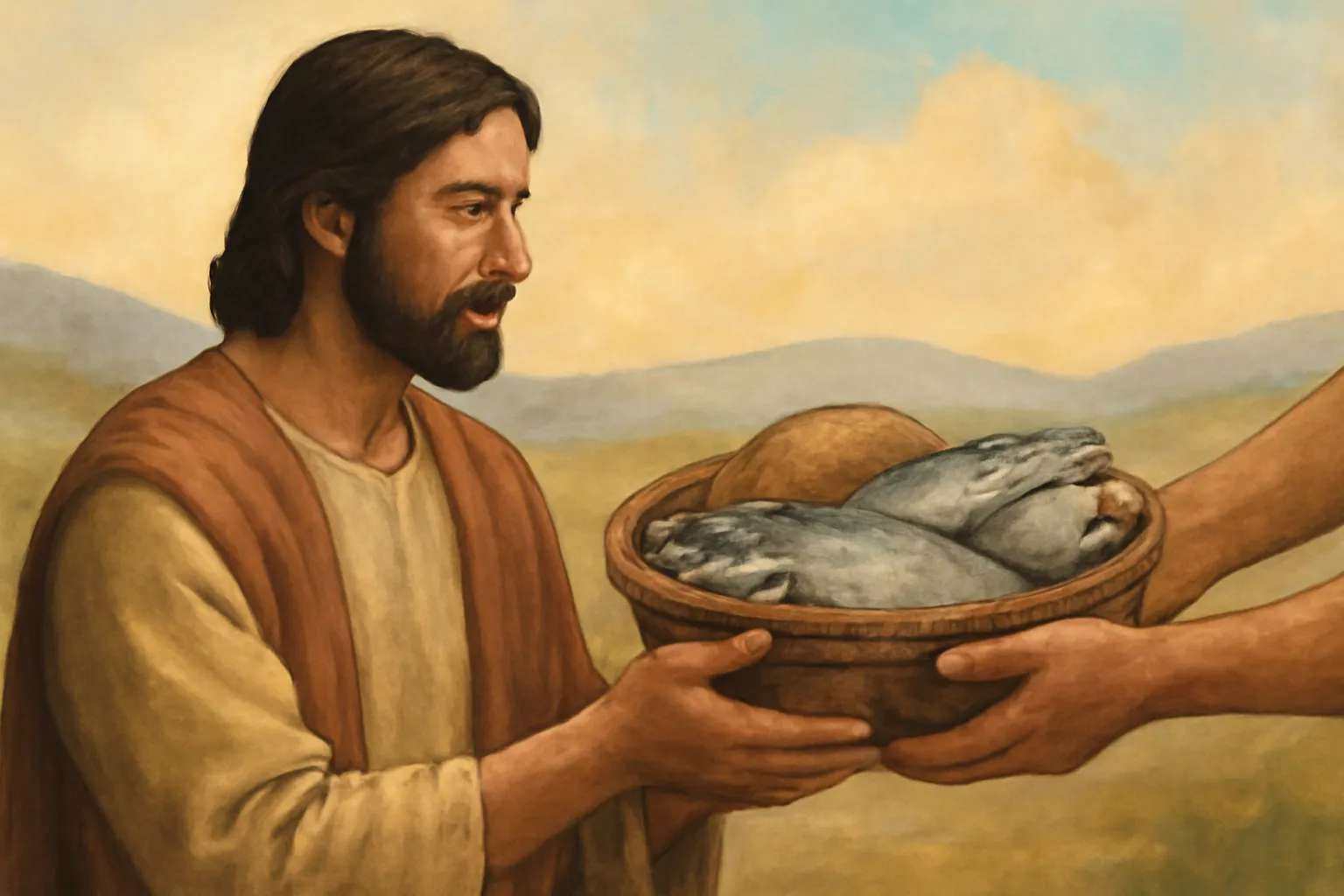
The Bible speaks with consistent voice about God providing for our needs. Across books, genres, and eras, Scripture presents a God who sees, cares, and acts to meet the necessities of His people. This article gathers a broad set of verses—sometimes explicit, sometimes thematic—so you can study the biblical pattern of provision, trust, and contentment. Whether you are facing financial stress, job uncertainty, daily worries, or seasons of scarcity, these passages offer grounding, encouragement, and practical insight for living with faith that God supplies.
Understanding God’s Provision: A Biblical Foundation
Before diving into individual verses, it helps to see how the Bible frames provision. God’s care is not merely a collection of isolated promises, but a coherent message: He knows our needs, He sovereignly orders circumstances, and He invites His children to rely on Him. The repeated motifs include: trusting God’s timing, prioritizing spiritual riches, and practicing gratitude as we depend on Him for daily bread. The following verses illustrate these themes in different voices—from poetry to parable to teaching—yet all point to the same central truth: God provides for those who seek Him and walk in faith.
Key promises and themes you’ll encounter
The Lord’s care for daily needs is a core expectation for believers (Matthew 6:25-34).
Provision often accompanies a call to contentment and to steward what God gives (1 Timothy 6:6-8).
God’s provision is linked to His promises and riches in glory (Philippians 4:19).
Even amid scarcity, the Bible points to God as the source of sufficiency and strength (2 Corinthians 12:9-10).
Old Testament Foundations: Jehovah-Jireh and Daily Provision
The Old Testament presents God as the faithful provider who meets needs in concrete ways, and who is named in a way that proclaims His provision. The term Jehovah-jireh—“the Lord will provide”—emerges from a landmark moment of faith in which God provides a ram for Abraham’s sacrifice instead of Isaac. That story not only demonstrates a single provision but points readers to a lasting truth: God’s provision often arrives in moments of testing and, above all, points to His identity as the One who provides for His people.
Genesis 22:14 and the name Jehovah-jireh
In the narrative where Abraham trusts God even to the point of laying Isaac on the altar, the text records a proclamation that has echoed through generations: “And Abraham called the name of that place Jehovahjireh: as it is said to this day, In the mount of the LORD it shall be seen.” (Genesis 22:14, KJV). This verse clearly ties provision to divine presence and to God’s faithfulness in history. It is a powerful reminder that God sees ahead, provides in the moment, and is worthy of worship for His faithful care.
Psalmic and wisdom reflections on daily bread
The Psalms and wisdom literature consistently present God as the one who provides for the needs of the righteous in tangible ways, even as they exhort trust and obedience. For instance, the psalmist journals about God’s steadfast care, and the proverbs remind the reader that provision is bound to living in alignment with God’s ways. While many of these passages speak in poetic or proverbial language, they share a practical outcome: reliance on God daily and contentment with His gifts.
Jesus’ Teachings on Provision: Worry Less, Trust More
In the life and teaching of Jesus, provision is not just a matter of bread and money; it is a matter of the heart and of priority. Jesus invites His followers to reorient their fears and pursuits toward the Father who clothes the lilies, feeds the birds, and knows the needs of His children. Through His teaching, we learn to replace anxiety with trust, and to seek God’s kingdom first, confident that the necessities of life will be added as well.
Jesus instructs, “Therefore I say unto you, Take no thought for your life, what ye shall eat, or what ye shall drink; nor yet for your body, what ye shall put on. Is not the life more than meat, and the body than raiment?… Your heavenly Father knoweth that ye have need of all these things.” He adds the corrective promise: “But seek ye first the kingdom of God, and his righteousness; and all these things shall be added unto you.” (Matthew 6:25-33, KJV). This passage anchors our understanding that God’s priority for us is spiritual alignment and trust, with daily provision following as He wills.
Luke 12:22-31: Mindful dependence on God in daily life
Similarly, Luke records Jesus saying, “And he said unto his disciples, Therefore I say unto you, Take no thought for your life, what ye shall eat; neither for the body, what ye shall put on. The life is more than meat, and the body is more than raiment.” The surrounding verses emphasize God’s paternal care: “Your Father knoweth that ye have need of these things.” Jesus then points to God’s care for birds and lilies, urging believers to trust, rather than to accumulate, as the Father knows what is best for His children.
New Testament Assurance: The Lord Supplies All Needs
Paul’s letters extend the theme of provision from a personal to a communal load-bearing dimension. They teach that provision is not only about meeting basic needs but about enabling generous living and the advancement of God’s work. In this section, you’ll see how the New Testament shifts the focus from fear to faithful stewardship and from scarcity to abundance in Christ.
Philippians 4:19: God will supply all your needs
Paul writes to the Philippians, “But my God shall supply all your need according to his riches in glory by Christ Jesus.” This is a pastoral promise, rooted not in human merit but in God’s inexhaustible resources. It encourages believers to trust in God’s provision as a present reality and a future inheritance, undergirded by the sufficiency found in Christ.
2 Corinthians 9:8: God’s grace and abundance for every good work
The apostle Paul explains that “God is able to make all grace abound toward you; that ye, always having all sufficiency in all things, may abound to every good work.” The point is not merely to have more for personal comfort, but to enable generous giving and cooperative mission among God’s people. When God provides, it is so that His people can be instruments of blessing to others.
1 Timothy 6:6-8: Contentment with food and clothing
In his pastoral guidance, Paul notes a countercultural posture: “But godliness with contentment is great gain. For we brought nothing into the world, and we cannot take anything out of it. But if we have food and clothing, we will be content with that.” This admonition anchors economic and material desire in the hope and sufficiency of God, reminding believers that contentment is a theological discipline that preserves peace and trust in provision.
Hebrews 13:5: A command to contentment and trust in God’s presence
The author exhorts readers: “Let your conversation be without covetousness; and be content with such things as ye have: for he hath said, I will never leave thee, nor forsake thee.” Here, provision is inseparable from divine faithfulness in relationship. The presence of God himself is the ultimate assurance of daily sustenance.
Provision in Life’s Seasons: Contentment, Hope, and Practical Faith
Scripture consistently ties provision to a posture of trust, a life of generosity, and a readiness to respond to God’s leading. In times of abundance, the question is not only “What do I have?” but “What will I do with what I have for God’s purposes?” In seasons of lack, the same verses invite believers to press deeper into prayer, rely on God’s strength, and rest in His care. The following passages further illuminate how provision works across life’s varied weather.
Psalm 23: The Lord is my shepherd; I shall not want
The beloved psalm opens with a defining claim: “The Lord is my shepherd; I shall not want.” This isn’t merely about material goods; it speaks to guidance, protection, and sustenance under divine leadership. Because God shepherds the righteous, their needs are met in His good time and in alignment with His purposes. The image is intimate and comprehensive: guidance through green pastures, safety through dark valleys, and daily provision as a natural expression of a gracious shepherd’s care.
Psalm 34:10 and the contrast with earthly scarcity
The psalmist notes, “The young lions do lack, and suffer hunger: but they that seek the LORD shall not want any good thing.” This verse acknowledges natural vulnerability in creation while locating true provision in our relationship with God. It teaches that seeking the Lord—in prayer, obedience, and trust—opens the way to good things aligned with God’s will.
Psalm 37:25: A veteran’s confidence in God’s faithfulness
“I have been young, and now am old; yet have I not seen the righteous forsaken, nor his seed begging bread.”
This verse guards against despair by appealing to a broader witness of God’s providence across generations. It invites readers to adopt an attitude of enduring trust, even when present circumstances seem uncertain. It also anchors the belief that God’s care extends to future generations, not merely to individuals in isolation.
1 Thessalonians 5:16-18 and contentment in daily life
While not always framed as a money verse, this passage contributes to the theology of provision by emphasizing gratitude and steadfastness: “Rejoice evermore. Pray without ceasing. In every thing give thanks: for this is the will of God in Christ Jesus concerning you.” A heart posture of gratitude and ongoing prayer shapes how we experience and respond to God’s provisions, both big and small.
Practical Takeaways: How to Apply Scriptures About Provision in Everyday Life
These biblical strands aren’t just about ideology; they’re meant to guide real-life decisions. Here are practical ways to apply what these verses teach about God providing for our needs, while fostering faith, generosity, and obedience.
Prioritize God’s kingdom first, with confidence that daily needs will follow. Jesus’ teaching in Matthew 6:33 invites this orientation: seek the Father’s will, and He will take care of other concerns in His time.
Practice daily dependence through prayer, studying Scripture, and confessing trust in God’s faithfulness. This kind of spiritual discipline makes provision less about luck and more about relationship with God.
Cultivate contentment as a discipline, not a retreat from ambition. Paul’s words in 1 Timothy 6:6-8 point toward a life where “having food and clothing” forms the baseline of security—everything beyond that is God’s generosity and blessing.
Develop generous stewardship because provision in the Bible is often aimed at enabling others. 2 Corinthians 9:8 emphasizes that abundance is for “every good work,” not merely self-preservation.
Trust in God’s timing and His unseen provision. The idea of Jehovah-jireh reminds us that God’s provision can arrive in unexpected ways and at unexpected moments, underscoring a life of faith rather than fear.
Practice gratitude in scarcity and abundance alike. Gratitude aligns the heart with God’s purposes and opens the heart to see provision beyond the obvious, including spiritual and relational blessings.
As believers study these verses, questions naturally arise about how provision works in modern life. Here are some frequent questions and concise, Scripture-informed answers to help navigate practical situations while honoring biblical truth.
Does God provide for every little want or only essential needs? The Bible often distinguishes between needs and wants; God promises to meet essential needs for His children and to provide beyond those needs in ways that can advance His purposes. The rhythm of Scripture emphasizes daily bread, clothing, shelter, and spiritual nourishment as foundational, while also acknowledging God’s generosity and grace that overflows in ways we may not expect.
What about times of unemployment or financial hardship? Passages like Philippians 4:19 and Psalm 23:1–3 affirm God’s ongoing faithfulness. The call is to trust, seek Him, and live wisely, while recognizing that provision may come through means you cannot yet foresee. Community support and responsible stewardship are consistent with biblical guidance during hardship.
How do we balance seeking provision with seeking God’s kingdom? The order Jesus teaches—seeking first God’s kingdom and righteousness—establishes priority. Provision follows as a secondary emphasis, not as the primary objective. When we align with God’s purposes, our needs are addressed within the broader aim of His plan.
Closing Reflections: Trusting the God Who Provides
Across Scripture, the theme of God providing for our needs is not only about what we receive but about who we become in Him—a people learn to depend on Him, to grow in contentment, and to live generously for others. The promises are not guarantees of wealth or ease but assurances of God’s faithful presence and care in every season. The God who spoke the world into existence also speaks into our daily lives with confession and trust: God provides for our needs so we can live out His purposes in love, service, and hope.
As you study these verses, consider keeping a small devotional practice—reading a verse or two each day, reflecting on its meaning, and praying for the areas of need in your life and in the lives of others. Let the harmony of Old Testament promises, Gospel teachings, and New Testament assurances form a holistic picture: God’s provision is personal, powerful, and purpose-filled.
Short takeaway: when you’re tempted to worry, remember the shepherd’s voice and the heavenly Father who knows your needs. When you’re tempted to boast in abundance, recall the example of contentment that Scripture commends. And when you face an uncertain season, lean into prayer, trust, and generous living, confident that God will supply all your needs according to His riches in glory by Christ Jesus.