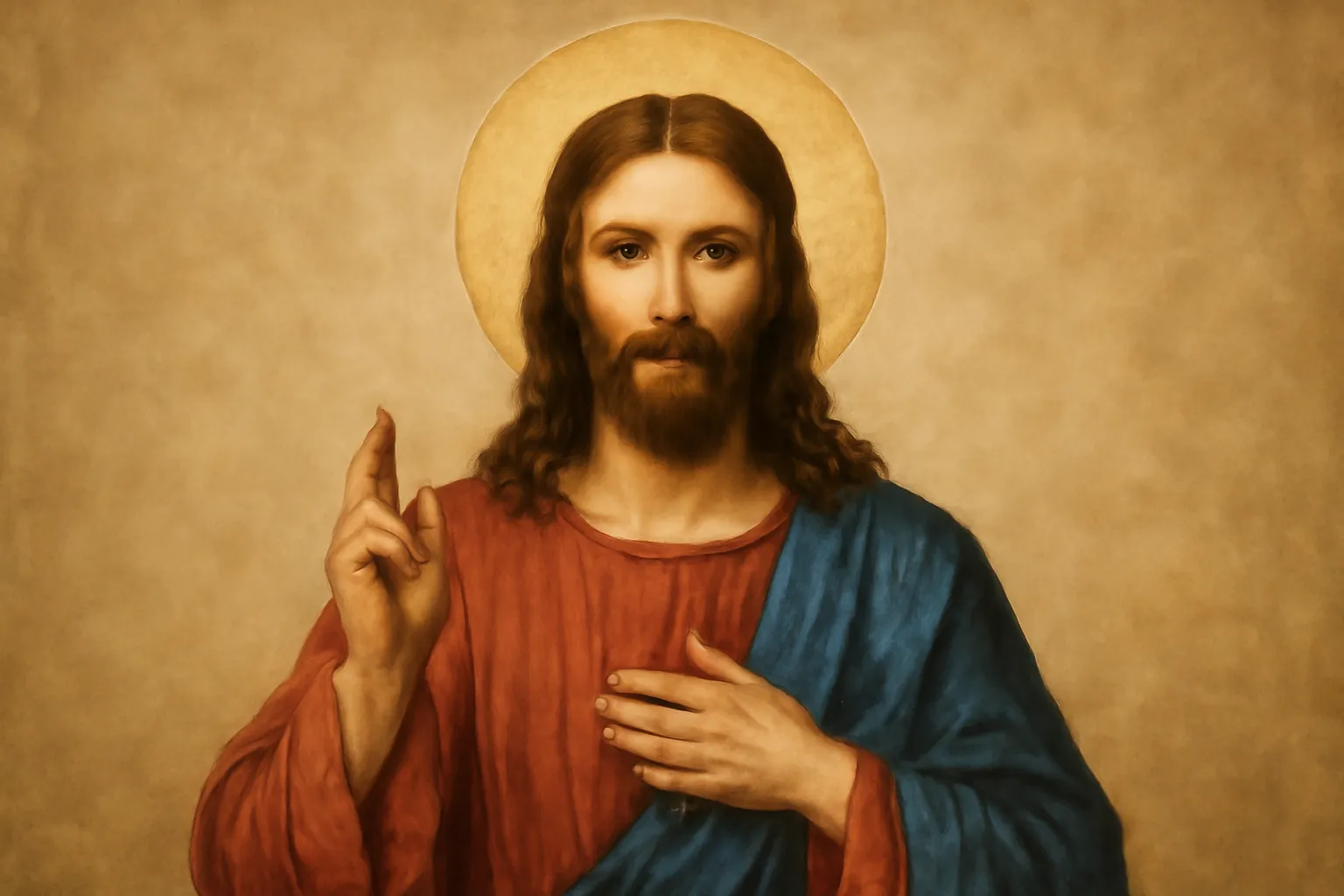
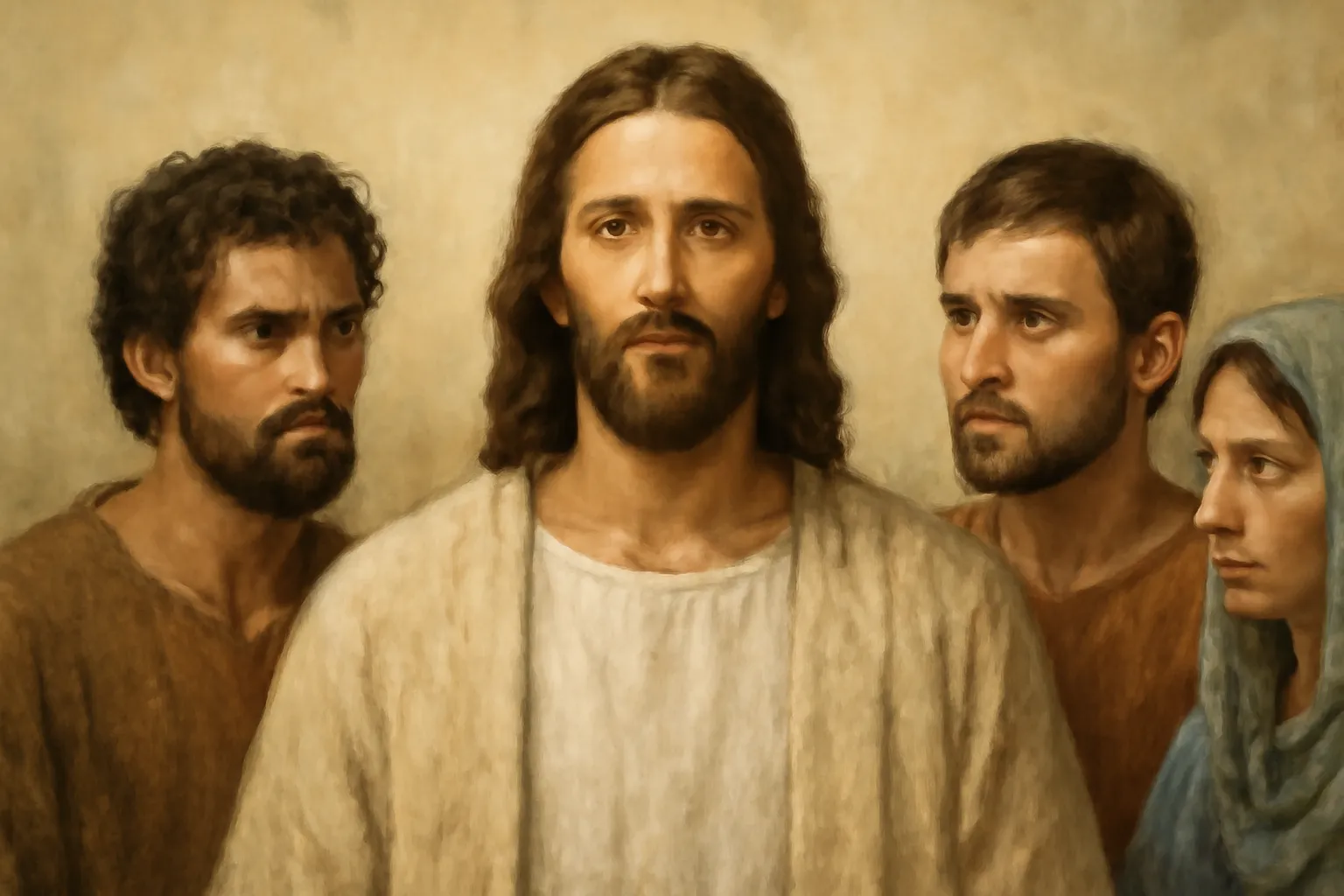
Names carry meaning, history, and expectation. In the Christian tradition, the names and titles given to Jesus Christ are not merely labels but windows into identity, mission, and divine character. Across the New Testament and the Hebrew Scriptures, Jesus is portrayed with a rich collection of names and descriptors that reflect different facets of His nature—from the human life He lived on earth to the cosmic authority He exercises in heaven and on earth. This article explores biblical names for Jesus, their meanings, their theological significance, and their scriptural origins. Along the way, we will encounter variations in language and culture—Hebrew, Aramaic, Greek, and the languages of faith communities throughout history—that have shaped how Christians understand and worship Jesus today.
Key Names and Meanings: An Overview
The following sections present a structured tour of the most significant biblical names and titles for Jesus. Each subsection offers a concise explanation of the etymology, the biblical context, and the theological significance of the name or title. Where possible, scriptural references are provided to help readers locate the original declarations and promises.
Jesus and Christ as Titles
Two of the most foundational terms are Jesus and Christ. The name Jesus is the English form of the Hebrew name Yeshua (also rendered Yehoshua); it means “the LORD saves” or “the LORD is salvation.” The title Christ comes from the Greek Christos, meaning “the anointed one.” When Christians say Jesus, the Christ, they affirm that the one named Jesus is the long-awaited anointed king and savior predicted in Scripture.
Jesus — from Yeshua (Hebrew): “Yahweh saves.” The name announces God’s salvific purpose in a human life (Matthew 1:21).
Christ — from Christos (Greek): “the anointed one.” It signals fulfillment of Old Testament expectations about the Messiah (Luke 2:11).
Messiah, Mashiach, and the Anointed One
Beyond the title Christ, Messiah is the English rendering of the Hebrew Mashiach, literally “the Anointed One.” In Judaism, the Mashiach is the future king who will restore Israel. In Christian faith, Messiah is applied to Jesus as the one anointed by God to accomplish salvation, reconciliation, and the renewal of creation. The term deepens the expectation: the savior who acts with divine authority has entered history in a particular human life.
Messiah — Hebrew Mashiach: “the Anointed One.” Emphasizes God’s choosing and empowering work through Jesus.
the Anointed One — a broader phrase that captures the same expectation across the Jewish and Christian landscapes.
Son of God and Son of Man
Two complementary but distinct titles highlight Jesus’ identity in relation to God and to humanity. Son of God proclaims Jesus’ unique divine sonship and authority, while Son of Man underscores His solidarity with humanity and His role as the rightful representative before God. In the Gospels, both designations appear repeatedly, pointing to both revelation (divine origin) and mission (humble service and redemptive work).
Son of God — denotes divine sonship and authority; Jesus is identified with God in unique ways (for example, Matthew 26:63–64).
Son of Man — emphasizes humanity, suffering, and paradoxical glory; rooted in Daniel 7 and echoed in Jesus’ self-identification (e.g., Mark 10:45).
Immanuel / Emmanuel: God with Us
One of the most cherished titles is Immanuel (also spelled Emmanuel), meaning “God with us.” This name appears in prophecy and is fulfilled in the Gospel narratives. It captures the Christian conviction that God did not remain distant but entered history in the person of Jesus, bridging heaven and earth.
Immanuel — Hebrew for “God with us.” Prophesied in Isaiah 7:14 and cited in Matthew 1:23.
Logos and The Word
In the opening chapter of John’s Gospel, Jesus is described as the Word (Greek Logos). The identity Logos communicates preexistence, reason, and divine revelation through a personal, relational presence. The career of Jesus—speaking truth, revealing the Father, accomplishing salvation—aligns with the ancient concept that the divine communicates and creates through a spoken Word.
Logos / The Word — Greek Logos: reveals God’s mind and plan; John 1:1–14 presents the Word becoming flesh in Jesus.
In John the Baptist’s declaration and the broader Johannine tradition, Jesus is referred to as Lamb of God, a title loaded with sacrificial imagery and redemptive forecasting. The lamb signifies innocence, substitution, and eternal covenant—points echoed in Passover symbolism and fulfilled in Jesus’ atoning death.
Lamb of God — John 1:29 introduces Jesus as the one who takes away the sin of the world.
Bread of Life and Life-giving Light
Among the vivid metaphors used for Jesus are Bread of Life and Light of the World. These titles speak to nourishment, sustenance, guidance, and truth in the spiritual journey. The Bread of Life answers the hunger of the soul, while the Light of the World dispels spiritual darkness and reveals the path to God.
Bread of Life — John 6:35; Jesus asserts that belief in Him provides eternal sustenance beyond physical bread.
Light of the World — John 8:12; Jesus proclaims Himself as the source of spiritual illumination.
The Way, The Truth, The Life
Perhaps one of the clearest concise statements about Jesus’ unique path is The Way, The Truth, The Life, found in John 14:6. This triadic description presents a holistic claim: Jesus is the way of salvation, the truth about God and reality, and the life that overcomes death. The trio has guided Christian faith, worship, and ethical living for centuries.
The Way — a path of obedient trust and communion with God.
The Truth — the reliable revelation of God’s character and will.
The Life — the source of eternal life through union with Christ.
Prince of Peace, Mighty God, Everlasting Father, Wonderful Counselor
Isaiah 9:6 presents a quartet of royal and divine-office titles that Christians have long applied to Jesus. These descriptors emphasize the scope of His authority, divine nature, and enduring impact on history. While they emerge from prophecy about Israel’s future king, Christian interpretation reads them as fulfillment in Jesus and, in some traditions, as Trinitarian or Christological statements about who He is.
Wonderful Counselor — a portrayal of wisdom, guidance, and strategic care in leadership.
Mighty God — a claim of divine might and sovereignty manifested in human form.
Everlasting Father — indicates eternal, fatherly care and leadership; not a claim about Jesus’ personhood in every tradition, but a title that emphasizes His inexhaustible care.
Prince of Peace — points to reconciliation, harmony, and the restoration of creation through His work.
Cornerstone, Rock, and Foundation
As scriptures repeatedly describe Jesus in architectural and geological terms, Christians affirm that Cornerstone and Rock designate His indispensable, stabilizing role in the people of God. The Cornerstone imagery is drawn from Psalm 118 and Isaiah, and Jesus’ parables and teachings apply these metaphors to His authority and the building of the church.
Cornerstone — Psalm 118:22; Matthew 21:42; the foundational role of Jesus in God’s redemptive plan.
Rock — 1 Corinthians 10:4 and other references; a strong, dependable presence amid life’s storms.
King of Kings and Lord of Lords
In the Revelation and early Christian song, Jesus is given the exalted titles King of Kings and Lord of Lords. These function as cosmic claims about His supremacy over all earthly rulers, spiritual powers, and every realm of existence. They are a proclamation of ultimate allegiance and the fulfillment of eternal prophecy.
King of Kings and Lord of Lords — Revelation 17:14; 19:16; a declaration of universal sovereignty.
Alpha and Omega, I Am
The titles Alpha and Omega and the proclamation I Am connect Jesus to the eternal, self-existent character of God. In Revelation, He is described as the Alpha and the Omega, the beginning and the end, who alone can declare the measure of history and destiny. The “I Am” statements in the Gospel of John echo the divine name disclosed in Exodus, tying Jesus’ identity to God’s self-revelation.
Alpha and Omega — Revelation 1:8, 21:6, 22:13; signifies eternal scope and preeminence.
I Am — various “I Am” statements in John (e.g., I am the bread of life, I am the light of the world), echoing the divine name revealed to Moses.
Outside of explicit doctrinal statements, Jesus is often described in relation to his geographic origin or role among teachers. The designation Nazarene points to His upbringing in Nazareth. The terms Rabbi and Teacher reflect how Jesus instructed and interpreted Scripture for his contemporaries and for generations of disciples who would follow.
Nazarene — Matthew 2:23; used to identify Jesus by His hometown (though it also carried assumptions about identity in some contexts).
Rabbi / Teacher — John 1:38; Mark 9:5; emphasizes authority in teaching and interpretation of the law and prophets.
Savior, Redeemer, and Deliverer
The central purpose of Jesus’ life, death, and resurrection is often summarized in the titles Savior, Redeemer, and Deliverer. These terms confront sin, death, and estrangement from God, offering reconciliation and new life to believers. They are drawn from both the Hebrew Bible’s anticipatory language and the New Testament’s proclamation of the cross and resurrection.
Savior — many passages (including Luke 2:11) introduce Jesus as the one who saves his people from their sins.
Redeemer — echoes the Torah and prophetic literature; Christ’s work is presented as redemption and liberation (e.g., Galatians and Hebrews apply this theme to Christ).
Scriptural Origins: How These Names Emerge from Scripture
The wealth of titles for Jesus arises from a tapestry of biblical language, prophecy, and apostolic proclamation. These names originate in different biblical genres—historical narrative, prophetic poetry, psalms, wisdom literature, and gospel accounts—yet they converge on a coherent portrait of who Jesus is and what He accomplishes.
Old Testament foundations — Prophetic passages in Isaiah, Psalms, and the wisdom literature lay groundwork for titles like Wonderful Counselor, Mighty God, Prince of Peace, and the imagery of a cornerstone or a rock to build upon (e.g., Isaiah 9:6; Psalm 118:22).
New Testament fulfillments — The Gospels and epistles show how Jesus embodies and fulfills these expectations. For example, the Word (Logos) in John 1:1–14 connects Jesus to creation and divine revelation; the narrative of the Lamb of God appears in John 1:29, linking Jesus to sacrifice and Passover symbolism.
Christological development — Early Christian writings articulate the uniqueness of Jesus as both fully human and fully divine. Titles such as Son of God, Son of Man, and Alpha and Omega appear in a matrix of worship, doctrine, and mission.
Each name or title carries a distinct theological emphasis. Taken together, they provide a multidimensional understanding of Jesus that informs belief, worship, and daily life. Below are some thematic observations that help readers see how these names function in faith and practice.
Identity and mission: Names like Messiah, Christ, and Son of God foreground Jesus’ divine commission and salvific purpose.
Relationship with God and humanity: Titles such as Immanuel and Logos emphasize both God’s nearness to people and God’s self-revelation through Christ.
Redemption and salvation: The Lamb of God, Savior, and Redeemer speak to substitutionary atonement, forgiveness, and reconciliation with God.
Kingship and sovereignty: King of Kings and Lord of Lords declare Jesus’ universal rule and authority over all earthly powers.
Guidance and life: Metaphors like The Way, The Truth, and The Life offer a spiritual pathway for understanding truth, belief, and eternal life.
Names in Worship: Practical Implications for Faith Communities
Across churches and traditions, the practice of naming Jesus shapes liturgy, prayer, and personal devotion. The following observations highlight how these names inform worship and daily discipleship.
Liturgy and prayer— scriptures often form the basis for prayers and hymns that name Jesus with particular titles, such as “Lord of Lords,” “King of Kings,” or “Savior of the world.”
Creedal and confessional language— historic creeds and confessions often summarize core belief in Jesus using several of these titles, reinforcing the church’s teaching about His identity and work.
Pastoral reflection— sermons and catechesis use the names to teach about salvation, righteousness, and daily living as a response to who Jesus is.
The biblical names for Jesus have traveled through time and geography, producing a rich mosaic of linguistic renditions. For example, Yeshua (Hebrew), Iēsous (Greek), and Jesus (English) reflect translational paths, while titles like Logos or Word carry philosophical resonance in different languages. This diversity does not dilute the core message; instead, it illustrates how Christians from various cultures authenticate faith in a single Savior.
Yeshua — Hebrew form of the personal name Jesus; emphasizes the saving function.
Iēsous — Greek form found in the New Testament; preserves the phonetic core of the name.
Immanuel / Emmanuel — the same name rendered with different transliteration conventions, signifying “God with us.”
Readers often encounter several names in combination, revealing complementary facets of Jesus’ identity. Here are common pairings and how they enrich understanding:
Jesus the Christ — invites both the personal name and the royal-messianic function, tying historical life to cosmic purpose.
Messiah and Savior — underscores Jesus’ role as both fulfiller of prophecy and agent of salvation through atonement.
Word and Light — stresses both revelation and illumination; the divine message becomes human life in Jesus.
Prince of Peace and King of Kings — seasonal and eternal dimensions of rule, reconciliation, and the fulfillment of God’s redemptive plan.
Historical and Theological Reflections: How to Read These Names Today
For modern readers, these names invite reflection rather than mere recollection. They challenge believers to consider what it means to follow, worship, and rely on a figure whose titles span creation, covenant, and consummation. Several practical considerations help readers engage with these names in everyday life.
Encounter and trust— names like The Way, The Truth, and The Life invite believers to orient their decisions around Jesus’ teachings and presence.
Communal identity— the church’s confession that Jesus is Christ and Son of God binds communities in shared belief and mission.
Pastoral care— understanding Jesus as Savior and Redeemer invites compassionate ministry to those seeking forgiveness, healing, and restoration.
Selected Scriptural Passages for Further Study
For readers who wish to explore these names in context, the following passages are representative starting points. They illustrate how different authors in the biblical canon develop each title and its significance.
Jesus and Christ — Matthew 1:21; Luke 2:11; Acts 2:36.
Messiah / Mashiach — Daniel 9:25–26 (prophetic expectation); Matthew 16:16–17; John 4:25–26.
Immanuel — Isaiah 7:14; Matthew 1:23.
Logos / Word — John 1:1–14.
Lamb of God — John 1:29; Revelation 5:6–14.
Bread of Life — John 6:35; John 6:48–51.
Light of the World — John 8:12; John 9:5.
The Way, The Truth, The Life — John 14:6.
Prince of Peace and Mighty God — Isaiah 9:6; Luke 1:32–33.
Cornerstone and Rock — Psalm 118:22; Matthew 21:42; 1 Corinthians 10:4.
Alpha and Omega — Revelation 1:8; Revelation 22:13.
Rabbi / Teacher — John 1:38; Mark 10:17–20.
The Living Logos Through Time
The array of biblical names for Jesus Christ—from Jesus and Christ to Immanuel, Logos, Lamb of God, and beyond—offers a multifaceted portrait. Each name points to a different dimension of who Jesus is according to Scripture: He is the one who saves, the anointed king, the divine Word who reveals God, the sacrificial lamb who bears sin, the bread that sustains the soul, the light that dispels darkness, the way, the truth, and the life, and the sovereign Lord who reigns over all. For readers and communities of faith, these names invite reverent study, heartfelt worship, and faithful living in light of the one whom the oldest faith has proclaimed and the newest generations continue to seek: Jesus the Christ, the promised Messiah, the truly divine and truly human Savior whodwells among us as God with us.