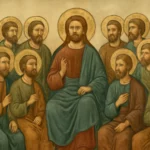
Disciple Study: A Practical Guide to Biblical Discipleship
Disciple study is more than a classroom exercise or a set of rules to follow. It is a dynamic, ongoing process of becoming more like Jesus through the intentional practice of Scripture, community, and mission. This guide offers a practical pathway for individuals, small groups, and families who want to grow as learners and as mentors in the art and science of biblical discipleship. Whether you are new to the concept or seeking to deepen an established habit, the principles below are designed to be accessible, transferable, and reproduceable in a variety of contexts.
What is Biblical Discipleship and Why Practice Disciple Study?
At its core, disciple study involves studying the life and teachings of Jesus and His followers with the aim of becoming a faithful disciple who makes more disciples. It blends three essential dimensions: understanding Scripture, applying it in daily life, and cultivating relationships that encourage ongoing growth. When people engage in disciple-making, they do not merely accumulate knowledge; they develop habits, character, and a sense of calling that extends beyond themselves.
Historically, the word disciple comes from a Greek term meaning a learner or follower. In a biblical sense, a disciple is someone who both learns from the Master and imitates His life in practical ways. A robust disciple study therefore includes study, prayer, practice, and multiplication. The goal is spiritual formation that leads to a lifestyle of service, humility, and evangelistic living.
Core Principles of Biblical Discipleship
A sustainable framework for disciple study rests on several enduring principles. These help keep individuals and groups focused on what matters most and guard against common drift toward mere information or performance.
Scripture-centered: The Bible is the primary authority, guide, and resource for growth. Disciple studies are built around careful reading, observation, and interpretation of the text.
Christ-centered: Jesus is the model and source of transformation. Discipleship practices are oriented toward knowing Jesus, obeying His teachings, and imitating His character.
Relational: Growth happens in durable relationships of trust, accountability, and encouragement. Mentors and peers walk together and move toward greater openness and responsibility.
Reproducible: The methods are simple and scalable. The aim is to equip others to replicate the process in their own circles, producing a multiplying effect.
Prayerful: Spiritual disciplines, including prayer, confession, and worship, nourish the heart and align motives with God’s purposes.
Missional: Discipleship has a tangible outward dimension. The process moves people toward serving others, sharing the gospel, and engaging their communities with the love of Christ.
Holistic: Growth touches every facet of life—mind, heart, will, relationships, work, and community. There is no compartmentalization of faith from daily living.
Growth-oriented: Evaluation and adjustment are normal parts of the journey. The process looks for observable shifts in knowledge, character, and practice over time.
The Disciple-Maker Relationship
Central to disciple study is the practice of mentoring or apprenticeship—an intentional, ongoing relationship where a more mature believer helps a less mature believer grow. This relationship is not primarily about delivering content; it is about forming a learner who can later form others. The heart of the disciple-maker is one of generosity, patience, and accountability.
Accountability: Honest conversation about spiritual disciplines, temptations, and progress keeps growth real and sustainable.
Safety and trust: A trustworthy environment encourages vulnerability, questions, and experimentation with new practices.
Modeling: The mentor demonstrates how to study Scripture, pray, and apply the Word in real-life situations.
Resource sharing: Mentors provide tools, templates, and guidance that help learners develop their own practice and eventually teach others.
Multiplication: The end goal is not merely to become a proficient learner, but to become a capable disciple-maker who can raise up new leaders who also teach others.
Disciple study benefits from a blend of methods rather than a single approach. The most effective programs combine rigorous textual engagement with practical application and relational accountability. The following subsections describe several proven methods that can be used singly or in combination.
Observational Bible Study
Observational study centers on letting the text speak for itself before any interpretation. This method trains readers to notice details, ask questions, and surface meaning from the passage without jumping to conclusions.
Read the passage slowly several times in different translations.
List the people, places, and key terms you notice.
Ask observational questions such as: Who is involved? What actions take place? When and where does this scene occur?
Record any repeated words, contrasts, cause-effect relationships, or literary devices.
Summarize the basic message in one or two sentences.
Inductive Bible Study
The Inductive Bible Study method intentionally guides learners from observation to interpretation and finally to application. It balances curiosity with disciplined inquiry and helps participants build a transferable framework for future studies.
Observe: Note what the text says in context.
Interpret: Seek to understand the meaning of the passage within its original cultural and theological setting.
Apply: Translate the truth into concrete steps and commitments for life today.
Respond: Decide on a specific action, change, or practice to implement in the coming week.
Narrative and Memorization as Practices
Scripture is a narrative filed with people, places, promises, and challenges. Using narrative methods helps learners connect emotionally and cognitively with biblical truth. Memorization, while increasingly optional in some circles, remains a powerful tool for internalizing God’s Word and shaping daily behavior.
Encourage learners to identify a preferred small set of verses to memorize each month.
Promote storytelling or retelling of passages in one’s own words to reinforce comprehension.
Use short, daily recitation as a habit to anchor truth in memory.
Life-on-Life Mentoring
Life-on-life discipleship emphasizes shared daily rhythms rather than formal meetings alone. It blends intentional study with practical acts of service, reflecting the imitation of Christ in everyday life.
Practice joint spiritual disciplines (prayer, fasting, worship) in an agreed rhythm.
Engage in service opportunities that align with the learner’s gifts and context.
Debrief experiences to extract learning and growth insights.
Building a Practical Disciple Plan
Turning these principles into a workable plan requires clarity, structure, and flexibility. Below is a practical framework you can adapt for individual study, a small group, or family-based discipleship. The plan is designed to be repeatable and multipliable so that what you learn can be shared with others to create new circles of growth.
Clarify your aim. Define what you want to achieve in the next 3–6 months (for example: deepen knowledge of Jesus’ teachings, cultivate a consistent prayer habit, or practice evangelism in daily life).
Choose the core text. Select a primary biblical book or a curated set of passages that will anchor your study (e.g., a Gospel, a section of the Epistles, or a thematic corpus such as “Christian Identity” or “Kingdom Life”).
Set a cadence. Decide how often you will meet (weekly, biweekly) and how long each session will last (60–90 minutes is common).
Adopt a study method. Pick one or two methods (observational, inductive, narrative memorization) and implement them consistently.
Create guiding questions. Prepare a few open-ended questions to direct observation, interpretation, and application (for example: What does this passage reveal about Jesus? How does this shape my daily choices?).
Plan accountability structures. Designate a method for accountability (weekly check-ins, journaling prompts, or a shared progress tracker).
Integrate practice. Build in one practical application each week (sharing a faith story, serving someone, or practicing a spiritual discipline).
Prepare for multiplication. At the end of the learning block, plan how to reproduce the process in another group or with a new mentor/mentee pair.
Tools and Resources for Disciple Study
Having the right tools helps maintain consistency and depth. The following resources are commonly used in healthy discipleship contexts. They are designed to be adaptable to individual, family, or church-wide settings.
Study Bibles: A reliable study Bible with footnotes, maps, and cross-references provides helpful context for interpretation.
Translations: Use a readable translation (e.g., ESV, NASB, NIV) alongside a more literal one to compare nuance.
Journals: A dedicated study journal or digital notebook for notes, reflections, and prompts.
Inductive guides: Workbooks or printable templates that structure observation, interpretation, and application steps.
Memory tools: Index cards or digital flashcards for verses to memorize; spaced repetition can aid retention.
Prayer aids: Guided prayer journals or prompts that pair with Scripture passages.
Connectivity tools: Platforms for sharing notes, questions, and accountability (shared folders, messaging apps, or dedicated study platforms).
Beyond books and tools, a successful disciple-making program relies on relational capital: the time someone is willing to invest in others, and the cultural expectation that growth is a communal enterprise. Build your program with humility, flexibility, and a clear sense of mission.
Group and Community Dynamics in Disciple Study
Many people learn best in community. A healthy group dynamic amplifies learning, fosters accountability, and provides encouragement during difficult seasons. The following considerations help cultivate a thriving environment for discipleship groups.
Group size: Smaller groups (4–8 people) tend to function more effectively because everyone can participate and be known.
Group composition: Mix ages, spiritual seasons, and giftings to diversify perspective while preserving safety and trust.
Rhythms and boundaries: Establish norms for attendance, confidentiality, and how decisions are made.
Facilitation: Rotate facilitation or appoint a trained facilitator to maintain momentum and ensure inclusive participation.
Content pace: Allow room for deeper exploration or practical implementation when a passage resonates strongly with the group’s life context.
Celebration: Regularly celebrate growth milestones, answered prayers, and new commitments to live out the faith.
In practice, a group might follow a cycle such as: observe the text, discuss interpretation, declare personal application, practice an observable habit, and rehearse a multiplication plan for the next group. This loop reinforces a living faith that learns as it acts and acts as it learns.
Challenges and How to Overcome Them
Every disciple study program faces obstacles. Being prepared with practical strategies helps maintain momentum, especially when progress feels slow or when motivation wanes.
Time constraints: Prioritize high-impact passages and short, daily engagements. Replace perfection with consistency; even 15 minutes daily can yield meaningful results over time.
Spiritual dryness: Rotate prayer prompts, incorporate confession, and invite a fresh voice (mentor or guest speaker) to renew hunger for Scripture.
Opposition or skepticism: Encourage honest questions and provide balanced, patient explanations. Emphasize the
Distractions: Create a dedicated study space, set a timer, and minimize competing stimuli during study sessions.
Group conflicts: Address conflicts early with clear boundaries and a focus on listening, empathy, and shared goals.
Measurement fatigue: Focus on qualitative growth (character, love, and obedience) in addition to quantitative metrics like dates and numbers of sessions.
These challenges are not signs of failure but opportunities to refine the process. A resilient disciple study culture embraces continual adjustment, feedback, and renewed commitment to the core purpose: growing in Christlikeness and multiplying influence.
Measuring Growth and Accountability
Measuring progress in discipleship is not merely about knowing more or doing more; it is about becoming more like Christ and helping others do the same. Here are practical ways to track growth without turning discipleship into a legalistic checklist.
Knowledge and understanding: Assess comprehension through summarization, questions, or short essays about a passage’s message and implications.
Character development: Observe changes in attitudes, patience, humility, love for others, and integrity in daily life.
obedience and action: Track concrete actions that flow from study, such as sharing the gospel, serving the needy, or pursuing reconciliation where needed.
Habits and disciplines: Note consistency in prayer, Bible intake, and time with mentors; recognize steady improvement rather than perfection.
Reproducibility: Measure progress by the degree to which learners are prepared to mentor others and lead their own small groups.
Effective accountability combines honest conversation with practical next steps. A simple accountability framework might include: a weekly check-in, a short written reflection, and a plan for the coming week that specifies one concrete discipline and one relational action.
Disciple study is adaptable to various settings. Here are some practical adaptations for families, youth groups, and church small groups.
Family discipleship: Involve children and parents in a shared plan that aligns with their developmental stage. Use short, age-appropriate passages, family prayer prompts, and service projects that can be done together.
Youth disciplines: Emphasize relevance to peer relationships, school life, and social media. Use relatable examples, mentors within the community, and opportunities to serve in youth-led projects.
Church small groups: Create a scalable model that can be replicated across neighborhoods or ministries. Use rotation, shared resources, and public testimonies of growth to encourage wider participation.
Regardless of the context, the discipline of watchful waiting—the habit of expecting growth and waiting on God’s timing—remains essential. Disciple study thrives when participants carry a posture of teachability, courage, and dependence on God.
Case Studies and Real-Life Examples
Illustrative stories help illuminate how disciple study can unfold in real life. The following short scenarios show how different people might apply these principles in everyday settings.
Case Study A: Maria and a Mentor-Mentee Pair
Maria, a new believer, meets weekly with her mentor for a one-on-one session. They begin with a short passage from the Gospel of Luke, observe key terms, and discuss what Jesus’ actions reveal about His heart for the poor. They apply the text by choosing a weekly service activity—visiting a local shelter—and memorize a verse that anchors Maria’s identity in Christ. Over several months, Maria not only grows in knowledge but also begins to mentor a peer who is exploring faith, multiplying the impact of their small group.
Case Study B: A Youth Group Embracing a Disciple Path
A church youth group adopts a four-month Disciple Path focused on the life of Paul. Youth leaders guide inductive studies, encourage memorization of key verses, and organize a service project that engages community members. Weekly peer feedback helps participants articulate what they learned and how they will live it out at school and at home. The program culminates in a youth-led outreach event, demonstrating multiplication in action.
A family with two teenagers commits to an eight-week sprint that alternates between observation, discussion, prayer, and service. Each week, one member leads the study, and the family concludes with a simple act of service. By the end, the family has created a shared habit of weekly Scripture readings and a practical rhythm of prayer and service that aligns with their schedule and values.
Creating a Sustainable Culture of Disciple Study
To sustain biblical discipleship over the long term, cultivate a culture that values growth, generosity, and reproduction. Here are principles to help communities maintain momentum:
Leadership development: Invest in a pipeline of mentors who can train others. Create a clear pathway for new leaders to emerge and be released into mentorship roles.
Shared language: Use common vocabulary (disciple study, disciple-making, life-on-life mentoring) so participants understand and can articulate the process.
Accessible materials: Provide templates, guides, and resources that are easy to use, even for beginners.
Grace-filled expectations: Encourage progress rather than perfection. Celebrate small wins and encourage steady, sustainable growth.
Scripture at the center: Ensure all programs keep the Word as the primary reality around which all practice centers.
Conclusion: The Transformative Path of Disciple Study
Disciple study is a practical, holistic, and scalable approach to following Jesus in a way that is both deeply personal and profoundly communal. By combining Scripture engagement, relational mentorship, practical application, and multiplication, learners become capable disciples who can teach others to do the same. The journey is not a sprint but a lifelong pilgrimage of growth, service, and love. Whether you are starting alone, walking with a friend, or leading a diverse group within a church, the framework outlined here offers a reliable map for a healthy, reproducing, and durable practice of biblical discipleship. May your Disciple Study be marked by hunger for God, humility toward others, and bold, joyful obedience to Christ in every sphere of life.