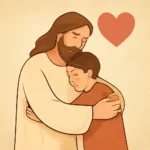
Second Chances in the Bible: Stories of Redemption and Hope
Across the pages of scripture, the theme of a second chance appears again and again in different voices and generous acts. It is not merely a human hope but a divine promise—an assurance that failure does not terminate a life, that mercy can intersect with accountability, and that new beginnings are possible even after deep wrongdoing. In this article, we explore how the Bible shapes our understanding of redemption, mercy, and restoration through a tapestry of stories from both the Old and New Testaments. Each tale offers a different angle on how God invites people to rise again, to learn, and to become something more in the hands of grace.
What does a “second chance” look like in biblical terms?
To speak of a second chance in the Bible is to describe a moment when a person who has fallen or failed is offered an opportunity to begin anew. This often includes confession, repentance, and a renewed calling or responsibility. Several enduring themes recur:
Mercy precedes transformation: God’s compassionate stance toward the penitent initiates change in a person’s heart.
Consequences remain: A second chance does not erase the outcomes of past actions; it reorients a life toward justice and accountability.
Call renewed: A second chance often comes with a fresh assignment or a re-embodied mission to serve God and neighbor.
Grace invites collaboration: Human beings cooperate with divine grace, choosing humility, faith, and action over despair.
As you read, notice how different stories illustrate unique facets of second chances—sometimes through personal repentance, sometimes through dramatic conversion, and sometimes through communal mercy that redefines a people’s future.
Old Testament stories of redemption and renewal
Moses: From hesitation to leadership
In the unfolding drama of Israel’s escape from bondage, the call of Moses marks a quintessential moment of renewed vocation. He begins with a reluctance to speak and a fear of inadequacy, yet God empowers him with a commission to confront Pharaoh and shepherd a people to freedom. The arc includes a desert season of preparation and a turning point when Moses leads the nation through the Red Sea and into covenant life. The narrative embodies a robust truth: even initial failures or fears do not disqualify a person from a meaningful role in God’s plan. Second chances here are not a single moment but a lived process of transformation, empowerment, and service.
David: Repentance, mercy, and ongoing responsibility
King David’s life offers a complex portrait of repentance after grave sin, followed by a careful reckoning with consequences. The prophet Nathan confronts him after the adultery with Bathsheba, and the psalm of confession, Psalm 51, becomes a timeless demonstration of contrition and cleansing. God’s forgiveness does not erase the harm caused but opens the door to continued leadership in a broken world. The story emphasizes that a second chance can be a turning toward justice, humility, and renewed devotion, even as the community wrestles with the repercussions of wrongdoing.
Jonah: Mercy that exceeds human expectation
Jonah’s reluctant mission to Nineveh and his subsequent anger at God’s mercy toward a repentant city reveal a vital paradox: God is patient beyond human calculations, and a second chance may extend to those who initially appear undeserving. The book’s core message challenges readers to trust the breadth of divine compassion and to consider how mercy can redefine communal identity when people choose to respond in humility and repentance.
Rahab’s courage in favor of the spies and her inclusion in the genealogies of Israel (and ultimately in the lineage of Christ) illustrate that a second chance often travels across social boundaries. Her faith becomes a catalyst for transformation—not only for her own life but for the fate of a community that moves toward trust in God’s promises. The underlying lesson is that faith, courage, and hospitality can open doors to a restored future, even for those who once stood on the margins.
The Prodigal Son (Prodigal Narratives in Luke)
While a parable, the Prodigal Son is one of the most frequently cited biblical portraits of a second chance in action. A wayward son returns home not because he has earned a flawless reputation but because he discovers that his father’s love remains open and welcoming. The father’s lavish mercy—the robe, the ring, and the feast—models a divine posture of reconciliation that redefines family, honor, and belonging. This story invites readers to consider how grace can restore dignity and purpose to someone who has wandered far away from home.
Israel’s covenantal cycles: repentance and restoration through generations
Throughout the Old Testament, the arc of the people of Israel repeatedly cycles between apostasy and renewal. When the people return to God after exile, communities experience an opportunity to rebuild, re-learn, and recommit to justice and mercy. In these cycles, a second chance to live as a people of covenant faithfulness becomes a shared enterprise—a faithful remnant receiving a renewed calling to bless the nations.
Key patterns in the Old Testament
Grace is more expansive than guilt; God offers restoration even to those who have deeply erred.
Repentance is not merely feeling sorry; it is a reorientation of life toward God’s purposes.
Transformation often accompanies a renewed mission—an invitation to serve others, sometimes in challenging contexts.
New Testament stories of second chances and fresh starts
Peter: Restoration after denial
Peter’s denial of Jesus at a critical moment could have defined him by weakness. Yet the Gospel narratives culminate in a poignant moment of restoration—a threefold commission to Peter that mirrors his three denials, coupled with a charge to feed my sheep. The exchange becomes a powerful exemplar of forgiveness transformed into renewed leadership. The episode suggests that a genuine second chance involves not only forgiveness but a re-empowerment to participate in the ongoing work of the community—the church.
Paul: A dramatic conversion and a transformed mission
Saul’s encounter with the risen Christ on the road to Damascus marks one of the most dramatic turnarounds in biblical memory. What follows is a life reoriented toward a mission of preaching grace to both Jews and Gentiles. Paul’s transformation demonstrates a profound truth: new creation can emerge from a past of opposition, and a renewed sense of purpose can reshape the trajectory of global history. His letters model how a second chance can become a lifelong vocation of teaching, correction, and encouragement for communities facing hardship and moral testing.
The Woman Caught in Adultery: Mercy over condemnation
In a moment where justice seems clear-cut and harsh, Jesus offers a radical pivot: mercy accompanied by a challenge to turn away from sin. The scene highlights the tension between accountability and compassionate restoration, reminding readers that a second chance is inseparable from a call to live rightly in the present. The message is not to excuse wrongdoing but to invite transformation by grace that empowers new patterns of life.
The Thief on the Cross: A final invitation
At the edge of life, the thief on the cross encounters Jesus and is promised a place in paradise. This brief moment embodies the universality of divine mercy: second chances are not bound by time or achievement. The cross becomes a doorway to hope for every person who turns to Christ in faith, even in the final hours of a life. The key takeaway is that God’s grace can extend to the most unexpected moments and places, offering redemption even as life ends or changes course abruptly.
When Jesus chooses to stay in Zacchaeus’s house, public opinion shifts toward mercy and transformation. Zacchaeus responds with restitution and generosity, showing that a genuine encounter with grace produces tangible changes in behavior. A second chance here is not simply a personal uplift; it becomes a social reordering—a life that blesses others as a sign of God’s renewing presence in the world.
The early church: Inclusion and renewal of communities
The early church experiences a broadening of possibility as Gentiles join the faith. This inclusion marks a second chance for a people and a movement that had once stood on exclusive boundaries. The apostolic witness demonstrates that God’s grace is not limited by ethnicity or tradition; it invites the church into a more expansive vision of mercy, unity, and mission. In this sense, second chances become communal gifts that redefine identity, mission, and neighbor-love.
Lessons from the New Testament narratives
Grace is proactive: God initiates renewal and invites response, not merely judgment.
Conversion is ongoing: A second chance is not a single event but a continuing process of transformation and service.
Redemption reshapes relationships: Forgiveness reorders how individuals relate to God, to each other, and to their communities.
Core themes: What these stories teach about redemption and hope
Grace and accountability walk hand in hand
Time and again, the biblical record shows that mercy is not a license to sin, but an invitation to live responsibly. A second chance arises when grace meets a right response—humility, repentance, and a renewed commitment to righteousness. The balance between mercy and accountability is one of the most enduring lessons about how God relates to imperfect people who strive to grow.
Transformation is possible at any stage of life
From a fearful leader in Egypt to a persecutor of Christians, from a runaway prophet to a tax collector who becomes generous, the Bible repeatedly demonstrates that change can occur in moments and across decades. The possibility of renewal invites readers to consider how their past could be reinterpreted in light of God’s present invitation to live differently.
Forgiveness is not merely a release from guilt but a doorway into renewed purpose. When God grants a second chance, it nearly always includes a mandate to serve others, to bless, to seek justice, and to bear witness to the hope that grace provides. The narratives insist that healing and vocation are deeply intertwined—restoration is not merely personal relief but a summons to contribute to the flourishing of others.
Hope extends beyond individual lives to communities
Second chances ripple outward. A person restored can become a catalyst for communal healing, reconciliation, and reform. The Bible presents not a solitary path to redemption but a shared journey in which families, churches, and nations are invited to embrace mercy, pursue justice, and nurture a culture of forgiveness and opportunity for those who have stumbled.
Divine patience as a model for human relationships
God’s patience with flawed people offers a model for patient leadership, mentoring, and discipling within communities. The call to extend grace to others—while still holding to truth and righteousness—reflects a balanced, realistic approach to second chances in everyday life: with neighbors, friends, and family, as well as with ourselves.
Practical takeaways: living with hope and responsibility
Self-reflection: Regularly examine your own heart for patterns you want to change, not merely for guilt but for growth.
Confession and repentance: Own what needs to be owned, seek forgiveness, and commit to concrete steps that align with God’s will.
Grace toward others: Extend mercy to those who stumble, keeping hopes for restoration intact while encouraging accountability.
Lives shaped by service: Let renewal translate into acts that bless others, such as generosity, hospitality, and advocacy for the vulnerable.
A hopeful view of people: Believe in transformation for yourself and others, recognizing that change often takes time and support.
In practice, a biblical perspective on second chances invites readers to cultivate a daily rhythm of humility, prayer, and action. It asks believers to trust that God’s purposes for redemption are bigger than individual missteps and that the path to restoration is paved with mercy, truth, and patient love.
Whether you are reading scripture for personal encouragement, teaching others, or guiding a community, the biblical record offers practical ways to embody redeemed living in contemporary contexts:
Create safe spaces for confession and accountability within spiritual communities, where people can seek and receive restoration without fear of condemnation.
Encourage mentorship and modeling—let those who have experienced grace walk alongside those who are learning to navigate similar struggles.
Promote justice-centered mercy: recognize that forgiveness should include practical steps to repair harm and to prevent repeating cycles of wrongdoing.
Celebrate stories of transformation (without sensationalizing them) to remind communities that change is possible and worth pursuing.
As you close the pages of these stories, you may find a renewed sense of possibility. The Bible’s portrait of second chances is not merely a catalog of historical moments; it is an invitation to participate in grace, to embrace restorative work in one’s own life and in the lives of others, and to live with a hopeful anticipation of what God can accomplish when a broken life encounters limitless mercy.