Bible Verses About Second Chances: Finding Forgiveness and Renewal
Throughout the biblical narrative, the idea of a second chance emerges as a radiant thread weaving through both Testaments. The Bible speaks not only of forgiveness in a general sense, but of a transformative invitation: a path back to God, a renewal of purpose, and a restoration of relationship. In a world where mistakes can feel final, Scripture offers a hopeful countermessage: that God is sovereignly committed to giving people new beginnings. In this article, we explore a wide range of verses and themes that illuminate how forgiveness, grace, and renewal work together to offer genuine second chances.
Understanding the Biblical Concept of Second Chances
A second chance in Scripture is not merely a retry of what failed before; it is a restoration to a relationship, freedom from guilt, and a renewed calling. The biblical pattern invites believers to bring their failures into honesty before God, receive His mercy, and step forward in obedience. This section surveys the core ideas that make second chances a consistent motif in Scripture.
The biblical path to renewal often begins with confession and repentance, followed by God’s gracious cleansing and a renewed identity. When the heart is honest before the Creator, God responds with forgiveness and a fresh direction. The Psalms, Prophets, and Apostolic letters all emphasize that renewal is both a divine gift and a human journey in faith.
Old Testament Foundations for Forgiveness and Renewal
The Old Testament lays a rich groundwork for understanding how God’s mercy interacts with human frailty. Several passages remind us that God’s compassion is greater than our failures and that His faithfulness is the basis for genuine second chances.
Mercy that Reverses a Fall
Psalm 103:12 — “As far as the east is from the west, so far has he removed our transgressions from us.” This verse captures the magnitude of God’s forgiveness, illustrating how past mistakes can be separated from us as we move forward.
Isaiah 1:18 — “Come now, let us reason together, says the LORD: though your sins are like scarlet, they shall be as white as snow.” A powerful invitation to a fresh, clean slate despite deep stain.
Jeremiah 31:34 — “I will forgive their wickedness and will remember their sins no more.” The Creator commits to restoring relationship by removing guilt from memory.
Forgiveness as Restoration to Covenant Life
Micah 7:18-19 — A picture of God’s gracious posture: “Who is a God like you, who pardons sin and forgives the transgression of the remnant of his inheritance? You do not stay angry forever but delight to show mercy.” The emphasis is on the delight of mercy that restores.
2 Chronicles 7:14 — In a moment of national reckoning, God promises a path back: humility, prayer, seeking His face, and turning from wicked ways lead to healing and restored favor.
The New Testament expands the concept of second chances into the heart of the gospel: forgiveness is offered through Christ, and transformation follows as people put on a new self. The message shifts from mere forgiveness of sins to the creation of a new identity in Christ.
Grace, Faith, and New Life in Christ
John 3:16 — “For God so loved the world that he gave his one and only Son, that whoever believes in him shall not perish but have eternal life.” This cornerstone verse highlights the motive (God’s love) and the outcome (new life) of the gospel—an essential start for those seeking a fresh start.
John 1:12 — “Yet to all who did receive him, to those who believed in his name, he gave the right to become children of God.” Belonging to God is the first step toward genuine renewal.
2 Corinthians 5:17 — “If anyone is in Christ, the new creation has come: The old has gone, the new is here!” This is a high-water mark for what a second chance looks like in the life of a believer.
Living Out Renewal: Practical Transformation
Romans 6:4 — “We were therefore buried with him through baptism into death in order that, just as Christ was raised from the dead, we too may live a new life.” Renewal is not simply forgiveness of the past; it is a reorientation toward a new pattern of living.
Ephesians 4:23-24 — “To be made new in the attitude of your minds; and to put on the new self, created to be like God in true righteousness and holiness.” Renewal includes a change in mind and behavior.
1 John 1:9 — “If we confess our sins, he is faithful and just and will forgive us our sins and purify us from all unrighteousness.” Confession leads to cleansing and restoration.
Verse-Centered Reflections on Second Chances
To cultivate a daily sense of forgiveness and renewal, many readers turn to a compact set of verses that speak directly to the heart of second chances. Here are some focused reflections that can guide personal devotion or group study.
Forgiveness as a Daily Practice
Psalm 51:10 — “Create in me a clean heart, O God, and renew a right Spirit within me.” This is a prayer for ongoing transformation, not only a moment of repentance.
Psalm 32:5 — “Then I acknowledged my sin to you and did not cover up my iniquity. I said, ‘I will confess my transgressions to the LORD.’ And you forgave the guilt of my sin.” Confession as a rhythm that sustains renewal.
From Forgiveness to Restoration in Relationships
Matthew 6:14-15 — Jesus teaches that forgiveness from God is linked to our willingness to forgive others: “For if you forgive other people when they sin against you, your heavenly Father will also forgive you.” The second chance you grant others reflects the mercy you have received.
Luke 17:3-4 — A practical standard for restoration: if a brother sins, rebuke him; if he repents, forgive him—even if he sins seven times in a day and seven times returns, you should forgive.
Practical Pathways: How to Experience a Second Chance in Daily Life
The biblical picture of second chances is not only theological but eminently practical. Below are action steps drawn from Scripture that individuals and communities can apply to foster genuine renewal.
Confession is the opening door to mercy (see 1 John 1:9; Psalm 32:5). It involves naming what happened, owning responsibility, and inviting God into the process of healing.
Repentance means turning away from destructive patterns and toward a path aligned with God’s will (see Luke 15:11-32 for the prodigal’s return and change of direction).
Step 2: Accept God’s Forgiveness and Move Toward Renewal
Knowing that God forgives and remembers no more (Jeremiah 31:34) enables a person to release self-condemnation and pursue growth.
Embrace the idea of being a new creation in Christ (2 Corinthians 5:17) and build your daily life around that new identity.
Step 3: Extend Forgiveness to Others
Forgiveness is a two-way street: receiving mercy from God and offering mercy to neighbors. The Lord’s Prayer, with its line about forgiving others as we are forgiven, anchors this practice (Matthew 6:12).
When relationships feel broken, seek reconciliation with humility, patient listening, and practical steps toward restoration.
Step 4: Seek Community and Accountability
Renewal often happens within a community that supports accountability, discipline, and honest conversation. Proverbs 27:17’s image of iron sharpening iron can describe healthy fellowship.
Consider accountability partners, mentors, or small groups that encourage spiritual growth while cultivating healthy boundaries.
Step 5: Live Out the Renewal Daily
Put on the “new self” daily, choosing habits that reflect righteousness and peace (Ephesians 4:22-24). This is the ongoing process of renovation in the Spirit.
Practice gratitude, renewal, and hope by memorizing key verses and returning to them in moments of temptation or guilt.
Verse-by-Verse Quick Reference: A Devotional Grid
For quick use in personal devotion or small groups, here is a compact grid of verses around the theme of second chances, each paired with a brief meditation cue.
John 3:16 — Trust in the Father’s love as the motive for a fresh life.
John 1:12 — Embrace your new identity as a child of God.
Romans 6:4 — Live in the power of a risen life, not the old pattern.
2 Corinthians 5:17 — The old has gone; the new has come. Remember this when old failures loom large.
Psalm 51:10 — Create in me a clean heart; renew a right spirit within me. A cry for ongoing renewal.
Psalm 103:12 — Transgressions removed as far as the distance from East to West.
Isaiah 1:18 — Sins washed white; a clean slate is possible today.
Jeremiah 31:34 — Forgiveness that erases the guilt of sin from memory.
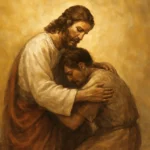
Luke 15:11-32 — The prodigal’s return is a picture of a journey back to the Father’s embrace.
1 John 1:9 — Confession leads to cleansing from all unrighteousness.
Common Scenarios: How Second Chances Speak to Everyday Life
The beauty of biblical second chances lies in their relevance to ordinary life. People often wonder, how does forgiveness translate into practical choices when facing ongoing temptations, strained relationships, or the weight of a difficult past? Scripture offers guidance that is both compassionate and demanding, inviting faithful action without minimizing the hurt that has occurred.
In times of repeated failure, the truth remains that God’s mercy is large enough to cover multiple laps toward renewal. Yet Scripture also invites practical wisdom—we do not presume on grace but respond with a renewed commitment to rely on the Spirit for lasting change.
When You Feel Unworthy: Acceptance and Calling
The Bible does not require perfection before a person can proceed in faith. Rather, God calls those who feel unworthy to trust His grace and to walk forward in light of a transformed identity (Romans 8:1; 2 Corinthians 12:9).
When Reconciliation Seems Impossible: God’s Power at Work
Relationships restored by forgiveness reflect a powerful truth: God can soften hard hearts and bring about reconciliation beyond human expectation. The prodigal’s father is a portrait of patient mercy, inviting the wayward child back without conditions that would crush hope.
While the Bible presents an overarching message of forgiveness and renewal, each verse carries a historical and literary context that matters for proper understanding. When studying passages about second chances, consider:
Context: What situation or covenantal relationship is in view? Is it an individual, a community, or a nation?
Promise and Condition: Many verses pair mercy with repentance, humility, or obedience. The second chance often arises in response to a turning toward God.
Character of God: The consistent pattern is God’s mercy and faithfulness, not human merit. This shapes how we understand our own response to grace.
Reflection Questions for Personal Application
Where in my life do I glimpse a need for a second chance? Which bad pattern, relationship, or broken dream cries out for renewal?
Have I embraced God’s forgiveness fully? Do I live in the freedom of being cleansed and released from guilt? If not, what can I change to align more closely with 1 John 1:9?
Whom do I need to forgive or seek reconciliation with? How can I begin a process that mirrors Jesus’ merciful approach in Luke 15 or Matthew 18?
The biblical message of second chances is not a mere slogan for moral uplift. It is a lived reality that begins with God’s gracious initiative and invites humans into a transformed way of living. By embracing forgiveness, we move toward renewal; by extending forgiveness to others, we extend the mercy of the Father in tangible ways. In Christ, every failure becomes a potential doorway to a deeper faith, a stronger character, and a more intimate relationship with God.
A Closing Encouragement
If you are facing a moment of decision—whether to return to God after a fall, to forgive someone who has hurt you, or to trust God for a fresh start—remember that the scriptures invite you to begin anew. The path of a second chance is paved with mercy, empowered by grace, and marked by hopeful steps forward. Accept God’s offer of renewal today, and consider how you can embody that mercy to others in your own life.