The Jehovah’s Witness Bible Story Book is a widely circulated publication within the Jehovah’s Witnesses community that aims to present biblical narratives in a format accessible to children and families. Often referred to as the JW Bible Story Book or the Bible Story Book for Jehovah’s Witnesses, this work serves as a bridge between the Bible text and the lived practice of faith in congregational life. It combines simplified retellings, vivid illustrations, and discussion prompts designed to reinforce core beliefs, moral lessons, and practical application in daily life. In this article, we take a comprehensive look at what the book is, how it is designed, what it emphasizes the most, and how families and educators use it to pass on the stories and lessons of the Bible from a Jehovah’s Witness perspective.
Overview of the Jehovah’s Witness Bible Story Book
At its core, the Jehovah’s Witness Bible Story Book is a curated collection of biblical episodes retold with an emphasis on the sovereign role of Jehovah (God) and on living in harmony with Bible principles. The book is commonly used in family study sessions, Sunday meetings, and children’s classrooms within the Kingdom Hall environment, but it also serves as a resource for individual readers who wish to deepen their familiarity with the Bible’s narratives. The aim is not only to recount events but to illuminate how those events reveal God’s purposes, character, and promises, as well as how human characters responded in faith, disobedience, courage, or doubt.
Audience and purpose: Primarily designed for younger readers and families, with language that is clear and engaging while remaining faithful to the doctrinal framework of Jehovah’s Witnesses.
Methodology: Retellings are accompanied by questions, short summaries, and occasional notes that highlight names, places, and key events.
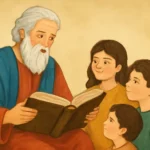
Illustrative approach: Strong emphasis on visual storytelling to aid memory and understanding, which is especially helpful for children and new readers.
Publication History and Context
The Watch Tower Bible & Tract Society, the organizational body behind Jehovah’s Witness teaching, has produced a number of study aids, storybooks, and Bible aids over the decades. The Jehovah’s Witness Bible Story Book represents one strand of these efforts to disseminate biblical literacy in a manner consistent with the group’s doctrinal positions. While the precise publication history can vary by language edition and printing, the core idea remains constant: to present biblical narratives in a way that reinforces a shared set of beliefs about God’s sovereignty, the importance of obedience to God’s commands, and the expectation of a coming divine kingdom under Christ’s rulership.
Origins in Bible-based instruction for families and children
Adaptations for different languages and cultural contexts
Ongoing revisions to reflect updated organizational emphases and clarifications of doctrine
Structure and Content
The layout of the Bible Story Book for Jehovah’s Witnesses typically follows a predictable pattern that supports classroom and home study. Each story is a self-contained retelling that includes an introduction to the setting, a narrative arc, and a closing emphasis on a key lesson or principle. The book often features the following elements:
Story title and a short narrative that preserves essential details while simplifying complex episodes.
Character focus on prominent figures such as Adam and Eve, Noah, Abraham, Moses, David, prophets, Jesus, and early Christians, with attention to their faith or failings in light of Jehovah’s purposes.
Key events highlighted to help readers recall the plot and its theological significance.
Discussion prompts or questions that encourage reflection on motives, obedience, and trust in God.
Practical applications that relate the ancient narratives to modern life, including family conduct, worship practices, and evangelism.
Vocabulary notes occasionally included to explain biblical terms or names frequently encountered in the stories.
In terms of scope, the book covers a broad sweep of the Bible’s narratives, often with a deliberate emphasis on themes such as God’s sovereignty, covenant relationship with humanity, moral integrity, and the coming Kingdom of God. This thematic framing helps readers connect individual stories to the larger arc of the Bible as understood in Jehovah’s Witness theology.
Narrative Approach and Thematic Emphasis
The storytelling approach in the JW Bible Story Book is designed to be accessible yet doctrinally anchored. The manner of retelling tends to emphasize:
Jehovah as the central Sovereign who acts in history to fulfill his purposes.
Faith and obedience as defining responses to God’s messages and commands.
Prophetic expectation and the hope of a restored Earth under divine rule.
Practical morality—how readers should live, speak, and relate to others in light of biblical principles.
Relational dynamics—the interactions between humans and God, as well as between people, which illustrate trust, doubt, repentance, and mercy.
Two notable features of the narrative approach are worth highlighting:
Didactic framing: Each story includes a moral or doctrinal takeaway that aligns with Jehovah’s Witness teachings, making it easier for parents and teachers to draw parallels to contemporary life.
Non-contradictory continuity: The retellings maintain a consistent theological frame, helping readers see how New Testament events are understood in continuity with Old Testament promises.
In addition to retellings, the book occasionally invites readers to reflect on questions that encourage critical thinking within the framework of faith. This can include considering how a character demonstrated faith under pressure, or how a given choice aligned with Jehovah’s will as taught by the organization.
Stories and Characters: Selection and Emphasis
The selection of stories in the Jehovah’s Witness Bible Story Book is guided by doctrinal relevance as well as pedagogical usefulness. While the exact list of stories can vary across editions and languages, the following categories commonly appear:
Creation and early humanity—stories about God’s purpose for the earth and humankind, and the introduction of moral choice.
Patriarchs and prophets—accounts that illustrate faith, obedience, and the consequences of divine guidance or human reluctance.
Exodus and the law—themes of liberation, covenant, and the shaping of a people in relationship with Jehovah.
Conquest and kingdom periods—lessons on leadership, humility, and reliance on God’s direction in times of national challenge.
Prophetic voices—messages about accountability, justice, and hope for a future divine kingdom.
Life of Jesus—the centerpiece of New Testament narrative for Jehovah’s Witness readers, emphasizing Jesus’ identity, teachings, miracles, death, and resurrection in the context of God’s Kingdom.
Early Christian faith—stories that illustrate perseverance in the face of opposition and the spread of the message about divine sovereignty.
In presenting these stories, the book places particular emphasis on how characters respond to God’s guidance. Examples of favored themes include:
The importance of obedience to divine commands, even when the path is challenging.
Trust in God’s promises and in the organization that interprets those promises for contemporary believers.
A focus on moral integrity and avoidance of conduct that would distance a believer from Jehovah.
A forward-looking perspective on the kingdom hope and the anticipated fulfillment of biblical prophecies.
Illustrations and Visual Style
Visual elements play a crucial role in the accessibility and memorability of the Bible Story Book for Jehovah’s Witnesses. The illustrations are designed to:
Clarify plot by depicting key scenes in a straightforward, easy-to-follow manner.
Convey emotion through facial expressions and body language to reinforce the moral of the story.
Maintain reverence for sacred subjects by avoiding sensational or sensationalized depictions of violence or divine encounters.
Support memory aids through consistent visual cues that accompany recurring themes and characters.
For families and classrooms, the combination of concise retellings with evocative imagery helps reinforce memory retention and fosters discussion about spiritual topics in a respectful, faith-centered context.
Many readers discover that the Jehovah’s Witness Bible Story Book is a practical tool for a variety of educational settings. It can be used in:
Family Bible time as a weekly or daily reading that supports routine spiritual training.
Congregational study sessions in which parents and children participate together, reinforcing shared beliefs.
Sunday school or youth group activities, where teachers pair stories with questions, memory work, and discussion topics.
Individual study for readers who are building biblical literacy and learning how to locate and recall key narratives.
Beyond simple recall, the book is used to cultivate skills such as listening comprehension, critical thinking within the framework of faith, and the ability to articulate how biblical narratives inform modern-day decisions and worship practices.
Practical Use Guidelines: How to Get the Most from the Book
To maximize learning and spiritual growth, consider the following strategies when using the Bible Story Book with children or in personal study:
Set a regular reading plan—short, consistent study times help establish a habit and improve retention.
Ask guided questions after each story, focusing on the actions of Jehovah, the responses of characters, and the practical application in daily life.
Pair retellings with scripture references when possible, encouraging readers to look up the passages in their own Bible and read them directly.
Link stories to current life by identifying ways to apply the lessons to family relationships, work, school, and worship practices.
Use the illustrations as prompts to discuss emotions, choices, and consequences depicted in the narratives.
These approaches reinforce biblical literacy and help readers internalize the material in a way that aligns with Jehovah’s Witness values and practices.
Theological Emphasis and Doctrinal Context
As a faith-based publication, the Jehovah’s Witness Bible Story Book presents the Bible through the lens of the group’s doctrinal framework. Readers will encounter recurring themes such as:
The name of God (often presented as Jehovah) and the importance of recognizing Jehovah’s sovereignty in all aspects of life.
The Kingdom of God as a central future hope and the anticipated rule of Christ on earth.
Authority of scripture and the role of the Bible as God’s inspired word, interpreted within the organization’s teachings.
Holiness and separation from worldly practices as ethical boundaries that guide behavior and worship.
It is important for readers and educators to approach the stories with an awareness of their doctrinal framing. The book aims to foster devotional discipline, family solidarity, and a coherent worldview that aligns with Jehovah’s Witness theology and organizational guidance.
Comparative Perspective: How this Bible Story Book Differs from Other Children’s Bible Storybooks
To understand its distinctive place, it helps to compare the Jehovah’s Witness Bible Story Book with other popular children’s Bible story collections. Key differences often include:
Thematic emphasis—while many children’s Bibles emphasize universal moral lessons, the JW edition foregrounds doctrinal alignments with the organization’s teachings.
Character portrayal—the portrayal of biblical figures is shaped to illustrate faith in Jehovah and obedience to divine commands, sometimes in ways that emphasize personal sanctification and church-community norms.
Theological framing—explanations and questions are designed to guide readers toward a Jehovah’s Witness understanding of prophecy, kingdom expectation, and the role of God’s people in the present age.
Practical outcomes—the book often ties stories to worship practices, family routines, and ministry activities that reflect the group’s organizational life.
For readers exploring a broader landscape of biblical storytelling, it can be helpful to compare this book with secularly translated children’s Bibles or other faith-based story collections to appreciate different interpretive lenses and teaching goals while recognizing the distinctive aims of Jehovah’s Witness pedagogy.
Accessibility, Language, and Formats
Accessibility is a central concern for any educational resource. The Jehovah’s Witness Bible Story Book is typically printed in multiple languages and designed to be intelligible to a wide audience. Consider these aspects:
Language level tends to be straightforward, with vocabulary chosen to be approachable for younger readers while avoiding overly casual phrasing that might compromise reverence for sacred topics.
Illustration quality supports reading comprehension and engagement, especially for beginners or readers who learn best through visuals.
Format variations include print editions for home use, classroom sets for congregational study, and digital formats in some language editions, allowing access across different contexts and needs.
Durability and design—books in this category are often printed with kid-friendly bindings and layouts to withstand repeated use in family study environments.
Readers who prefer digital access can sometimes find companion digital resources or e-book versions that preserve the same content and structure, enabling study on tablets or computers in a variety of settings.
The Jehovah’s Witness Bible Story Book has been a staple in many homes and classrooms within the community. Its reception tends to be:
Positive among families who value consistent doctrinal instruction, predictable study routines, and the alignment of stories with organizational teachings.
Valued for reinforcing memory and worship habits such as regular family Bible time and participation in ministry-related discussions.
Criticism from broader literacy perspectives that theological framing may constrain critical engagement or limit exposure to alternative interpretations of biblical texts.
As with any denominational literature, readers outside the Jehovah’s Witness community may approach the book as a resource with a specific worldview. For those seeking broader perspectives, alternatives include:
Other children’s Bible story collections that present the same biblical accounts with different emphases or secular storytelling approaches.
Educational tools that foreground historical-critical perspectives, textual variants, and diverse theological interpretations.
Study aids and commentaries that provide broader scholarly context for the same biblical stories.
Engaging with multiple resources can enrich understanding while helping readers appreciate how different communities interpret the same biblical material.
Common Questions About the Bible Story Book for Jehovah’s Witnesses
Readers often have questions about how best to use the book and what to expect from it. Here are some common inquiries and concise answers:
Who is the intended audience? Primarily families and children within the Jehovah’s Witness community, though it is also used by teachers and individual readers seeking a faith-centered retelling of Bible narratives.
Is the book suitable for secular settings? It can be read in non-religious contexts, but its intent and framing are devotional and doctrinal, so readers outside the faith may need to supplement with additional materials for broader historical or literary analysis.
Does it replace the Bible? No. It is a storytelling companion designed to illuminate biblical narratives and support study, not a replacement for direct Bible reading.
How does it handle controversial passages? The retellings are crafted to emphasize doctrinally approved lessons and to present stories in a manner consistent with Jehovah’s Witness teachings, sometimes avoiding interpretive debates outside the accepted framework.
The Role of the Bible Story Book in Jehovah’s Witness Education
Overall, the Jehovah’s Witness Bible Story Book serves as a purposeful, doctrine-aligned tool for communicating the Bible’s stories to a younger audience and to families within the faith. It is more than a narrative compilation; it is a curated learning resource designed to:
Foster biblical literacy in a way that highlights the sovereignty of Jehovah and the importance of living by Bible principles.
Support family worship and routine spiritual practice through regular reading, discussion, and reflection.
Bridge scripture with daily living by offering practical applications that members can implement in home life, worship, and ministry.
Encourage faith and hope through stories about obedience, perseverance, and the promise of God’s Kingdom.
For those exploring Jehovah’s Witness literature, the Bible Story Book provides a window into how the faith presents Scripture to children and families. While it represents a specific interpretive tradition, its enduring value lies in its ability to engage readers with the Bible in a way that is accessible, memorable, and oriented toward a life of worship and service under Jehovah. Whether used as a family study aid, a classroom resource, or a personal introduction to biblical narratives, this publication continues to be a foundational instrument in shaping how Jehovah’s Witnesses understand, teach, and live the stories of the Bible.