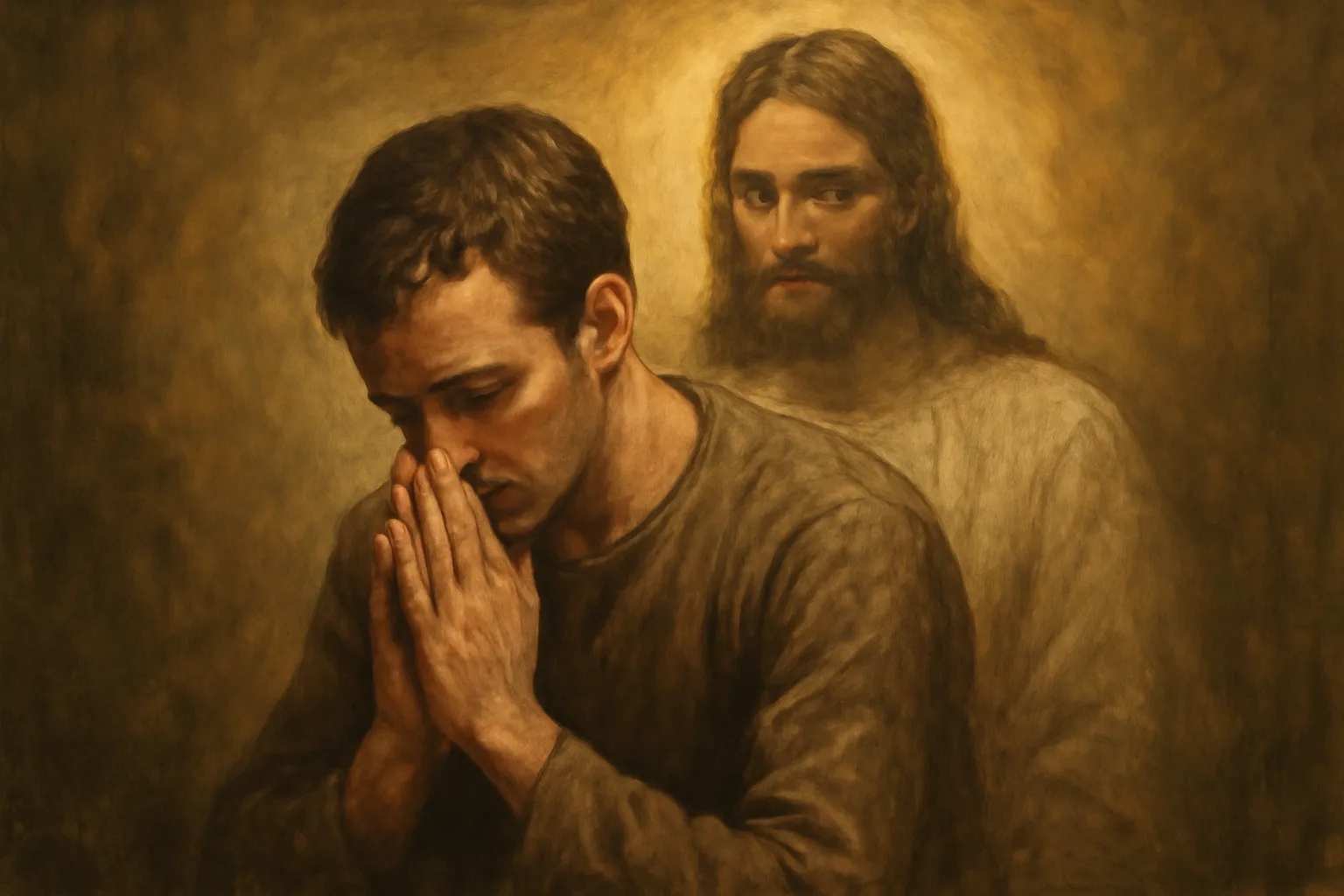
Isaiah Christmas Prophecy: An Overview of the Foretelling and Its Significance
The term Isaiah Christmas Prophecy is a popular shorthand used by Christians to describe certain passages in the book of Isaiah that are commonly understood to point toward the birth and nature of Jesus Christ. More precisely, many readers connect Isaiah 7:14 and related verses with the event of the Nativity, viewing them as an ancient preview of a divine intervention in human history. In this article we will explore the ideas behind Isaiah’s Messianic foretelling, examine the linguistic and historical questions that surround the prophecy, investigate how the New Testament author Matthew cites and applies these passages, and survey the broader theological implications. This discussion will use variations of the phrase Isaiah Christmas prophecy to reflect how scholars and readers describe the topic in different ways, including the Immanuel prophecy, the virgin birth theme, and the broader Messianic forecast.
Historical and literary context: Isaiah in his century
To understand the so‑called Isaiah Christmas prophecies, it helps to situate them in their original historical setting. The prophet Isaiah wrote during a period of political crisis in the 8th century BCE, when the kingdom of Judah confronted pressure from the expanding Assyrian empire and the twin kingdoms of Israel and Aram (Syria). In this context, Isaiah delivered messages that combined judgment with hope. A specific encounter described in Isaiah 7 involves King Ahaz of Judah and the looming threat from Israel and Syria. In this scene, the prophet offers a sign as a divine reassurance to the king and the people. In Christian reading, that sign is often linked to the coming of a child who will be a sign of deliverance, interpreted as a pointer to the Messiah. In the broader arc of the book, readers encounter richly layered themes: judgment, trust in God, restoration, and ultimately divine presence with God’s people.
Prophetic reassurance amid danger
Judgment and hope addressed to a remnant
Immanuel as a sign of God’s presence with his people
Interwoven prophecies that point toward a future king and a future peace
In subsequent centuries, readers and theologians have wrestled with how these passages should be interpreted. For some, the primary aim of Isaiah’s message is immediate political and spiritual deliverance for his own time. For others, especially in Christian tradition, these early words acquire a broader, redemptive shape that culminates in the life and birth of Jesus. This dual gaze—contemporary relevance and long-range fulfillment—helps explain why the Isaiah Christmas prophecy remains a focal point of biblical interpretation.
Key terms and textual notes: what Isaiah says about Immanuel
Central to the Isaiah Christmas discussion is the name Immanuel, a Hebrew term meaning «God with us.» The sign given in Isaiah 7:14 is often summarized as a child who will be conceived and named in a way that signals God’s presence among his people. Scholars point to several important linguistic and textual markers:
almah (Hebrew for a young woman of marriageable age) appears in Isaiah 7:14, a term that has sparked debate about whether virginity is explicitly intended in the original text.
The Septuagint (the ancient Greek translation of the Hebrew Bible) renders this word as parthenos, commonly translated as «virgin,» a reading that has shaped Christian interpretations since antiquity.
The term betulah is another Hebrew word for virgin, and some readings of the Isaiah passage favor clarity about virginity. Others argue that the context favors the broader sense of a young woman who will bear a child as a sign in a difficult time.
The name Immanuel itself appears in the prophecy as a sign that God will be with his people, a theme that resonates across the rest of Isaiah and into New Testament citations.
These textual elements lead to a spectrum of interpretations, from readings that foreground the immediate historical sign to those that emphasize the messianic forecasting of a future king who embodies divine presence.
Isaiah 7:14 and the sign of Immanuel: a closer look
Among the most scrutinized passages in the Isaiah Christmas tradition is Isaiah 7:14, which in many English Bibles reads as a promise of a child who will be born and named with the message that God is with us. The surrounding context describes a tense political moment: an alliance against Judah, a word of warning to Ahaz, and a divine sign offered to assure the people that their God presides over history.
Two common interpretive lines
Immediate fulfillment view: The child in Isaiah 7:14 is a real, historical child born in Ahaz’s time who would signal a temporary but real deliverance or judgment appropriate to that era. In this view, the sign demonstrates God’s active intervention within a specific crisis.
Prophetic foreshadowing view: The child Immanuel is a type or symbol that also points forward to a distant fulfillment—the birth of a child who embodies God’s presence in a fuller sense. This reading often aligns with New Testament claims about Jesus as Immanuel.
For readers who connect the Isaiah Christmas prophecy with Jesus’ birth, the double dimension of the sign—both its historical immediacy and its wider christological significance—offers a way to understand how ancient prophecy can carry multiple layers of meaning across time.
In many Christian traditions, the reading is strengthened by the subsequent narrative in Matthew, where the author explicitly links the Isaiah sign to the birth of Jesus, using it to argue that Jesus’ birth fulfills divine promises about God’s presence with his people.
Translations and interpretations: almah, betulah, and the virgin birth debate
The way Isaiah 7:14 is translated has a powerful impact on how the Christmas prophecy is understood. The Hebrew Bible has nuances that translators grapple with, and those choices propagate into Christian readings and Jewish scholarship alike.
Understanding almah
The word almah refers to a young woman of marrying age but does not necessarily assert virginity. This linguistic point is important because it informs debates about whether the verse predicts a virgin birth or a more general miraculous or sign-laden birth within the normal course of life. Some Jewish interpreters maintain that the sign was primarily about a historical event involving a young woman in the royal household at the time, whereas Christian interpreters emphasize the virgin birth aspect as compatible with the idea of a divine intervention in history.
The role of the Septuagint and later translations
The Septuagint, an early Greek translation of the Hebrew Bible, translates almah as parthenos, which is typically understood as «virgin.» This translational choice was influential in shaping early Christian readings of the verse, especially in the Gospel of Matthew, which quotes Isaiah 7:14 in a way that aligns with the virgin birth interpretation of Jesus’ nativity. The tension between the Hebrew text and the Greek translation highlights how prophetic interpretation often depends on linguistic decisions made long after the original composition.
Different scholarly emphases across traditions
Within Jewish scholarship, the emphasis often remains on the historical sign given to Ahaz and the immediate political message of trust in God rather than an anticipatory messianic claim. In Christian exegesis, Isaiah 7:14 is frequently seen as a typological prefigurement of the Virgin Birth of Jesus, with the Gospel of Matthew presenting it as a direct fulfillment in the infancy narrative. This divergence illustrates how sacred texts can be read in light of later theological developments while still retaining integrity within their original context.
For readers exploring the topic of the Isaiah Christmas prophecy, it is helpful to understand how interpretive frameworks—both Jewish and Christian—shape the meaning of the prophecy. The question of whether the prophecy primarily concerns a historical sign or a future, messianic event is a central hinge in the debate.
New Testament fulfillment: Matthew’s citation and its significance
In the Christian New Testament, the Gospel of Matthew explicitly connects the birth of Jesus to the prophecy in Isaiah. This connection is usually framed as a fulfillment of prophecy, demonstrating that what Isaiah spoke in the 8th century BCE has an ultimate messianic fulfillment in the person of Jesus Christ. The relevant passage in Matthew describes the birth of Jesus as happening in a way that fulfills the words spoken by Isaiah, namely that the child would be called Immanuel, “God with us.”
Matthew 1:22-23 presents the claim that Jesus’ birth fulfills Isaiah’s sign, reinforcing the idea of divine presence in human history.
The phrase “all this took place to fulfill what the Lord had spoken by the prophet” appears in Matthew, signaling a deliberate link between the Old Testament text and the New Testament narrative.
Matthew’s usage contributes to the broader Christological interpretation of Isaiah, wherein the prophecy is not merely about a historical event but about God’s ongoing redemptive work in Jesus.
Readers should note that New Testament quotation and interpretation are shaped by early Christian theology. While the genealogical and narrative details in the Gospel of Matthew are valuable for understanding early Christian thought, they also invite critical study about how scripture is read across different eras. The approach taken in the Gospel of Matthew reflects a belief in divine orchestration of history and a conviction that Jesus fulfills the divine promises embedded in the Hebrew Bible.
Broader themes: the Immanuel prophecy, the Christmas link, and the Messiah
Beyond the immediate verses, the Isaiah Christmas prophecy sits within a larger constellation of biblical themes. The name Immanuel recurs as a symbolic emblem of God’s presence among his people, spanning Isaiah’s prophecies and echoing into the Gospel narratives. The broader Messianic expectation in Isaiah includes other passages (such as Isaiah 9:6-7 and 11:1-5) that describe a ruler who will bring justice, peace, and righteousness. In Christian reading, these verses are often interpreted as layers of anticipation that converge in the birth of Jesus.
Divine presence with God’s people
A future king from David’s line who embodies righteous rule
The hope of peace and the removal of hostility among nations
The use of symbolic signs (like a child’s birth) to communicate profound theological truths
When readers engage with the Isaiah Christmas prophecy in light of these broader themes, they encounter a tapestry where historical crisis, theological ambition, and redemptive history interweave. The idea that a child’s birth can signify a fundamental shift in the moral and cosmic order is a powerful motif that has appealed to believers across generations. It prompts questions about how God engages with humanity and how divine promises shape the course of history.
Historical reception and theological implications
Over the centuries, the Isaiah Christmas prophecy has influenced art, liturgy, and devotional practice in both Christian and Jewish communities. In Christian worship, passages associated with Immanuel and the virgin birth have been set to music, read during Advent and Christmas seasons, and reflected upon in sermons and catechetical materials. Theological implications include the following:
Christology: Jesus is understood as the reveal of God’s presence among humanity.
Incarnation: The divine taking on human form is viewed through the lens of Isaiah’s sign and the Immanuel motif.
Prophetic authority: The Old Testament is seen as bearing witness to Jesus’ life and mission.
Intertestamental and patristic reception: Early church fathers and medieval theologians wrestled with how to harmonize Isaiah with gospel narratives.
From a Jewish scholarly perspective, the Isaiah text often remains a sign directed to a contemporary ruler and people, with the miracle or sign understood in historical terms rather than as a future messianic headline. This difference in emphasis illustrates how religious communities interpret sacred texts through distinct lenses of tradition, expectation, and belief about divine intervention in history.
For students of biblical studies, the Isaiah Christmas Prophecy invites careful exegesis: how does the original audience hear the sign? How does the language shape the sense in which God is with his people? And how does the passage function within the larger arc of Isaiah’s prophetic message? Answering these questions helps prevent anachronistic readings and encourages a nuanced appreciation for how ancient texts inform contemporary faith and scholarship.
Common questions and thoughtful responses
The discussion around the Isaiah Christmas prophecy raises several frequently asked questions. Here are concise answers that reflect scholarly considerations and devotional perspectives while maintaining sensitivity to diverse beliefs:
Is Isaiah 7:14 definitely about Jesus in all traditions?
No. Jewish interpreters typically understand the sign in Isaiah 7:14 as a sign for that historical moment involving Ahaz and the immediate geopolitical crisis. Christian interpreters often see a dual fulfillment that ultimately points to Jesus as Immanuel in a broader, messianic sense. The different readings derive from distinct hermeneutical approaches and theological goals.
Does the term almah imply virginity?
The term almah in Hebrew is generally understood as a young woman of marriageable age, not strictly a virgin. The translation choice in the Septuagint as parthenos introduced the virgin concept into the text, which influenced later Christian interpretation. This issue remains a central point in debates about the nature of the sign.
How does Matthew use Isaiah 7:14?
In Matthew, the quotation functions as a deliberate linking of Jesus’ birth to prophetic expectation, presenting Jesus as the fulfillment of Old Testament hope. This is not simply quotation; it is interpretive narrative that situates Jesus within the unfolding story of God’s people, sometimes highlighting the parallel between the sign given in Isaiah and the miraculous birth of Jesus.
What are the broader implications for faith and devotion?
For believers, the Isaiah Christmas prophecy invites trust in God’s presence during difficult times, an awareness that historical crisis can carry a larger redemptive purpose, and a sense that God’s promises continue to unfold across time. Readers may reflect on how divine presence is experienced in daily life, in communities, and in the ongoing work of reconciliation and justice that Christian teaching often calls followers to pursue.
Applications for study, worship, and personal faith
Whether approached as a historical sign, a prophetic foreshadowing, or a christological cornerstone, the Isaiah Christmas prophecy offers rich material for study, worship, and personal faith formation. Here are practical ways to engage with the material:
Study consistently: Read Isaiah 7, 8, and 9 with attention to context, linguistic choices, and the flow of argument within the book.
Compare translations: Look at the differences among the Hebrew text, the Septuagint, and modern English translations to see how wording shapes interpretation.
Examine New Testament usage: Explore how Matthew and other NT writers reference Isaiah, noting how early Christian authors understood prophecy and fulfillment.
Reflect devotionally: Consider the theme of Immanuel and the meaning of “God with us” for personal life, church community, and social action.
Engage in dialogue: Encourage conversations across faith traditions about how sacred texts inspire different, yet meaningful, understandings of prophecy and redemption.
In educational settings, instructors can present the Isaiah Christmas prophecy as a case study in biblical interpretation, showing how linguistic choices, historical context, and theological aims influence how a single passage can be read in multiple, compelling ways.
In prayerful practice, communities might use readings from Isaiah connected to Advent or Christmas themes, inviting worshippers to contemplate the mystery of God’s presence among humans, the hope for deliverance, and the call to live with justice and compassion in light of divine promises.
Concluding reflections: how the Isaiah Christmas prophecy informs faith and study
The discussion of Isaiah Christmas Prophecy reveals a delicate balance between history and interpretation. On one hand, the prophetic sign has a concrete historical veneer—the moment when Ahaz was urged to trust God in a time of imminent conflict. On the other hand, readers have long found in this text a profound symbol of divine presence, culminating in what Christians understand as the Incarnation in Jesus Christ. The term Immanuel anchors both strands: a name that names God’s nearness and a narrative that invites trust in God’s redemptive plan.
Because of the diverse ways in which this material has been understood, the Isaiah Christmas prophecy remains a living conversation among scholars, clergy, and lay readers. It invites ongoing study of the original languages, historical circumstances, and the evolving sense of God’s action in history. Whether one reads the passage primarily as a historical sign or as a doorway into a deeper Christological mystery, the core message remains influential: a God who speaks into crisis, a God who accompanies his people, and a promise of hope that transcends time.