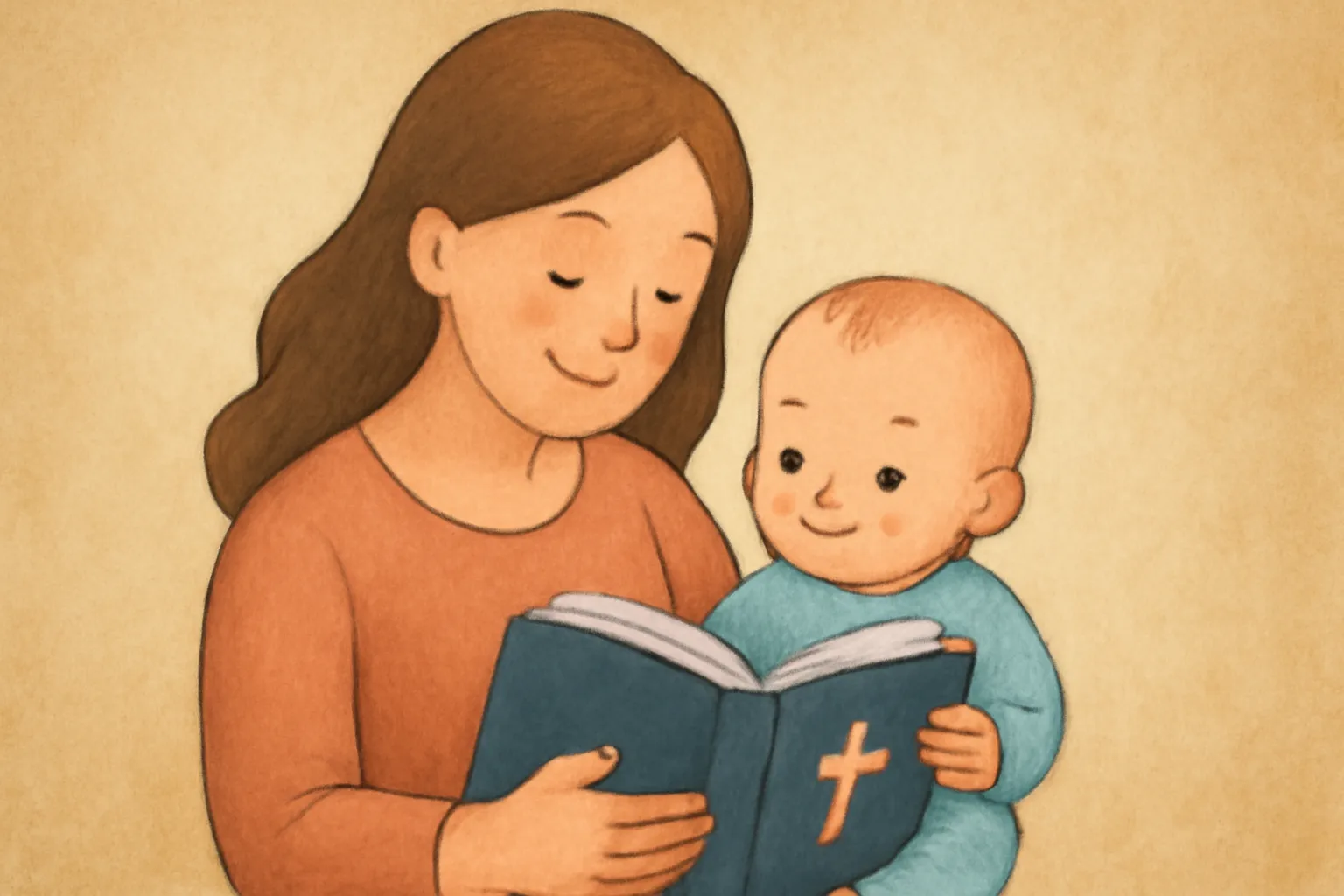
Infant Bible Stories are gentle introductions to sacred themes for babies and toddlers. This article offers a broad, informative guide to using small, soothing tales that nurture wonder, language development, and a sense of safety. You’ll find practical storytelling approaches, a range of infant-friendly formats, and ideas for extending stories with simple activities that align with early childhood needs.
Infant Bible stories are not about teaching complex doctrine in a single sitting. They are about opening doors to wonder, building a routine of listening, and creating a warm space where babies and toddlers feel cherished. The real value lies in the rhythms of storytelling, the repetition that supports memory, and the opportunities for caregivers to engage in gentle bonding moments. When told in soft language and paced for little listeners, these tales support language development, attention skills, and a sense of trust in a world that can feel big and overwhelming for tiny humans.
What makes these tales especially suitable for the youngest listeners
Short-length narratives that fit into nap-time routines or bedtime rituals.
Repetition of key phrases helps children anticipate and participate, boosting early language acquisition.
Gentle imagery and concrete sensory details (colors, textures, sounds) to anchor memory.
Non-threatening themes such as care, kindness, protection, and wonder at creation.
Flexible formats—read-aloud, lullaby-style recitation, or simple bathtime storytelling—that adapt to each child’s mood and routine.
Story formats and storytelling methods for babies and toddlers
Short passages with clear, calm language. Aim for 1–3 sentences per moment, allowing space for a reaction.
Soft tone and slow pace to help regulate a baby’s or toddler’s breathing and attention.
Repetition and predictable phrases that children can echo, such as “In the beginning…” or “And God saw that it was good.”
Sensory engagement through gentle gestures, plush or board-book visuals, and soft sounds or lullabies.
Ritualized routines—same story at the same time each day—so children anticipate and feel safe.
Classic tales reimagined for the youngest hearts
Creation and beginnings: a gentle invitation to wonder
In a calm storytelling approach, the Creation narrative can be simplified to focus on wonder, light, and life. A baby-friendly version might say: “In the very beginning, God made the sky, the land, and all the creatures. The sun is bright, the moon is soft, and the stars twinkle for you.” The goal is not to recount every verse, but to plant a sense of order, care, and beauty. For toddlers, you can invite them to point to colors (blue for the sky, green for the land) or to imitate the rhythm of day and night with gentle clapping or rocking. When done consistently, creation storytelling becomes a comforting anchor—a reminder that the world is cared for and full of life.
Noah’s Ark: a tiny tale of animal friends and a rainbow
The Noah story can be adapted with a focus on companionship, safety, and promise. A simple version might go: “God loves all the animals. Two by two they came, big and small. The rain clouds cried, but a rainbow showed a bright promise: we are never alone.” This keeps the imagery friendly and hopeful, with emphasis on color (rainbow), pairs of animals, and the theme of protection. For babies, you can use a soft toy ark with a few plush animals, letting the child touch and explore as you narrate the journey in measured, comforting tones.
Baby Moses: care and protection in a gentle river tale
To avoid frightening elements, present a softened version of the Moses story that centers on care, courage, and a mother’s love. A toddler-friendly retelling might read: “A baby is placed in a caring boat on a gentle river. People watch over him, and God protects him with quiet strength.” This framing keeps the core message of protection without distressing details, while inviting participation—babies can point to a boat or to water imagery, while toddlers can repeat phrases such as “care, protect, love.”
Jesus’ birth: a cradle of light, warmth, and welcome
The Nativity can be shared as a tender, cozy bedtime moment. A soothing version emphasizes the baby Jesus, a warm stable, animals, and shining stars. A child-friendly retelling might sound like: “In a quiet place, a baby was born. The animals stood nearby, lights glowed softly, and shepherds came to see the gentle child.” Include tactile elements—soft blanket textures, a tiny manger figurine, or a stuffed animal chorus—to stimulate touch and comfort. For older toddlers, you can add a simple line about kindness and welcoming others, reinforcing a warm community around a newborn.
Jesus among the children: a message of welcome and care
Stories where Jesus invites children to come, or where he shows kindness to people who are small or overlooked, translate well into infant storytelling. A short version might be: “Jesus loves the little children. He smiles, listens, and blesses them with peace.” This focus on gentleness, inclusivity, and safety helps establish a sense of belonging and trust for little listeners.
Calm waters and rescued hearts: Jesus calms the storm
Another calming tale is the storm on the sea, retold for small ears with emphasis on safety and trust: “A boat on a rough sea; the wind slows, the waves quiet, and everyone rests with the air of safety.” The takeaway is not fear but reassurance—that care and peace can come even when things feel unsettled. Use a slow, soft tempo and tender tones to mirror the relief at the end of the tale.
The Good Shepherd and the lost sheep: tenderness and guidance
In a gentle parable format, the Good Shepherd can become a picture of care for even a single child. A simple adaptation might say: “The shepherd loves every lamb. He looks, he calls softly, and when one is missing, he finds it with a warm hug.” This fosters empathy, attention to others, and a sense of being looked after in a big world.
Parables made simple: seeds, light, and mustard seeds for tiny minds
Classic parables can become sensory, short analogies. The Mustard Seed can be introduced as: “A tiny seed grows into a big plant, just like small acts of love grow big in the world.” The Sower story may be told as a garden scene: “Seeds fall on soft soil, and some grow because we water them with kindness.” These versions emphasize growth, care, and the idea that even small actions matter, without complex theology.
Infant-appropriate parables translate big ideas—compassion, humility, patience—into digestible moments. When presenting these tales, aim for short and repeatable phrases and keep the moral light. The goal is not to instruct with heavy doctrine but to cultivate a sense of moral orientation in a child-friendly way. This approach helps young listeners learn to notice others, to share, and to respond to care with trust and curiosity.
Practical storytelling tips for these stories
To make parables meaningful for infants and toddlers, consider the following methods:
Use a consistent bedtime cadence to anchor the message.
Incorporate visual prompts such as gentle puppets or soft toys to represent characters.
Invite brief participation cues like pointing to the sheep or tapping a drum for rain sounds.
Keep the moral explicit but brief: “Be kind. Be brave. Be gentle.”
Practical tips for parents and caregivers
Building a routine around infant Bible stories can be as simple as a few thoughtful steps. Below are practical guidelines to help you weave storytelling into daily life in a way that honors both faith and a child’s needs.
Keep sessions short and regular: aim for 5–10 minutes, once or twice daily, especially near bedtime or nap times.
Adapt to the child’s mood: if a child is fussy, switch to a soothing lullaby version or a very short excerpt and pause for cuddles.
Include sensory elements: soft fabrics, gentle sounds, and safe infant-safe toys can deepen engagement.
Use a calm voice and slow pace: your tempo models a comforting rhythm that helps regulate breathing and attention.
Repeat and revisit: repeating the same simple story over several days helps memory and comfort.
Balance stories with silence: give moments of quiet after a story to let the content settle and encourage self-soothing.
Incorporate prayer or blessings in a non-coercive, gentle way if that aligns with your family’s practice.
Enhancing the experience with simple activities
Story boxes with a small ark, a baby figurine, or a set of animal toys. Let children explore the pieces gently while you narrate.
Soft board books with tactile elements—fur, felt, or crinkle paper—to engage touch and curiosity.
Family songs or lullabies that echo themes from the story, reinforcing memory through music.
Gentle movement: rocking, swaying, or swaddling during the story to reinforce a sense of safety.
Simple art activities—finger painting with blue and green to evoke sky and land, or painting with water on a chalkboard to illustrate rain and rainbows.
Prayerful touchpoints—placing a hand on the child’s chest or heart while repeating a simple blessing or blessing words such as “God’s love surrounds you.”
Incorporating diversity and breadth
While many infant Bible stories come from a particular tradition, you can thoughtfully introduce a range of perspectives and settings that reflect broader human experiences of awe, care, and gratitude. When presenting these tales, keep the language inclusive, friendly, and focused on universal themes like love, safety, and wonder. You can also use gentle, non-verbal cues and simple words in different languages, if your family reflects a multilingual environment. The aim is to foster a sense of belonging and curiosity, not to overwhelm a child with complexity.
Safety considerations and spiritual nourishment
Infant Bible storytelling should be age-appropriate and emotionally safe. The following considerations can help ensure that these tales are nourishing and not distressing for little ones.
Avoid frightening details or imagery that might cause undue fear; keep stories focused on comfort, care, and hope.
Monitor cues: if a child shows signs of distress, pause, hold, rock, or switch to a soothing activity.
Honor family beliefs: adapt stories to your own faith tradition and comfort level, keeping core messages gentle and affirming.
Pair stories with everyday acts of kindness—sharing toys, helping a friend, or saying kind words—to reinforce moral themes in practical terms.
Source thoughtfully: choose age-appropriate books and materials that reflect gentle storytelling and safe representations of people and animals.
Building a lifelong habit of gentle faith storytelling
Introducing infants to Bible-inspired tales lays the groundwork for a lifelong relationship with stories, faith, and moral reflection. The most enduring impact comes not from the exact content of a single tale but from the cadence of routine, the warmth of a caregiver’s voice, and the sense that the world is a place of care and wonder. By prioritizing gentle storytelling, biologically appropriate pacing, and emotionally safe content, you create a loving environment in which young children can grow in language, empathy, and spiritual curiosity.
Putting it all into practice: a sample weekly plan
To help you implement these ideas, here is a simple, flexible plan you can adapt to your home:
Day 1: Creation-inspired mini-story, simple sensory activity (blue fabric for sky, green cloth for land), short lullaby cue.
Day 2: Noah’s Ark vignette, paired with animal noises from gentle toys, and a rainbow color exercise.
Day 3: Baby Moses–style tale focusing on protection and family care, with a soft boat toy.
Day 4: Jesus’ birth story with a dimmed light and a soft star or lantern prop, finishing with a calm blessing.
Day 5: The Good Shepherd and the Lost Sheep—emphasize listening and gentle search.
Day 6: Parable of the Mustard Seed—tiny voice, big growth metaphor through a simple plant diagram or toy.
Day 7: Optional day for a repeat favorite or a singing session with a comforting lullaby that repeats a single line from the week’s stories.
Resources and formats to consider
Different families find different formats work best. Consider pairing the following resources with your infant Bible storytelling practice:
Board books with large illustrations and minimal text.
Soft plush toys that represent animals and biblical characters for tactile storytelling.
Storytime music playlists featuring gentle lullabies or hymn-inspired melodies.
Simple puppets for interactive storytelling without overstimulation.
Picture cards with color-coded cues to help you switch between different stories smoothly.
Common questions about infant Bible storytelling
Here are answers to some frequent questions caregivers ask when starting with infant-friendly biblical tales.
How long should I tell a story? For babies, 5–7 minutes can be plenty, while toddlers may enjoy up to 10 minutes if their attention holds. Always prioritize the child’s mood and attention span.
Should I read from a book or tell from memory? A combination often works best. Read a short passage from a board book, then paraphrase in your own words with a softer tone and personal touches.
How do I handle questions or confusion from a child? Answer with age-appropriate explanations or simply acknowledge the curiosity: “That’s a good question. We can talk about it more later.”
What if a story is not part of my tradition? Adapt content to reflect familiar themes such as love, care, and wonder without pressuring doctrinal elements. The goal is gentle exposure and joy, not debate.
cultivating a lifelong practice of gentle, meaningful storytelling
Infant Bible stories, when shared with care and intention, become more than a bedtime ritual—they become a source of comfort, connection, and early spiritual nourishment. By focusing on gentle language, short sessions, and interactive, sensory elements, caregivers can create a steady rhythm of storytelling that supports language development, social-emotional growth, and a sense of safety in a world that can feel large and complex for the very young. The breadth of tales—from the calm creation scene to the tender nativity moment, from the good shepherd’s compassion to the small acts of kindness in parables—offers a rich tapestry for little listeners. As you explore these stories, remember that the strongest thread is the loving presence of the caregiver who sits with the child, speaks gently, and invites them into a lifelong habit of listening, imagining, and growing in wonder.