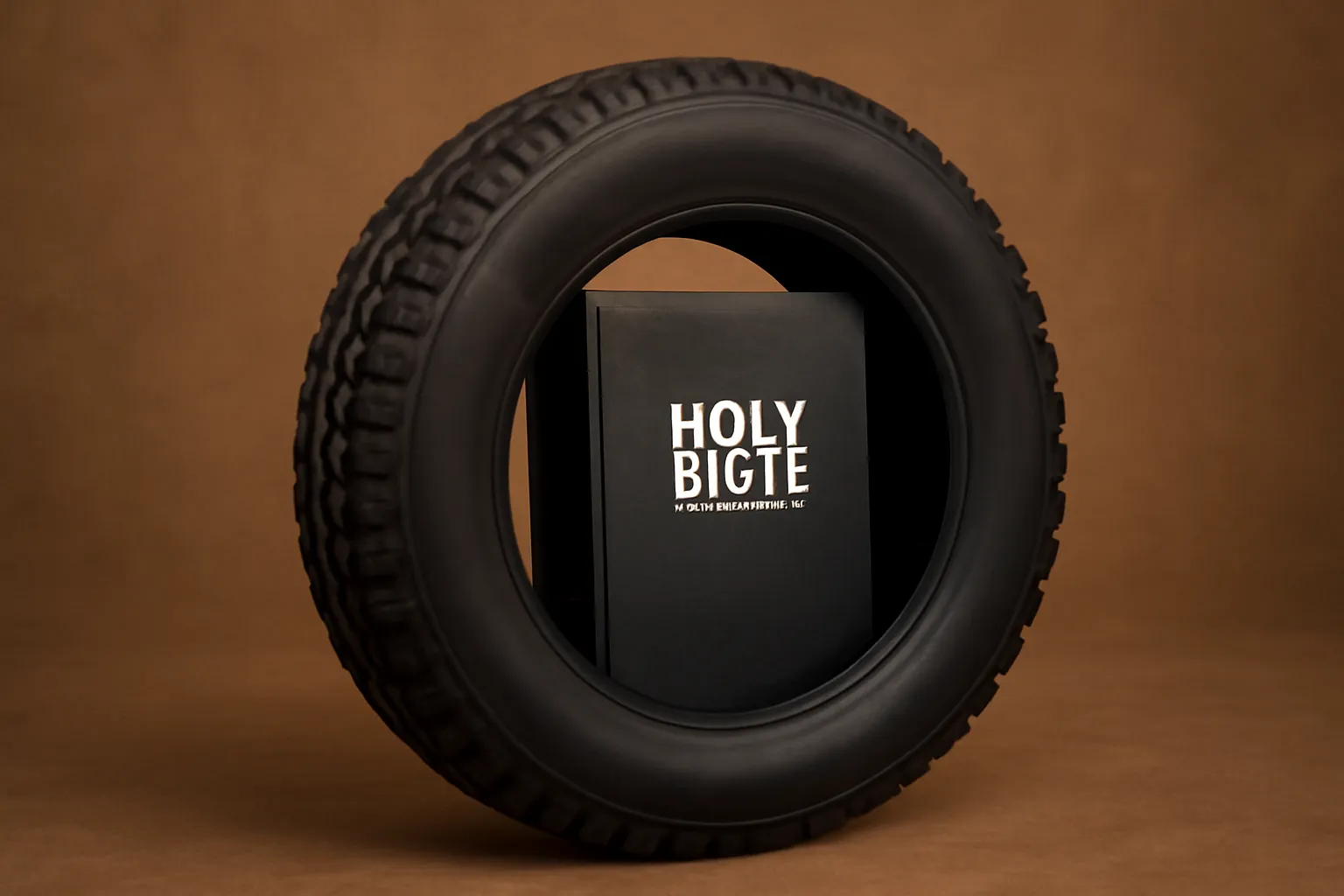
Bible Tyre: The Ultimate Guide to Durable, Faith-Inspired Tires
In a world where safety, reliability, and ethical manufacture matter as much as performance, a new concept has emerged at the intersection of faith-inspired living and automotive technology: bible tyre — sometimes described as biblical tires, scripture-inspired tires, or faith-based tires. This guide offers a comprehensive look at what a u201cbible tyreu201d could mean for drivers who want not only to travel far but to travel with meaning. While the term may be new to some readers, the underlying ideas are timeless: durability, stewardship, and a spirit of perseverance on long journeys.
The purpose of this article is not to promote a specific brand, but to provide a practical framework for understanding how tire durability, safety, and ethical considerations can be informed by faith-inspired values. You will discover how durable tires are engineered, how design and materials intersect with performance, and how a faith-centric approach can shape choices around maintenance, sustainability, and community impact.
What is a Bible Tyre? Concept, Values, and Semantics
A bible tyre is best understood as a tire product or a tire-making philosophy that foregrounds durability, ethical sourcing, and spiritual symbolism in its design, manufacturing, and consumer experience. The term does not denote a single technical specification; rather, it signals a blend of three pillars:
Durability and performance: tires built to endure harsh weather, heavy loads, and diverse road conditions while preserving grip and stability.
Faith-inspired values: attention to honesty in labeling, fair labor practices, sustainable production, and a focus on road safety as a moral imperative.
Symbolic design: tread patterns, color accents, and branding that evoke helpful stories, motifs, and virtues found in sacred texts—without compromising on modern engineering.
In practice, this approach translates into materials choices, engineering tactics, and consumer education that together help drivers align their vehicles with the kind of integrity they value in life and faith. The idea extends beyond mere messaging: it can influence a tire’s lifecycle, from raw materials to end-of-life recycling, and it invites consumers to consider how their transportation habits reflect their beliefs.
For readers who are new to the topic, think of bible tyres as a bridge between practical engineering and ethical, faith-informed living. The aim is reliability on the road and consistency in conduct off the road, a combination that resonates with many spiritual traditions and modern consumer expectations alike.
Durability and Safety: The Core of Bible Tyre Design
When a tire is described as durable, the claim rests on a combination of materials science, engineering, and testing. In the context of a faith-inspired tire philosophy, durability takes on additional significance: a tire that lasts longer reduces waste, lowers cost per mile for the driver, and aligns with stewardship principles. The following sections break down the key components that contribute to tire longevity and safety.
Materials and Construction
The backbone of any durable tire is its construction. Modern performance tires rely on multiple layers that work together to resist punctures, deform under heat, and maintain structural integrity at speed. Core aspects include:
Tread compound: a blend of natural and synthetic rubbers with fillers like silica to improve wear resistance and grip in wet conditions.
Steel belts and polyester plies: these form a rigid, predictable structure that resists deformation under load and maintains shape at high speeds.
Sidewall reinforcement: reinforced materials that reduce the risk of sidewall bulges and cuts from curbs or road debris.
Temperature resistance: compounds engineered to dissipate heat, reducing the chance of heat-related wear and tread separation.
Ethical considerations also enter the material conversation. Responsible sourcing of materials, sustainable production methods, and transparent supply chains are often highlighted under the umbrella of faithful stewardship. In practice, this means brands that prioritize humane labor practices, lower environmental footprints, and clear reporting on where and how components are manufactured.
Design Principles for Longevity
Durability is not only about raw materials but also about how a tire is designed to wear evenly, preserve traction, and resist damage. Some pillars of durable design include:
Even wear patterns achieved through optimized tread geometry and robust belt packages.
Reinforced tread blocks to withstand repeated flexing and reduce chunking in aggressive driving conditions.
Balanced noise reduction techniques that minimize cabin vibration without sacrificing braking or grip.
Predictable aging characteristics so drivers can anticipate when replacement is prudent, extending safety margins.
In a faith-inspired framework, durability also expresses a moral choice: a tire that lasts longer reduces the frequency of replacements, thereby conserving resources and reducing waste. This perspective can guide consumer decisions toward higher-quality tires that deliver more miles per dollar and lower environmental impact over the lifecycle.
Safety and Performance Metrics
To evaluate durability in a meaningful way, drivers should study objective performance metrics. Key indicators include:
Treadwear grade and expected mileage life.
Wet and dry grip ratings for safe acceleration, braking, and cornering.
Rolling resistance and fuel efficiency implications.
Puncture resistance and impact resistance against road hazards.
Manufacturers often publish standardized test results and warranty terms. A tire that combines high durability with transparent labeling and meaningful warranties can help consumers make informed, confidence-building decisions aligned with their values.
Faith-Inspired Design: Tread Patterns, Motifs, and Symbolic Thinking
Beyond technical specifications, a bible tyre concept invites designers to consider how symbolism and story can inform aesthetics and function. Tread patterns and branding may reflect narratives or virtues that resonate with believers and curious drivers alike. This section explores how symbolism can intersect with engineering without compromising performance.
Symbolic Motifs in Tread Design
Examples of how symbolism might be integrated responsibly include:
Path-like grooves that visually suggest a journey, a reminder to stay on the right road and practice safe driving.
Arched motifs that evoke rainbows or arches from sacred stories, serving as a quiet encouragement toward hope and resilience.
Directional siping that enhances traction in rain or snow, while also symbolizing steadfastness in the face of adversity.
It is important to ensure that symbolic elements do not compromise performance. When design choices sacrifice grip, durability, or safety, the product fails its primary function. The best practice is to integrate symbolic elements in a way that complements, rather than diminishes, engineering integrity.
Faith-inspired tires can extend their impact through ethical messaging and community engagement. Brands with a values-driven approach may publish environmental impact data, support road-safety education programs, or participate in community tire-recycling efforts. For drivers, this can translate into a sense of purpose when purchasing and using tires, reinforcing the idea that safety and stewardship go hand in hand.
Materials, Technology, and Innovation in Bible Tyres
The modern tire industry blends chemistry, mechanical engineering, and data-driven testing. A bible tyre framework emphasizes not only the latest breakthroughs but also responsible innovation—balancing performance with sustainability and ethical practice.
Advanced Compounds and Fillers
Advances in materials science have introduced compounds designed to optimize grip, wear life, and fuel efficiency. Notable approaches include:
Silica-enhanced compounds that improve wet grip without increasing rolling resistance.
Graphene additives and other nano-fillers that can strengthen the tread matrix and distribute stresses more evenly.
Hybrid formulations that adapt to temperature fluctuations, providing stable performance in both hot and cold climates.
Durability is also about structure. Modern tires incorporate multiple plies, steel belts, and robust sidewalls to resist punctures, flex, and heat. In a faith-informed context, these choices reflect careful stewardship: designing for longevity reduces waste and the energy required to produce replacements.
Sustainability in Production
Ethical and sustainable production is a recurring theme in bible tyre thinking. Practices may include:
Waste reduction and recycling of manufacturing scraps.
Low-emission curing processes and energy efficiency in plants.
Transparent supply chains that verify labor standards and environmental compliance.
These elements are not purely marketing ploys; they reflect a holistic approach to product development that respects both people and the planet, aligning with the broader mission of many faith-based communities to steward creation responsibly.
Ethical, Social, and Environmental Aspects
From materials procurement to end-of-life management, a bible tyre framework places ethics at the center of decision-making. Consumers increasingly expect tire brands to be accountable for the social and environmental footprints of their products.
Responsible brands prioritize fair wages, safe working conditions, and the right to unionize where applicable. A faith-informed perspective often emphasizes dignity and protection for all workers in the supply chain.
Environmental Stewardship
Reducing environmental impact can take multiple forms, including:
Using sustainable materials where feasible and investing in recycled-content components.
Lowering rolling resistance to improve fuel economy and reduce greenhouse gas emissions.
Facilitating tire recycling programs to keep used tires out of landfills.
Community Investment
Brands aligned with a faith-based ethos may engage in community outreach, road-safety education, and partnerships with charitable organizations. These activities reflect the belief that safety on the road extends beyond individual drivers to families and communities at large.
Performance Metrics: How to Evaluate Bible Tyres Honestly
A rigorous evaluation of tires involves standardized tests and careful interpretation of data. For those drawn to the bible tyre concept, the aim is to find products that deliver dependable performance while upholding the values described above.
Key Metrics to Consider
Treadwear rating and projected mileage life.
Wet and dry braking performance and cornering grip.
Hydroplaning resistance and aquaplaning safety.
Rolling resistance and fuel efficiency.
Noise levels for cabin comfort.
Puncture resistance and resistance to cuts and impact damage.
Consumers should review independent testing results from recognized organizations, compare warranties, and read user reviews that reflect long-term reliability. A tire that demonstrates consistent performance under varied conditions tends to be the most trustworthy choice for a faith-based lifestyle that prioritizes safety and stewardship.
Warranty and Support
Durable tires are often accompanied by comprehensive warranties that cover a range of issues, including treadwear, manufacturing defects, and road hazards. A transparent warranty policy demonstrates a brand’s confidence in its product and its commitment to customer support—an important factor for families and communities that value accountability.
Care, Maintenance, and Longevity of Bible Tyres
Proper care extends tire life, preserves performance, and ensures safety. The following practices align well with the ethos of careful stewardship and personal responsibility.
Inspection and Inflation
Regular inspections for cracks, bulges, or embedded objects.
Maintaining proper tire pressure as specified by the vehicle manufacturer, which optimizes wear patterns and fuel efficiency.
Checking tread depth and replacing tires before wear indicators become a hazard.
Rotation, Alignment, and Balancing
Routine maintenance, such as tire rotation, alignment, and balancing, helps ensure even wear, better handling, and extended life. Following the maintenance schedule is a practical expression of responsibility and care for others who share the road.
Storage and Seasonal Care
When tires are not in use, proper storage protects rubber from cracking and drying out. Store tires in a cool, dry place away from direct sunlight and sources of ozone or heat. Seasonal vehicles should adapt tire choices to climate, with appropriate substitutions when weather conditions demand special performance, such as winter tires for snow and ice.
Practical Guidance for Buyers: Choosing Bible Tyres for Your Vehicle
For drivers who want a durable, faith-aligned tire, practical steps can help navigate a crowded market. This buying guide offers a structured approach to selecting tires that meet both performance and ethical expectations.
Step-by-Step Selection
Define your driving context: city commuting, highway cruising, off-road, or high-performance driving all demand different tire characteristics.
Set your durability and safety priorities: treadwear life, wet performance, and resistance to damage.
Review sustainability and ethics: supplier transparency, labor practices, and environmental impact.
Compare warranties and service options: coverage terms and customer support credibility.
Consider symbolism without compromising performance: choose brands that offer meaningful branding while maintaining rigorous safety standards.
Tips for Different Budgets
Budget-conscious shoppers: look for treadwear guarantees and field-proven durability; prioritize common sizes and widely tested models.
Mid-range buyers: emphasize all-season reliability, fuel efficiency, and secure warranties.
Regardless of budget, the best choice remains tires that keep families safer on the road, align with personal and communal values, and deliver dependable performance across seasons and road conditions.
Myths, Facts, and Common Questions About Bible Tyres
Myth: A Bible Tyre Always Means a Brand with Religious Messaging
Reality: The term bible tyre emphasizes values and stewardship rather than preaching. A tire can be durable and ethical without overt religious branding, and conversely, a tire with visible faith-themed symbolism should still prove itself through performance and safety.
Fact: Durability Does Not Equal Heavier Weight
Durable tires may use stronger materials, but engineers balance weight to optimize efficiency. The goal is to maximize miles per unit of energy used while preserving grip and safety.
Myth: Symbolic Elements Always Compromise Performance
Fact: When designed thoughtfully, symbolic motifs can coexist with high-performance tread patterns. The key is maintaining rigorous testing and not sacrificing grip, wear resistance, or safety margins for aesthetics.
Fact: Warranties Reflect Confidence
A solid warranty is a practical indicator of a tire’s durability and the manufacturer’s commitment to service. Look for warranties with mileage-based guarantees, road hazard coverage, and reasonable replacement policies.
Case Studies and Real-World Reflections
While the concept of a bible tyre may be conceptual for some readers, several real-world brands adopt values-driven strategies that align with the spirit described here. Consider these illustrative examples without endorsing any specific product:
Companies that publish transparent supply chains and environmental impact data, enabling conscientious choices that honor stewardship principles.
Brand partnerships with community programs—such as road-safety education, tire recycling drives, and charitable initiatives—that expand the reach of safe driving beyond individual customers.
Manufacturers that emphasize long-term warranties and durable construction as core selling points, signaling a focus on reliability and lifecycle thinking.
Readers are encouraged to evaluate tires through a holistic lens: performance, safety, ethics, and community impact all matter when seeking durable, faith-aligned tires for everyday driving and meaningful journeys.
Embracing Faith, Responsibility, and Longevity on the Road
The concept of a bible tyre invites drivers to consider what their tires say about their values as they travel through life. It is not simply about reaching destinations; it is about how those journeys are undertaken. By focusing on durability, safety, sustainability, and ethical responsibility, a tire choice becomes part of a broader lifestyle that honors stewardship, integrity, and care for others.
Whether you are a driver seeking the most rugged performance, a family emphasizing safety and reliability, or a faith-informed consumer aiming to support responsible industry practices, the ultimate guide to durable, faith-inspired tires centers on discernment, informed testing, and a commitment to communities and creation. The road ahead is long, and with tires designed for endurance and purpose, every mile can be a step toward a safer, more generous world.