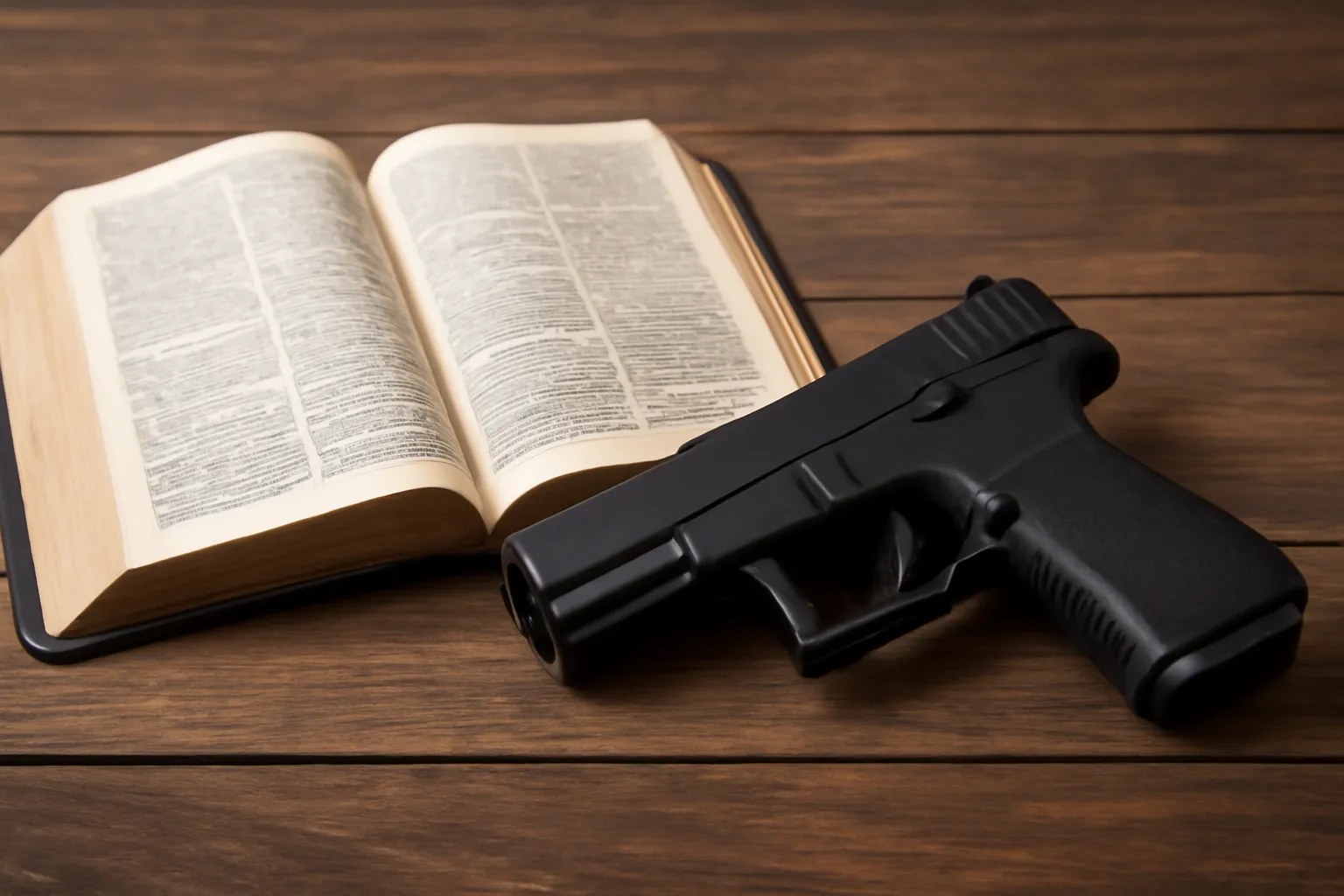
Bible About Self Defense: A Faith-Based Guide to Personal Safety
This article offers a faith-informed exploration of self-defense in a biblical context. It does not promote violence for its own sake, but rather seeks to illuminate how Scripture and Christian teaching guide believers in protecting life, pursuing peace, and practicing wise discernment when danger arises. By examining key passages, principles, and practical steps, we can understand how the Bible—a book often associated with mercy and compassion—also speaks to the reality of harm in the world and the responsibility to respond with courage, restraint, and care for all involved.
Foundational Biblical Principles for Personal Safety
At the heart of biblical guidance on self defense is a balance between the sanctity of life, the command to love one’s neighbor, and the call to wisdom. Scripture repeatedly emphasizes that life is precious and that we should protect the vulnerable, pursue justice, and respond to danger with discernment.
Life preservation: God sustains life and calls His people to safeguard it, including their own lives and the lives of others who are at risk.
Love of neighbor: The command to love one another implies a compassionate, non-cruel response to threats, as well as a responsibility to intervene if someone is in danger.
Wisdom and prudence: The Bible commends prudent planning, awareness, and restraint, recognizing that impulsive action can cause unforeseen harm.
Peaceful resolution when possible: Scripture often invites believers to seek peace, de-escalate, and pursue reconciliation before escalating conflict.
In this discussion, self defense is framed as a last resort—a measured decision made with discernment, caring for all parties involved, and in submission to God’s authority and to the law of the land. The aim is not to promote aggression but to protect life, dignity, and the possibility of healing after an incident.
What Scripture Says About Self-Defense: Core Passages and Their Meanings
The Bible speaks to self-defense through a tapestry of passages—narratives, law codes, wisdom literature, and the teachings of Jesus. Below are some key themes and representative verses that Christians often study to guide their approach to personal safety.
Preparedness and prudence: reading the call to readiness
Biblical scenarios sometimes acknowledge the reality that danger exists and that preparation can be wise. For example, the Gospel narrative records Jesus’ instruction to His disciples that underscores the value of readiness in a dangerous world. While interpreted in various ways, this passage invites believers to consider how to live with reasonable preparation while maintaining trust in God.
“He said to them, ‘But now, let the one who has a purse take it, and likewise a bag. And he who has no sword, let him sell his cloak and buy one.’ For I tell you that this Scripture must be fulfilled in me: ‘And he was numbered with the transgressors.’” (Luke 22:36-37).
This passage is widely debated in churches because it raises questions about preparation versus violence. It is often understood in its context as a call to be aware of dangers and to prepare for difficult times, not as a blanket endorsement of aggression. Early followers who discussed these verses wrestled with how to balance readiness and Christ’s call to non-retaliation.
Nonviolence, justice, and restraint: living beyond vengeance
A strong biblical pattern emphasizes overcoming evil with good, pursuing justice without becoming the aggressor, and leaving room for God’s judgment rather than taking revenge. These themes appear most clearly in Paul’s letters, where Christians are urged to respond to harm with mercy and to trust God for justice.
“Repay no one evil for evil, but give thought to do what is honorable in the sight of all. If possible, so far as it depends on you, live peaceably with all. Beloved, never avenge yourselves, but leave it to the wrath of God.” (Romans 12:17-19)
The instruction to “overcome evil with good” (Romans 12:21) anchors a Christian approach to conflict that prioritizes de-escalation, restraint, and the protection of life. It does not categorically prohibit all force in every circumstance; instead, it calls believers to evaluate actions through the lens of love, justice, and the possibility of restoring relationships.
Defending the vulnerable and local communities
Biblical ethics often foreground the defense of the vulnerable and the community’s safety. The image of a community protecting its own—dealing with danger while safeguarding the weak—appears in prophetic and wisdom literature and in historical narratives.
“Discretion will guard you; understanding will watch over you.” (Proverbs 2:11)
The proverb highlights another dimension of self-defense: the inner guardrails of wisdom, discipline, and discernment that help a person assess risk, avoid rash actions, and choose the best possible course of action in dangerous situations.
Defensive resilience in struggle: guarding life without despising the offender
The Psalms and other poetic books celebrate God as a shield and protector while also teaching about righteous conduct toward others. The prayerful mindset includes seeking safety and justice and turning to God for strength to endure hardship, often with humility and mercy toward others—even those who threaten us.
“Blessed be the Lord, my rock, who trains my hands for war, and my fingers for battle.” (Psalm 144:1)
This verse is sometimes cited to emphasize that God equips people for the difficult tasks of life, including dangerous contexts. The broad interpretation is that God provides courage, skill, and protection for a righteous end—never as a license for unchecked aggression.
Defending the weak in emergency settings: civil protection and communal life
In the Old Testament, there are accounts of communities defending themselves and opposing violence that threatens the vulnerable, often in ways that balance courage with restraint. The broader biblical ethic supports the idea that safeguarding life is a moral priority, especially within a community that values justice and mercy.
Practical, Faith-Based Safety Practices
Beyond verses and principles, how can a person translate biblical guidance into practical safety steps? The following suggestions aim to align everyday safety planning with a Christian worldview that honors God, life, and neighbor.
Situational awareness: cultivate alertness to one’s surroundings, especially in potentially risky places. This includes recognizing exits, avoiding risky routes, and knowing when and how to leave a situation safely.
De-escalation skills: practice calm communication, clear boundaries, and non-threatening body language to reduce the likelihood of violence escalating.
Boundary setting: learn to assert healthy limits and to seek help when boundaries are crossed, always prioritizing retreat if possible.
Personal boundaries and retreat: in dangerous moments, prioritize escape over confrontation; remove yourself from danger and contact authorities or trusted allies.
Nonviolent self-protection training: consider courses that emphasize escape techniques, awareness, and control, with an emphasis on minimal force and rapid disengagement.
Legal and ethical literacy: know the local laws on self-defense and the permissible level of force, and seek counsel or guidance from church leaders or mentors when in doubt.
Community protection: partner with trusted neighbors, security teams, or church safety ministries that emphasize care, accountability, and care for all involved.
In practice, many believers view self-defense as a compassionate act when life is at risk, not as a desire to harm for its own sake. The aim is to protect, to de-escalate, and to preserve the possibility of restoration and safety for everyone involved.
The Role of Prayer, Faith, and Community in Personal Safety
Spiritual disciplines—prayer, scripture study, and communal support—shape how a Christian approaches dangerous situations. Prayer can provide courage and clarity, while Scripture guides choices toward justice, mercy, and peace. A safety plan that includes faith-based reflection helps believers align their actions with God’s character.
Prayer for discernment: asking God to reveal the best course of action in a dangerous moment.
Scripture meditation: memorizing verses about wisdom, courage, and mercy to guide response under pressure.
Pastoral counsel: seeking guidance from church leaders or mentors who can offer practical safety advice within a biblical framework.
Community accountability: involving trusted friends or a safety team to support decision-making and to provide help when needed.
The christian tradition often emphasizes that peaceful resolution and the protection of life extend beyond individual action and into the responsibilities we share to care for neighbors and to seek justice. In this sense, self-defense is not just a private matter but a communal one: how we respond to threats reflects our broader values of mercy, humility, and love.
Addressing Common Questions: A Bible-Driven Perspective
Is self-defense biblically permissible? Most Christian traditions affirm that protecting one’s life and the lives of others is honorable when done with restraint, proportionality, and a motive rooted in love for neighbor.
When is lethal force permissible? The Bible does not provide a single universal rule for every situation. Instead, it emphasizes protecting life, avoiding unnecessary harm, and seeking justice. Legal standards in a given country or region often shape how we interpret “proportional force.” Christians are urged to consider the value of life, the potential consequences of violence, and the possibility of retreat or escape whenever feasible.
What about pacifism versus self-defense? Some Christians adopt a pacifist stance, choosing nonviolence as a primary method of response. Others hold that, in a fallen world, defensive action may be necessary to preserve life and dignity. The common ground across traditions is a commitment to mercy, ethical restraint, and consideration of how actions affect the most vulnerable.
How can Scripture guide practical training? Faith communities can encourage training that emphasizes awareness, de-escalation, and escape, while discouraging glorification of violence or the idolization of weapons. Training can be framed as stewardship of life and responsibility to protect others.
When addressing questions about self-defense, it can be helpful to consult trusted spiritual mentors, local laws, and reliable safety resources. A biblically informed approach seeks wisdom, compassion, and justice, inviting believers to protect life while honoring God who is a God of peace.
Integrating Faith and Safety: A Step-by-Step Faith-Based Plan
Assess risk and prepare: Proactively identify high-risk scenarios (e.g., walking alone at night, unsafe housing, or volatile environments) and create a practical safety plan that prioritizes avoidance and escape when possible.
Develop de-escalation habits: Learn and practice calm speaking, clear boundaries, and non-threatening posture. Role-play scenarios with trusted friends or mentors to build confidence without escalating tension.
Establish a retreat plan: Always have a safe exit strategy. Know nearby safe locations (homes of trusted friends, public spaces, or organizations) and how to reach them quickly.
Equip responsibly: If you choose to carry a personal safety item, ensure it is legal in your jurisdiction, and use it only as a last resort to preserve life. Receive proper training and understand the legal implications of its use.
Practice safe routines: Maintain good personal safety habits—travel with companions when feasible, share your location with a trusted contact, and stay connected to your community for support.
Pray for discernment: Regularly seek God’s guidance in situations that could lead to conflict, and cultivate a heart that seeks peace and restoration for all involved.
A comprehensive faith-based plan for personal safety emphasizes both readiness and restraint. It blends practical skills with spiritual formation, so believers can act courageously when necessary while upholding mercy, justice, and love.
Examples and Scenarios: How a Faithful Approach Plays Out
Consider a few illustrative moments where biblical principles guide decision-making in safe and responsible ways:
Scenario: A street confrontation — A person uses calm words to disengage, steps away to a safer location, and signals for help, while keeping the safety of others in view. If danger persists, they retreat and contact authorities, guided by Romans 12:17-21 to avoid evil and pursue peace.
Scenario: A crisis at home — A family member is distressed; one partner sets firm but non-threatening boundaries, calls for help, and ensures the safety of children, always prioritizing de-escalation and escape when possible.
Scenario: A public setting — A bystander recognizes a potential threat and alerts security; they stay with others to keep the environment calm and safe, embodying the call to protect and serve the neighbor with grace and discernment.
In each scenario, the aim is to protect life, avoid unnecessary harm, and support those in danger—while leaving room for God to work through peaceful outcomes and restorative justice.
Common Myths and Realities About Bible-Based Self-Defense
It is helpful to distinguish myths from biblical realities when exploring self-defense:
Myth: The Bible forbids all forms of force. Reality: Scripture consistently upholds the sanctity of life and encourages restraint and mercy, while recognizing that danger may require measured responses to protect life and uphold justice.
Myth: Christians must be passive in all danger. Reality: The biblical tradition values courage, wisdom, and action when necessary to defend the vulnerable and to prevent greater harm, but it also emphasizes nonviolence and reconciliation when possible.
Myth: Self-defense is always the same as vigilante violence. Reality: Biblical self-defense is oriented toward protecting life and restoring order, not personal vengeance or cruelty.
The Bible about self defense, or any variation of “Scripture on self-protection,” invites believers to approach danger with courage, wisdom, and humility. A faith-based guide to personal safety does not reduce life to tactics alone; it grounds actions in love for God and neighbor, in a robust sense of justice, and in the hope of peace. By examining key biblical principles, reflecting on challenging passages such as Luke 22, Romans 12, and Psalm 144, and applying practical safety measures with care, Christians can honor God while protecting themselves and their communities.
In this light, the journey from biblical teaching to real-world practice is one of ongoing discernment. Believers are called to equip themselves with wisdom and discernment, to pursue de-escalation, and to act with proportionality and mercy when force becomes unavoidable. The goal remains not empty bravado or fear, but steadfast faith that honors life, protects the vulnerable, and builds a safer community where God’s peace can flourish.
If you are seeking further guidance, consider consulting your church’s safety team, a trusted spiritual advisor, or reputable safety training programs that align with biblical ethics. Remember: effective self-defense in a biblical sense is not only about staying physically safe; it is about living out the values of love, justice, and mercy in every moment of danger.