Daily Bread Prayer: Meaning, Origins, and How to Pray
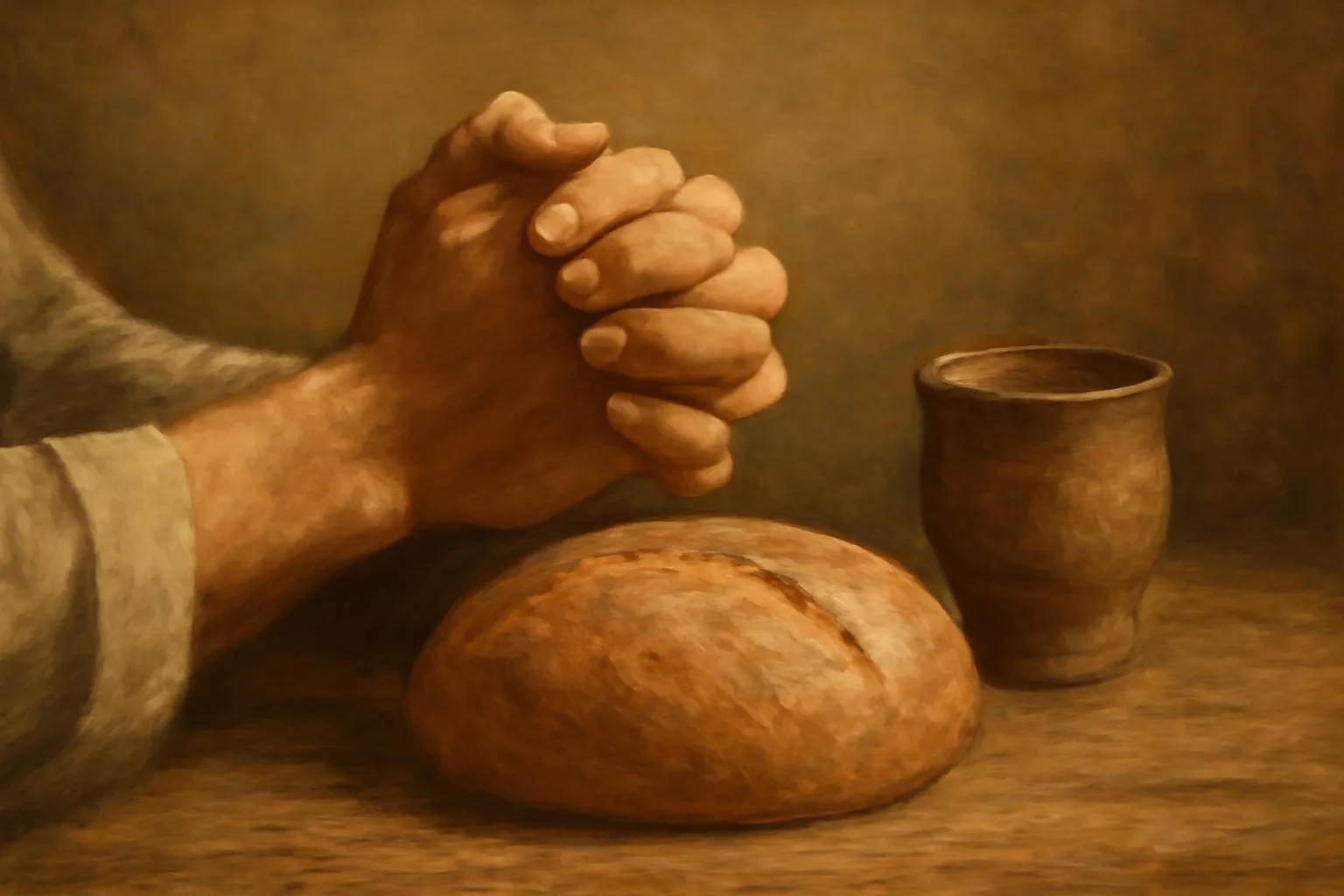
The phrase Daily Bread is one of the most familiar lines in the Lord’s Prayer, a prayer that has shaped Christian devotion for centuries. It is more than a request for food; it is a compact invitation to trust, dependence, gratitude, and responsibility. In this article we explore the Daily Bread petition, its origins in Scripture, how different traditions have understood and used this petition, and practical ways to pray for daily sustenance in a way that honors God and cares for neighbors. We will use variations of the phrase—such as bread for today, our daily sustenance, panem quotidianum nostrum in Latin, and bread of the day in everyday language—to broaden the understanding without losing the core meaning.
The core idea: What does daily bread mean?
At its heart, the daily bread prayer asks God to provide what is necessary for today. This is not a vague wish for abundance; it is a request for everyday provision—food, shelter, safety, or any basic need—that enables a person to live with dignity and purpose. The word bread in ancient Near Eastern cultures often stood for more than bread itself. It stood for sustenance, life, and the ability to carry on with daily tasks. In that sense, the bread petition is both concrete and symbolic: it asks God to meet the physical needs of a person and to sustain them so they can pursue good works, love their neighbors, and worship God with freedom and gratitude.
Scholars and theologians commonly note several layers of meaning within this brief petition:
Physical sustenance: food, shelter, and basic needs that enable a person to live and work.
Dependence on God: the petition acknowledges that daily life is sustained by God’s providence, not by human effort alone.
Community dimension: when one asks for daily bread, one implicitly asks for the means by which the whole community might be fed, not just oneself.
Gratitude and trust: the request is paired with a posture of thankfulness for whatever provision is granted each day, rather than anxiety about the future.
Ethical calling: provision comes with responsibility—care for others, especially the vulnerable, is connected to the way we pray for our daily needs.
Origins and biblical foundations
The phrase that Christians often translate as our daily bread originates in the teaching of Jesus in the Sermon on the Mount. This section traces the roots of the petition in the Bible, its linguistic forms, and how it moved from an ancient Hebrew-Greek context into Christian practice across cultures.
Biblical basis
The primary textual anchor is Matthew 6:11, where Jesus teaches his disciples to pray, part of a larger prayer often called the Lord’s Prayer. In many English translations, the line reads: “Give us this day our daily bread.” In some versions, particularly in Luke’s Gospel, the request appears slightly differently, such as “Give us day by day our daily bread.” The number of words may vary, but the essential meaning remains the same: a daily dependence on God for essential needs.
Historically, biblical languages illuminate the nuance behind the phrase. The Greek term commonly rendered as epiousion, traditionally translated as daily or for the day, communicates a sense of daily provision that is renewed each 24-hour period. In the Latin Vulgate, the phrase becomes pane quotidianum nostrum, which literally means our daily bread. In both cases, the emphasis is on something that is ordinary, necessary, and renewed regularly, rather than an abundance that could be hoarded or stored away.
From petition to practice: how early Christians used this line
Early Christian communities likely understood the bread petition within a broader framework of God’s providence and communal care. The early church read the Lord’s Prayer as a model for how to relate to God through worship, confession, and daily living. In a world where hunger and scarcity were common, asking for bread for today was a prayer that connected spiritual life to concrete needs. The phrase also intersected with the church’s practice of sharing meals, hospitality, and support for those in need, creating a lived theology of dependence on God and neighborly generosity.
Historical development: from Scripture to liturgy
Across the centuries, the Daily Bread petition has moved from being a line in a teachable prayer to a central element of liturgical life in multiple Christian traditions. This section surveys how different communities have understood, translated, and prayed this line within services, devotions, and daily routines.
In the Latin and Western liturgical tradition
In Western Christianity, the Latin form pane quotidianum nostrum appears in the classic translations of the Lord’s Prayer used in Roman Catholic and some Protestant contexts. The structure of the Lord’s Prayer in liturgy, often recited in the middle of worship, places the daily bread request alongside requests for God’s name to be hallowed, the kingdom to come, forgiveness, and deliverance from temptation. In sacramental practice, the bread motif also carries rich symbolism, especially in the celebration of the Eucharist, where physical bread is understood as a sign of spiritual sustenance through Christ.
Protestant and Anglican usage
Among many Protestant groups, the line about daily bread is retained in both private prayer and public worship. The Anglican Book of Common Prayer (and many modern lectionaries) preserves the same petition, encouraging congregants to recite the entire Lord’s Prayer with reverence, while inviting contemplation on what bread for today means in their social context—work, wages, hunger, and the need to share with others who lack resources.
Eastern Christian and Orthodox perspectives
The Orthodox tradition often emphasizes the continuity between prayer, fasting, and hospitality. While the exact wording of the Lord’s Prayer can vary in the Slavic and Greek liturgical languages, the concept of daily dependence on God for daily sustenance remains central. In some liturgical settings, the idea of bread also takes on typological resonance with the Bread of Life Christ speaks of in John 6, inviting believers to consider how daily provision links to spiritual nourishment and eternal life.
The Daily Bread petition has inspired a variety of theological reflections. In particular, it sits at the intersection of material reality and spiritual hope. Here are several common angles you’ll encounter in Christian thought:
Providence and trust: God is the source of all that sustains life, and praying for daily bread affirms trust in divine provision rather than mere human planning.
Justice and solidarity: requesting bread for today invites reflection on the needs of others and the ethical call to share resources, advocate for justice, and oppose systems that cause hunger.
Dependency and autonomy: while prayer acknowledges dependence on God, it also challenges believers to use their gifts responsibly, work diligently, and help meet the needs of their families and communities.
Spiritual nourishment: bread is not only about physical food; it also points to God as the sustainer of life and the Bread of Life who nourishes faith, hope, and love.
Time and eternity: the word daily emphasizes the present moment—today’s provision—while inviting trust that God will continue to provide tomorrow and beyond.
How to pray the daily bread request: practical guidance
Praying the bread for today petition can be a simple daily practice or part of a longer devotional routine. Here are practical steps to engage this petition with depth and sincerity, whether you are praying alone, with family, or in a community setting.
Step-by-step approach
Prepare your heart by quieting distractions and naming one to three specific needs you or others face today. Acknowledge gratitude for what you already have.
Read or recall the petition—either the entire Lord’s Prayer or just the line about bread for today. Let the words sink in before you speak them aloud or quietly in your mind.
Personalize the request by acknowledging your unique circumstances while keeping in mind those who lack basic needs. Consider praying for neighbors, family, and strangers who suffer hunger or poverty.
Balance petition with action—after praying, identify a concrete step you can take today to help meet someone’s need, whether donating, volunteering, or sharing a meal.
Close with trust that God hears your prayer and provides in his timing. End with a posture of gratitude, worship, or a simple phrase of faith.
Sample personal prayer focusing on daily bread
Below is a ready-to-use or adaptable example that centers the bread for today theme while inviting reflection on other aspects of life. You can recite it as a complete prayer or insert the lines into your own prayer routine:
“O God, giver of all good things, today I ask for my daily bread. Provide for my body’s needs with mercy and wisdom. Help me to use today’s gifts with generosity toward others. Teach me to work not in worry, but in trust, so that I may live in gratitude for the basics of life and the blessing of your provision. And may I remember those who hunger and share what I have. Amen.”
Variations across traditions and modern usage
Across Christian traditions, people use and adapt the daily bread petition in creative and meaningful ways. The variations often reflect language, culture, and social concern while keeping the core intention intact: dependence on God for daily needs and a concern for the welfare of others.
Many Christians today recite the Lord’s Prayer in its traditional form, yet they also incorporate the bread for today idea into personal devotions, community meals, and social action. Some readers emphasize the bread of the day as a companion to daily gratitude journals, noting how daily provision prompts a posture of contentment and generosity.
Liturgical and devotional contexts
In church services, pastors and liturgists may highlight the our daily bread line during sermons on stewardship, hospitality, and social justice. Within catechetical settings, the line is often unpacked for new believers as a concrete example of how prayer connects worship with daily living. In family worship or home groups, families might pair the petition with a meal blessing or a discussion about local hunger relief efforts.
Readers often have questions about what this line means in practical terms, and how it should shape daily living. Here are some frequently asked questions with concise answers to help deepen understanding.
Does daily bread refer only to food? While the primary image is physical sustenance, the phrase is typically understood to include all basic life needs—food, shelter, clothing, healthcare, and safety. It also invites reflection on the broader meaning of life and daily wellbeing.
Why is it “daily” bread and not “bread for the week”? The word daily emphasizes dependence on God in the present moment and a posture of trust that each day’s needs will be met. It discourages worry about future needs and encourages living one day at a time with God’s provision.
How does this petition relate to social justice? Because the prayer acknowledges the need for daily sustenance, it naturally invites concern for others who are hungry or underserved. It can motivate acts of charity, policy advocacy, and efforts to create systems that reduce hunger and poverty.
What about when I have more than enough? When resources exceed daily needs, the prayer can become a call to generosity—sharing surplus, supporting those who have less, and using abundance responsibly so that others may also experience provision.
Bringing the daily bread idea into daily life
Integrating the bread for today concept into everyday routines can enrich spiritual life and practical action. Here are some ideas to make this petition a lived reality rather than a mere recitation:
Practice mindful thankfulness for the basics you have today, such as food, shelter, clothing, and access to healthcare. Keeping a short gratitude list can anchor your prayers in daily reality.
Create rhythms of giving by setting aside a portion of your income or time to support food banks, shelters, or neighbors in need. Let your generosity be a natural extension of your prayer.
Engage in hospitality—invite others to share meals, especially those who might be lonely or marginalized. Sharing bread is a tangible form of blessing and solidarity.
Advocate for justice by staying informed about food insecurity, fair wages, and access to nutritious meals for all. Prayer can inspire policy work and community organizing.
Conclusion: embracing simplicity and responsibility in daily prayer
The Daily Bread Prayer, or the bread for today petition, is a compact but powerful invitation: to recognize God as the source of daily provision, to trust rather than fear, to cultivate gratitude, and to shoulder responsibility toward others. Across biblical foundations, historical development, and diverse Christian traditions, this line remains a practical anchor for a life of faith. By reflecting on bread for today in personal devotion, communal worship, and everyday acts of generosity, believers can experience a deeper sense of God’s presence, a more robust ethics of care, and a renewed hope for a world where every person has what is needed to live with dignity.
In this sense, the Lord’s Prayer’s bread petition is not a formulaic request but a guiding principle: we seek sustenance from God, we trust in his provision, and we respond with mercy toward others. The variations in language—daily bread, bread for today, pane quotidianum nostrum, bread for the day—all carry the same essential message: daily life is a grace that invites gratitude, responsibility, and neighbor-love. May your practice of praying for daily sustenance deepen your relationship with God and widen your circle of care for all who share this world with you.