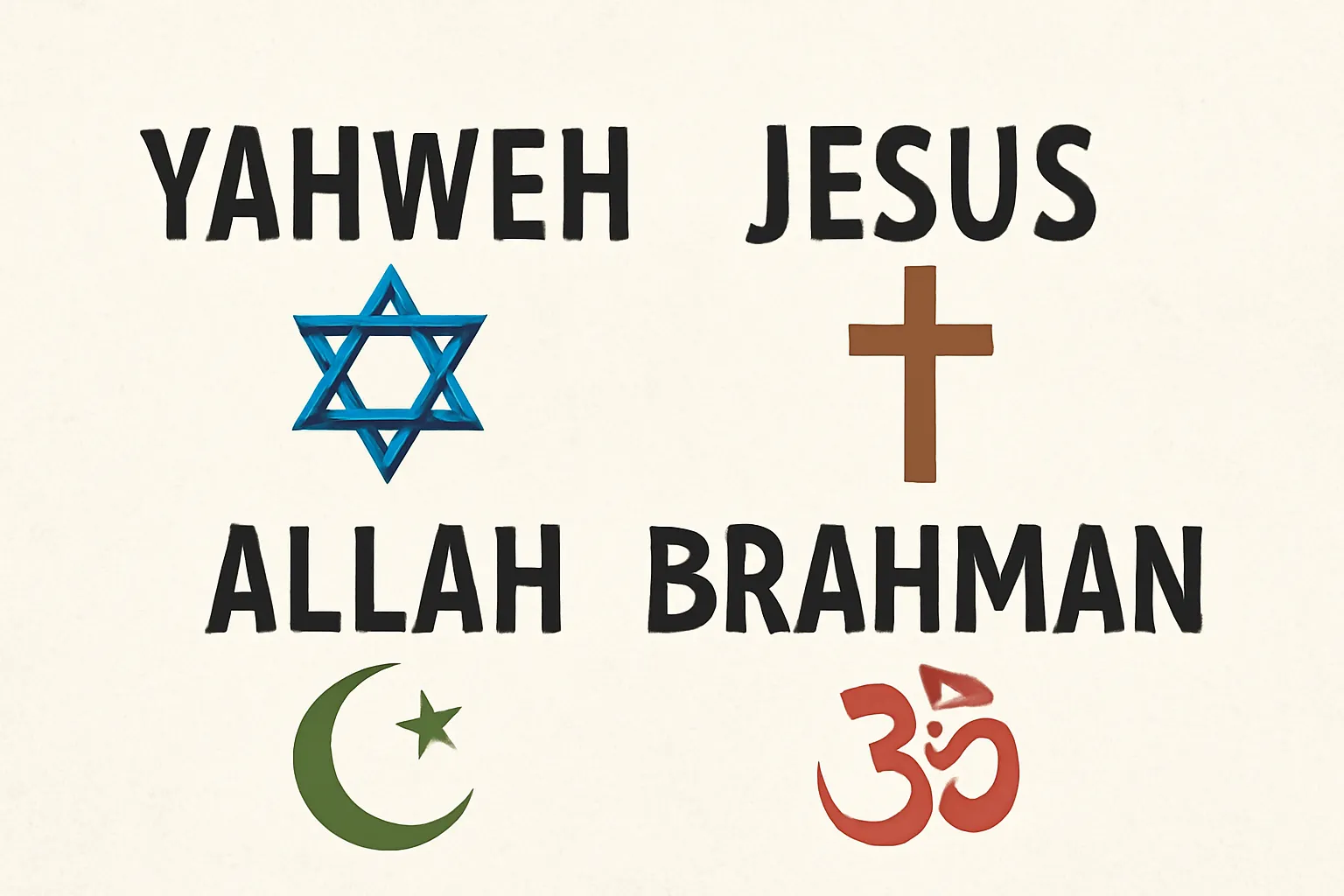
Across cultures and epochs, human beings have sought to name the sacred in order to understand, address, and relate to what lies beyond ordinary experience. Whether through a single sacred monosyllable or a long string of revered epithets, the name of God—in its many forms—functions as a doorway between the mortal and the infinite. In this article we explore the names of God, the varied traditions that carry them, and the ways these divine names shape belief, devotion, and daily life. We will use variations of the phrase to reflect the breadth of usage—from names of God and divine names to the technical term theonym and the general category epithets of God.
What is a theonym, and why do different cultures have different divine names?
A theonym is a word or name that refers to a deity. The study of theonyms reveals how languages, cultures, and historical circumstances shape ideas about the sacred. In many traditions, the pronunciation, translation, and social usage of a divine name carry significant meaning, including reverence, inviolability, or, in some cases, caution about using the name outside of prescribed contexts. The broad category of divine epithets—attributes such as mercy, power, wisdom, or presence—often accompanies the formal name, offering a fuller portrait of the deity as they are perceived by worshipers.
In this article we will distinguish between a personal name of God (a specific invocation) and a broader set of names and epithets that convey character and function. We will also highlight how different communities balance reverence, intimacy, and mystery when speaking about the divine.
Names of God in the Abrahamic traditions
Judaism: YHWH, Elohim, Adonai, El Shaddai
In the Jewish tradition, the divine name is treated with profound reverence. The most sacred form, the Tetragrammaton (often written as YHWH), stands as the central theonym for the God of Israel. Because of its sanctity, many Jews refrain from pronouncing it aloud, substituting Adonai (the Lord) or Hashem (The Name) during readings and prayers.
YHWH (often vocalized as Yahweh or Jehovah in certain historical contexts) is considered the ultimate, unspeakable name and is tied to the covenantal relationship between God and the people of Israel.
Elohim is a more general term for God used throughout the Hebrew Bible. It appears in situations that emphasize power and sovereignty.
Adonai is used liturgically to ensure respectful vocalization when the written name is encountered in scripture.
El Shaddai conveys the idea of God as Almighty, a divine fullness that nurtures and sustains creation.
Beyond these, a number of other names and epithets convey particular facets of the divine’s presence. In Jewish liturgy and theology, these names and titles are often used in prayer to address God with appropriate reverence, gratitude, or supplication.
Christianity: Theos, Kyrios, Pater, and sacred repertoires
In Christianity, the language of the divine expands to include titles such as Theos (God), Kyrios (Lord), and Pater (Father), as well as a broader tradition of invoking the divine through scriptural names. Christians speak of the Holy Trinity—the Father, the Son, and the Holy Spirit—each representing a distinct way of naming and approaching the divine mystery.
Theos is the Greek word for God and appears in the New Testament as a primary designation for the divine.
Kyrios is a title with both divine and royal connotations, signaling authority and lordship.
Pater emphasizes intimate relationship and familial trust within the divine-human bond.
Some Christian traditions also retain usages such as Jehovah or Jehovah-Jireh (the Lord will provide), though modern biblical scholarship often notes these as etiological or historical forms rather than standard liturgical terms.
In Christian worship, the enumerations of God’s names and titles are often paired with doctrinal affirmations—saying what God is (holiness, love, justice) and what God does (redeems, sanctifies, judges). The names of God in Christian contexts thus function both as address and confession, linking language to belief.
Islam: Allah and the 99 Names
In Islam, the divine name Allah is central, representing the unity and transcendence of the God who created and sustains the cosmos. Muslims also honor the tradition of Al-Asmāʾ al-Ḥusnā—the Most Beautiful Names of God. These names describe attributes such as mercy, wisdom, sovereignty, and justice, and they are recited in prayer, meditation, and supplication.
The 99 Names (often cited as a canonical or traditional list) include attributes like Ar-Rahman (the Most Merciful), Al-Malik (the King), Al-Khaliq (the Creator), Al-‘Aleem (the All-Knowing), and Al-‘Adl (the Just).
In practice, many Muslims memorize and invoke these names in supplication, reflection, and daily life, using the divine names as a means of drawing closer to God.
The Islamic approach to the name of God emphasizes oneness, transcendence, and mercy, while encouraging believers to contemplate divine perfection through contemplation of these attributes.
Names of God in Hinduism and other Dharmic traditions
Hinduism: Brahman, Ishvara, Bhagavan, and a wealth of divine epithets
Hindu thought embraces a wide spectrum of ways to name the divine, reflecting the vast plurality of gods, philosophies, and devotional paths. At the highest level, many schools speak of Brahman as the ultimate, unmanifest reality—the source of all that exists. In many devotional traditions, this ultimate reality becomes accessible through various theonyms and epithets that describe divine attributes.
Brahman is often described as the unchanging, infinite, immanent, and transcendent principle that underlies all existence.
Ishvara denotes a personal, approachable form of the divine—an origin for cosmic order and devotion in many Hindu traditions.
Bhagavan signals a divine person who is lovable, radiant, and worthy of devotion; it is frequently used in Vaishnavism and related paths.
In popular practice, names like Krishna, Rama, Shiva, Vishnu, and many other manifestations express the divine in particular forms and narratives that guide worship.
A strong theme in Hindu naming is the distinction between Nirguna Brahman (the formless, infinite Supreme) and Saguna Brahman (the personal, form-bearing God who manifests in the world). This delineation helps explain why Hindus might speak of a single divine reality using both formless principles and vividly named deities.
Other Dharmic traditions: Jainism, Sikhism, and beyond
In Jainism and Sikhism, the vocabulary of the divine also employs distinctive theonyms and epithets, albeit with different theological emphases.
Sikhs honor Waheguru as the radiant divine name—an expression of ultimate wonder and spiritual light that guides the seeker toward truth and liberation.
In broader Dharmic contexts, sacred utterances and names function in meditation, ritual, and moral instruction—shaping ethical life through a devotional vocabulary that centers the divine as present within all beings and phenomena.
The power and purpose of divine names across cultures
The practice of naming the divine serves several common purposes across different religious landscapes:
Identity and relationship: Names declare who the deity is and how the worshiper relates to the divine—as parent, king, friend, creator, or guide.
Address and invocation: Speaking a particular name is a way to call upon the deity for help, blessing, or guidance, often within ritual contexts.
Reflection of attributes: Names encode moral and cosmological attributes—mercy, justice, power, wisdom—helping adherents contemplate divine perfection.
Covenant and memory: For many faiths, naming preserves a memory of sacred events, revelations, and the ongoing relationship between humans and the divine.
The impact of the divine name on practice can be seen in liturgy, prayers, and daily routines. Some traditions treat certain names as too sacred to utter aloud except in specific contexts, while others invite constant recollection of the divine through habitual recitation or meditative repetition of divine epithets.
Names of God in liturgy and devotion: practical examples
Prayer and liturgical usage
The names of God often appear in formal prayers and liturgies. In some communities, these names are recited together with praises, petitions, and confessions, serving as anchors of memory and devotion.
In Jewish prayer, names like Adonai and Hashem appear prominently in readings and blessings.
In Christian worship, referring to the Father, God, and the Lord is standard, with the divine Names invoked in hymns and creeds.
In Islam, supplications often begin by praising Allah and invoking a chosen name from the 99 Names to shape spiritual intention.
Ritual and ceremony
Names of the divine frequently appear in rites of passage, sacramental rituals, and ceremonial blessings. The social and communal aspects of naming—how a community blesses a child, how a ritual marks a sacred moment—reflect the belief that naming catalyzes relationship with the divine and with fellow humans.
blessings that invoke divine attributes (e.g., mercy, protection, wisdom) to guide a new life or a significant life event.
Sacred chant that repeats a divine name to cultivate inner focus and a sense of cosmic alignment.
Spoken language, pronunciation, and respect
The social affect of the divine name can be delicate. Different communities have developed careful conventions about when and how to speak certain theonyms, in order to preserve reverence and avoid misuse. Language itself plays a role in shaping how people imagine and approach the divine.
Transliteration differences—such as YHWH, Yahweh, Jehovah, Allah, Ishvara—reflect phonetic adaptation across languages and cultures. These variations carry nuance about historical context and pronunciation.
Respectful usage often requires avoiding casual or blasphemous language, especially in formal settings, and recognizing the limits of human speech when addressing the sacred.
In some traditions, naming is integrated with contemplation or meditative practice. For example, repeating a divine name as a mantra can create a rhythm of remembrance, drawing the practitioner into a sense of presence beyond ordinary thought.
How to read and study the names of God with sensitivity
For readers and scholars alike, approaching the names of God demands humility, curiosity, and respect. The study of theonyms is not merely linguistic; it is a window into belief, history, and lived religion.
Context matters: A name’s meaning can change with time, place, and ritual setting. Always consider historical and cultural context when encountering a divine name.
Transliteration and translation: Recognize that different languages render the same name in diverse ways, which can affect pronunciation and nuance.
Respectful engagement: When discussing names from traditions unfamiliar to you, use appropriate terms and avoid casual or inappropriate usage.
Cross-cultural reflections: common threads and notable differences
Across the spectrum of world religions, several common threads emerge in the way communities conceive and use the divine names:
Transcendence and immanence: Some names point to a God who is beyond human comprehension, while others emphasize a personal, approachable presence.
Mercy and justice: Many theonyms carry ethical resonance—names that embody mercy, justice, or wisdom guide believers toward virtuous living.
Communication and relationship: The act of naming creates or reinforces a relationship between humans and the divine—an intervention, a blessing, or a spiritual connection.
The exploration of the divine names across cultures reveals both remarkable diversity and compelling unity. Whether spoken aloud in prayer, whispered in meditation, or written in sacred texts, the various names of God function as instruments of encounter—tools by which people reach toward something greater than themselves. From the theonyms of ancient traditions to the intimate epithets found in contemporary devotional life, the naming of the sacred is a perennial human practice: a way of naming the unsayable, binding belief to memory, and guiding the heart in times of joy, longing, and need.
Glossary of key terms
To help readers navigate the language of divine naming, here is a concise glossary of important terms:
Theonym: A name for a deity or divine being.
Epithets: Descriptive words or phrases that express a deity’s attributes.
Nirguna Brahman: The formless, attributeless aspect of the divine in some Hindu philosophies.
Saguna Brahman: The divine with form and attributes that can be worshiped in various manifestations.
Asmāʾ al-Ḥusnā: The Most Beautiful Names of God in Islam.
YHWH: The Tetragrammaton, the sacred biblical name of God in Hebrew Scripture.
In the end, the names of God across cultures form a compelling map of humanity’s search for the divine. They reveal not only what people believe about the nature of God, but also how communities relate to the mystery of existence, how they address the divine in times of need, and how language itself can become a path toward transcendence.