Light shines in the darkness is a phrase that echoes through sacred texts and devotional literature alike, inviting readers to contemplate how illumination works in human experience. This article explores the meaning, interpretation, and a treasury of inspirational Bible quotes connected to the motif of light overcoming darkness. By tracing the biblical roots, examining multiple literary forms, and presenting practical reflections, we can gain a richer understanding of how light functions as a symbol of revelation, hope, and ethical calling in the Judeo-Christian tradition.
Although the exact wording “light shines in the darkness” is most often associated with the Johannine and prophetic literature, the concept appears in several ancient contexts. In biblical memory, the image of light breaking through darkness has long been a linguistic and theological shorthand for knowledge, safety, divine presence, and moral clarity. There are two anchor passages that are frequently cited when discussing this theme: Isaiah the prophet and the Gospel of John.
Isaiah: prophecy of dawn in times of trouble
In the prophetic writings, light is connected to the awakening of hope for an oppressed people. A common motif in the Hebrew Bible is the announcement that the people walking in darkness have seen a great light. This line, understood in its original literary context, signals a divine intervention that brings relief, justice, and renewal. It is not merely an aesthetic metaphor but a proclamation of a transformation that affects social structures, personal fear, and communal identity. In many biblical commentaries, the imagery of light in Isaiah is linked to the emergence of a new order—God’s reign breaking into human affairs and restoring what sin and injustice have damaged.
John’s Gospel: the Word, the Light, and the overcoming darkness
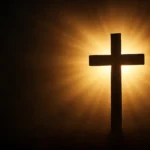
In the opening chapter of the Gospel according to John, the author presents a luminous argument about the nature and destiny of the world: the light shines in the darkness, and the darkness does not overcome it. This line is part of a larger prologue that identifies Jesus as the eternal Word who was with God in creation, who was God, and who became flesh to dwell among humanity. Within this ethic, light represents truth, life, and revelation that exposes falsehood, heals brokenness, and invites human response. The Johannine portrait of light is intimate and personal—yet cosmic in scope—inviting every reader to move from acquaintance with light to participation in its life.
What does “light shines in the darkness” mean?
To unpack this phrase, it helps to parse both the imagery and the practical implications. At a basic level, light and darkness are moral and existential categories. Darkness is associated with ignorance, fear, danger, and moral confusion, while light stands for knowledge, safety, guidance, and truth. When light is described as shining, it conveys action, vitality, and the ability to pierce and transform the environment. The repeated insistence that the light overcomes or pierces the darkness reassures believers that evil, confusion, and suffering are not final or absolute powers in the human story.
In a broader sense, the motif signals a movement from unseen possibility to visible reality. In both biblical witness and theological reflection, illumination comes not only as information but as transformation—an encounter that changes perception, values, and behavior. The light is not merely a backdrop for life; it defines how life is lived, understood, and shared with others. This interpretive frame helps readers see how light in darkness can function at personal, communal, and cosmic levels.
Interpretive frameworks for the light-in-darkness motif
Scholars, pastors, and lay readers approach the light metaphor from multiple angles. Here are several common interpretive frameworks that illuminate the text in different ways:
Theological framework: Light as revelation and divine presence. In this view, brightness signals God’s self-disclosure—truth about God, humanity, and the way of life that pleases the Creator.
Christological framework: Light personified in Jesus. The Gospel of John, in particular, casts Jesus as the Light that dawns into a world of spiritual night, offering salvation and the invitation to trust him as the source of life.
Ethical framework: Light as a call to righteous living. The shine of truth manifests in acts of mercy, justice, and integrity that brighten neighborhoods and communities.
Pastoral framework: Light in darkness as comfort and hope. When people face trials, the metaphor becomes a powerful encouragement: darkness may be difficult, but it is not ultimate, and hope can be sustained by the presence of light.
Liturgical and devotional framework: Light as invitation to worship and daily practice. The imagery informs prayers, hymns, and meditations that orient life around gratitude for illumination from God.
Historical and linguistic notes
Understanding the original languages—Hebrew and Greek—helps illuminate how readers interpret these phrases. In Hebrew, terms related to ohr (light) carry connotations of brightness, visibility, and enlightenment. In Greek, the noun phōs and the verb phaínō convey revelation, manifesting presence, and the dignified order of creation. The cross-cultural resonance of light imagery—seen in other ancient Near Eastern and Greco-Roman literature—enhances the sense that light is a universal language for truth, safety, and order. The biblical authors exploit this universality to communicate with a variety of audiences across different times and places.
Light in the biblical narrative beyond the famous lines
While John 1:5 and Isaiah 9:2 are the headline anchors, the biblical canon includes a wider set of passages where light functions as a beacon. These verses reinforce the central motif and demonstrate its versatility across genres, including prophecy, poetry, wisdom literature, gospels, and letters.
Genesis 1:3-4—God’s first act is to command light into existence, separating day from night and establishing order from chaos.
Psalm 27:1—“The Lord is my light and my salvation; whom shall I fear?”—a personal, intimate claim that God’s light dispels fear.
Psalm 119:105—“Your word is a lamp to my feet and a light to my path,” linking illumination to divine guidance in daily life.
1 John 1:5—“God is light, and in him there is no darkness at all,” a theological assertion about the nature of God and ethical living.
Light’s practical applications for faith communities
Across church history and contemporary life, the image of light has served as a practical metaphor for how communities carry truth into the world. The following sections examine how light in darkness informs teaching, worship, social action, and personal discipline.
Teaching and catechesis
Educators and pastors often use light imagery to help learners grasp complex doctrines in approachable terms. The idea that truth shines in darkened places can create a narrative arc for Bible study: initial curiosity, encounter with revelation, and transformation into faithful practice. In Sunday schools or youth ministries, activities that emphasize light—candles, lanterns, or reflective questions—can translate abstract theological points into tangible experiences of discernment and hope.
Worship and liturgy
In worship spaces, light imagery appears in prayers, hymns, and liturgical color choices. The symbolism invites congregants to reflect on the role of Christ as the Light of the World and to embody that light in communal love. Practically, worship can include moments of confession and assurance—acknowledging personal darkness while celebrating divine illumination and reconciliation.
Social justice and mercy
The ethical weight of light in darkness translates into actions that seek justice for the vulnerable, advocate for the oppressed, and lift up those who suffer. The metaphor becomes a motivation for practical mercy: feeding the hungry, sheltering the homeless, defending the dignity of every person. The claim that light shines in the darkness encourages communities to be agents of transformation in the public square, not merely expressions of private piety.
To appreciate the fullness of the motif, it helps to consider the many ways authors and translators render the core idea. Variations of this theme appear across translations and paraphrases, each enriching the semantic field with nuanced emphasis. Here are several common refrains that convey similar meanings and can be woven into study, preaching, or personal reflection:
The light shines in the darkness (a direct rendering that emphasizes action and persistence).
Light has come into the darkness (emphasizing the arrival of illumination as a historical turning point).
In the darkness, the light shines (a more poetic, almost paradoxical syntax that highlights resilience).
The darkness cannot overcome the light (a resilient, victorious statement about overcoming evil or ignorance).
Let light dispel the night (a prayerful call to divine intervention for clarity and hope).
Each variant carries a slightly different emphasis—whether it is the presence, arrival, persistence, or victory of light. Readers can use these shifts to tailor sermons, devotionals, or personal meditations to the needs of their audience or circumstances.
Inspirational Bible quotes about light in darkness
Here is a curated collection of verses that resonate with the theme of light overcoming darkness, paired with brief reflections to illuminate their practical relevance. The aim is to offer a resource you can return to in moments of doubt, fear, or uncertainty.
John 1:5 — “The light shines in the darkness, and the darkness has not overcome it.” Reflection: In every sphere of life, light asserts its presence, inviting us to participate in a divine project that resists despair.
Isaiah 9:2 — “The people who walked in darkness have seen a great light.” Reflection: In times of social upheaval or personal crisis, there is a promised dawn that invites trust beyond human control.
Psalm 27:1 — “The Lord is my light and my salvation; whom shall I fear?” Reflection: Courage arises when we locate our security in divine presence rather than in shifting circumstances.
Psalm 119:105 — “Your word is a lamp to my feet and a light to my path.” Reflection: Scripture serves as a faithful guide, shaping choices in moments of moral ambiguity.
Genesis 1:3 — “And God said, Let there be light, and there was light.” Reflection: Light marks the beginning of order from chaos, a foundational motif for creativity, strategy, and hope in human endeavor.
2 Corinthians 4:6 — “For God, who said, ‘Let light shine out of darkness,’ has caused his light to shine in our hearts.” Reflection: Personal transformation is a divine gift that enables others to see truth and love more clearly.
Matthew 5:14 — “You are the light of the world.” Reflection: The call to illuminate our surroundings with compassion, integrity, and truth is both a blessing and a responsibility.
Ways to apply the light motif in daily life
Beyond interpretation, practical application helps translate this ancient imagery into modern living. Here are concrete ways to carry light into darkness in everyday contexts:
Practice honest discernment: Seek truth with humility, recognizing that light improves understanding and guides decisions in complex situations.
Offer compassionate presence: Be with others in their moments of fear or grief. Sometimes light is simply company in the dark.
Share hopeful stories: Narratives of resilience and transformation can illuminate for others the path forward when fear or cynicism threatens joy.
Live with integrity: Let your actions align with your professed beliefs, so your life itself becomes a visible sign of light.
Study the scriptures thoughtfully: Approach the Bible with curiosity, allowing its “light” to refine your mind and heart over time.
Pastoral care often leans on light-language as a means of comforting those who are suffering. The metaphor is especially potent when people face illness, loss, or existential confusion. In such settings, the light imagery can guard against two extremes: blind optimism that ignores pain, and despair that refuses to acknowledge sorrow. Instead, light offers a tempered, faithful stance: God’s presence remains with the grieving, and there is a future where healing, restoration, and meaning can emerge from hardship. This balanced approach helps communities minister with both honesty and hope.
Across centuries, the metaphor of light in darkness has shaped art, music, theology, and social ethics. Renaissance painters and modern poets alike have drawn on this symbol to express luminous truth and transformative grace. In modern theological discourse, light remains a stubborn emblem for the claim that divine revelation is not optional but essential—without light, the human condition loses its orientation. Contemporary readers may connect with light in darkness through secular parallels as well: the human capacity to find guidance in moral exemplars, science, community memory, or acts of service that “brighten” a world that often seems overwhelmed by confusion or fear. The resonance of the phrase continues because it speaks to a universal human longing for direction, meaning, and safety in the night of life.
If you are leading a study group or journaling on this topic, the following prompts can help deepen engagement with the idea that light shines in the darkness in diverse ways:
Compare different biblical passages that speak of light. How do they complement or challenge each other?
Reflect on a time when you experienced “a light” in difficult circumstances. What message did that moment carry for your life?
Write a short meditation alternating light imagery with concrete actions you can take to help someone in need.
Discuss the potential risks of misinterpreting light as mere optimism. How does the biblical portrayal balance hope with realism?
Explore how light imagery is used in contemporary sermons or articles you admire. What rhetorical or theological effects does it achieve?
Conclusion-like reflections without using the word “Conclusion”
In summary, light shines in the darkness is more than an evocative phrase. It is a dynamic invitation to see, trust, and participate in a divine project of illumination. The imagery is multi-layered: it describes a cosmic order established at creation, a revelatory presence embodied in Jesus, a moral guide for everyday living, and a hopeful promise that reality is not exhausted by night. When communities embrace this motif, they cultivate discernment, courage, mercy, and resilience. Light does more than reveal what is hidden; it calls us to respond, to become bearers of light to others, and to live with a sense of destiny rooted in truth. Whether in private meditation, public preaching, or collective action, the idea that light dispels darkness remains a steady compass, guiding people toward a more just, compassionate, and truthful world.
As you journey through the verses and reflections above, you may notice that the phrase “light shines in the darkness” can be read as a single, powerful statement or as a constellation of related ideas. Each reader can find a fresh angle—whether it is the intimate presence of the divine in daily life, the hope of salvation breaking into human history, or the ethical imperative to love and serve in concrete ways. The enduring appeal of this motif lies in its adaptability: it speaks to the sorrowful night of personal loss, the collective night of injustice, and the hopeful dawn of renewal that faith congratulates with truth, beauty, and goodness.