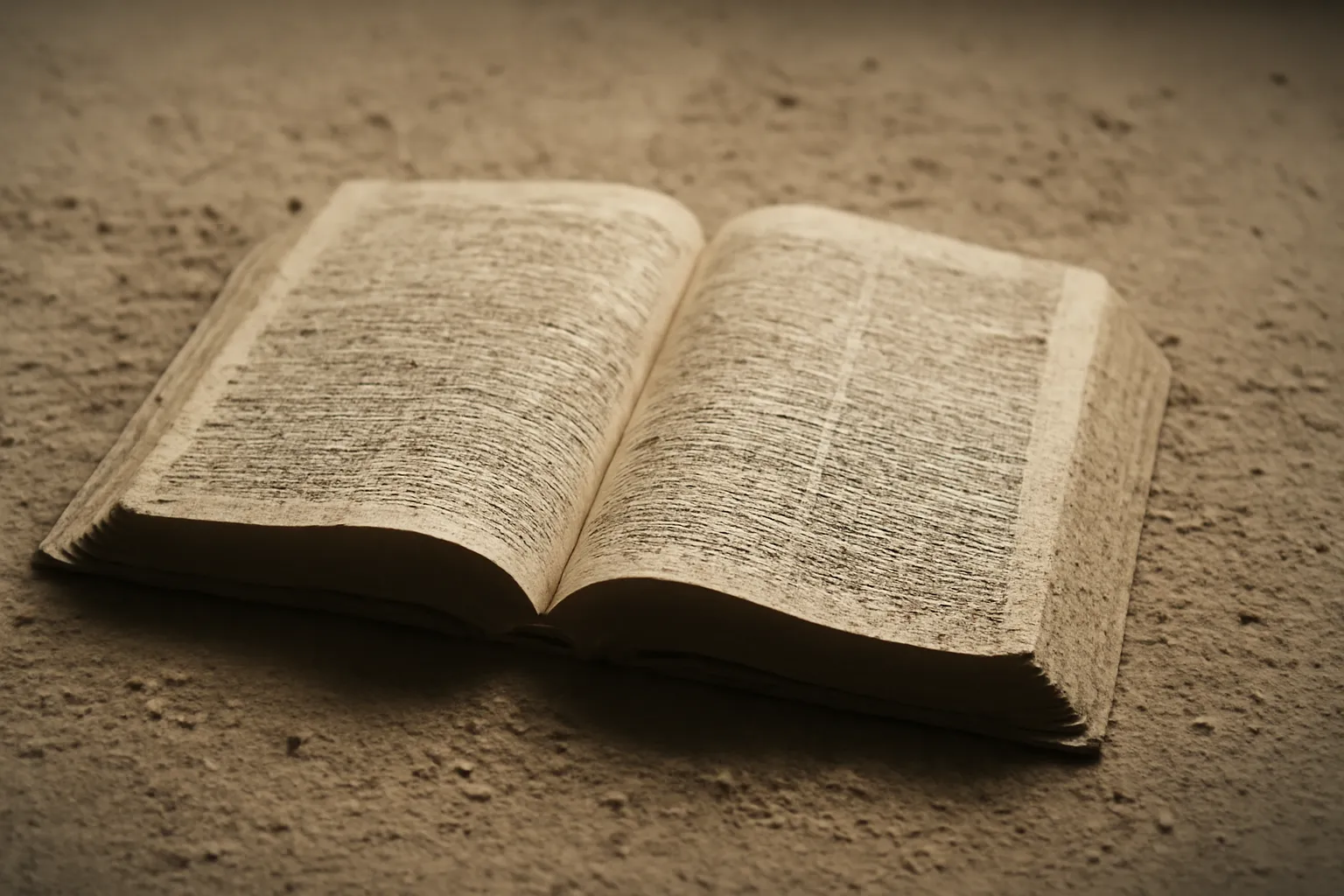
Dust Scripture: Meaning, Origins, and Interpretations
Dust Scripture is a phrase that captures a recurring and powerful set of motifs found throughout sacred texts, sermons, and devotional literature. Though not a formal scholarly term for a single canonical body of writing, it designates the way dust—in its many appearances—functions as a symbolic, rhetorical, and theological resource. From the dust of the ground in the creation narrative to the ashes of mourning and the dust that returns at death, the material substance of dust becomes a vehicle for meaning. This article surveys what dust represents, how its meanings accumulate across traditions, and how readers today can engage with dust scripture as a practice of interpretation rather than a mere historical curiosity.
Meaning and symbolism: what dust communicates in sacred language
Across cultures and eras, dust carries a core bundle of associations. Its most obvious characteristics—smallness, invisibility, and mobility, coupled with ubiquity—make it a potent metaphor for human finitude, fragility, and dependence on a larger order. In dust scripture, dust often signals that life is temporary, that power is limited, and that the divine order outlasts individual beings. Yet dust is not only a sign of loss; it is also the raw material from which life can be renewed, the medium through which transformation occurs, and the evidence of a relationship between the sacred and the mundane.
Mortality and the human condition
A dominant thread in the dust metaphor is mortality. The grim inevitability of becoming dust is a humbling reminder that human life is finite and subject to time’s erosion. In many scriptural passages, dust becomes a shorthand for the end-point of earthly existence, a reminder that no one can escape death. The archetypal line “dust you are, and to dust you shall return” (Genesis 3:19, KJV) crystallizes this understanding in a single image. Interpreters often read this as both a warning and an invitation: a warning about the consequences of disobedience and a reminder that life’s ground state is dependence on God, not autonomous control.
Humility and dependence
Dust also serves as a discipline of humility. When people confront their own dustiness—whether through penitent rites, lament, or the plain fact of aging—an ethical and spiritual recalibration can occur. The dust motif invites readers to re-center themselves around an order greater than personal achievement. In congregational life, sermons that invoke the imagery of dust often aim to reframe success, status, and material wealth within a larger divine economy where all things belong to the Creator and Sustainer.
Transformation and renewal
Paradoxically, dust is not only about ending; it is also about beginning anew. In creation accounts, dust is the seed material from which life arises. In eschatological or penitential contexts, dust becomes a medium through which lament leads to repentance and repentance to renewal. The idea that what begins as dust can become a living people or a cleansed soul is a compelling feature of dust scripture. This dual function—both finitude and renewal—helps interpret texts that speak of being “made new” or of emerging from a period of desolation with restored vitality.
Origins and early appearances: where the dust motif takes root
The language of dust emerges in intimate contact with questions about creation, origin, sin, and mortality. Although dust is a universal, material reality, its use in sacred text reflects a specific theological grammar that ancient readers would have understood with immediacy.
In the Hebrew Bible, several pivotal texts frame dust as both a creation protein and a social symbol. Key verses anchor the language and its consequences:
Genesis 2:7: “And the LORD God formed man of the dust of the ground, and breathed into his nostrils the breath of life; and man became a living soul.” This verse links dust to the origin of humanity and to the divine breath that animates life.
Genesis 3:19 (KJV): “In the sweat of thy face shalt thou eat bread, till thou return unto the ground; for out of it wast thou taken: for dust thou art, and unto dust shalt thou return.” Here, dust frames human mortality, a consequence of disobedience and a reminder of dependence on God.
Job 30:19: “He hath cast me into the dust; and thou hast laid me in the low place.” Dust becomes a symbol of humiliation, suffering, and the vulnerability of life before the divine inscrutability.
Psalm 103:14 (paraphrased in many translations): God remembers our frame; He knows we are dust. This keeps the dust motif tied to divine compassion rather than mere judgment.
In later Jewish tradition, dust ties into penitential practices and ritual humility. Dust can symbolize a turning away from arrogance and a turning toward God in repentance. Across the prophetic books, dust occasionally signals judgment but also the possibility of restoration when people heed the call to sincerity and righteousness.
New Testament horizons
In the Christian scriptures, dust imagery persists in an adapted form. The New Covenant reframes mortality through the resurrection and the promise of renewal. While direct references to dust in the same physical sense as Genesis are less frequent, the theological energy remains: life is precarious, but hope is not exhausted. Verses that speak of the fragility of earthly treasures, temporary bodies, and the need for spiritual renewal all resonate with the dust motif, even when they do not use the word directly.
Islamic parallels and shared motifs
In Islamic thought, the physical reality of dust is present, as creation itself begins from clay and dust. The Qur’an often emphasizes God’s control over nature and human finitude. While the exact phrase “dust scripture” is not a standard Islamic term, the symbolic function of dust—mortality, dependence on God, and the reminder of the Day of Judgment—appears in many verses. The common human experience of dust as earthy material binds Jewish, Christian, and Muslim interpretive traditions into a shared imagination about human limitations and divine sovereignty.
Dust in Christian and Islamic devotional life: ritual and interpretation
The practical consequences of dust as scripture extend into worship, ethics, and pedagogy. In Christian liturgy, the dust motif informs preaching, catechesis, and even physical rites like the use of ashes in Ash Wednesday observances. In Islam and other traditions, reminders of mortality shape moral behavior and accountability before God. The dust-into-dust cycle is thus not only a philosophical claim but a ritual invitation to repentance, humility, and reverent living.
Ashes, humility, and penitential practice
The ritual use of ashes—often sourced from palm branches or other liturgical materials—puts the dust metaphor into a tangible practice. The act of smearing or sprinkling ash on the forehead is a public declaration of humility: “Remember that you are dust, and to dust you shall return.” While this is most visible in the Christian calendar, analogues exist in other traditions that mark human fragility and the need for spiritual recalibration.
Dust as a pedagogical tool in preaching
Preachers frequently deploy the dust motif to cultivate moral imagination. The imagery can guide congregants to reflect on:
The limits of human power and the liberating scope of divine sovereignty.
The urgency of compassion for the vulnerable when life’s dust is stirred by crisis.
The possibility of transformation—if dust can become dust no longer through grace and renewal.
In this pedagogical sense, dust scripture becomes a map for ethical reflection rather than a static token of a distant past.
Dust as a literary and cultural instrument: breadth beyond theology
Beyond strictly scriptural exegesis, dust appears in poetry, literature, and cultural memory as a universal signifier. Writers and artists often use dust to evoke mystery, memory, and the passage of time. In critical readings, dust imagery invites readers to consider questions such as: What remains when the glories of the present crumble? What is the enduring substance of a life well-lived, if not the contour of character and memory written into the dust?
Literary motifs and intertextual echoes
In literary contexts, dust echoes biblical language but expands into secular or ecumenical arenas. Poets may juxtapose the dust of the ground with scientific knowledge, or the dust of ancient ruins with the vitality of contemporary life. The same metaphor can illuminate themes of memory, loss, and resilience, producing a cross-disciplinary resonance between theology, literature, and philosophy.
Dust in art and visual culture
In artistic representation, dust has become an image for the fragility of human enterprise and the possibility of spiritual uplift. Sand, soil, and ash appear in sculpture, painting, and performance as material embodiments of moral and existential questions. When a viewer contemplates dust in art, they are participating in a long tradition of interpreting signifieds that originate in sacred texts and expand into secular imagination.
Interpreting dust scripture today: approaches and methods
Reading dust scripture in the modern era invites a careful blend of historical awareness, ethical sensitivity, and imaginative openness. Here are several strategies that readers can use to engage with dust motifs responsibly and creatively.
Historical-linguistic approach
An historical-linguistic method investigates how the term “dust” (in Hebrew: afar; in Greek: ???, depending on the text) functions within the original languages. It tracks semantic range, cultural associations, and textual variants. A reader may consider how dust is personified, when it is used metaphorically versus literally, and how verb forms shape meaning. This approach foregrounds context: geography, historical crisis, and social status influence how dust reads in a given passage.
Thematic and symbolic readings
Thematic analysis asks what dust reveals about central concerns like mortality, creation, and renewal. It explores how the motif intersects with other symbols—water, breath, clay, and fire—to produce layered readings. Symbolic readings can show how dust collaborates with other images to articulate a worldview that honors life while acknowledging finitude.
Ethical and pastoral applications
A pastoral approach invites readers to translate dust insight into daily practice. What does living with the dust image require of us in terms of humility, care for the vulnerable, or environmental stewardship? How might dust as a reminder of mortality shape conversations about aging, illness, or social justice? In this mode, dust scripture becomes a resource for compassionate living.
Interreligious and cross-cultural dialogue
Examining dust across traditions can broaden understanding and reduce doctrinal isolation. When Jewish, Christian, and Muslim voices share dust-related insights, readers encounter a broader spectrum of wisdom about human frailty, accountability, and hope. Cross-cultural dialogue can also surface unique practices—such as penitential rituals, mourning customs, or creation-centered ethics—that illuminate the same dust motif from different angles.
Dust, creation, and eschatology: endings, beginnings, and what endures
The dust motif is deeply linked to both cosmic creation and final restoration. In the creation narratives, dust is the essential material from which life emerges, suggesting that even the most ordinary material can become extraordinary through divine intention. In eschatological visions, dust can symbolize the ultimate renewal: a future in which mortality is swallowed up in victory, and creation itself is healed. This dual horizon—origination and consummation—gives dust scripture its enduring theological energy.
When Genesis describes God forming humanity from dust, it emphasizes intentionality: life is not a random accident but a crafted act of love and purpose. The dust image thus anchors a pedagogy of care for the created world: the material we touch, the air we breathe, and the ground we stand on matter to God.
Resurrection, renewal, and the reversal of dust
In Christian interpretation, dust is not the final word for believers. The conviction of resurrection reframes dust as a stage in a larger drama. The dust to life sequence suggests that what appears to be final can be transformed into continuity with a divine future. This hopeful reading is a central pathway through which listeners and readers can endure suffering and loss without surrendering to despair.
Practical notes for readers and teachers: incorporating dust scripture into study and teaching
For educators, pastors, Bible study groups, and curious readers, dust scripture offers teaching moments that bridge doctrine, ethics, and personal growth. Here are practical ideas for using dust imagery effectively in education and reflection.
Begin with a concrete image: Invite participants to describe dust physically and culturally. What textures, colors, or sensations come to mind? How does this ground-level experience illuminate higher theological claims?
Pair passages: Compare Genesis 2:7 and Genesis 3:19 alongside Job 30:19. Notice how dust functions differently in creation, fall, and suffering narratives, and discuss what unifies them.
Link to liturgical practice: Reflect on Ash Wednesday or other penitential rituals. How does the material act of marked ash help people embody theological truths about mortality and mercy?
Encourage cross-tradition dialogue: Include brief readings from Jewish, Christian, and Islamic perspectives on dust. Discuss similarities and differences in how each tradition handles mortality, creation, and renewal.
Apply to modern life: Consider environmental stewardship, aging, or grief through the lens of dust imagery. What responsibilities arise when we recognize our own dustiness?
Conclusion: why dust scripture remains a fruitful field of study
The term dust scripture captures a durable and multi-dimensional set of ideas that originate in very old texts but continue to resonate today. Dust as a symbol binds together questions of origin, legitimacy, humility, and hope. It invites readers to acknowledge finitude while also longing for renewal. It encourages a posture of reverence toward creation and a commitment to live with integrity in the face of life’s impermanence. By examining dust across origins, interpretations, and modern applications, scholars and lay readers alike can gain a richer understanding of how sacred language models the human experience.
In sum, dust scripture is not merely a curiosity about a minor image. It is a window into foundational truths about where we come from, how we live, and what we hope for. Whether approached as a literary symbol, a theological claim, or a devotional practice, dust continues to speak to generations seeking meaning in the midst of change. To read dust well is to listen for the way the ordinary material world—dust, clay, soil—signals an extraordinary reality: a God who speaks life into brokenness, breathes vitality into dust, and promises a future where the ground itself will bear witness to renewal.
If you would like to explore specific verses, themes, or traditions in more depth, I can tailor a reading guide, a comparative chart, or a discussion plan focused on dust imagery, dust as a marker of mortality, or dust as a symbol of renewal.