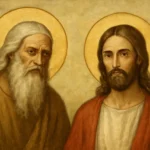
The question of whether Jesus Christ possesses divine nature and divine authority is central to Christian faith and theology. Across the biblical narrative, the person of Christ is presented not merely as a moral teacher or a heroic prophet, but as the eternal Word who reveals God, a divine agent who creates, sustains, and administers all things. The scriptural case for the divinity of Christ is woven from several strands: the pre-existent logos, the acts and titles attributed to Jesus, the level of worship and prayer offered to him, and the resurrection and exaltation that confirm his unique status. Taken together, these strands build a robust portrait of Jesus as more than an exalted human being; they point to a being who shares the very identity and authority of God, while also taking on human nature for the purposes of salvation.
Divine Titles and Names that Point to His Divinity
Studying the divine titles given to or applied to Jesus helps illuminate the breadth of the biblical witness to his deity. Several key terms in the New Testament and in the broader biblical record indicate that Jesus is not merely associated with God but is, in a distinctive way, God come in the flesh or the rightful recipient of God’s prerogatives. The following terms recur with doctrinal significance:
“The Word” (Logos) who “was with God” and “was God,” who became flesh. This double claim—eternally God while also becoming human—points to a unique person whose essence is identified with God and who, yet, shares human life for the sake of redemption.
“God” (theos) designated to Jesus in passages that attribute divinity directly to him, including instances where a text speaks of him in divine terms or applies to him the same divine attributes that belong to the Father.
“Lord” (Kyrios) used in ways that echo the divine name of the God of Israel, signaling authority that belongs to God and that Jesus claims and exercises in judgment, instruction, and creation.
“Son of God” and its implications of filial relationship within the Godhead, while also carrying the weight of authority and glory that belongs to the divine nature.
“Immanuel” and related messianic titles fulfilled in Jesus as “God with us,” a phrase that layers divine presence into the vocation of the Messiah.
Christ as Creator and Sustainer, a role ascribed to him in the New Testament, aligning him with the divine work of creation and ongoing governance of the cosmos.
These titles are not merely nominal; they function as indicators of ontological reality (who Jesus is) and functional reality (what Jesus does). When the scripture speaks of Jesus in these terms, it is not suggesting a mere symbolic connection but a claim about his very person and mission within the plan of God.
Key verses and phrases to consider
To ground this discussion in Scripture, consider several representative strands. The opening gospel presents the Word as God, the Word that became flesh, and a sequence that integrates deity with a human role. The Epistles repeatedly affirm the divine status of Christ in relation to the Father and the Spirit, often describing him as the one through whom all things were created, the one who is worthy of worship, and the one who embodies divine justice and grace. The book of Hebrews emphasizes the superiority of Christ’s person and work over angelic beings and old covenant figures, highlighting the significance of his divine origin and purpose. The apostle John, Paul, and the author of Hebrews together supply a robust thread of evidence that the deity of Christ in Scripture is a coherent and foundational claim about the Christian gospel.
Pre-existence and Creation: The Divine Logoi at Work
A central line of evidence for the deity of Christ in Scripture is the claim that the Son is eternally pre-existent and active in creation. From the very first pages of the New Testament, Jesus is connected with God’s eternal activity and plan for creation and redemption. The concept of the pre-existent Word, who was with God and who was God, is not merely about a person appearing in history but about God’s eternal plan embodied in the Son. In Pauline and Johannine writings, this pre-existence is tied to the role of the Son as creator and sustainer of the universe, a role that belongs to God alone in the Hebrew-Christian worldview.
Creation through the Son: The New Testament indicates that all things were created through him and for him, and in him all things hold together.
Radiance and exact imprint of God: The Son is described as the radiance of divine glory and the exact imprint of God’s nature, a formulation that communicates both unity of essence and distinct personal expression within the Godhead.
Fulfillment of redemptive history: Jesus’ pre-existence and participation in creation grounds the claim that his life and mission are the culmination of God’s eternal purposes for humanity.
In this light, the deity of Christ in Scripture is not a late addition but a foundational facet of how Scripture itself frames the origin and purpose of Jesus. The claims of pre-existence and cosmic involvement are not incidental; they are the basis upon which the church reads Jesus’ life, death, and resurrection as the climactic act of the divine drama.
Where the Bible speaks about the authority of Christ, it often couples divine prerogatives with decisive acts in salvation and judgment. The deity of Christ is inseparable from the claims and exercises of universal authority that belong to the Lord of all creation. The Christological argument from authority asserts that Jesus bears authority to forgive sins, to grant eternal life, to judge humanity, and to orchestrate redemptive history according to God’s plan. Several core strands capture this dimension:
Forgiveness of sins and healing as divine prerogative: Jesus’ authority to forgive sins is presented as a divine prerogative that only God can claim, which places him within the sphere of God’s own authority.
Judgment and the reception of worship: Jesus accepts worship and honors that would be due to God alone, indicating a level of divine sovereignty and worship that belongs to the divine nature.
Universal lordship and mission: The Great Commission culminates in Jesus’ declaration of universal authority over heaven and earth, confirming his sovereignty over all creation and history.
Cosmic reconciliation: In the cosmic reconciliation passage, the Son is the agent through whom God is reconciling all things to himself, signifying the scope and magnitude of Christ’s salvific work.
These strands illustrate how the biblical authors treat Jesus as the one who bears God’s authority in the world. The divine mandate that Jesus executes—saving, judging, and governing—points to a divine status that transcends merely human leadership.
Worship, Prayer, and the Claims of Divinity
A clear marker of the biblical testimony to the deity of Christ is the way Christians address, worship, and appeal to Jesus in prayer, often in parallel with prayers addressed to God the Father. The New Testament presents instances where Jesus is worshiped, invoked in prayer, or honored with doxology that belongs to the honor of God. These practices assume that Jesus possesses a status that warrants the deepest forms of devotion and reverence. Several patterns emerge:
Worship offered to Jesus: Instances where individuals or communities fall down in worship before Jesus reflect a recognition of his divine status and glory that parallels worship of God alone in other contexts.
Prayer in the name of Jesus: Early Christians invoked the name of Jesus in prayer as the channel through which God’s grace and power are mediated, indicating a functional authority rooted in his divine identity.
Christ as mediator: The scriptures present Jesus as the mediator between God and humanity, a role that involves unique access to the divine council and the Father’s presence.
Equating Jesus with the Father: In Johannine and Pauline contexts, Jesus’ oneness with the Father or shared glory underscores the sameness of divine essence and purpose, a confession central to the doctrine of the Trinity for many readers and theologians.
These considerations about prayer, worship, and the divine status of Christ illuminate how the church has historically understood the deity of Christ in Scripture as not just a claim in early Christian memory but a living posture of faith that shapes liturgy, devotion, and mission.
Miraculous deeds attributed to Jesus—calming storms, commanding nature, healing the sick, and raising the dead—are not mere demonstrations of power; they function as signs that the divine presence has come among humanity. The authority demonstrated in miracles points toward divine identity and purpose. The resurrection and exaltation of Jesus then function as the ultimate validation of his deity and the vindication of his redemptive mission. Consider these threads:
Divine power visible in miracles: Jesus’ miracles are presented as occurrences of God’s power at work in the midst of human frailty, signifying the arrival of God’s kingdom and the inauguration of a new creation.
Resurrection as vindication: The resurrection is depicted as God’s definitive affirmation of Jesus’ unique status, trustworthiness, and authority, ensuring that the Christian witness is not dependent on a single moment but on the empirical reality of the risen Christ.
Exaltation to the right hand of God: The narrative arc of exaltation places Jesus in the place of supreme authority and divine honor, reinforcing the claim that he bears the same glory as the Father.
In these ways, the scriptural presentation of miracles, the resurrection, and the exaltation converge to reinforce the conviction that the deity of Christ is verified and sustained by the historical and cosmic realities of salvation history. The claims of the divine nature in Scripture are not abstractions; they are affirmed by tangible acts of power, victory over sin and death, and the ongoing presence of Christ with his people through the Spirit.
Hypostatic Union: The Mystery of the Incarnate God
The doctrine of the hypostatic union is a theological articulation of how the two natures—divine and human—coexist in the one person of Jesus Christ without confusion or separation. This mystery is not a casual addition to Christian belief but the framework that enables the church to understand how the divine nature and the human nature are united in one person to accomplish redemption. Several implications follow:
Full humanity and full divinity: Jesus possesses a genuine, unaltered human nature while retaining complete divine nature; thus, he can represent humanity before God and render the divine work of salvation.
Union without fusion: The two natures remain distinct yet operate in perfect unity for the purposes of salvation, forgiveness, and ultimate reconciliation of creation to God.
Approachability of God: The incarnation makes God approachable to human beings, revealing God’s character in tangible form and enabling intimate fellowship with the divine.
From a biblical perspective, the hypostatic union is not merely a speculative doctrine; it is a response to the biblical witness that claims Jesus is both the revelation of God and the one who represents humanity before God. The incarnate Word thus carries the divine authority to redeem and reconcile. This is why the Christological statements in Scripture emphasize both divinity and humanity as essential to the meaning of salvation.
As with any deep theological topic, questions and objections arise. The following responses summarize how the biblical narrative and orthodox Christian tradition address some of the most common concerns about the nature of Christ:
“Did Jesus ever claim to be God?” The Gospels record statements and actions that function as divine self-disclosures, such as «before Abraham was, I am,» and «I and the Father are one,» as well as the acceptance of worship and the authority reserved for God. While Jesus often spoke of his unique relationship with the Father, these declarations are interpreted within the broader biblical context as affirmations of his divine identity rather than simple statements about exalted humanity.
“Isn’t Jesus a created being?” The New Testament presents Jesus as the eternal Son, not a created being. Writings such as Colossians 1:16-17 and Hebrews 1 present him as the source and sustainer of creation, who shares in the divine glory and is before all things. The argument for pre- existence is designed to counter the claim that Jesus is merely a created or secondary divine figure.
“Does worship of Jesus infringe on the sovereignty of God?” The early church distinguished between worship offered to God and praise given to Christ, recognizing Christ’s divine status and his unity with the Father. The practice of praying in Jesus’ name and honoring him in liturgical life reflects a coherent theological understanding of the Trinity and the person of Christ.
“How does the doctrine of the deity of Christ relate to the Trinity?” The divine identity of Christ is often discussed in concert with the Father and the Spirit. The early church found in the scriptural witness a framework in which Jesus is fully divine, co-eternal with the Father, and inseparable from the Spirit in the trinitarian life of God.
Practical Implications: What the Deity of Christ Means for Faith
Belief in the deity of Christ in Scripture has far-reaching consequences for how Christians understand God, salvation, and life in community. Some practical implications include:
Trust in a competent Savior: If Jesus is truly divine, he possesses the perfect authority and power to accomplish what is necessary for human salvation, including reconciling humanity to God and guaranteeing eternal life.
Informed worship and devotion: Recognizing Jesus’ divine status invites more attentive worship, adoration, and reverence, while maintaining the dignity and integrity of prayer directed to the Triune God as a whole.
Assurance in suffering: A Christ who shares in divine authority and creation reveals a Savior who can sustain believers through trials with ultimate purpose and hope.
Unity of revelation: The divine identity of Christ ties the Gospels, Epistles, and prophetic literature into a cohesive narrative about God’s redemptive plan, encouraging readers to read the Bible as a unified story rather than a collection of isolated statements.
For Christians, the doctrine of Christ’s deity anchors a consistent pattern of belief and practice: trust in Jesus’ authority, worship him as deserving of glory, follow his teachings as the revealer of God’s will, and proclaim his lordship over all creation. It also informs how Christians engage with skeptical questions, inviting honest dialogue about what the Bible asserts about who Jesus is and what he accomplished.
Voices from Scripture: a Synthesis of Divine Identity and Human Mission
Across the different books of the Bible, a coherent synthesis emerges: Jesus is the eternal Son who reveals the Father, participates in creation, and executes redemption with divine power. This synthesis is not a mere doctrinal construct but a lived reality in the early church’s experience of Jesus’s life, death, and resurrection. The biblical witness presents him as the one through whom God speaks, the one whose words carry divine authority, and the one to whom all of creation ultimately owes allegiance. In this light, the divine nature and sovereign authority attributed to Christ are not optional themes but central commitments that shape how Christians understand God, salvation, and the meaning of human existence.
What It Means to Read Scripture with the Deity of Christ in View
Approaching Scripture with an awareness of Christ’s divinity invites a particular interpretive posture. It encourages readers to:
Honor Jesus’ divine identity in ways that align with the biblical narrative, recognizing his role in creation, revelation, salvation, and judgment.
Read the Old Testament with Christological anticipation, looking for types, prophecies, and personifications that point toward the coming Messiah who bears divine authority.
Understand New Testament fulfillment as the moment when God’s redemptive plan fully unfolds in the person and work of Jesus, not as a new departure from what God had promised.
Maintain doctrinal balance by safeguarding the harmony between the humanity of Jesus and his divinity, especially within the framework of orthodox Trinitarian thought that sees the Father, Son, and Spirit in a single divine economy.
In weaving together the strands of the deity of Christ in Scripture, the church has consistently understood that the Christian gospel rests on the confession of Jesus’ divine identity joined to his human life. This union enables a faith that is able to relate to God in a personal, transformative way while also acknowledging God’s transcendent and eternal nature. The biblical depiction of Jesus thus serves as the cornerstone for Christian theology, worship, and hope.
As readers engage with the Scripture’s testimony about the divine person of Jesus, they encounter a narrative that transcends both mere moral teaching and historical anecdote. It is a claim about who God is and how God has chosen to reveal himself in time and history. The deity of Christ in Scripture, expressed through the language of pre-existence, creation, divine attributes, authoritative teaching, and the resurrection, invites believers to respond with faith, submission, and praise. In doing so, they participate in the long-standing Christian practice of recognizing Jesus Christ as the one true God and the Savior of the world, whose life, death, and resurrection inaugurate God’s kingdom and rescue humanity from sin and death.