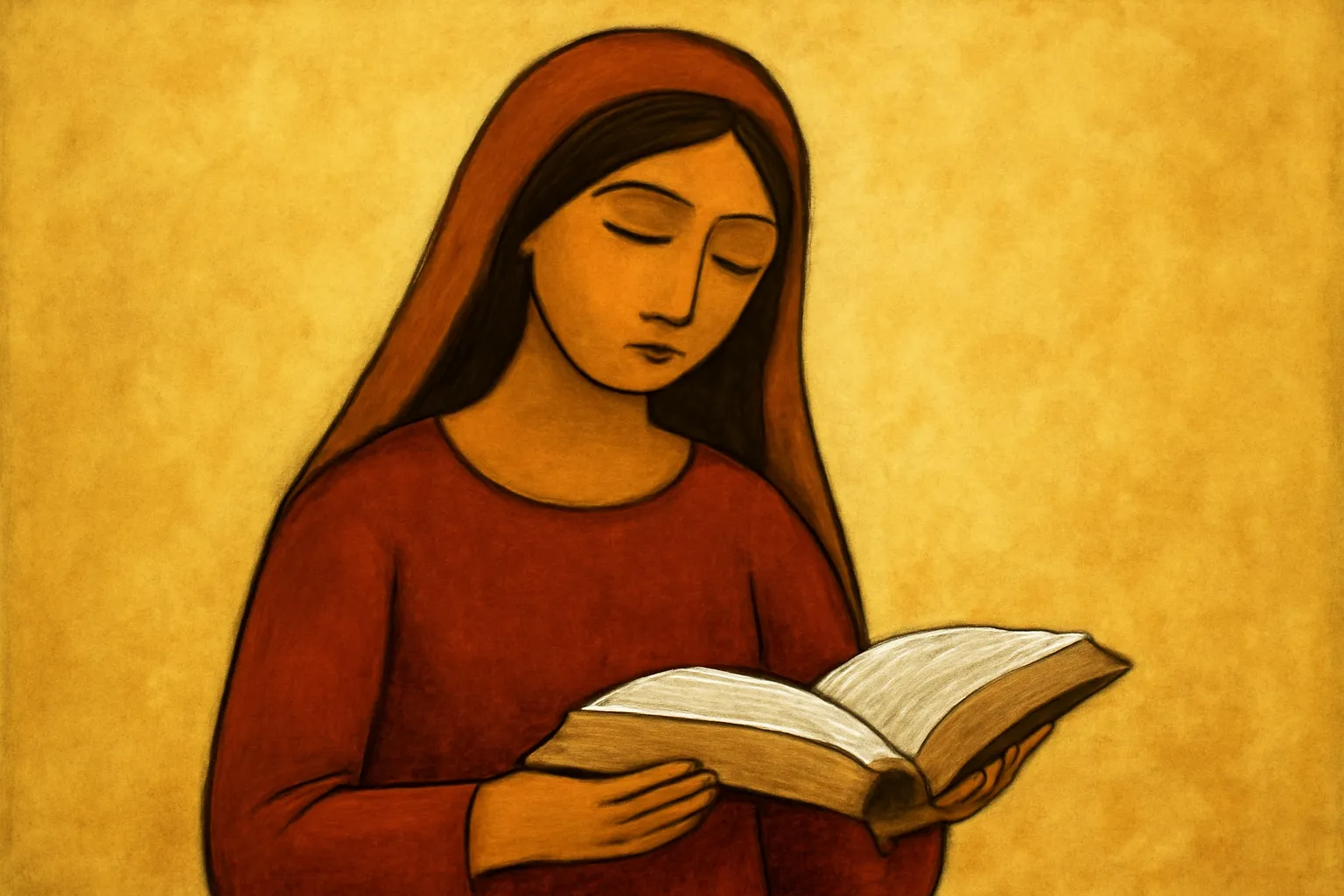
Understanding the topic: Bible divorce abuse and why it matters
In many communities, discussions about biblical divorce and the role of marriage in the life of a believer can become heated. When faith claims are used to control, intimidate, or coerce someone in a marriage or in the process of separation or divorce, it enters the realm of divorce abuse or scriptural abuse in divorce contexts. This article defines the phenomenon, clarifies what the Bible does and does not teach about divorce, and outlines practical steps for survivors to seek safety, healing, and justice. The goal is not to argue for one side of theological interpretation but to distinguish legitimate biblical teaching from misused rhetoric that harms people.
What is “biblical divorce abuse”? terminology and scope
The phrase biblical divorce abuse refers to patterns in which religious language or scriptural interpretations are weaponized to justify controlling behavior, emotional manipulation, or physical harm during or after marriage, especially when divorce or separation is involved. Related terms you may encounter include:
Scriptural abuse or religiously justified control in divorce disputes
Christian coercive control around marriage, separation, or remarriage
Bible-based survivor blame in cases of domestic violence
Misinterpretation of scripture used to shame or silence a person seeking safety
Church-based retaliation against a spouse who leaves an abusive situation
It is important to recognize that scripture itself does not require that anyone endure abuse, nor does it endorse harming vulnerable people. Many pastors, counselors, and theologians emphasize that the Bible upholds the intrinsic dignity of every person and calls believers to love, protect, and seek justice for the helpless. When abuse is framed as a divine mandate, it becomes abusive weaponization of faith rather than faithful application of biblical principles.
A quick map of the conversation: what the Bible teaches about divorce
The Bible contains a range of voices and contexts, including covenants, law codes, prophetic writings, and the teachings of Jesus and early Christian communities. Broadly speaking, the biblical stance on divorce is nuanced and often misunderstood. This section outlines the core points most scholars consider central to the discussion.
Foundational idea: marriage as a lifelong covenant, with allowances for brokenness
Many biblical passages affirm marriage as a sacred, lifelong covenant designed for companionship, fidelity, and mutual support. In this sense, divorce is not the preferred option in most biblical narratives. However, the Bible also acknowledges human fallibility and provides space for dealing with serious violations of the marital bond, including infidelity or abandonment, under certain circumstances.
Old Testament context: divorce laws and concessions
In the Hebrew Bible, certain passages permitted divorce within a framework of covenant fidelity and social regulation. The Torah includes rules about how a husband could dismiss a wife under particular circumstances (such as issuing a written certificate of divorce). Some scholars stress that these regulations aimed to protect vulnerable parties within a patriarchal society, though the practice itself is controversial today. In any case, the Old Testament context is not a universal endorsement of divorce, but a recognition of social dynamics in ancient Israel.
New Testament core teachings: Jesus, Paul, and the evolving understanding
The New Testament presents a more transformative framework for marriage and divorce. In the gospel accounts, Jesus emphasizes the sanctity of the marriage bond while acknowledging the reality of human hardness of heart. The statements on divorce are nuanced:
Jesus’ teaching about divorce generally restricts divorce to cases of sexual immorality (often summarized as adultery) and underscores the seriousness of the marital commitment.
Remarriage considerations after divorce are discussed with attention to intentions and circumstances, including the possibility of remarriage after certain breaches of fidelity or abandonment, depending on interpretation.
Paul’s guidance on Christian marriage emphasizes mutual submission, love, and respect, and in some letters addresses non-believing spouses and the possibility of living apart for conscience or safety reasons.
Across these layers, it is essential to read scriptures in their literary context, considering historical setting, genre, and the overarching biblical arc that emphasizes compassion, justice, and the protection of vulnerable people.
How scriptural misinterpretation leads to abuse: common patterns
There are several patterns by which scriptural authority can be misused to justify controlling behavior or to shroud abuse in a veneer of religious legitimacy:
Selective quotation: Taking a verse out of context to support a coercive demand or to silence a survivor.
Guilt-by-association tactics: Linking personal fear, anger, or safety needs to a broader theological obligation, implying that leaving or seeking help is spiritual rebellion.
Appeals to authority: Using pastors, church leaders, or denominational positions to enforce conformity or stigma around divorce or separation.
Blaming the victim: Framing the abuse as a consequence of sin, lack of faith, or failure to comply with biblical roles, thereby shifting responsibility away from the abuser.
Judgment and shaming: Public or private shaming to deter survivors from speaking out or seeking help.
Recognizing these patterns is the first step toward safer faith communities and toward ensuring that beliefs about marriage do not entrench harm in the name of religion.
Recognizing abuse in religious contexts: what to look for
If you or someone you know is navigating a marriage or family situation in which religious justifications are used to control behavior, watch for these warning signs:
Isolation from friends, family, or supportive church communities as a prerequisite for love or acceptance.
Humiliation or shaming tied to faith, scripture, or divine judgment when boundaries are crossed or when abuse is reported.
Threats to spiritual well-being—for example, implying that leaving the relationship will incur God’s displeasure or eternal consequences.
Broken access to resources—controlling money, transport, or communication in ways that isolate and entangle.
Misuse of religious authority—a pastor, elder, or family member claiming exclusive interpretive authority to keep a survivor compliant.
Gaslighting in a faith framework—denying the abuse, reframing it as discipline, or insisting that the survivor is responsible for peace in the home.
These indicators are not exhaustive, but they help people distinguish between healthy religious care and destructive uses of faith that enable abuse.
The impact: how religiously justified divorce abuse harms people and communities
When bible-based abuse in divorce contexts goes unchecked, it can produce long-term psychological, emotional, and spiritual harm. Survivors may experience:
Persistent fear, anxiety, and symptoms of trauma
Shame, self-blame, and difficulty trusting religious communities
Strained or broken relationships with children, extended family, or faith mentors
Barriers to safety planning or leaving an abusive situation due to spiritual guilt or shame
Conflict between personal safety and spiritual convictions, leading to prolonged internal turmoil
It is possible for faith communities to respond in compassion and accountability, offering trauma-informed care, practical assistance, and spiritual support without compromising the safety and dignity of those involved.
How to seek help: steps for survivors and concerned allies
If you are in a situation where divorce abuse or religious misuse in divorce contexts is present, you deserve safety, respect, and clarity about your options. The steps below are designed to be practical and compassionate, recognizing that safety planning often takes time and support.
Step 1: prioritize safety
If you are in imminent danger, call your local emergency number immediately (for example, 911 in the United States or 112 in many parts of Europe).
Develop a confidential safety plan. Identify a safe place to go, who to call, and how to leave if needed.
Consider securing important documents (identification, legal documents, finances) in a safe, accessible location.
Step 2: gather support
Reach out to trusted friends or family who respect your safety and autonomy. If you are part of a faith community, consider confiding in a secular counselor or a trusted, abuse-informed leader rather than anyone who has previously enabled harm.
Connect with professional resources such as domestic violence advocates, legal aid organizations, or trauma-informed counselors who understand the intersection of faith and abuse.
Seek spiritual support that does not blame you or pressure you to stay in harm’s way—consult a faith leader who is known for compassion and nonjudgmental listening.
Step 3: understand your rights and options
Learn about civil protections available in your area, including orders of protection or restraining orders if you face threats or violence.
Explore options for separation or divorce with a focus on safety, financial stability, and child welfare if children are involved.
Ask for documentation of abuse when possible, as it can be important for legal and social services considerations.
Step 4: address spiritual concerns respectfully
Find theological resources or counselors who affirm the dignity of every person and who can help you interpret scripture in a way that centers safety and justice.
Ask about trauma-informed pastoral care that acknowledges harm while offering compassionate spiritual guidance.
Decide how you want your spiritual journey to proceed—whether that involves staying within your current faith community, seeking a different community, or stepping back for a time.
Step 5: long-term healing and rebuilding
Engage in ongoing therapy or support groups for survivors of abuse to process trauma, rebuild self-esteem, and restore a sense of agency.
Reconcile faith practices with personal safety by identifying faith communities that uphold nonviolence, respect, and consent.
Consider legal counseling to navigate divorce or custody matters, particularly where religious arguments have been misused to manipulate outcomes.
Practical resources: where to turn for help
The following resource categories are commonly available in many regions. The exact names and numbers vary by country, but the intent is to connect survivors with immediate safety and longer-term support.
Domestic violence hotlines and shelters: These organizations provide confidential crisis support, safety planning, and referrals to local services.
Legal aid and family law assistance: Lawyers and clinics that specialize in divorce, protective orders, and custody issues can help survivors navigate the legal system.
Trauma-informed counseling: Mental health professionals who understand the overlap of faith, abuse, and spiritual distress.
Faith-positive counseling: Counselors who respect religious beliefs while helping clients disentangle harmful religious dynamics from personal faith.
Church and faith community allies: Look for congregations or denominations with explicit policies against abuse, clear safety protocols, and trained lay leaders or clergy who can offer nonjudgmental support.
Educational and advocacy organizations: Groups that work at the intersection of faith and domestic violence, offering resources, training, and community outreach.
Online and crisis chat services: For immediate emotional support when in-person resources aren’t available, and for individuals who prefer anonymity.
If you are seeking specific help, start by contacting a local domestic violence hotline or shelter, or speak with a trusted healthcare provider or counselor who can guide you to appropriate resources in your area.
Engaging faith communities constructively: building safer environments
Faith communities have a unique opportunity to respond with care when survivors come forward. Positive and constructive responses include:
Trauma-informed responses that acknowledge harm, avoid shaming, and focus on safety and healing.
Clear boundaries against all forms of coercion, control, or mistreatment, including the misuse of biblical passages to justify abuse.
Accountability for leaders who enable abuse, with pathways for reporting concerns and seeking reform.
Education for congregants about healthy relationships, consent, and the realities of domestic violence within religious communities.
Support networks that accompany survivors to appointments, provide practical help, and connect them with legal and social services.
The Bible’s real message, in many denominations and theological perspectives, emphasizes loving one’s neighbor, protecting the vulnerable, and pursuing justice. When a faith community aligns its practice with those core values, it can become a source of strength rather than a source of harm.
Reframing biblical divorce in a way that honors safety and integrity
A constructive approach to biblical divorce and abuse recognizes that:
Scripture should be interpreted with attention to context, genre, and historical background, not as a blunt tool for coercion.
Pastoral care should center the safety and dignity of every person, not the prestige of tradition or the comfort of the community’s norms.
Survivors should have access to space for healing, including the possibility of separation or divorce when necessary for safety, without being labeled as morally defective.
The church can offer resources for healing, accountability, and reconciliation—without forcing survivors to stay in unsafe situations.
By embracing a compassionate, evidence-informed approach to scriptural reading and church leadership, faith communities can support survivors, promote healthy marriages, and counter the abusive use of biblical language that harms people.
Frequently asked questions
Below are concise answers to common questions people raise about this topic. If you have a different question, you can share it, and we’ll tailor the guidance accordingly.
Is divorce ever allowed in the Bible?
Yes, many biblical scholars argue that divorce is permitted in certain circumstances, such as marital unfaithfulness or abandonment, within the framework of maintaining justice and protecting vulnerable individuals. However, the exact interpretation may vary among traditions. The key point is that divorce should never be used as a tool to justify ongoing abuse or to absolve an abuser of accountability.
What if a religious leader tells me to stay for spiritual reasons despite abuse?
Survivors are not obligated to endure harm for the sake of piety. Legitimate spiritual guidance should promote safety, healing, and dignity. If a leader is pressuring you to stay in danger, seek a second opinion from a trauma-informed counselor or a secular advocate who can help you assess options without shaming you for leaving.
How can I tell the difference between legitimate biblical teaching and abusive manipulation?
Look for consistency with broader biblical themes (love, justice, mercy, protection of the vulnerable) and alignment with the survivor’s safety and autonomy. If scripture is consistently used to blame the survivor, shame them, or isolate them from support systems, it is a sign of misuse rather than faithful interpretation.
moving toward healing, safety, and just faith
The topic of Bible-divorce dynamics and how it intersects with abuse is complex and deeply personal. The crucial takeaway is that faith communities can and should protect the vulnerable, uphold the dignity of all people, and encourage healthy, compassionate approaches to relationship challenges. When abuse is present, it is not a sign of righteous faith but a call for courageous intervention, practical support, and moral accountability. By combining careful biblical study with trauma-informed care, survivors can find pathways to safety, healing, and a reimagined spirituality that honors both scripture and the lived realities of those affected by abuse.