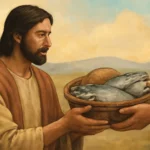
The verse commonly quoted as “Matthew 6:33” sits at a pivotal moment in Jesus’ teaching known as the Sermon on the Mount. In this section, Jesus speaks directly to daily concerns—what people eat, wear, and worry about—and he offers a counterintuitive principle: prioritize the Kingdom of God above everything else. The most familiar rendering, often cited in church literature and devotional guides, is something like, “But seek first his kingdom and his righteousness, and all these things will be given to you as well.” The simple, striking claim is that a single, decisive orientation of life toward God’s rule has cascading effects on all other needs and desires.
To grasp the full import of Matthew 6:33 meaning, it helps to see the line in its literary and theological frame. The immediate context is a discourse about anxiety and trust. Jesus has warned his listeners not to be consumed by fear or by the pursuit of material security. Instead, he invites them to live under God’s care, with a practical trust that God knows their needs and wills to provide. The verse, then, serves as a principle of orientation rather than a promise of instant wealth or a guarantee against hardship.
In everyday language, many readers encounter this verse as a call to reorder priorities. Yet the wording also carries rich theological implications. The “kingdom of God” is not simply a future, distant reality; it is God’s royal reign breaking into the present. “Seek first” implies a determining priority, a way of evaluating choices, decisions, and ambitions through the lens of God’s sovereignty. And “righteousness” points to a life conformed to God’s standards—not merely an inward sense of virtue but an outward alignment with God’s will as expressed in Jesus’ teaching and example.
Historical and Literary Context
Where Matthew 6:33 sits in the Sermon on the Mount
Within the broader chapters of Matthew 5–7, Jesus presents a new landmark program for life in God’s presence. The command to “seek first the kingdom” follows warnings about misplaced trust in public display, wealth, and security. The surrounding verses emphasize practical devotion: how to pray, fast, and give in a way that reflects genuine dependence on God rather than public reputation. The placement of this verse is not accidental; it is a capstone statement that synthesizes ethics, worship, and daily practice.
Scholars often note that the Sermon on the Mount blends parabolic, exhortative, and normative language. Matthew 6:33 meaning thus includes a call to both interior disposition and exterior action. The emphasis on God’s kingdom as a governing reality that shapes all aspects of life invites readers to see their routine routines—work, family obligations, and even leisure—as potential arenas for God’s reign to advance.
Exploring basileia (kingdom) and dikaiosune (righteousness)
The phrase “kingdom of God” translates from the Greek basileia tou Theou. In biblical usage, it denotes more than a geographic domain; it signals God’s sovereign rule, the present reality of God’s governance, and a future consummation when God’s rule is fully realized. When Jesus proclaims the kingdom, he is both announcing a new order and inviting participation in it—through repentance, faith, and obedience.
The term “righteousness” is rendered from the Greek dikaiosune, which can refer to the rightness before God, the moral alignment with God’s standards, or the integrity of one’s life reflected in fair dealing and ethical conduct. In the context of this verse, righteousness is not a purely inward virtue but a holistic life that mirrors God’s character. Jesus’ followers are invited to pursue a life that embodies God’s righteousness as a practical witness to the kingdom they seek.
The directive “seek first” can be unpacked in several ways. First, it signals priority—an ordering of desires where God’s reign sits at the top. Second, it implies a proactive posture: actively pursuing alignment with God’s will rather than passively hoping for favorable outcomes. Third, it suggests a trust that if the kingdom becomes the guiding aim, God will arrange other necessities as a secondary concern, not as an afterthought.
It is important to note that seek first does not advocate neglect of ordinary duties. The Sermon on the Mount assumes people have legitimate needs—food, clothing, shelter, and daily routines. The promise that “all these things shall be added unto you” is not a blank check for indulgence but a reassurance that God cares for daily life when life is oriented to his purposes. In other words, priority to the kingdom does not erase the need to work, plan, and provide; instead, it recasts those activities as part of living under God’s rule.
Contextual Readings: How Different Translations Shape Meaning
How translators render the core idea
Translations vary in precision and nuance, shedding light on different facets of Matthew 6:33 meaning. Consider these common renders:
NIV: “But seek first his kingdom and his righteousness, and all these things will be given to you as well.”
KJV: “But seek ye first the kingdom of God, and his righteousness; and all these things shall be added unto you.”
ESV: “But seek first the kingdom of God and his righteousness, and all these things will be added to you.”
NLT: “Seek the Kingdom of God above all else, and live righteously, and he will give you everything you need.”
Across translations, the essential idea remains: a primary allegiance to God’s reign, lived out in righteousness, leads to provision. Yet the exact nuance can shift. Some translations foreground the word “above all else”, which emphasizes the radical priority; others stress a more relational trust—God “will give you everything you need.” Both capture the heart of the message, just from slightly different angles.
Common Interpretations and Misinterpretations
What people often get right—and what can be misunderstood
Right interpretation: Life is ordered by God’s purposes; material concerns are not to drive decisions; dependence on God becomes a practical discipline.
Potential misinterpretation: The verse guarantees wealth or prosperity if we “seek first.” This is a misreading; the context stresses provision and trust, not material abundance as a spiritual minimum.
Pastoral concern: The passage can be misused to pressure people into generosity or risk-taking financially. A faithful reading anchors generosity in love and integrity, not superstition or coercion.
Existential concern: The verse invites a shift from self-centered living to God-centered living, which may alter priorities in work, family, and leisure.
Ethical dimension: Pursuing the kingdom implies living justly, showing mercy, and walking humbly with God in everyday decisions.
Importantly, Matthew 6:33 meaning also intersects with Jesus’ broader instruction on worry in Matthew 6:25–34. The injunction not to be anxious about daily needs is tied to a larger invitation: trust in God’s providence as a fruit of seeking his reign. The sequence suggests that a life oriented toward God’s rule naturally dispels excessive anxiety about resources because priorities are reoriented around God’s sufficiency.
Practical Applications: How to Seek God’s Kingdom First
Putting Matthew 6:33 meaning into daily practice involves concrete disciplines, habits, and decisions. Here are practical pathways that reflect the spirit of the verse without reducing it to a checklist.
Prayer as orientation: Begin with God’s will in mind. Use prayers that affirm God’s sovereignty, request guidance to live under his rule, and seek strength to embody righteousness in daily life.
Scripture as compass: Let the Bible shape decisions about time, money, work, and relationships. When reading, ask, “How does this point to the Kingdom?”
Community alignment: Surround yourself with a faith community that models kingdom values—humility, service, generosity, and accountability.
Generosity and justice: Practice steady generosity, fair dealing, and care for the vulnerable as tangible expressions of living under God’s reign.
Work as worship: View vocational activity as participation in God’s purposes. Seek excellence, integrity, and service in your field, not merely personal advancement.
Sabbath and rest: Reserve time for regular rest and worship, recognizing that dependence on God includes rest from constant striving.
Decision-making with a kingdom lens: Before major choices, ask, “Which option best advances God’s reign and aligns with his righteousness?”
Intercession and mission: Pray for people to experience God’s rule and for opportunities to participate in God’s mission in the world.
Impact on Daily Life: Situational Readings
To see how the principle plays out, consider several common life situations and how a kingdom-first approach might shape choices.
Finances: In budgeting and spending, prioritize essentials that support meaningful life, generosity, and the common good. This might mean prudent savings while avoiding debt that enslaves time and resources.
Career: When career decisions arise, weigh values like integrity, service, and impact on others over sheer advancement or prestige.
Relationships: Apply forgiveness, humility, and patience in family and community, recognizing that relationships reflect the ethical life of God’s people.
Health and time: Use health practices and time management to honor God, care for others, and avoid excessive self-centeredness.
Ethical dilemmas: In moments of conflict or temptation, recall that living under the Kingdom means choosing what aligns with God’s righteousness even when it costs more in the moment.
These illustrations are not strict formulas but invitations to reframe decisions through the lens of God’s reign. In each case, the underlying idea is that the priority of the kingdom reshapes motives, not merely actions.
Broader Theological Implications
The Kingdom now and not yet
A robust reading of Matthew 6:33 meaning acknowledges the tension between the “now” and the “not yet.” Jesus announces the kingdom as a present reality breaking into history through his word and works, while also pointing toward a future fulfillment when God’s rule will be universal and complete. This dynamic informs how readers understand seek first:
In the present, believers participate in God’s reign by embodying justice, mercy, and truth in everyday life.
In the future, the full consummation of the kingdom will address every form of brokenness and establish God’s perfect rule in full.
Consequently, the verse can be read as an invitation to live with kingdom-centered hope now, while awaiting the day when all things are brought under Christ’s lordship. The ethical life of a believer, then, is not a temporary expediency but a step in the ongoing drama of God’s redemptive plan.
Variations of Phrasing: Expanding Semantic Breadth
Readers and teachers often rephrase the core idea to highlight different angles of the same truth. Here are some variations of Matthew 6:33 meaning that can help broaden understanding without departing from the core message:
“Put God’s rule first” rather than “put God first” in a narrow sense; this emphasizes the governance aspect of the kingdom.
“Make the kingdom the governing principle” for decisions in work, family, and finances; this stresses governance and guiding priorities.
“Prioritize God’s will above all else” as a way to focus on alignment with God’s purposes rather than personal preferences.
“Seek the King’s righteousness before seeking riches” foregrounds moral integrity over material gain.
“Let God’s reign shape your daily life” to underscore the integration of faith with routine acts and responsibilities.
“Reliance on divine provision when you choose God’s plan” emphasizes trust in God’s care as a response to prioritizing the kingdom.
These paraphrases are not contradictory; they offer different lenses to appreciate the same central claim: alignment with God’s rule shapes everything else. When teaching or preaching on this passage, using varied expressions can help people grasp that the call is comprehensive—affecting thoughts, motives, choices, and habits.
What does the verse mean for someone facing financial hardship?
For someone navigating scarcity, Matthew 6:33 meaning can be a source of comfort and challenge. The promise is not a blanket guarantee of prosperity but a trust that if life is ordered around God’s reign, God’s care will meet essential needs. It invites believers to discern where they might be allowing anxiety to run ahead of trust and to seek ways to participate in God’s provision through faithful stewardship, communal support, and hopeful patience.
How should this verse guide prioritization in time management?
In handling time, the kingdom-first ethic calls for allocating time to worship, prayer, and service, alongside work and family obligations. It does not promote neglect of responsibilities but reframes them as opportunities to live under God’s rule. A practical approach is to examine weekly schedules and identify where time might be shifted to cultivate spiritual growth, relational health, and generous acts.
Is this teaching compatible with modern work culture?
Yes, when understood rightly. A kingdom-first ethic can harmonize with a demanding career by reframing success in terms of integrity, service, and sustainable ministry rather than mere status. It suggests that professionals can pursue excellence and achievement without sacrificing compassion, fairness, or ethical standards. The emphasis is not on retreat from the world but on transforming one’s vocation by God’s purposes.
Ultimately, Matthew 6:33 meaning invites believers into a posture of lifelong apprenticeship under God’s reign. It is not a one-time decision but a continuous reorientation: every choice, every plan, every hope is evaluated for its alignment with the Kingdom. The verse’s power lies in its simplicity and depth: when God’s rule is the guiding narrative, other concerns receive their proper place, and life can acquire a steadier, more purposeful rhythm. This is true not only for individuals but for communities, churches, and societies seeking a humane and just way of living under God.
In summary, seek first the Kingdom of God is a manifest invitation to reorder life around the verdict and the values of God’s reign. It calls for a sincere commitment to live with God-centered priority, pursue righteousness, and trust that God’s provision will accompany those who invest in his purposes. The phrase remains a timeless rule of life for those who desire authenticity in faith and integrity in action.