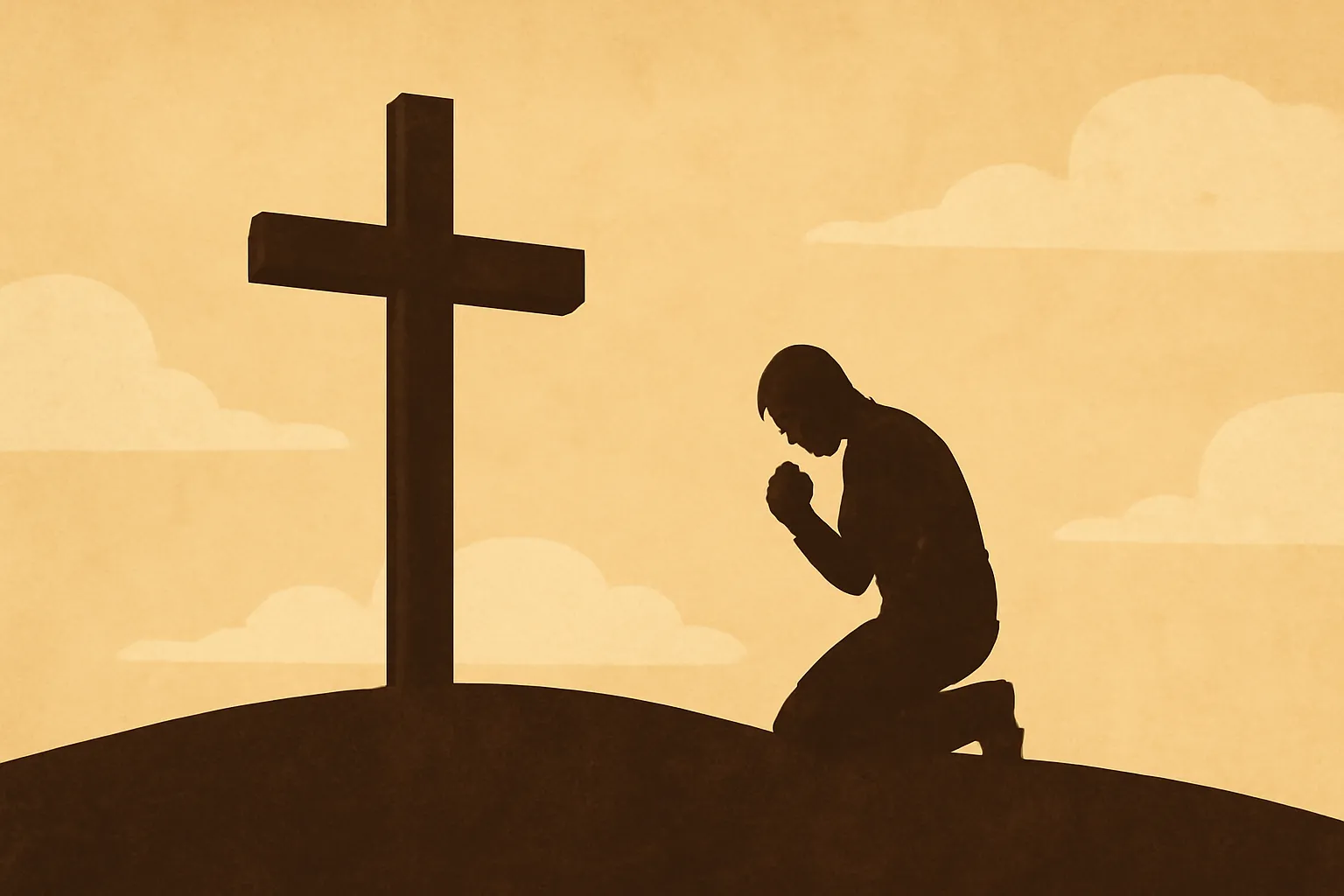
In a world that often presses for control and certainty, letting go can feel counterintuitive. Yet many people of faith discover that surrendering their burdens to God is not a mark of weakness, but a bold act of trust. Letting go is not about abandoning responsibility or neglecting wisdom; it is about choosing to release what we cannot fully govern and to lean into the divine wisdom that guides every season of life. When emotions run high—grief, fear, disappointment, or unfinished plans—the call to release becomes a pathway toward peace and steadier footing.
For believers, the journey of releasing aligns with an ancient practice: inviting God to be the Alpha and Omega of our days. The refrain is simple in form but profound in effect: we acknowledge what we cannot control, we renew our trust in God’s goodness, and we place our next step in God’s hands. In these pages you will encounter a collection of quotes, verses, and reflections designed to offer encouragement, peace, and practical guidance for cultivating a resilient faith that grows stronger as it learns to let go.
This article uses variations of god quotes about letting go to illustrate how the concept travels across time and language—from ancient scriptures to contemporary prayers. You will find direct scriptural verses cited in their original wording alongside paraphrased expressions that capture the spirit of those words in daily life. The aim is not to replace scripture but to illuminate how the discipline of release can become a steady companion on your spiritual path.
God’s Promises About Letting Go
The biblical tradition speaks repeatedly about surrender as a way to receive God’s mercy, guidance, and peace. Letting go is framed not as abandonment, but as alignment—standing still enough to hear God’s voice and walk in harmony with divine purpose. Here are some core statements—some directly quoted, some faithfully echoed in modern language—that illuminate what it means to release control and trust God.
Direct Scripture Verses
“Be still, and know that I am God.” — Psalm 46:10
This succinct invitation is a powerful reminder that peace often arrives when we stop striving to manage every outcome and instead center our attention on God’s sovereignty.
“Trust in the Lord with all your heart and lean not on your own understanding; in all your ways submit to him, and he will make your paths straight.” — Proverbs 3:5-6
In these lines, trust becomes a daily posture. Letting go involves choosing to submit our plans to divine wisdom, allowing God to illuminate the next steps rather than insisting on our own preferred order.
“Cast all your anxiety on him because he cares for you.” — 1 Peter 5:7
The sense of being cared for is central to letting go. When we release worry into God’s hands, we open space for comfort and security that surpasses human calculation.
“Do not worry about tomorrow, for tomorrow will worry about itself. Each day has enough trouble of its own.” — Matthew 6:34
This verse reframes time itself as a gift shaped by God’s providence. It invites us to release the burden of future anxieties and to trust God’s care in the present moment.
“Peace I leave with you; my peace I give you. I do not give to you as the world gives. Do not let your hearts be troubled and do not be afraid.” — John 14:27
“And we know that in all things God works for the good of those who love him.” — Romans 8:28
These statements blend comfort with purpose. God’s peace is not a vague feeling but a transforming presence that steadies the heart when circumstances feel unsettled. The promise of God’s goodness at work in all things invites us to release the impulse to micromanage outcomes and to rest in God’s faithful plan.
Modern Variations on Divine Guidance
While the exact wording above comes from ancient texts, many modern voices frame the same truths in contemporary language. Here are paraphrased reflections that capture the same heart:
Release the urge to control and allow God’s timing to unfold; what feels like delay may be a bridge to a wiser outcome.
Release fear and invite courage that comes from knowing you are held by a steadfast God.
Release what you cannot fix and live into the space where grace makes a way forward you could not imagine.
Release worry and replace it with prayer, which reorients attention toward God’s presence in the moment.
Release bitterness by choosing forgiveness and inviting God to restore what hurts have damaged.
In practice, these variations encourage a posture rather than a prescription: with humility we acknowledge limits; with faith we invite divine possibility; with gratitude we walk forward one day at a time.
Letting Go as a Path to Peace
Peace is often the fruit of letting go. It does not demand that life becomes perfectly predictable; rather, it rests in the assurance that God accompanies us through unpredictability. Here are several ways the spiritual tradition describes peace as the result of release.
Peace as a Steadying Presence
When you let go, you invite a steadying presence to fill the space your anxiety once occupied. This is not a denial of pain but a transformation of how pain is carried. The practice can become a rhythm—moments of release followed by renewal, day after day.
Peace and Purpose Intertwined
Letting go is not merely an escape hatch. It is a way to posture ourselves for God’s purpose to unfold. In the absence of certainty, purpose can emerge as a guiding light that helps you discern the next kind, constructive choice. The result is a peace that empowers wisdom, compassion, and resilience.
Peace in Relationships
Releasing harmful expectations, grudges, and the need to control others often leads to healthier, more honest relationships. When you let go of the urge to «fix» people or situations, you make space for trust, forgiveness, and cooperative growth. This is a practical form of the spiritual work of letting go.
Peace in Quiet Moments
Letting go also invites stillness. In quiet, you may hear guidance that was drowned out by noise and hurry. The practice of silence—whether through prayer, meditation, or contemplative walking—helps re-center attention on God and recall a larger narrative in which you are not alone.
Theoretical wisdom is meaningful when it becomes practical. Below are routines and exercises designed to cultivate the art of letting go in everyday life. They can be adapted to fit personal schedules and spiritual traditions.
Morning release: Begin each day by naming one thing you cannot control and offering it to God in prayer, then asking for strength to act with wisdom in the present moment.
Evening reflection: Review the day and notice where you clung to outcomes. Console yourself with a short prayer of surrender and gratitude for the day’s gifts, however imperfect.
Breathing exercise: In moments of rising stress, inhale for a count of four, exhale for a count of six, imagining you are releasing burden with each exhale.
Journaling as a Release Tool
Journaling can help externalize what is inside. Try a letting-go journal entry once a week:
Identify a situation you are trying to control.
Write a brief description of what you feel, including fear, disappointment, or anger.
Note one faithful truth from Scripture or a trusted spiritual practice that speaks to release.
Write a short prayer or affirmation that expresses surrender and asks for God’s guidance in your next step.
Physical Reminders of Surrender
Some people use tangible reminders to cue release. Consider:
Rocks or beads to symbolize one burden you are letting go of in a given period.
Blankets or tissues to symbolize comforting God’s presence during difficult moments.
Post-it prayers placed where you will see them often, each with a short line of surrender and a note of trust.
Community Support and Accountability
Letting go is often easier when you do not do it alone. Share your intentions with a trusted friend, mentor, or faith community. An accountability partner can encourage you to remain patient, remind you of God’s promises, and help you process setbacks without judgment. Encouragement is a strong catalyst for persistent surrender and enduring peace.
Letting Go in Times of Grief and Loss
Grief can intensify the impulse to hold on. Yet even in sorrow, letting go can become a doorway to healing. The divine invitation remains: release what cannot be changed, lean into what remains, and trust that God’s love carries you through. This section offers guiding thoughts and scripture-informed reflections for people navigating loss.
Framing Grief with Trust
It is natural to want to control how loss unfolds, including the pace of healing. A healthy perspective reframes letting go as a willingness to walk through grief with God by your side—so that you do not have to bear the burden alone.
Scriptural Grounding for Grief and Release
The scriptures acknowledge sorrow while pointing toward hope:
“The Lord is close to the brokenhearted and saves those who are crushed in spirit.” — Psalm 34:18
Letting go in grief does not erase pain; it invites the divine to redeem it in ways beyond our immediate vision. The process can include crying, lament, and honest conversation with God, all of which can coexist with trust and the slow emergence of peace.
Steps for Grief-Informed Release
Acknowledge the loss fully; name what is painful and what you fear losing.
Offer your emotions to God with an honest prayer or a written note.
Choose one small, practical action that demonstrates surrender—such as simplifying a routine or inviting someone to walk with you through the next week.
Allow community and memory to accompany you as you move forward.
Over time, letting go can co-create space for gratitude, even amid enduring sorrow. As you relearn trust, a new texture of peace can begin to surface—less dependent on circumstances and more rooted in God’s faithful presence.
Common Questions About Letting Go and God
People often ask how to balance letting go with responsibility, discernment, and active faith. The answers are nuanced and personal, yet some guiding principles recur across traditions and experiences. The following Q&A is designed to offer clarity and practical tips.
A: Letting go is best understood as a continual practice. There are moments of decisive surrender—where you choose to release a specific burden—and there are daily attitudes of trust that sustain you through ongoing challenges. Both are legitimate and valuable in a life of faith.
Q: How do I know if I am truly surrendering or just avoiding problems?
A: True surrender is not avoidance but alignment. It involves inviting God to guide your choices, seeking wisdom, and then acting with integrity based on what you sense is right. If your action to release leads you to make wise, compassionate decisions that honor God, you are practicing healthy surrender.
Q: Can letting go be a pathway to growth?
A: Yes. When you release what you cannot control, you often create space for new possibilities, deeper trust, and stronger resilience. Growth may look like patience, peace in uncertainty, or a more generous heart toward others.
Q: How do I handle recurrent anxieties that resist release?
A: Persistent worry often calls for multiple approaches: daily prayer, counseling, mindfulness practices, and community support. It can also help to identify one practical step you can take toward a goal in the near term, which can reduce the feeling of being overwhelmed and reaffirm your agency within God’s care.
Q: What role does scripture play in letting go?
A: Scripture provides both language and cadence for releasing burdens. Verses about God’s faithfulness, strength, and peace become anchors when emotions pull in different directions. Regular reading, memorization, and meditation on these passages can cultivate a steadfast trust that undergirds daily surrender.
Closing Reflections: A Gentle Practice of Surrender
The journey of letting go is, in many ways, a spiritual discipline that grows with time. It is less about an instantaneous release and more about a habit of choosing trust in the face of uncertainty. The divine invitation remains constant: you are invited to cast your cares, to be still, and to rest in the assurance that God holds you and your path. In such surrender, peace becomes not a fleeting moment but a cultivated state—a quiet confidence that, even in the hardest places, you are held by a love that never fails.
If you carry one takeaway from this guide, let it be this: letting go is not a rejection of life’s responsibilities but a reordering of priorities. It invites you to act with wisdom, speak with gentleness, forgive with grace, and live with hope that endures. As you practice release—whether in little daily acts or in the deep seasons of loss and change—you may find a cadence of mercy that renews your heart and steadies your steps.
May your journey toward peace be gentle, steadfast, and hopeful. May you feel the presence of divine care in every breath, and may you discover, in each moment of release, a deeper sense of God’s purpose unfolding in your life.